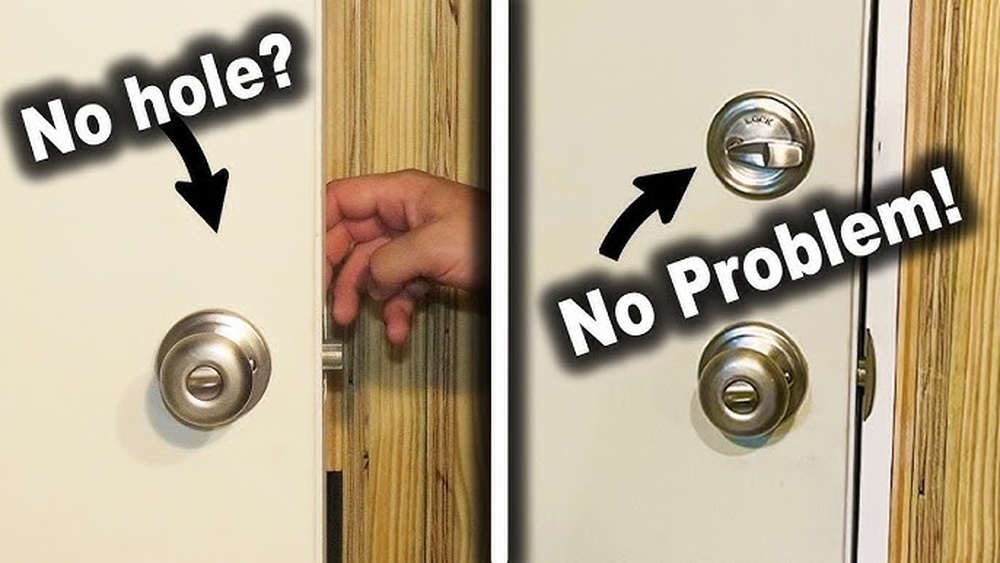
Looking to boost your home security without calling a locksmith? Installing a single cylinder deadbolt lock is a simple, effective way to protect your door and give you peace of mind.
You don’t need special skills or expensive tools to do it yourself. In this guide, you’ll find clear, step-by-step instructions that make the process easy and straightforward. By the end, you’ll have a strong, reliable lock installed—keeping your home safer and giving you confidence every time you close the door.
Ready to take control of your home’s security? Let’s get started!
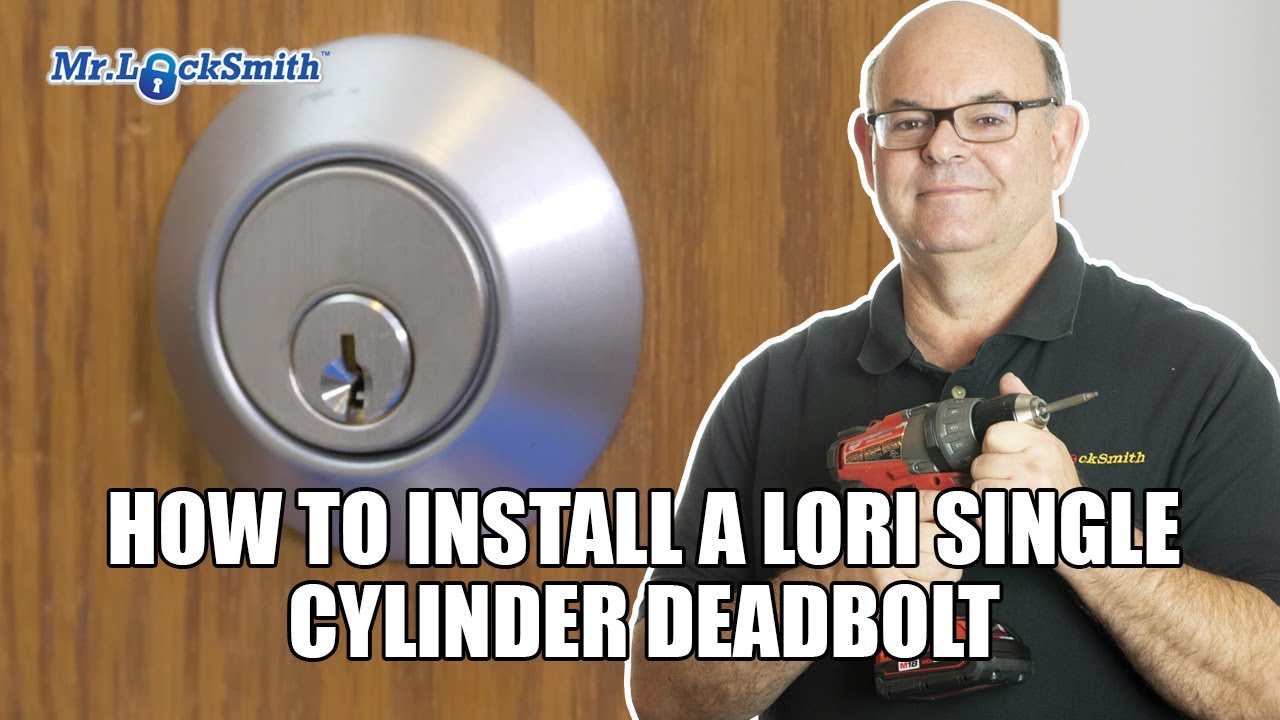
Credit: www.youtube.com
Tools And Materials Needed
Installing a single cylinder deadbolt lock requires specific tools and materials. Having everything ready makes the process smooth and fast. This section lists the necessary items for the job.
Basic Tools
You will need a drill to make holes in the door. A screwdriver is also essential to tighten screws. A tape measure helps to check exact distances. A pencil marks spots for drilling.
Materials For Installation
The deadbolt lock kit usually contains the lock, strike plate, and screws. Make sure to have extra screws just in case. You may also need wood filler if holes need fixing later.
Safety Equipment
Wear safety glasses to protect your eyes from dust and debris. Gloves keep your hands safe while handling sharp tools. A dust mask can prevent inhaling dust during drilling.

Credit: www.probrico.com
Choosing The Right Deadbolt
Choosing the right deadbolt is the first step to securing your home. A good deadbolt adds extra protection to your door. It also gives you peace of mind. Picking a lock that fits your needs is important. Not all deadbolts are the same. Some work better for certain doors and situations. Understanding your options helps you make the best choice.
Types Of Single Cylinder Deadbolts
Single cylinder deadbolts have a keyhole on the outside. Inside, they have a thumb turn for easy locking. They come in different styles. Some have a round knob, others a flat lever. The main types include standard, high-security, and smart deadbolts. Standard deadbolts are simple and affordable. High-security ones resist picking and drilling. Smart deadbolts connect to your phone or home system. Choose a type that fits your security needs and budget.
Factors To Consider
Consider the door material before buying a deadbolt. Wood, metal, and fiberglass doors may need different locks. Check the lock’s backset, which is the distance from the door edge to the keyhole. Measure it to ensure a proper fit. Think about the lock’s finish to match your door hardware. Durability is key; pick a lock made of strong materials. Also, check if installation is easy or if you need help. Safety features like anti-pick pins add extra security. Choose a deadbolt that balances safety and convenience.
Preparing The Door
Preparing the door is the first step to install a single cylinder deadbolt lock. This step ensures the lock fits perfectly and works well. Take your time to prepare the door carefully. It helps avoid mistakes and saves effort later.
Measuring And Marking
Measure the door thickness and height where the lock will go. Most deadbolts fit doors between 1 3/8 and 1 3/4 inches thick. Use a tape measure to check these dimensions.
Mark the spot on the door edge for the bolt. Next, mark the face of the door for the lock cylinder. Use a pencil and a template if available. Double-check the marks for accuracy.
Drilling Holes
Use a drill with the right size hole saw bit. Drill the hole on the door face carefully. This hole will hold the lock cylinder.
Drill a hole on the door edge for the bolt. Make sure it lines up with the face hole. Drill straight to avoid crooked holes.
Clean up the holes. Remove wood chips and smooth rough edges. This makes installation easier and the lock secure.
Installing The Deadbolt
Installing a single cylinder deadbolt lock is a straightforward process. It improves your door’s security and gives peace of mind. Follow each step carefully to ensure proper installation and smooth operation.
Fitting The Exterior Part
Start by placing the exterior part of the deadbolt on the outside of the door. Align the keyhole with the hole in the door. Make sure the tailpiece fits through the hole smoothly. Check that the exterior part sits flush against the door surface.
Attaching The Interior Side
Next, position the interior side of the deadbolt on the inside of the door. Align the spindle and tailpiece with the exterior part. The thumb turn should be easy to reach and turn. Keep both parts aligned to avoid jamming the lock.
Securing With Screws
Use the provided screws to secure both sides of the lock together. Tighten screws evenly to keep the lock stable. Avoid over-tightening, which can damage the lock or door. Test the lock by turning the thumb turn and using the key.
Testing The Lock
Testing the lock is a crucial step after installation. It ensures the deadbolt works properly and keeps your door secure. Take your time to check every function carefully. This helps avoid future problems and keeps your home safe.
Checking Key Operation
Insert the key into the lock cylinder. Turn it slowly to see if it moves without sticking. The key should turn smoothly in both directions. Try locking and unlocking several times to confirm ease of use. If the key feels stiff, adjust the lock or check alignment.
Ensuring Smooth Bolt Movement
Use the thumb turn inside to move the bolt. It should slide in and out with little effort. Test the bolt fully extended and retracted positions. The bolt must fit snugly in the strike plate. If it jams or sticks, realign the strike plate or tighten screws.
Troubleshooting Common Issues
Troubleshooting common issues helps keep your single cylinder deadbolt working well. Small problems can stop the lock from working smoothly. Fixing these issues saves time and avoids extra costs. Below are two common problems and how to solve them.
Misalignment Problems
Misalignment happens when the deadbolt and strike plate do not line up. This stops the bolt from entering the hole properly. Check if the door or frame has shifted. Look for gaps or uneven spaces around the lock area. Adjust the strike plate by loosening screws and moving it slightly. Tighten the screws after the plate lines up with the bolt. Test the lock by turning the key or thumb turn. Repeat adjustments if needed until the lock works smoothly.
Lock Jamming Solutions
Lock jamming occurs when the bolt sticks and will not turn. Dust and dirt inside the lock can cause this. Spray a small amount of graphite lubricant into the keyhole. Avoid oil-based lubricants as they attract dirt. Insert and turn the key several times to spread the lubricant. Check for bent or damaged parts inside the lock. Replace any broken components to prevent future jams. Regular cleaning and lubrication keep the lock working well.
Maintaining Your Deadbolt
Maintaining your deadbolt helps keep it working smoothly and lasts longer. Regular care stops problems before they start. Small tasks can protect your lock from damage and wear.
Lubrication Tips
Use a graphite or silicone spray to lubricate the lock. Avoid oil-based lubricants as they attract dust. Spray a small amount into the keyhole and bolt mechanism. Turn the key several times to spread the lubricant. Repeat this every six months for best results.
Regular Inspection
Check your deadbolt every few months for signs of wear. Look for loose screws or parts that move too easily. Tighten any loose screws with a screwdriver. Test the lock to ensure it turns smoothly. Early detection of problems saves time and money.

Credit: doorcorner.com
Frequently Asked Questions
What Tools Are Needed To Install A Deadbolt Lock?
You need a drill, screwdriver, measuring tape, pencil, chisel, and the deadbolt lock kit. These tools ensure precise installation and secure fitting.
How Do I Align The Deadbolt Lock Properly?
Mark the door and frame carefully. Drill holes straight and use the lock’s template. Proper alignment ensures smooth locking and durability.
Can I Install A Deadbolt Without Professional Help?
Yes, with basic DIY skills and tools, you can install it yourself. Follow instructions carefully to avoid mistakes and ensure security.
How Long Does It Take To Install A Single Cylinder Deadbolt?
Typically, installation takes 30 to 60 minutes. Time varies based on experience and door type. Taking time ensures a secure fit.
Conclusion
Installing a single cylinder deadbolt lock is simple and quick. Follow each step carefully for the best results. This lock adds good security to your door. You can feel safer at home. Keep tools and instructions close during the process.
Practice makes the task easier next time. Enjoy the peace of mind that comes with a strong lock. Stay safe and protect your home well.