If you’ve ever needed to lift your car safely and quickly, knowing how to use a floor jack is a game-changer. But what if you want to explain this skill clearly to others, perhaps in a presentation?
That’s where a Floor Jack PPT comes in handy. This guide will show you exactly how to create and use a floor jack PowerPoint that grabs attention and makes your instructions easy to follow. Whether you’re teaching a class, training a team, or just sharing tips with friends, mastering this tool can save time and prevent accidents.
Ready to learn how to make your message clear and powerful? Keep reading!
Types Of Floor Jacks
Floor jacks are essential tools for lifting vehicles safely. They come in different types. Each type suits specific tasks and vehicle types. Knowing the differences helps you pick the right jack for your needs.
Hydraulic Floor Jacks
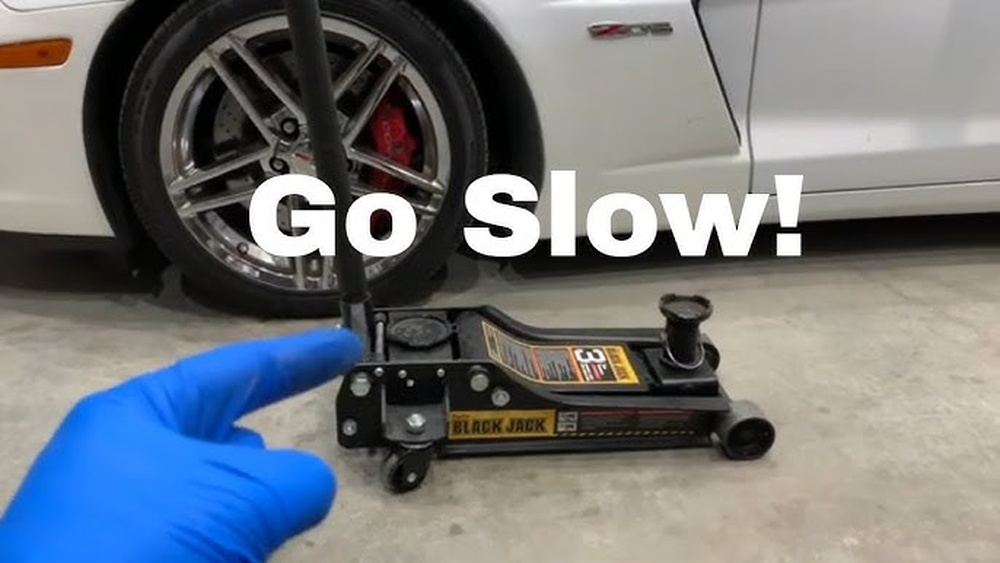
Hydraulic floor jacks use fluid pressure to lift heavy loads. They have a pump and cylinder system. This makes lifting smooth and requires less effort. These jacks can lift cars and trucks easily. They are common in garages and workshops. Hydraulic jacks provide stable and controlled lifting.
Scissor Floor Jacks
Scissor floor jacks use a mechanical screw to lift vehicles. They look like a pair of scissors opening and closing. These jacks are compact and lightweight. They are good for small cars and emergency use. Scissor jacks need manual turning to lift the car. They are simple but less powerful than hydraulic jacks.
Bottle Floor Jacks
Bottle floor jacks have a vertical cylinder shape. They use hydraulic pressure to lift heavy vehicles. Bottle jacks are strong and can lift taller loads. They are easy to carry and store. These jacks work well for trucks and larger vehicles. The lifting height is more than other jacks of the same size.

Credit: www.topregal.com
Essential Floor Jack Components
A floor jack is a useful tool to lift heavy vehicles safely. Understanding its main parts helps you use it correctly. Each component has a special role. Knowing these parts makes the job easier and safer.
Pump Handle
The pump handle is the long bar you move up and down. It creates pressure inside the jack. This pressure lifts the vehicle off the ground. The handle also helps control the speed of lifting.
Saddle
The saddle is the round lifting pad on top of the jack. It touches the vehicle’s frame or lift points. The saddle must be placed firmly to avoid slipping. It holds the weight securely while you work.
Release Valve
The release valve controls the lowering of the jack. Turning it slowly lets the vehicle come down safely. Opening it too fast can cause sudden drops. This valve ensures smooth and controlled lowering.
Choosing The Right Floor Jack
Choosing the right floor jack is important for safety and ease of use. Not all floor jacks work for every vehicle. Picking the correct one helps prevent accidents and damage. Consider key factors like weight capacity, lift height, and build quality. These ensure the jack fits your needs.
Weight Capacity
Weight capacity shows how much weight the jack can lift safely. Always select a jack with a capacity higher than your vehicle’s weight. This prevents the jack from breaking or failing. Check your vehicle manual for the exact weight before buying.
Lift Height
Lift height is how high the jack can raise your vehicle. It must be enough to clear the tires and allow work underneath. Low-profile vehicles need jacks with lower minimum heights. Taller vehicles need a higher maximum lift.
Material And Build Quality
Strong materials improve the jack’s durability and safety. Steel jacks are heavy but very sturdy. Aluminum jacks are lighter and easier to move. Look for solid welds and smooth operation. A well-built jack lasts longer and works better.
Preparing Your Vehicle For Lifting
Preparing your vehicle for lifting is an important step before using a floor jack. It keeps you safe and prevents damage to the vehicle. Taking the right precautions makes the lifting process smooth and secure. Follow these steps carefully to prepare your vehicle properly.
Selecting A Safe Location
Choose a flat, hard surface for lifting your vehicle. Avoid soft or sloped ground to stop the jack from slipping. A garage floor or driveway works best. Clear the area of any objects or debris that could cause hazards.
Engaging The Parking Brake
Always set the parking brake to keep the vehicle still. This prevents the car from rolling while it is lifted. Double-check that the brake is fully engaged before you use the floor jack. It adds an extra layer of safety during the process.
Using Wheel Chocks
Place wheel chocks on the wheels that stay on the ground. This stops the vehicle from moving side to side. Use sturdy chocks and position them tightly against the tires. This step works with the parking brake to keep the car stable.
Step-by-step Floor Jack Operation
Operating a floor jack safely and correctly is important. Follow these simple steps to lift your vehicle without trouble. Understanding each part of the process helps you work smoothly. Let’s break down the floor jack operation into clear actions.
Positioning The Jack
Place the jack on a flat, solid surface. Find the vehicle’s lifting point. This spot is usually under the frame or near the tire. Align the jack’s saddle with this point. Make sure the jack sits firmly before lifting.
Pumping To Lift
Use the handle to pump the jack slowly. Each pump raises the vehicle a little. Watch the vehicle rise steadily. Stop pumping once you reach the desired height. Avoid quick or jerky movements.
Securing With Jack Stands
Never rely on the jack alone to hold the vehicle. Slide jack stands under the car at strong points. Lower the vehicle gently onto the stands. Check the stands are stable before working under the car.
Safety Tips When Using A Floor Jack
Using a floor jack can make lifting heavy objects easier. Safety must come first to avoid injuries. Follow these tips to use a floor jack safely.
Inspecting The Jack Before Use
Check the floor jack for any damage before each use. Look for cracks, leaks, or worn parts. Make sure the wheels roll smoothly. Test the handle to see if it moves freely. Replace or repair any damaged parts immediately. A good inspection prevents accidents.
Avoiding Overloading
Know the weight limit of your floor jack. Never lift more than its rated capacity. Overloading can cause the jack to fail. Use the correct jack for the job size. Lifting too much weight is dangerous. Always stay within the safe load range.
Keeping Clear Of The Load
Stay away from the object while lifting it. Do not place any body parts under the load. Use jack stands to support the load after lifting. Never rely on the jack alone. Keep hands and feet clear to avoid injury. Safety distance is important during the whole process.
Maintaining Your Floor Jack
Maintaining your floor jack is important for safety and performance. Regular care helps it last longer and work smoothly. Small checks and simple cleaning keep the jack ready for use. Follow these steps to keep your floor jack in good shape.
Regular Cleaning
Wipe the floor jack after each use. Remove dirt and dust from all parts. Use a clean cloth and mild cleaner. Avoid water on hydraulic parts. Cleaning prevents rust and buildup. It keeps moving parts free and easy to operate.
Lubrication Points
Identify all moving parts on the jack. Use oil or grease on joints and hinges. Lubricate the wheels, pump, and pivot points. This reduces friction and wear. Lubrication helps the jack lift smoothly. Repeat this process every few weeks or after heavy use.
Checking Hydraulic Fluid
Hydraulic fluid powers the lifting action. Check the fluid level regularly. Open the fill plug and inspect the fluid. Add the recommended hydraulic oil if low. Avoid overfilling to prevent leaks. Changing the fluid yearly keeps the jack working well.

Credit: www.boggsequipment.com
Common Floor Jack Issues And Fixes
Floor jacks are useful tools but can face common problems. Knowing these issues helps keep your jack working well. Simple fixes save time and money. Below are frequent floor jack problems and easy solutions.
Jack Not Lifting
The jack might not lift due to air trapped in the hydraulic system. Bleed the jack by opening the release valve and pumping the handle several times. Check the oil level and refill if low. Dirt or rust inside the jack can block movement. Clean and lubricate parts regularly to avoid this.
Hydraulic Leaks
Leaks appear as oil spots near the jack. Inspect seals and hoses for damage. Replace worn or cracked seals to stop leaks. Tighten loose fittings but avoid over-tightening. Keep the jack clean to spot leaks early. Oil leaks reduce lifting power and cause damage.
Handle Problems
Handle issues include difficulty pumping or slipping. Grease the handle pivot points to ease movement. Check for bent or broken parts and replace them. Ensure the handle fits tightly to the jack. A loose handle reduces control and safety. Regular maintenance prevents handle problems.

Credit: www.slideserve.com
Frequently Asked Questions
What Is The Purpose Of A Floor Jack?
A floor jack lifts heavy objects, like vehicles, for repair or maintenance. It provides stability and safety during lifting tasks. Using a floor jack correctly prevents accidents and damage. It is essential for automotive work and heavy-duty lifting.
How Do You Safely Operate A Floor Jack?
Place the jack on a flat, solid surface. Position it under the vehicle’s lifting point. Pump the handle slowly to raise the load. Always use jack stands to support the vehicle after lifting. Never rely solely on the floor jack.
What Maintenance Does A Floor Jack Require?
Regularly check hydraulic fluid levels and refill if needed. Inspect for leaks, rust, or worn parts. Lubricate moving components to ensure smooth operation. Store the jack in a dry place to prevent damage. Proper maintenance extends jack lifespan and performance.
Can A Floor Jack Be Used On Uneven Surfaces?
No, using a floor jack on uneven surfaces is unsafe. It can cause instability, slipping, or tipping. Always use the jack on firm, level ground. This ensures safe lifting and prevents accidents or damage.
Conclusion
Using a floor jack PPT helps lift vehicles safely and easily. Always follow safety steps to avoid accidents. Check the jack’s condition before each use. Place it on a flat, stable surface for best results. Lift slowly and watch the vehicle’s movement carefully.
Lower the vehicle gently after finishing your work. Practice these tips to gain confidence and work efficiently. Safety and patience matter most when using a floor jack. Keep learning to improve your skills over time.