Have you ever wanted to hang something on your wall but didn’t have a drill handy? It can feel frustrating when you want to get the job done quickly but don’t have the right tools.
What if you could install a wall anchor without a drill and still make sure it’s strong and secure? You’ll discover simple, effective methods to use a wall anchor without needing power tools. By the end, you’ll have the confidence to hang shelves, pictures, or decorations easily—no drill required.
Keep reading, and make your next wall project hassle-free!

Credit: www.youtube.com
Choosing The Right Wall Anchor
Choosing the right wall anchor is key for a strong hold without a drill. Different anchors fit different walls and weights. Picking the correct one saves time and effort. It also protects your walls from damage. Knowing types and matching anchors to wall material helps you hang items safely.
Types Of Wall Anchors
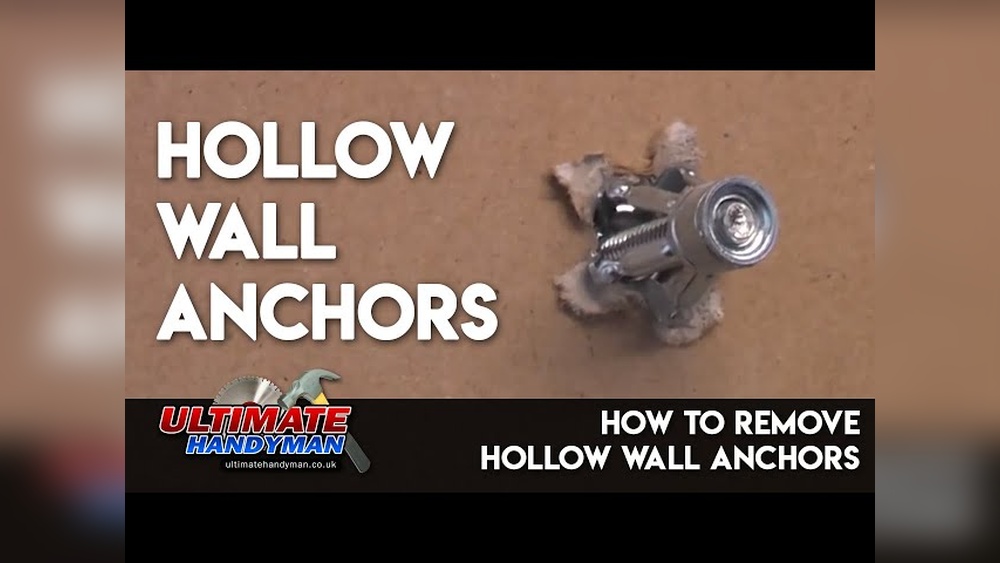
Plastic expansion anchors work well for light items. They expand inside the wall to hold tight. Metal anchors offer more strength for medium loads. Toggle bolts have wings that open behind the wall. These are best for heavy objects. Self-drilling anchors screw directly into the wall. They do not need a pre-made hole.
Selecting Based On Wall Material
Drywall needs anchors that spread weight wide. Plastic or self-drilling anchors suit drywall well. For plaster walls, use metal or toggle anchors. They grip better in hard plaster. Concrete or brick walls require heavy-duty anchors. Masonry anchors or sleeve anchors hold strong here. Match the anchor type to your wall for best results.
Tools Needed Without A Drill
Using a wall anchor without a drill is possible with the right tools. You do not need electric tools to get the job done. Just a few basic hand tools and some alternative tools for making holes can help you. This section covers what you need to have on hand before you start.
Basic Hand Tools
A screwdriver is essential for driving screws into anchors. Choose a flathead or Phillips head depending on your screw type. A hammer helps to tap the anchor gently into the wall. Measuring tape ensures you place the anchor in the right spot. A pencil or marker lets you mark where to make your hole. These tools are easy to find and simple to use.
Alternative Tools For Hole Making
An awl or a nail can create small holes in drywall or plaster. Push the awl or nail slowly to avoid damage. A hammer and nail can make a hole by tapping gently. A hand brace or manual screwdriver with a drill bit works without power. Use sandpaper to smooth rough hole edges if needed. These tools help you avoid using an electric drill while still preparing the wall correctly.
Preparing The Wall Surface
Preparing the wall surface is an important step before using a wall anchor without a drill. It helps ensure the anchor holds firmly and the item stays secure. Taking time to prepare can prevent mistakes and damage to the wall.
Marking Anchor Locations
First, decide where you want to place the anchor. Use a pencil to mark the exact spot on the wall. Measure twice to avoid errors. Clear marks guide you and keep the anchors straight. This step makes installation easier and more accurate.
Cleaning The Area
Wipe the wall surface where the anchor will go. Remove dust, dirt, and grease with a damp cloth. A clean surface helps the anchor stick better. Let the wall dry completely before proceeding. Clean walls improve the strength of the anchor hold.
Credit: www.youtube.com
Creating A Hole Without A Drill
Creating a hole without a drill is possible with simple tools. This method works well for light tasks and saves time. It also avoids noisy drills and extra equipment. The key is to make a small, neat hole for the wall anchor. These ways help you start the hole safely and easily.
Using A Hammer And Nail
Take a nail that is slightly smaller than the wall anchor. Hold it where you want the hole. Tap gently with a hammer to make a small hole. Tap until the nail goes just inside the wall. Remove the nail carefully. This hole will guide the wall anchor in place.
Employing A Screwdriver Or Awl
Choose a screwdriver or an awl with a sharp tip. Place the tip on the spot for the hole. Push or twist the tool firmly to pierce the wall surface. Move in small circles to enlarge the hole slightly. Stop when the hole matches the wall anchor size. This method works well on drywall and soft materials.
Using A Wall Punch
A wall punch is a small tool made for making holes. Position the punch on the wall where needed. Tap it with a hammer to create a hole. The punch cuts cleanly without cracking the wall. This tool works best on drywall and plaster. It makes quick, smooth holes for anchors.
Installing The Wall Anchor
Installing a wall anchor without a drill is easier than many think. It takes patience and the right tools. Understanding how to place different anchors helps secure items safely. This guide shows how to install three common types: plastic anchors, toggle bolts, and molly bolts.
Inserting Plastic Anchors
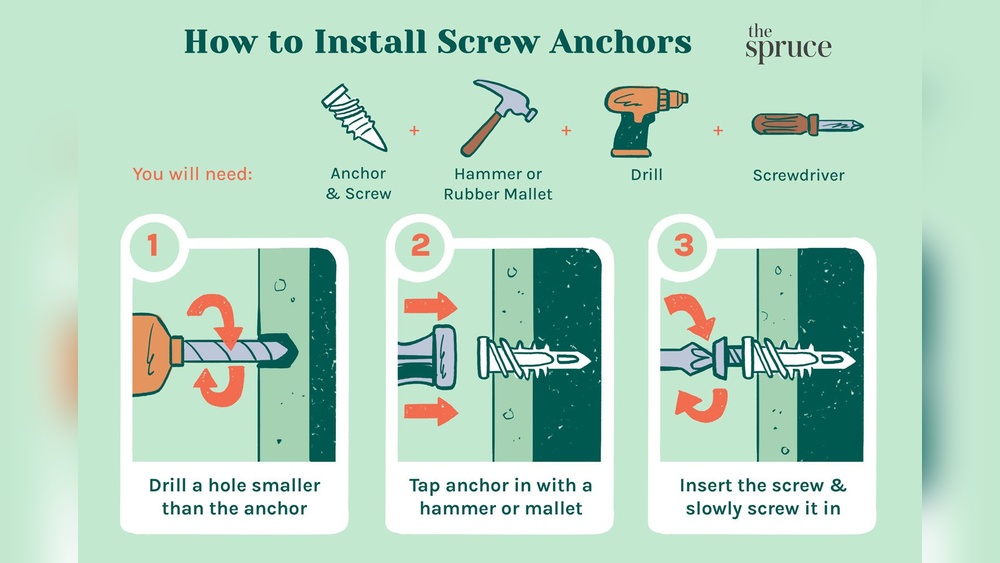
Plastic anchors work well for light objects. Start by pushing the anchor into the wall hole. Use a hammer to tap it gently until flush with the surface. Avoid pushing too hard to stop damage. Next, insert the screw into the anchor. Turn it slowly to tighten and hold the anchor firmly.
Setting Toggle Bolts
Toggle bolts hold heavy items on hollow walls. First, fold the bolt’s wings to fit through the hole. Push the bolt through the wall carefully. Once inside, the wings open wide behind the wall. Pull back gently to secure them. Tighten the bolt by turning the screw clockwise. This pulls the wings snug against the wall.
Securing Molly Bolts
Molly bolts expand inside the wall for strong support. Insert the bolt’s sleeve into the hole. Press it with your hand or a hammer until flush. Tighten the screw slowly. The sleeve expands behind the wall, locking in place. Remove the screw if needed, leaving the sleeve ready for use.
Securing Screws Without Damage
Securing screws without damage is key when using wall anchors without a drill. Careful handling protects walls and ensures a strong hold. Simple steps help avoid cracks and over-tightening. This section guides you to secure screws safely and firmly.
Hand Tightening Techniques
Use your hands to tighten screws slowly and gently. Turn the screw clockwise with steady pressure. Stop if you feel strong resistance. Avoid forcing the screw too hard. Hand tools like a screwdriver or a coin work well. This method reduces damage risk and keeps anchors in place.
Avoiding Wall Cracks
Place the anchor in the correct wall spot before starting. Use a small pilot hole or push the anchor in carefully. Tighten screws just enough to hold the item firmly. Over-tightening pulls on the wall and causes cracks. Check the wall surface often during the process. Soft walls need extra care and light pressure.
Safety Tips For Diy Wall Anchoring
Working on wall anchors without a drill can be tricky. Safety is the top priority. Taking simple steps helps avoid accidents and damage. Follow these safety tips for a smooth DIY wall anchoring experience.
Protective Gear
Wear safety glasses to protect your eyes from dust and debris. Gloves keep your hands safe from sharp edges. Use a dust mask to avoid breathing in particles. Proper gear reduces injury risks significantly.
Checking Wall Stability
Tap the wall gently to check its strength. Look for cracks or weak spots on the surface. Avoid anchoring on damaged or crumbly areas. A strong wall holds the anchor firmly and safely. Always test stability before starting any work.

Credit: www.reddit.com
Frequently Asked Questions
What Tools Do I Need To Install A Wall Anchor Without A Drill?
You need a hammer, a screwdriver, a wall anchor, and a pencil. These tools help you mark, insert, and secure the anchor safely.
Can I Use A Wall Anchor Without Making A Hole?
No, you must create a small hole or indentation for the anchor. Use a nail or screwdriver to make a starter hole before inserting the anchor.
Are Plastic Anchors Suitable For Drill-free Installation?
Yes, plastic anchors work well without a drill. They expand when hammered in, providing a secure hold for lightweight items.
How Do I Ensure The Wall Anchor Is Secure Without Drilling?
Tap the anchor gently with a hammer until flush with the wall. Then, screw in the fastener slowly to avoid loosening the anchor.
Conclusion
Using a wall anchor without a drill is simple and effective. You only need a few tools and some patience. This method helps hang items securely without noise or dust. It works well for light to medium loads. Always check the wall type before starting.
Follow the steps carefully for best results. Now, you can hang pictures, shelves, or decorations easily. Try this method next time you want a quick fix. It saves time and effort without special tools.