Are you struggling to figure out the right way to use shelf brackets? Whether you’re setting up new shelves or fixing old ones, knowing the rule on shelf brackets can save you time, money, and frustration.
The secret lies in understanding how much weight your brackets can hold and where to place them for maximum support. Keep reading, and you’ll discover simple, practical tips that make your shelves safe and sturdy—no guesswork needed. Your walls and belongings will thank you!
Credit: www.homedepot.com
Shelf Bracket Basics
Shelf brackets hold shelves securely on walls. They support the weight of items placed on shelves. Choosing the right shelf bracket is important for safety and style. Understanding the basics helps pick the best bracket for your needs.
Types Of Shelf Brackets
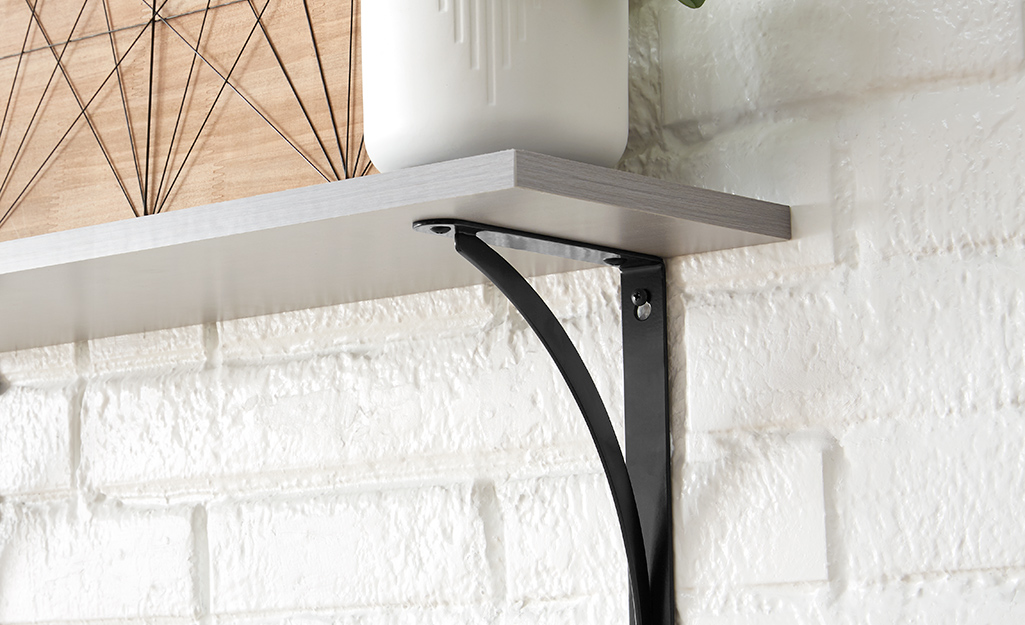
There are many types of shelf brackets. L-shaped brackets are common and simple. They fit under the shelf and attach to the wall. Floating brackets hide the support, giving a clean look. Decorative brackets add design and style to shelves. Heavy-duty brackets support very heavy shelves and items.
Materials Used
Shelf brackets come in several materials. Metal brackets are strong and last long. Steel and iron are popular metals for brackets. Wood brackets offer a natural, warm look. Plastic brackets are light and easy to install. Each material suits different styles and strengths.
Common Sizes
Shelf brackets come in many sizes. Small brackets hold light shelves or objects. Medium-sized brackets support everyday shelves. Large brackets carry heavy items or wide shelves. Choose a bracket size based on shelf length and weight. Proper size ensures safety and stability.

Credit: acumencollection.co.uk
Load Capacity Rules
Load capacity rules are essential for safe and effective shelf installation. They guide how much weight each bracket can hold. Following these rules prevents damage and accidents. Understanding these rules helps in choosing the right brackets and spacing.
Weight Limits Per Bracket
Each shelf bracket has a specific weight limit. This limit depends on the bracket’s size and material. Metal brackets often hold more weight than plastic ones. Always check the manufacturer’s weight rating before use. Overloading a bracket can cause it to bend or break.
Spacing Between Brackets
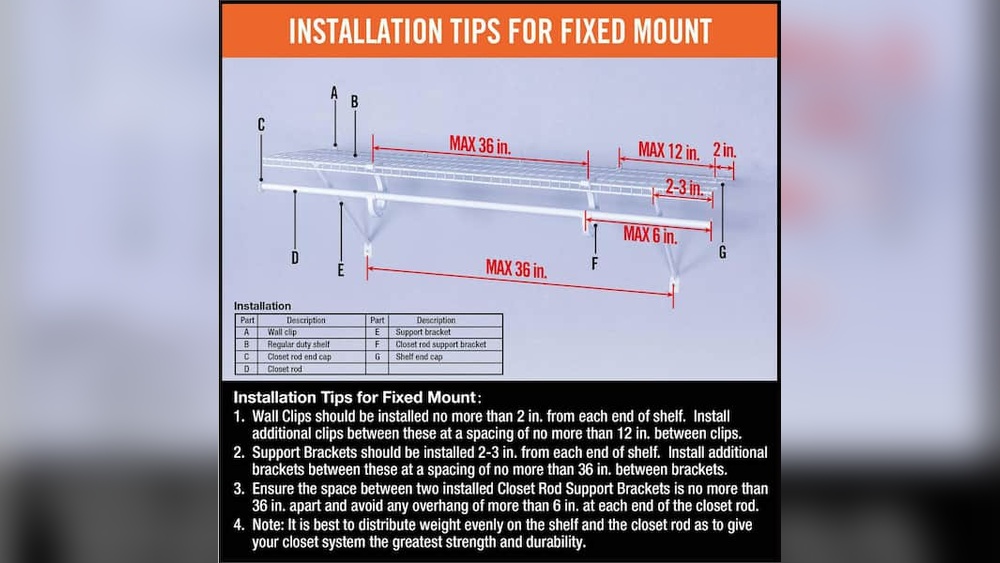
The distance between brackets affects shelf strength. Closer brackets support more weight and reduce bending. For heavy loads, place brackets 16 to 24 inches apart. Lighter loads allow wider spacing. Proper spacing ensures even weight distribution on the shelf.
Factors Affecting Load
Several factors influence how much weight a shelf can hold. Shelf material and thickness impact its strength. Wall type and anchor quality also matter. Wall studs provide better support than drywall alone. Load capacity decreases if brackets or shelves are weak.
Installation Guidelines
Installing shelf brackets correctly is key to a strong, safe shelf. Proper guidelines help avoid damage and ensure the shelf holds weight well. Follow simple steps to get it right.
Wall Types And Anchors
Different walls need different anchors. Drywall requires special anchors to hold weight. Concrete or brick walls need heavy-duty anchors or screws. Find the wall type first. Use anchors that fit the wall material. This prevents shelves from falling or loosening over time.
Proper Mounting Techniques
Mark the spots for screws carefully. Use a level to keep brackets straight. Drill pilot holes before inserting screws. Tighten screws firmly, but avoid over-tightening. Place brackets evenly to balance weight. Secure brackets directly into wall studs when possible. This gives the best support.
Tools Required
Gather tools before starting. You need a drill, level, screwdriver, and tape measure. Anchors and screws must match your wall type. A pencil helps mark spots. Having the right tools makes the job easier and safer.

Credit: rightonbracket.com
Safety Tips
Safety is the top priority when using shelf brackets. Proper use helps avoid accidents and damage. Follow these simple safety tips to keep shelves strong and secure.
Avoiding Overloading
Do not put too much weight on a shelf bracket. Check the weight limit before placing items. Heavy objects can cause brackets to bend or break. Spread weight evenly across the shelf for better support.
Regular Inspection
Look at your shelf brackets often. Check for cracks, rust, or loose screws. Tighten screws if they feel loose. Early detection helps prevent shelf failure. Replace brackets showing any signs of damage.
Handling Damaged Brackets
Do not use brackets that are bent or cracked. Remove damaged brackets immediately. Replace them with new, sturdy ones. Using broken brackets risks shelf collapse and injury.
Choosing The Right Brackets
Choosing the right shelf brackets is key to creating sturdy and attractive shelving. Brackets support the shelves and add style to your space. Picking the correct type means your shelves hold the weight and look good too.
Matching Brackets To Shelves
Brackets must fit the size and shape of your shelves. Large shelves need strong, wide brackets. Small shelves work well with lighter, smaller brackets. The material of the bracket should match or complement the shelf. Wood shelves look good with wooden or metal brackets. Glass shelves need metal brackets that hold tightly without damage.
Considering Shelf Purpose
Think about what the shelf will hold. Heavy items like books need heavy-duty brackets. Decorative items require brackets that focus on style. Kitchen shelves holding dishes need brackets that are both strong and easy to clean. For display shelves, choose brackets that do not hide the shelf’s beauty.
Aesthetic And Functional Choices
Brackets add to the room’s look and must be practical. Simple brackets work in modern spaces. Ornate brackets fit traditional or vintage rooms. Color and finish of brackets affect the overall style. Choose finishes that resist rust and wear for durability. Balance beauty with strength to get the best results.
Common Mistakes To Avoid
Many people make simple errors when installing shelf brackets. These mistakes cause shelves to be weak or unsafe. Avoiding these errors helps keep your shelves strong and stable. Read on to learn common mistakes and how to fix them.
Incorrect Placement
Placing shelf brackets too far apart reduces support. Shelves may sag or break under weight. Brackets should be spaced evenly and close enough to hold the load. Avoid placing brackets too close to the edge or too near each other.
Ignoring Weight Specifications
Each bracket has a weight limit. Ignoring this can lead to shelf failure. Choose brackets that can carry the shelf’s load. Overloading brackets causes bending or falling shelves. Always check the weight rating before buying.
Using Inappropriate Fasteners
Wrong screws or anchors weaken the hold. Use fasteners that fit the wall type and bracket holes. Drywall anchors are not strong enough for heavy shelves. Use wall plugs or toggle bolts for better support.
Frequently Asked Questions
What Is The Standard Rule On Shelf Brackets?
The standard rule is to use brackets that support at least twice the shelf load. Proper size and material ensure stability and safety.
How Far Apart Should Shelf Brackets Be Placed?
Shelf brackets should be spaced 16 to 24 inches apart. This spacing supports weight evenly and prevents shelf sagging.
What Weight Can Typical Shelf Brackets Hold?
Typical shelf brackets hold 20 to 100 pounds each, depending on size and material. Always check manufacturer weight ratings.
Can Shelf Brackets Be Used On Drywall?
Shelf brackets can be used on drywall only if anchored into studs. Use proper anchors to ensure secure installation.
Conclusion
Shelf brackets hold shelves firmly and safely. They come in many shapes and sizes. Choosing the right bracket depends on shelf weight and wall type. Proper installation keeps shelves stable and prevents accidents. Always check the bracket’s weight limit before use.
Simple rules help you build strong, lasting shelves. Now, you can pick and place shelf brackets with confidence. Solid shelves make any room look neat and organized.