Are you looking to control two lights separately with two switches but don’t know where to start? Connecting two lights to two switches might seem tricky, but with the right steps, you can easily make it happen yourself.
Imagine turning on each light exactly when you want, without getting up or dealing with complicated wiring. In this guide, you’ll find clear, simple instructions that anyone can follow. Keep reading, and you’ll soon have full control over your lighting setup—no electrician needed!
Tools And Materials Needed
Connecting two lights to two switches requires specific tools and materials. Having the right items helps complete the job safely and efficiently. This section lists all the essentials needed for this task.
Essential Tools
A screwdriver set is crucial for removing and installing switch covers. Wire strippers help expose the copper wire inside cables. A voltage tester ensures the power is off before starting work. Needle-nose pliers make bending and shaping wires easier. Electrical tape secures wire connections and prevents shorts.
Required Materials
You need two light fixtures suited for your space. Two single-pole switches control each light separately. Electrical wire, typically 14/2 or 12/2 gauge, connects switches and lights. Wire nuts join wires safely and keep connections stable. A junction box houses the wiring and protects connections.
Credit: www.reddit.com
Basic Electrical Safety Tips
Working with electrical wiring requires careful attention. Basic safety rules help prevent accidents and injuries. Follow these tips to stay safe while connecting lights and switches.
Turn Off Power At The Circuit Breaker
Always shut off power before starting any electrical work. Find the right breaker and switch it off. Use a tester to confirm no electricity flows in the wires.
Use Proper Tools And Equipment
Choose insulated tools made for electrical jobs. Avoid using damaged or worn-out equipment. Wear safety gloves and goggles to protect your hands and eyes.
Check Local Electrical Codes
Follow local rules for wiring and installations. Codes ensure safety and proper function. They also help avoid fines and rework.
Work In A Dry Environment
Keep your workspace dry at all times. Water and electricity create dangerous conditions. Never touch wires or switches with wet hands.
Label Wires Clearly
Mark each wire before disconnecting. This helps avoid confusion during reconnection. Clear labels reduce mistakes and improve safety.
Types Of Switches And Lights
Understanding the types of switches and lights helps connect two lights to two switches. Each switch and light type works differently. Choosing the right kind makes the wiring easier and safer.
Switches control the flow of electricity to lights. Lights come in various styles and functions. Knowing their types guides your connection process.
Types Of Switches
Single-pole switches are the most common. They control one light from one location. Double-pole switches handle higher power or two circuits.
Three-way switches allow control of one light from two places. Four-way switches add more control points. These are useful for hallways or large rooms.
Dimmer switches adjust the light brightness. They need compatible bulbs. Smart switches connect to Wi-Fi for remote control.
Types Of Lights
Incandescent bulbs produce warm light and use more power. LED bulbs are energy-saving and long-lasting. They come in many colors and brightness levels.
Fluorescent lights are bright but need special ballasts. Halogen bulbs offer bright, white light but run hot. Smart bulbs can change color and be controlled by apps.
Choosing light types depends on room use and wiring setup. Some switches work better with certain bulbs. Match the lights and switches for best results.

Credit: www.youtube.com
Wiring Configurations For Two Lights And Two Switches
Wiring two lights to two switches can be done in different ways. Each method controls the lights uniquely. Choosing the right wiring depends on how you want to use the switches and lights. Understanding the basics helps to set up the system safely and correctly.
Below are common wiring configurations used for two lights and two switches. These setups show how wires connect switches to lights. This guide explains each method with clear steps.
Single-pole Switch Wiring
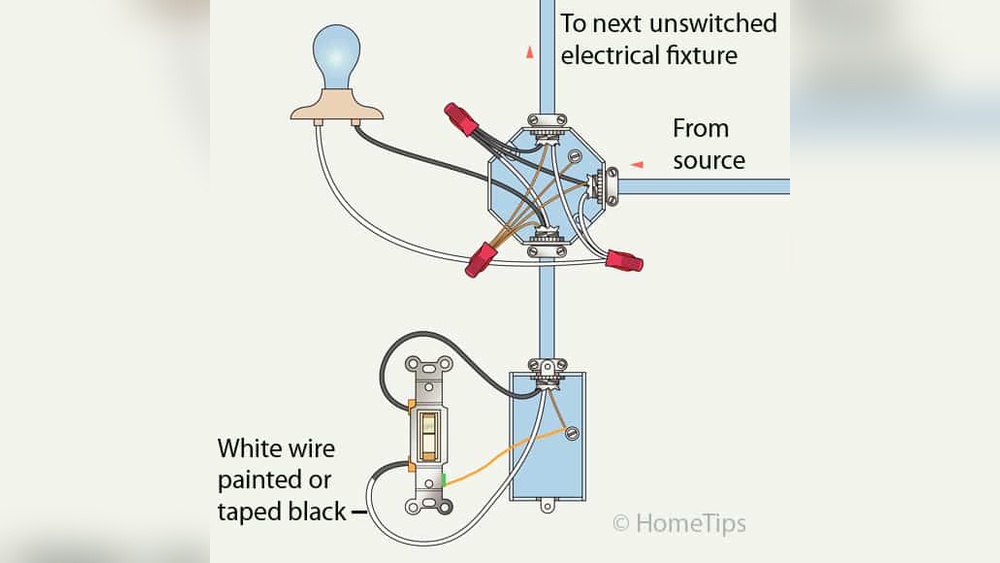
Single-pole switches control one light each. Each switch connects directly to its light. The power source runs to the switch first, then to the light. This wiring is simple and common in homes. It allows each light to turn on or off separately. Wires include hot, neutral, and ground for safety.
Three-way Switch Wiring
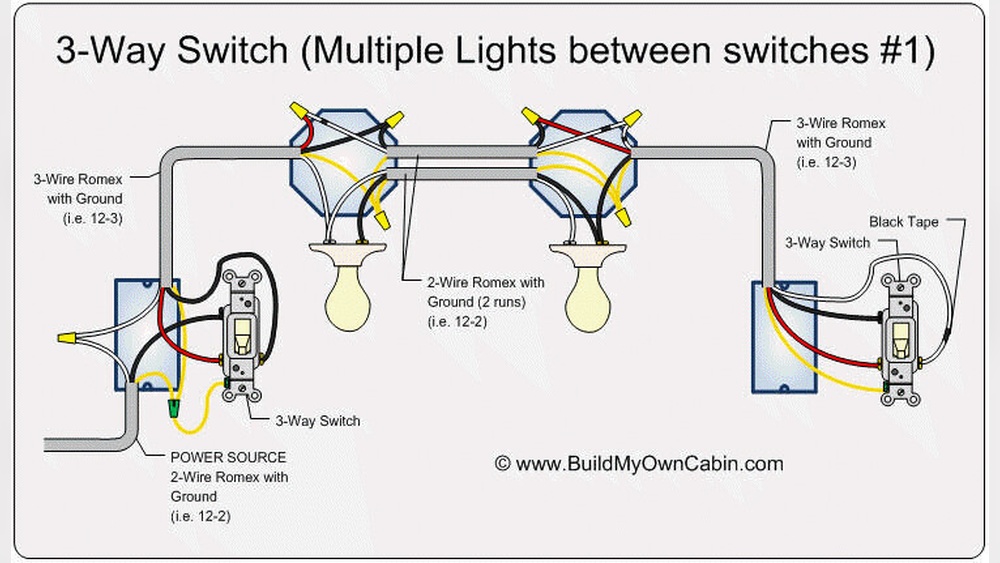
Three-way switches control one light from two different locations. Two switches connect to the same light. Travelers wires run between the switches, carrying current. This setup is useful for long hallways or big rooms. Only one light can be controlled this way. It needs special switches called three-way switches.
Independent Control Setup
Each switch controls its own light independently. The lights have separate wiring paths. The power source splits to supply both switches. This setup avoids interference between switches. It is the best choice for separate rooms or zones. Wiring uses standard single-pole switches for each light.
Step-by-step Wiring Process
Connecting two lights to two switches may seem tricky. Follow this step-by-step wiring process for clear guidance. Each step focuses on safety and accuracy to ensure your setup works well.
Turn Off Power Supply
Start by switching off the power at the circuit breaker. This step prevents electric shocks during wiring. Use a voltage tester to confirm no electricity flows in the wires.
Identify Wires And Connections
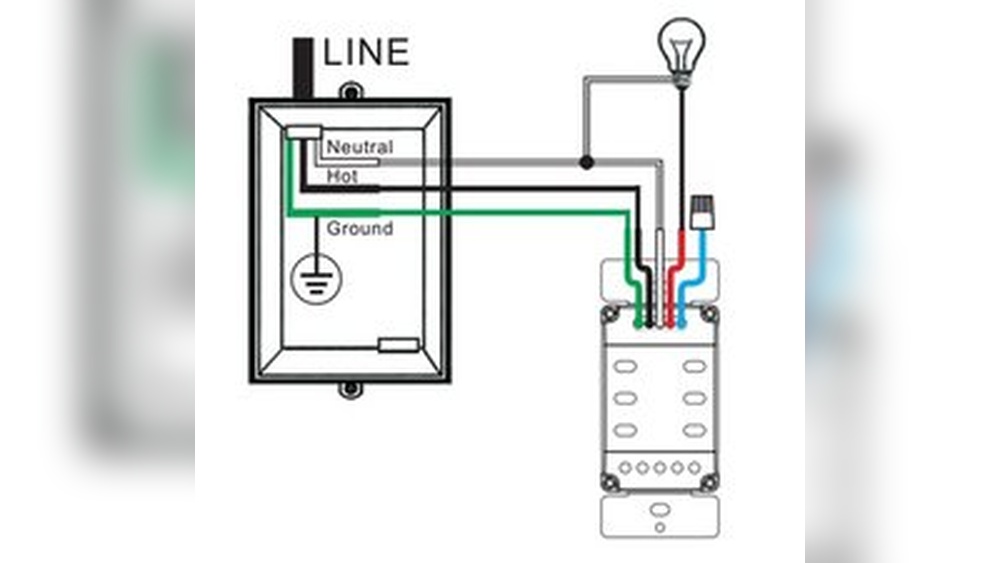
Look at the wires carefully. Identify the live, neutral, and ground wires. Use labels or colored tape to mark them. This helps avoid confusion during connection.
Connect Switches To Power Source
Attach the live wire from the power source to the first switch’s input terminal. Repeat for the second switch with another live wire or a split from the main line. Tighten screws to secure wires firmly.
Wire Lights To Switches
Connect the output terminal of each switch to its corresponding light. Attach neutral wires from lights to the main neutral line. Connect ground wires from switches and lights to the grounding system.
Secure Connections And Test
Check all wire connections for tightness. Use wire nuts or terminal blocks for safety. Restore power and test each switch to confirm lights operate correctly.

Credit: diy.stackexchange.com
Common Mistakes To Avoid
Connecting two lights to two switches sounds simple but often leads to mistakes. These errors cause lights not to work or create safety problems. Avoiding common pitfalls saves time and keeps your home safe.
Understanding these mistakes helps you plan and wire correctly. Take care with each step to ensure a smooth installation.
Incorrect Wiring Of Switches
Wiring switches incorrectly is the most frequent error. Connecting the wrong wires causes switches to fail or short circuit. Always match the live and load wires properly. Label wires before disconnecting them to avoid confusion.
Ignoring Electrical Codes And Safety
Ignoring safety rules risks electric shock or fire. Use cables rated for your circuit. Turn off power before starting work. Follow local electrical codes strictly to avoid fines and hazards.
Using The Wrong Type Of Switches
Not all switches work with two lights. Use single-pole or double-pole switches based on your wiring needs. Using the wrong switch can cause lights to flicker or not turn off.
Skipping Testing Before Finalizing
Not testing the circuit before closing walls causes costly repairs. Test switches and lights with a voltage tester or multimeter. Fix any problems early to avoid rework.
Failing To Use Proper Tools
Using poor tools makes wiring harder and less safe. Use insulated screwdrivers, wire strippers, and voltage testers. Good tools help make clean, secure connections.
Troubleshooting Tips
Troubleshooting connections between two lights and two switches can be tricky. Small mistakes cause the whole setup to fail. Knowing common problems and fixes saves time and effort.
Check wiring carefully. A loose wire can stop the lights from working. Use a voltage tester to find power at the switches and lights.
Check The Power Source And Circuit Breaker
First, ensure the power is on. Check the circuit breaker for tripped switches. Reset it if needed. No power means no light.
Verify Switch Wiring Connections
Look at the switches closely. Each wire must be in the right terminal. Switches usually have common and traveler terminals. Wrong wires cause lights not to respond.
Test Each Light Bulb
Simple but often missed. Replace bulbs with new ones. Faulty bulbs stop light from working. Test each bulb separately for safety.
Use A Continuity Tester For Wires
Check wires for breaks or damage. A continuity tester shows if wires connect properly. Broken wires need replacement or repair.
Inspect Switches For Damage
Old or faulty switches may fail. Feel if the switch clicks. Replace any switch that feels loose or doesn’t click.
When To Call A Professional
Complex wiring or unclear instructions call for a professional’s help. Mistakes can cause electrical hazards or damage. Trust an expert to ensure safe and proper connections.
Signs That You Need Professional Help
Working with electrical wiring can be risky. Some problems are not easy to spot. Flickering lights, frequent breaker trips, or burning smells mean trouble. These signs suggest a professional should check your wiring. Avoid guessing or fixing without proper knowledge.
Complex Wiring Layouts
Connecting two lights to two switches might seem simple. But complex wiring needs skill and experience. Multiple wires, switches, and circuit types can confuse any beginner. Professionals know how to handle tricky connections safely. This reduces the risk of short circuits or damage.
Safety And Code Compliance
Electricity can cause fires or shocks. Local building codes set rules for safe wiring. Professionals understand these rules well. They ensure the work passes inspections. This keeps your home safe and legal. DIY work might miss important safety steps.
Tools And Equipment
Proper tools make wiring easier and safer. Professionals have special tools for testing and installing. They can find hidden problems fast. Using the wrong tool can cause damage or injury. A pro’s gear helps avoid these issues.
Time And Peace Of Mind
Wiring takes time and patience. Mistakes lead to delays and extra costs. Professionals finish the job quickly and correctly. This saves you stress and effort. You get reliable lighting without worry.
Frequently Asked Questions
How Do I Wire Two Lights To Two Switches?
To wire two lights to two switches, connect each switch to its respective light. Use separate wires for each switch-light pair. Ensure the power source is connected to the switches first, then run wires from switches to lights for independent control.
Can I Control Two Lights From Two Switches Separately?
Yes, you can control two lights from two switches independently. Each switch must have its own wiring to the corresponding light fixture. This setup allows you to turn each light on or off without affecting the other.
What Tools Do I Need To Connect Two Lights To Switches?
You need a screwdriver, wire strippers, electrical tape, voltage tester, and wire nuts. Also, use proper gauge electrical wire for safety. These tools help you safely and effectively connect two lights to two switches.
Is It Safe To Connect Two Lights To One Switch Box?
Yes, it is safe if done correctly. Ensure the switch box can accommodate all wiring and follow local electrical codes. Proper insulation and secure connections prevent hazards when connecting two lights to one switch box.
Conclusion
Connecting two lights to two switches is simple with the right steps. Always turn off power before starting any work. Use proper wiring techniques to keep everything safe. Test each switch after installation to ensure it works well. Taking time and following instructions helps avoid common mistakes.
This setup gives you easy control over your lights. Now, you can light your rooms just the way you want. Enjoy the convenience and safety of your new switches!