Have you ever wondered if your light switch is placed at the right height? It might seem like a small detail, but the height of your light switch can make a big difference in comfort and convenience.
Whether you’re renovating your home or just curious, knowing how far off the ground a light switch should be can save you from awkward reaching or bending. You’ll discover the ideal height that works for everyone, making your space more user-friendly and safe.
Keep reading to find out the simple guidelines that can improve your daily life with just a small change.

Credit: diy.stackexchange.com
Standard Height For Light Switches
Setting the right height for light switches is important for safety and convenience. The standard height helps most people reach the switch without trouble. Builders follow these standards to make homes comfortable and accessible.
Typical Measurements In Residential Settings
Most light switches are installed about 48 inches (4 feet) from the floor. This height works well for adults and older children. It keeps the switch easy to find and use. Some builders place switches between 44 and 48 inches. This small range fits most homes and users. The height also avoids placing switches too close to the ceiling or floor.
Variations By Country And Region
Different countries have different rules for switch height. In the United States, 48 inches is common. In the United Kingdom, switches may be slightly lower, around 42 to 48 inches. Some European countries prefer about 47 inches. These differences depend on local building codes and customs. Always check local rules before installation.
Factors Influencing Switch Height
Choosing the right height for a light switch depends on many factors. These factors help make sure the switch is easy to use and follows the rules. Understanding these points helps you place the switch at the best height.
Each room and user may need a different switch height. The goal is comfort, safety, and convenience for everyone.
Accessibility And Ergonomics
Switch height must be easy to reach for all users. People with disabilities or children need special attention. Placing switches between 42 to 48 inches from the floor often works well. This range fits most people’s reach without bending or stretching.
Ergonomics means making the switch comfortable to use. It reduces strain on the arm and wrist. A well-placed switch helps avoid accidents and frustration.
Building Codes And Regulations
Local building codes set rules for switch height. These rules ensure safety and accessibility. Many places follow standards like the Americans with Disabilities Act (ADA).
Codes may require switches at a specific height, usually around 48 inches. Following these rules avoids legal problems and keeps your home safe.
Room Function And User Needs
The purpose of a room affects switch height. In kitchens or garages, switches may be higher to avoid water or dirt. In bedrooms or living rooms, comfort is key.
Think about who uses the room most. Children’s rooms may need lower switches. For guest rooms, a standard height works well.
Adjusting Height For Accessibility
Adjusting the height of a light switch is important for everyone to use it easily. This is especially true for people with disabilities or limited reach. Proper switch height helps create a more comfortable and accessible home or workspace. It ensures that all users can operate light switches without trouble.
Considerations For People With Disabilities
People with disabilities may have difficulty reaching or bending. Setting light switches lower can help those in wheelchairs. Switches should be easy to see and touch. Avoid placing switches too high or too far from doorways. Think about the type of disability and the user’s needs. This makes daily tasks simpler and safer.
Ada Compliance Guidelines
The Americans with Disabilities Act (ADA) gives clear rules for switch height. It says switches must be between 15 and 48 inches from the floor. This range works for most wheelchair users and people standing. Following ADA rules helps buildings meet legal standards. It also improves usability for all visitors and residents.

Credit: www2.ljworld.com
Switch Height In Commercial Buildings
Switch height in commercial buildings differs from homes. It follows specific rules to ensure safety and ease of use. Proper height helps all people, including those with disabilities. This section explores how commercial switch height varies from residential standards and what special rules apply to public spaces.
Differences From Residential Standards
In homes, light switches usually sit about 48 inches from the floor. Commercial buildings often set switches higher, around 42 to 48 inches. This range fits most adults comfortably. The height also meets building codes that focus on safety and accessibility. Switches in commercial spaces must be easy to find and reach quickly. This helps workers and visitors move safely and efficiently.
Special Requirements For Public Spaces
Public spaces must follow stricter rules for switch height. These rules come from the Americans with Disabilities Act (ADA). Switches should be between 15 and 48 inches high. This allows people in wheelchairs or with limited reach to use them. Switches must also be easy to operate without tight gripping. Clear labeling and good lighting near switches improve usability. Meeting these standards ensures all visitors can control lighting safely.
Installation Tips For Proper Height
Setting the right height for a light switch is key for ease and safety. Proper height helps everyone reach the switch comfortably. It also makes your home look neat and well planned. Follow these tips to install your light switch at the perfect height.
Measuring And Marking Correct Placement
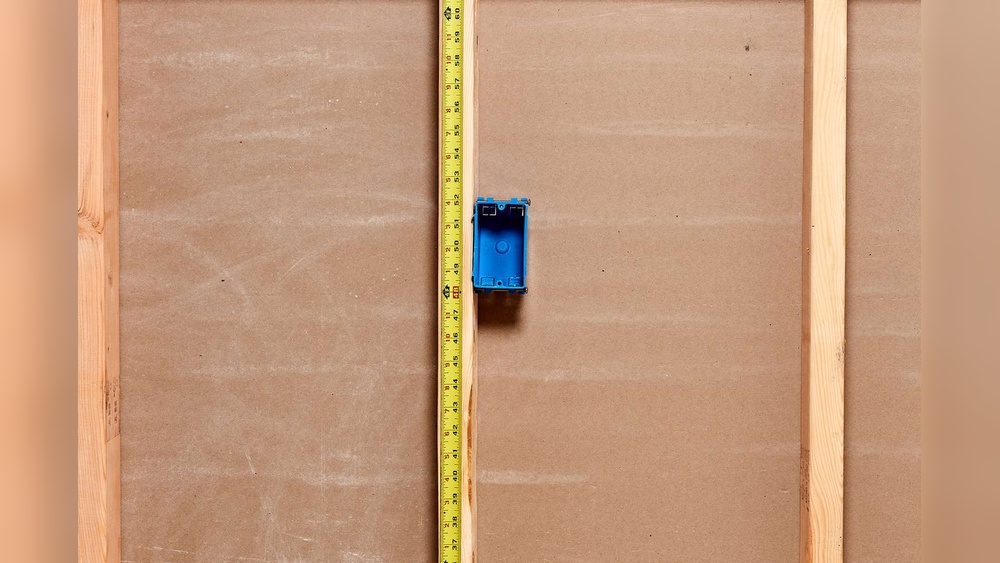
Start by measuring from the floor up to the switch height. The standard height is usually around 48 inches. Use a tape measure for accuracy. Mark the spot clearly with a pencil. Double-check your measurement before drilling or cutting. Marking the exact spot saves time and avoids mistakes.
Tools And Techniques For Accuracy
Use a level to ensure the switch is straight. A carpenter’s level is easy to use and reliable. Hold the level against the wall before marking. Use a stud finder to avoid wiring or pipes inside the wall. Drill carefully and avoid rushing the process. Taking time ensures a neat and safe installation.
Common Mistakes To Avoid
Installing light switches seems simple but many make common mistakes. These errors affect safety and convenience. Knowing what to avoid helps ensure switches work well for everyone.
Switches Too High Or Too Low
Placing switches too high makes them hard to reach for kids and short adults. Too low, and bending down becomes annoying. The ideal height is usually between 42 and 48 inches from the floor. This range fits most people comfortably. Avoid extremes to keep switches easy to use.
Ignoring Local Codes
Local building codes set rules for switch height and placement. Ignoring these rules can cause problems during inspections. It may also create safety risks. Always check local codes before installation. Following rules ensures compliance and safety for everyone.
Future Trends In Light Switch Placement
Light switch placement is changing with new technology and design ideas. The height and location of switches will adapt to meet modern needs. This affects comfort, convenience, and how people use their homes.
Future trends focus on easy access and smart features. Switches may no longer be just simple buttons on a wall. They could be part of a larger system that improves daily life.
Smart Home Integration
Smart home systems allow control of lights from phones or voice commands. Switches may blend with these systems, reducing the need to touch physical buttons. Users can set lights to turn on or off automatically. This changes how high switches need to be placed.
Switches might be placed lower or higher, or removed altogether. The focus shifts to ease of use and connectivity with smart devices. Homes become more efficient and user-friendly with this technology.
Touch And Motion Sensor Switches
Touch and motion sensor switches are growing in popularity. They activate lights when a hand or body moves near them. This allows for switch placement that suits the room’s design.
These switches can be placed at different heights, based on room use. Lower placements help children or people with disabilities. Motion sensors add convenience and save energy by turning lights off automatically.
Future light switches focus on comfort and smart control. Placement will depend more on technology than traditional rules.
:max_bytes(150000):strip_icc()/height-to-install-switches-1152823-2a1e62d29a9a4d448b2b44f1731cd5d1.png)
Credit: www.thespruce.com
Frequently Asked Questions
How High Should A Light Switch Be Installed?
A light switch is typically installed 48 inches from the floor. This height is standard for easy access by most adults. It ensures convenience and compliance with building codes. Adjustments may be made for accessibility needs or specific room layouts.
Why Is Light Switch Height Important?
Proper height ensures comfort and accessibility. It prevents strain when reaching the switch. Correct placement aligns with safety standards. It also enhances the room’s overall functionality and user experience.
Are There Standard Regulations For Switch Height?
Yes, building codes usually require switches to be 48 inches above the floor. This standard promotes consistency and accessibility. Regulations may vary slightly by region. Always check local codes before installation.
Can I Install Switches Lower For Children?
Yes, switches can be installed lower to accommodate children. Heights around 36 inches allow easier access for kids. This customization improves usability and safety in child-friendly spaces.
Conclusion
Choosing the right height for a light switch matters. It makes your home easier to use and safer. Most switches go about 48 inches from the floor. This height fits most people’s reach. Keep in mind any special needs or local rules.
A well-placed switch adds comfort and convenience every day. Small details like this improve your living space a lot. Take time to measure and plan before installation. That way, your light switch works perfectly for everyone. Simple and smart choices make a big difference.