Have you ever struggled to hang a picture, fix a loose object, or secure decorations without messy glue or nails? If so, double sided mounting tape might be the simple solution you’ve been missing.
This handy tool offers a clean, strong, and easy way to stick things together without any hassle. You’ll discover exactly what double sided mounting tape is, how it works, and why it could change the way you tackle your next project.
Keep reading to learn how this small strip of tape can make a big difference in your everyday tasks.
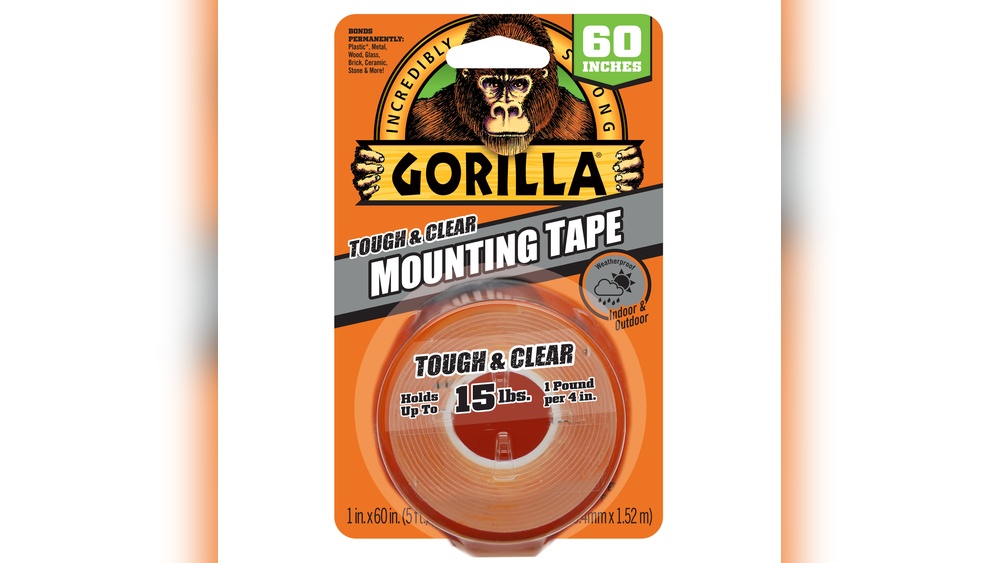
Credit: www.walmart.com
Double Sided Mounting Tape Basics
Double sided mounting tape is a simple yet powerful tool. It sticks two surfaces together without nails or screws. This tape has adhesive on both sides. It creates a strong bond for mounting and fixing objects. Understanding its basics helps in choosing the right tape for your needs.
Material Composition
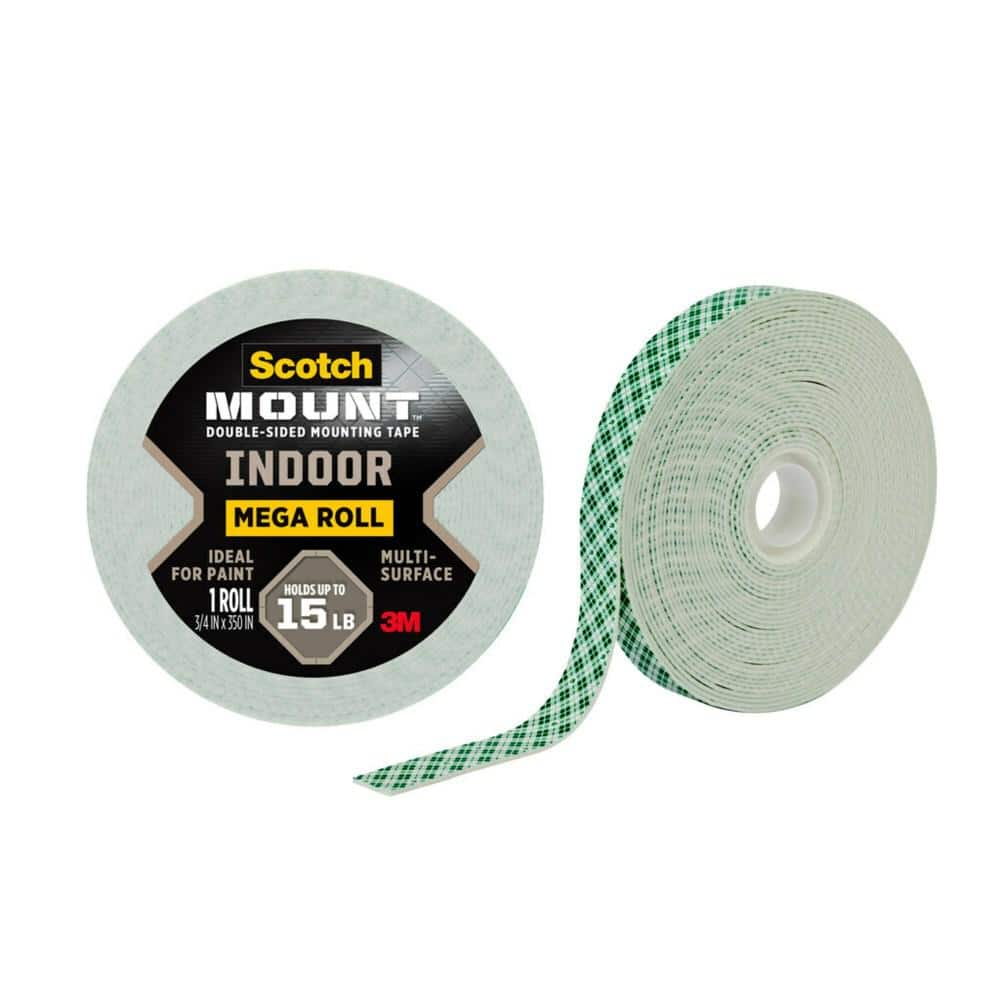
Double sided mounting tape is made of a thin carrier layer. This carrier can be foam, film, or tissue. Both sides are coated with adhesive. The adhesive can be acrylic, rubber, or silicone-based. Each type offers different strength and durability. Foam tapes are soft and flexible. Film tapes are thin and clear. Tissue tapes are thin and paper-like.
Types Of Double Sided Tape
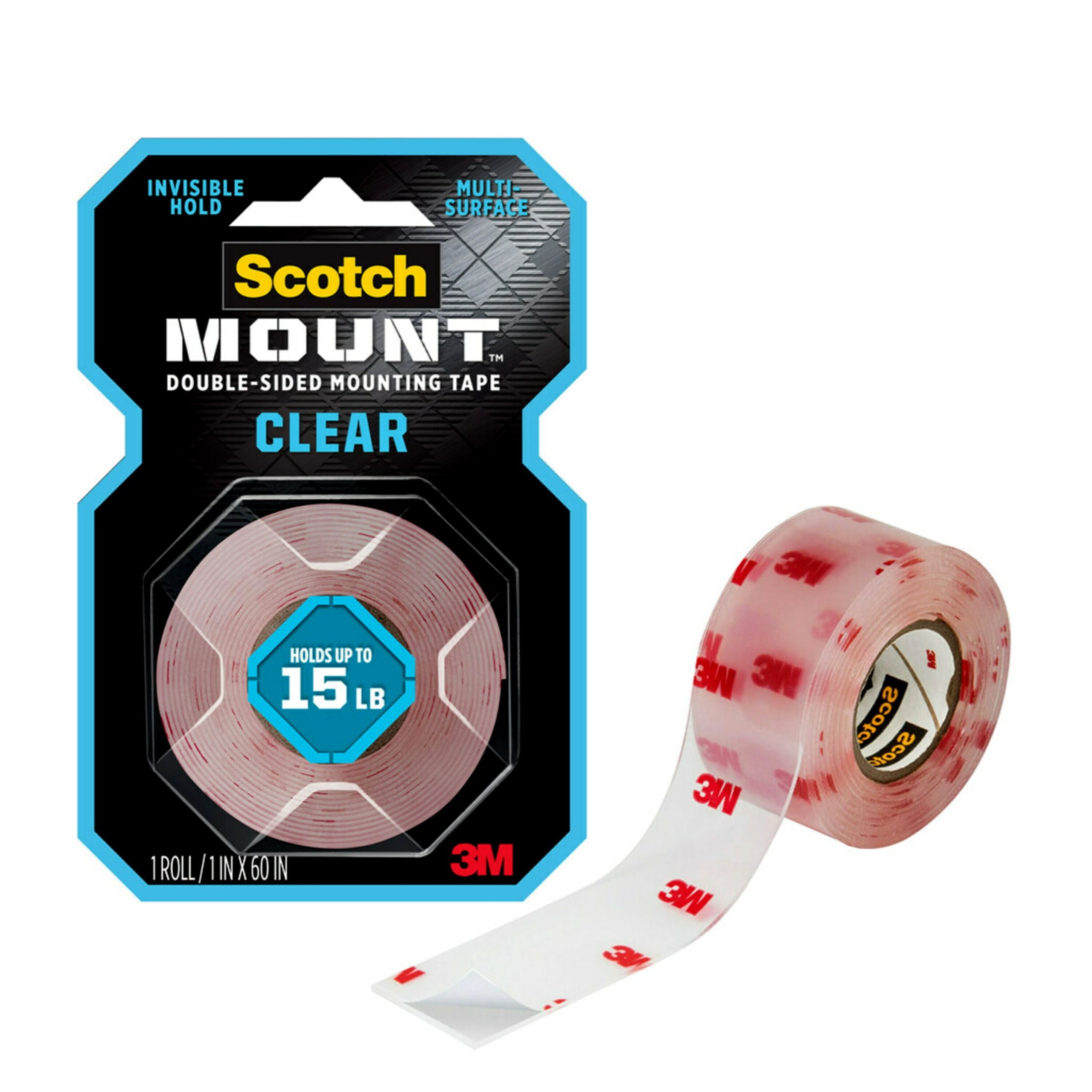
There are many types of double sided tapes. Foam tapes provide cushioning and fill gaps. Clear tapes are invisible and good for glass. High bond tapes offer extra strong adhesion. Removable tapes allow easy removal without damage. Some tapes resist water, heat, or UV light. Choose the type that fits your project needs.
Common Uses
People use double sided mounting tape for many tasks. It mounts pictures, hooks, and signs on walls. It bonds metal, plastic, and glass parts. It replaces nails in crafts and DIY projects. It fixes carpets and floor mats. It also helps in automotive and electronic assembly. The tape holds objects firmly without visible fasteners.
How Double Sided Mounting Tape Works
Double sided mounting tape sticks two surfaces together using strong adhesives on both sides. It creates a hidden bond that holds items without nails or screws. The tape’s design allows it to attach firmly while staying thin and flexible.
Understanding how this tape works helps you choose the right type for your needs. The tape’s success depends on the adhesive, surface type, and conditions where it is applied.
Adhesive Properties
The tape uses special glue on both sides. This glue is sticky and fast drying. It can hold heavy objects or light decorations. Some adhesives work better on rough surfaces, others on smooth ones. The glue also resists heat, water, and aging to keep the bond strong.
Surface Compatibility
The tape works best on clean, dry, and smooth surfaces. It sticks well to glass, metal, wood, and plastic. Rough or dusty surfaces reduce the tape’s grip. Some tapes have a foam layer to fill gaps on uneven surfaces. This helps the tape hold better and last longer.
Bonding Strength Factors
Several things affect how strong the tape sticks. Pressure helps the tape bond tightly to both surfaces. The temperature also matters; too cold or hot can weaken the glue. The weight and size of the item affect holding power too. Choosing the right tape type matches the job’s needs for strong, lasting results.
Choosing The Right Tape
Choosing the right double sided mounting tape is important for a strong hold. Different tapes suit different tasks. The tape must fit the surface and conditions. Knowing the right type helps avoid damage and failure.
Indoor Vs Outdoor Use
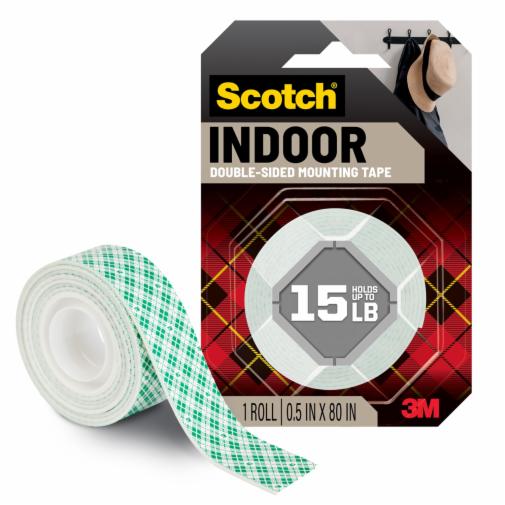
Indoor tapes work well on smooth, clean surfaces. They do not need to resist weather. Outdoor tapes must handle sun, rain, and wind. These tapes are stronger and water-resistant. Use outdoor tape for garden or porch projects.
Weight And Load Considerations
Check the weight of the item to mount. Light objects need light or medium strength tape. Heavy objects require strong, high-bond tapes. Overloading weak tape causes falls and damage. Always choose tape that supports the item’s weight safely.
Temperature And Moisture Resistance
Temperature changes affect tape strength. Some tapes lose stickiness in heat or cold. Moisture can weaken many tapes too. Select tape that resists moisture for bathrooms or kitchens. Heat-resistant tape suits hot environments. Match tape features to the environment for best results.
Application Tips For Strong Bonds
Double sided mounting tape works best with careful application. Small steps create strong, lasting bonds. Follow these tips to get the best hold from your tape.
Surface Preparation
Clean the surface well before applying the tape. Dirt, dust, and grease stop tape from sticking. Use rubbing alcohol or soap and water. Let the surface dry completely. Smooth, dry surfaces hold tape better. Rough or uneven surfaces can cause weak bonds.
Proper Tape Application
Cut tape to the right size for your project. Peel off the backing carefully. Press the tape firmly onto the first surface. Avoid touching the sticky side with your fingers. Then remove the other backing and press the second surface. Ensure full contact without air bubbles.
Curing Time And Pressure
Apply pressure after placing the tape. Use a roller or firm hand press. Hold for at least 30 seconds to activate the adhesive. Let the bond cure for several hours. Avoid moving or stressing the tape during this time. The longer the cure, the stronger the bond.
Removing Double Sided Tape
Removing double sided tape can be tricky. It sticks firmly to many surfaces. Removing it wrong can cause damage or leave sticky residue behind. Knowing safe and effective methods makes the process easier and cleaner. Here are some tips to remove double sided tape without problems.
Safe Removal Techniques
Start by peeling the tape slowly from one edge. Pull the tape back at a low angle. This helps reduce surface damage. Use your fingers or a plastic scraper to lift the tape. Avoid sharp tools that can scratch surfaces. For stubborn tape, warm it slightly with a hair dryer. Heat softens the adhesive, making removal easier.
Residue Cleanup
Sticky residue often remains after tape removal. Use rubbing alcohol or adhesive remover on a soft cloth. Gently rub the residue until it dissolves. Test the cleaner on a small area first. Avoid harsh chemicals that can harm the surface. Wipe the area with a damp cloth after cleaning. This removes any leftover cleaner and residue.
Preventing Surface Damage
Be gentle while removing tape to protect paint and finishes. Avoid pulling tape too fast or at sharp angles. Always use soft tools instead of metal blades. Heat helps loosen adhesive without scraping. Clean residue carefully with mild solvents. Take time and patience to keep surfaces safe and clean.
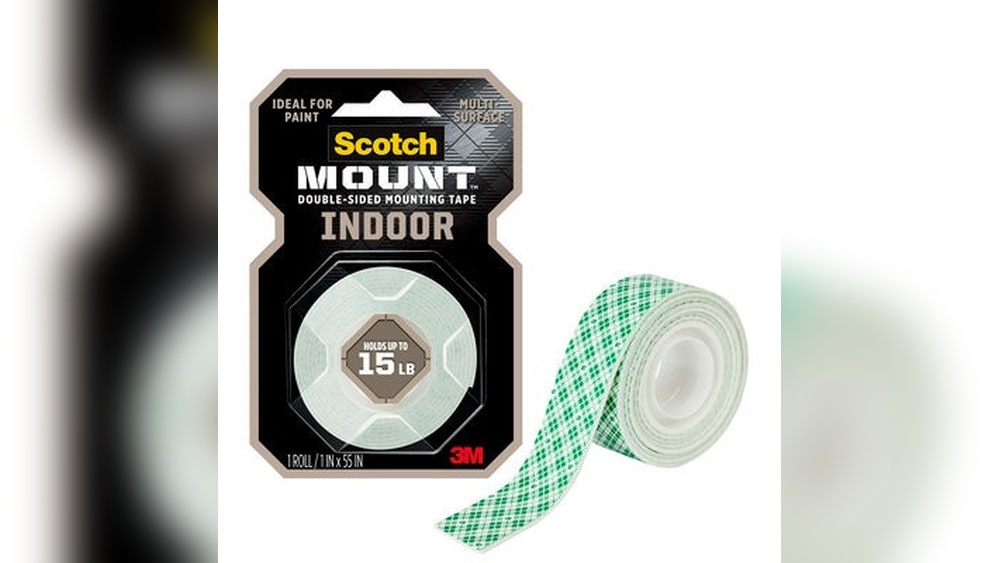
Credit: www.scotchbrand.com
Common Mistakes To Avoid
Double sided mounting tape is a handy tool for many projects. Yet, some common mistakes can cause it to fail. Avoiding these errors helps the tape stick better and last longer. Here are key mistakes to watch out for.
Using On Unsuitable Surfaces
Double sided tape works best on clean, smooth surfaces. Rough or porous materials like brick or fabric reduce its hold. Avoid using tape on wet, oily, or dusty surfaces. These conditions stop the tape from sticking well.
Ignoring Weight Limits
Every tape has a weight limit. Using tape for heavy items can cause them to fall. Check the tape’s packaging for weight guidelines. Use stronger tape or other mounting methods for heavy objects.
Skipping Surface Prep
Clean the surface before applying tape. Dirt and grease block adhesion. Use rubbing alcohol or a mild cleaner to wipe the area. Let it dry completely before sticking the tape. This step improves the tape’s grip.
Comparing With Other Adhesives
Double sided mounting tape is popular for sticking things without nails or screws. It offers a neat, clean look and strong hold. Comparing it to other adhesives helps choose the best option for your needs.
Glue Vs Tape
Glue creates a strong bond but can be messy. It takes time to dry and may damage surfaces. Double sided tape is ready to use and less messy. It works instantly and is easy to remove. Tape suits lightweight items better than glue.
Velcro And Mounting Strips
Velcro allows easy removal and repositioning. It is good for items you move often. Mounting strips hold heavier objects and leave no marks. Double sided tape is thinner and less visible. It sticks flat surfaces well but lacks repositioning ability.
Pros And Cons
Double sided tape is quick and clean to use. It holds well on smooth surfaces. It may not work on rough or heavy items. Glue is strong but harder to control. Velcro is reusable but bulkier. Mounting strips are strong but thicker.
Credit: www.homedepot.com
Frequently Asked Questions
What Is Double Sided Mounting Tape Used For?
Double sided mounting tape is used to bond two surfaces without visible fasteners. It’s ideal for hanging pictures, securing signs, and attaching lightweight objects. The tape offers strong adhesion and a clean finish, making it perfect for both home and office applications.
How Strong Is Double Sided Mounting Tape?
Double sided mounting tape provides a strong, durable bond suitable for various materials. It can hold objects weighing from a few ounces to several pounds, depending on the tape type. Its strength makes it reliable for both temporary and semi-permanent mounting needs.
Can Double Sided Tape Be Used Outdoors?
Yes, many double sided mounting tapes are designed for outdoor use. They resist moisture, UV rays, and temperature changes. However, it’s important to check the product specifications to ensure it’s suitable for your specific outdoor application.
How Do You Remove Double Sided Mounting Tape?
To remove double sided mounting tape, gently peel it off from the surface. If residue remains, use rubbing alcohol or adhesive remover to clean it. Avoid harsh scraping to prevent surface damage.
Conclusion
Double sided mounting tape holds things together without nails or screws. It works on many surfaces like metal, wood, and plastic. The tape is strong, thin, and easy to use. It saves time and keeps surfaces clean. You can trust it for small repairs or creative projects.
This tape offers a simple way to stick items securely. Try it next time you need fast, neat mounting.