Are you wondering if mounting tape can hold strong on brick surfaces? You’re not alone.
When it comes to hanging pictures, decorations, or even small fixtures, brick walls often seem tricky. You might ask yourself, “Will the tape stick well, or will it fall off? ” This question is important because you want your items to stay put without damaging your brick.
You’ll discover the truth about how mounting tape works on brick and what you can do to make sure your items stay firmly in place. Keep reading to find out the best tips and tricks for a secure hold on brick walls.
Types Of Mounting Tape
Mounting tape comes in several types, each made for different surfaces and weights. Choosing the right tape helps ensure it sticks well on brick. The main types include foam tape, acrylic tape, and heavy-duty bonding tape. Each has unique features for various needs.
Double-sided Foam Tape
This tape is soft and thick. It sticks well to rough surfaces like brick. The foam helps fill gaps between the tape and brick. It holds light to medium objects securely. Foam tape is easy to cut and apply.
Clear Acrylic Tape
Clear acrylic tape is strong and nearly invisible. It works best on smooth brick surfaces. This tape resists water and heat well. It holds medium-weight items firmly. Acrylic tape offers a clean look without bulk.
Heavy-duty Bonding Tape
This tape is the strongest of all. It bonds tightly to rough and uneven brick. Ideal for heavy objects like shelves or decorations. Heavy-duty tape can hold weight for a long time. It may be harder to remove but very reliable.
Credit: www.reddit.com
Brick Surface Characteristics
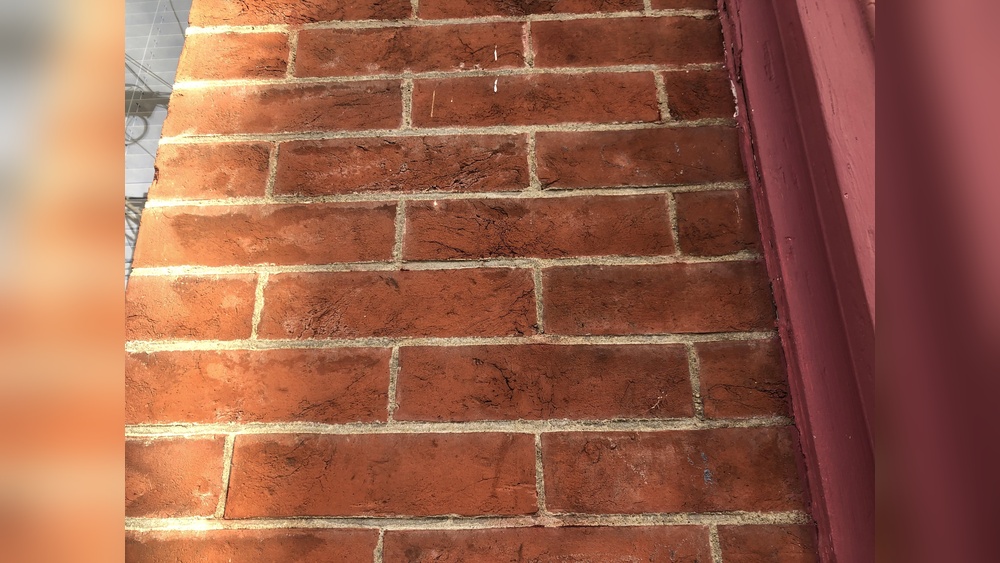
Understanding the brick surface is key to knowing if mounting tape will stick well. Bricks have unique qualities that affect adhesion. These qualities include how porous and textured the surface is. Also, the surface’s cleanliness and dryness play a big role.
Each factor changes how well tape can hold on the brick. Let’s explore these characteristics in detail.
Porosity And Texture
Bricks are porous, meaning they have tiny holes and gaps. These holes can trap air or moisture. Tape may not stick strongly on such uneven surfaces.
Rough textures make it harder for tape to form a tight bond. Smooth bricks offer better contact for tape. Porous and rough surfaces reduce tape’s sticking power.
Cleanliness And Dryness
Dust, dirt, and grease on bricks block tape adhesion. Clean surfaces help tape stick firmly. Make sure to wipe bricks before applying tape.
Moisture also weakens tape grip. Dry bricks improve tape’s hold. Wet or damp surfaces make tape peel off quickly.
Tape Adhesion On Brick
Mounting tape can stick to many surfaces, but brick is tricky. Brick is rough and uneven, making tape adhesion difficult. The surface texture and material affect how well tape holds. Understanding these factors helps in choosing the right tape and preparation methods.
Not all tapes work well on brick. Some tapes lose grip quickly. The right tape and surface prep improve stickiness and durability.
Factors Affecting Stickiness
Brick’s rough surface reduces tape contact area. Less contact means weaker hold. Dust and dirt on brick block adhesion. Moisture in brick also weakens tape grip. Smooth, clean, and dry bricks increase stickiness. Temperature plays a role too; extreme cold or heat can affect tape performance.
Type of tape matters. Double-sided foam tapes work better on rough surfaces. Acrylic-based tapes offer stronger bonds. Consider tape thickness and flexibility for better grip on uneven brick.
Common Challenges
Uneven brick surfaces cause air pockets under tape. Air pockets reduce adhesion strength. Dust and loose particles prevent tape from sticking firmly. Moisture inside brick can cause tape to peel off. Sunlight and weather exposure degrade tape quickly. Removing tape can damage brick or leave residue behind.
Choosing the wrong tape or ignoring surface prep leads to failure. Testing a small area helps find the best tape for brick. Proper cleaning and drying improve chances of success.

Credit: uk.gorillaglue.com
Preparation For Better Hold
Preparing the brick surface properly increases the tape’s grip. Mounting tape sticks better on clean, dry, and smooth surfaces. Bricks can be rough and dusty, so preparation is key. Follow simple steps to get a stronger hold and longer-lasting results.
Cleaning The Brick Surface
Start by removing dirt, dust, and loose particles from the brick. Use a stiff brush or broom to sweep the area well. Avoid using water at this stage to prevent moisture. Dirt and dust weaken the tape’s stickiness. A clean surface gives the tape a good place to grip.
Drying And Priming
Ensure the brick is completely dry before applying tape. Moisture blocks the adhesive and causes peeling. Use a cloth to wipe any damp spots. For better results, apply a primer made for masonry. Primer smooths the surface and improves tape adhesion. Wait for the primer to dry fully before sticking the tape.
Applying Mounting Tape On Brick
Applying mounting tape on brick surfaces requires care and the right method. Brick is rough and uneven, so the tape must stick well to hold items securely. Preparing the tape and the surface properly helps improve adhesion and prevents items from falling.
Cutting And Positioning
Cut the mounting tape into small, manageable pieces. Smaller pieces fit better on uneven brick surfaces. Choose the right tape length for your object’s weight. Position the tape pieces carefully on the back of the item. Avoid placing tape on gaps or deep grooves in the brick.
Pressing Techniques
Press the tape firmly against the brick surface. Use your palm or fingers to apply steady pressure. Hold the tape in place for at least 30 seconds. This helps the tape bond with the rough brick texture. Avoid moving the item after pressing to keep the tape secure.
Testing Tape Strength
Testing tape strength on brick surfaces is important to know if mounting tape will hold well. Different tapes have different abilities to stick and hold weight. Testing helps find the best tape for brick walls.
This section looks at two key factors: weight limits and environmental effects. These factors show how strong the tape is and how long it lasts on brick.
Weight Limits
Weight limits show how much load the tape can hold on brick. Most tapes have a maximum weight they can support. Exceeding this weight can cause the tape to fail.
Testing weight limits means attaching different weights to the tape on brick. This helps see when the tape starts to lose grip. Some tapes hold lightweight items well, but fail with heavier objects.
Always check the tape’s weight rating before using it on brick. Choose tape that can hold more than your item’s weight. This ensures a safe and strong hold.
Environmental Effects
Environmental factors affect tape strength on brick surfaces. Heat, cold, moisture, and sunlight can weaken the tape over time. Testing tape in these conditions shows how durable it is.
High humidity or rain can reduce tape adhesion on rough brick. Heat can soften the tape’s glue, causing it to slip. Cold can make tape brittle and less sticky.
Choose tapes designed for outdoor or rough surfaces. Test tape strength after exposure to weather. This helps find tape that lasts long on brick walls.
Alternatives To Mounting Tape
Mounting tape may not always stick well on brick surfaces. This happens because brick is rough and porous. It does not provide a smooth surface for tape to hold tightly. Choosing the right alternative helps secure objects on brick walls. Some options offer strong, long-lasting bonds.
These alternatives work better on brick than mounting tape. They handle the texture and toughness of brick. Each option has its own uses and benefits. You can pick the one that suits your project best.
Construction Adhesives
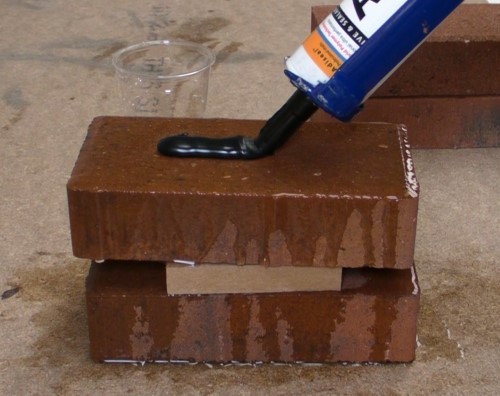
Construction adhesives are strong glue-like substances. They bond well with rough surfaces like brick. Apply the adhesive on the object and press it against the brick. Wait for it to dry completely. This creates a firm hold that lasts long.
These adhesives are good for heavy or permanent fixes. They resist moisture and temperature changes. Some types are designed specifically for masonry work. Always follow the instructions for best results.
Mechanical Fasteners
Mechanical fasteners include screws, nails, and anchors. These go directly into the brick or mortar. They provide a secure attachment that mounting tape cannot match. Use a drill to make holes for the anchors or screws.
This method suits hanging heavy items like shelves or frames. It offers great strength and durability. Choose the right fastener size and type for the brick thickness. Ensure the fastener fits tightly to avoid damage.
Credit: adiseal.com
Frequently Asked Questions
Does Mounting Tape Stick Well On Brick Surfaces?
Mounting tape can stick to brick, but its effectiveness varies. Smooth, clean brick surfaces hold tape better than rough, porous ones. For best results, clean the brick thoroughly and press the tape firmly. However, heavy items may need stronger adhesives or mechanical fasteners.
How Long Does Mounting Tape Last On Brick Walls?
Mounting tape’s durability on brick depends on surface texture and environmental conditions. On smooth brick, tape can last several months. On rough or porous brick, adhesion weakens quickly. Exposure to moisture and temperature changes also reduces tape lifespan significantly.
Can Mounting Tape Damage Brick Surfaces?
Mounting tape generally does not damage brick if removed carefully. However, aggressive removal can peel paint or surface layers. Use gentle heat or adhesive remover to avoid damage. Always test a small area before applying tape to a large brick surface.
What Type Of Mounting Tape Works Best On Brick?
Heavy-duty or double-sided foam mounting tapes work best on brick. These tapes offer stronger adhesion and can handle rough textures. Look for tapes labeled for outdoor or masonry use for optimal performance on brick surfaces.
Conclusion
Mounting tape can stick to brick, but results vary. Brick’s rough surface may reduce tape hold. Clean the brick well before applying tape. Press tape firmly and wait before hanging items. For heavier objects, consider stronger adhesives or anchors. Small decorations work best with mounting tape on brick.
Test a small area first to avoid damage. Choosing the right tape improves stickiness and safety. Simple steps help your mounting project succeed on brick walls.