Are you frustrated because your Lutron motion sensor light switch isn’t working the way you want? Maybe the lights stay on too long, or they turn off too quickly, leaving you in the dark.
The good news is, you can easily adjust the settings yourself to get everything just right. In this guide, you’ll learn simple steps to customize your motion sensor switch so your lights respond perfectly to your needs. Keep reading, and you’ll have full control over your lighting in no time.

Credit: www.youtube.com
Tools Needed
Preparing to adjust a Lutron motion sensor light switch requires a few basic tools. Having these tools ready makes the process easier and safer. This section lists the essential tools needed for the job.
Screwdriver
A screwdriver is necessary to remove the switch cover and loosen the mounting screws. A flathead or Phillips screwdriver usually works best. Make sure the screwdriver fits the screws to avoid damage.
Voltage Tester
A voltage tester helps to check if the power is off before touching wires. This tool ensures safety by confirming no electricity runs through the switch.
Wire Stripper
A wire stripper is useful if you need to strip insulation from wires. It helps create clean connections without damaging the wire inside.
Needle-nose Pliers
Needle-nose pliers assist in bending or twisting wires. They provide better control when handling small wires in tight spaces.
Electrical Tape
Electrical tape secures wire connections and covers exposed wires. It prevents short circuits and protects against electrical shocks.
Locate The Sensor
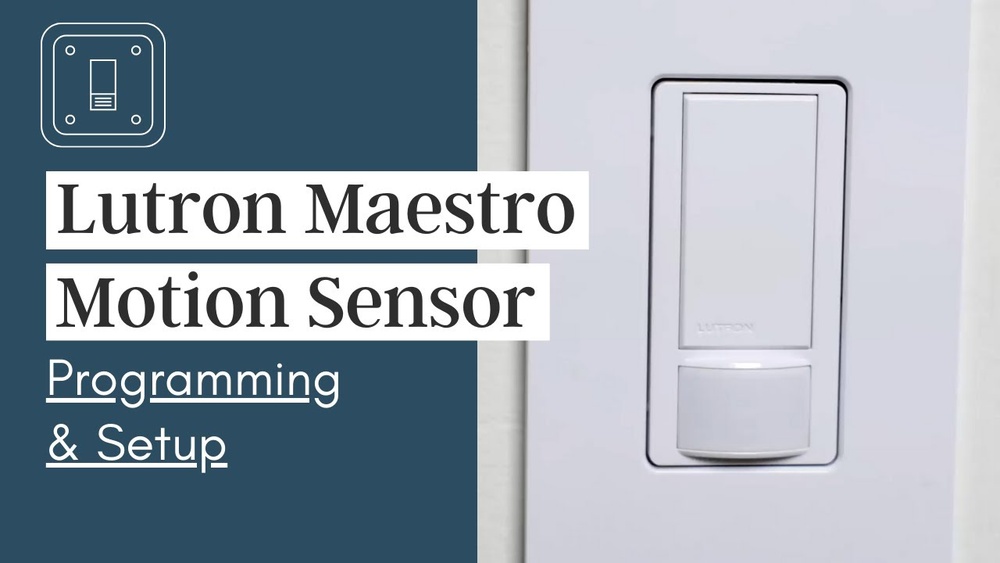
Locating the sensor on your Lutron motion sensor light switch is the first step to adjust it properly. The sensor detects movement and controls the light based on that. Knowing exactly where the sensor is helps you understand how it works and how to change its settings.
The sensor is usually small and placed on the front of the switch. It needs a clear view of the room to detect motion well. Finding it quickly saves time and makes adjustment easier.
Check The Front Panel Of The Switch
The sensor is often a small, round window on the switch’s front. It may look like a tiny lens or a dark circle. This part senses motion using infrared technology. Make sure it is clean and not covered by anything.
Identify The Sensor Location In The User Manual
Your Lutron switch’s manual shows the exact sensor spot. Manuals provide pictures and descriptions. This helps you avoid confusion and find the sensor fast. Keep the manual nearby for reference.
Look For Sensor Placement In Different Models
Different Lutron models may have sensors in slightly different spots. Some have sensors at the top or bottom edge. Others place it near the center. Check your model’s design carefully to spot the sensor.
Access The Settings
Accessing the settings of your Lutron motion sensor light switch is the first step to making it work just right. Adjusting these settings lets you control how the switch senses motion and turns your lights on or off. This part of the process is simple but requires care to avoid damage.
Remove The Faceplate
Start by turning off the power at the circuit breaker. This keeps you safe while working on the switch. Use a screwdriver to gently remove the faceplate covering the switch. Place the screws and faceplate somewhere safe. You will see the main part of the switch once the faceplate is off. Be careful not to touch any wires.
Identify Adjustment Controls
Look closely at the switch. You will find small dials or sliders used to adjust settings. These controls often have labels like “time delay,” “sensitivity,” or “lux.” The time delay controls how long the light stays on after motion stops. Sensitivity adjusts how easily the sensor detects movement. Lux settings control the light level needed to activate the sensor. Take note of each control before changing anything.
Adjust Sensitivity
Adjusting the sensitivity of your Lutron motion sensor light switch helps control how it detects movement. Sensitivity settings change how far and how easily the sensor notices motion. Proper adjustment saves energy and ensures lights turn on only when needed.
You can make the sensor more or less sensitive depending on your space and needs. Below are simple steps to increase or decrease the sensitivity.
Increase Sensitivity
To increase sensitivity, find the small adjustment dial or button on the switch. Turn the dial clockwise or press the button to raise sensitivity. This makes the sensor detect smaller or farther movements. Use higher sensitivity in large rooms or places with low traffic. It helps the lights turn on quickly when someone enters.
Decrease Sensitivity
To decrease sensitivity, turn the adjustment dial counterclockwise or press the button to lower sensitivity. This reduces the sensor’s range and ignores small or distant movements. Lower sensitivity works well in busy areas or near windows with moving shadows. It prevents the lights from turning on too often or by accident.
Set Time Delay
The time delay setting on your Lutron motion sensor light switch controls how long the lights stay on after no motion is detected. Adjusting this delay helps save energy and fits your daily routine. Shortening or lengthening the time delay can make the sensor work better for your space.
Shorten Time Delay
To shorten the time delay, press the button on your Lutron switch. Each press reduces the delay by a set amount. Watch the indicator light or screen to see the new setting. A shorter delay means lights turn off faster after you leave the room. This saves energy in places like hallways or bathrooms.
Lengthen Time Delay
Lengthening the time delay keeps lights on longer after motion stops. Press the same button repeatedly to increase the delay time. The light or display shows the current setting. Use a longer delay in rooms where you move slowly or stay still often. This prevents lights from turning off too soon.

Credit: support.lutron.com
Test The Sensor
Testing the Lutron motion sensor light switch is important. It ensures the sensor works properly. This step helps you see if the sensor detects movement and controls the light as expected. Testing is simple and quick. Follow these steps to check the sensor’s performance.
Perform Motion Test
Stand in front of the sensor. Move slowly side to side. Watch if the light turns on. Walk away and wait for the light to turn off. Repeat a few times to confirm the sensor detects motion. Try different speeds and angles. This helps find the best setting for your space.
Observe Light Response
Notice how fast the light turns on after motion. It should respond quickly. Check if the light stays on long enough. Adjust the timer if the light goes off too soon or stays on too long. Make sure the sensor covers the desired area. Proper response means the sensor is working well.
Troubleshooting Tips
Troubleshooting a Lutron motion sensor light switch can help you fix common issues fast. This section covers simple tips for two common problems. Follow these easy steps to get your light switch working properly again.
Sensor Not Detecting Motion
Check if the sensor lens is clean and free from dirt. Dust or smudges block the sensor’s view. Wipe the lens gently with a soft cloth.
Make sure the sensor is not facing a heat source like a heater or direct sunlight. Heat can confuse the sensor and stop it from detecting motion.
Test the sensor’s detection range. Walk within the sensor’s field to see if it triggers the light. Adjust the sensor angle if needed.
Reset the switch by turning off power at the breaker for 30 seconds. Turn power back on and test again.
Light Stays On Too Long
Adjust the time delay setting on the switch. This controls how long the light stays on after no motion is detected.
Reduce the delay time by following the switch’s instructions. This saves energy and prevents the light from staying on unnecessarily.
Check for objects blocking the sensor’s view. Blockages can cause the sensor to think there is still movement.
Ensure the ambient light sensor is not set too low. This sensor stops the light from turning on in bright areas. If set too low, the light may stay on longer than needed.
Credit: support.lutron.com
Frequently Asked Questions
How Do I Adjust Sensitivity On Lutron Motion Sensor?
To adjust sensitivity, press and hold the “Adjust” button. Use the button to cycle through low, medium, and high sensitivity. This controls how much motion activates the light switch. Set it based on room size and activity.
Can I Change The Time Delay On Lutron Sensors?
Yes, you can. Press the “Time” button to select delay time. Options range from 30 seconds to 30 minutes. This sets how long the light stays on after no motion is detected.
What Is The Best Placement For Lutron Motion Sensor?
Place the sensor 6-8 feet above the floor, facing the area to monitor. Avoid direct sunlight or heat sources. Proper placement ensures accurate motion detection and prevents false triggers.
How Do I Reset My Lutron Motion Sensor Switch?
To reset, turn off power at the breaker. Remove the switch, wait 30 seconds, then reinstall. Turn power back on. This restores factory settings and can fix configuration issues.
Conclusion
Adjusting your Lutron motion sensor light switch is simple and quick. Just follow the steps carefully to set the time and sensitivity. This helps save energy and makes your home more convenient. Regular checks keep the switch working well. Small changes can improve how the sensor reacts to movement.
Enjoy the comfort of lights that turn on and off automatically. Now, your space feels safer and smarter without extra effort. Give your home a little upgrade with this easy adjustment.