When you’re mounting a scope, choosing the right drill bit and tap size can make all the difference. Using the wrong size can damage your rifle or cause your scope to be unstable.
You want a perfect fit that holds your scope firmly in place, giving you confidence every time you aim. In this guide, you’ll discover exactly what sizes to use, how to select them, and tips to avoid common mistakes. Keep reading to make sure your scope mount is secure and ready for action.

Credit: blasterfactory.com
Choosing The Right Drill Bit Size
Choosing the right drill bit size is key for a secure scope mount. The drill bit must match the screw size perfectly. Too big a hole weakens the mount. Too small, and the screw won’t fit. This section explains how to pick the best drill bit for your scope mount project.
Common Drill Bit Sizes For Scope Mounts
Scope mounts usually need small drill bits. Sizes like 3/16 inch, 7/32 inch, and 1/4 inch are common. These fit typical mounting screws well. Always check your scope mount instructions for exact sizes. Using the right size prevents damage and keeps the mount steady.
Material Considerations
The type of material you drill affects drill bit choice. Soft metals like aluminum need different bits than hard steel. Wood and plastic require special bits too. Match the drill bit to the material for clean, accurate holes. This stops cracking or splintering around the mount area.
Drill Bit Types And Their Uses
Twist drill bits are the most common for metal and wood. Spade bits work well for wood but not metal. Step bits can make clean holes in thin metal sheets. Carbide bits last longer on hard metals. Pick the right bit type to fit your material and mount needs.
Credit: www.ozzistraightshooter.com
Selecting The Correct Tap Size
Selecting the correct tap size is key for a strong and secure scope mount. The tap size must match the screw thread to avoid damage or loose fitting. Using the right tap ensures clean threads in the drilled hole, improving hold and stability. Understanding tap types and sizes helps in making the right choice for your project.
Matching Tap To Screw Thread
Each screw has a specific thread size and pitch. The tap must match these exactly for proper threading. Using a smaller or larger tap can strip the threads or cause a weak hold. Measure the screw diameter and count the threads per inch or millimeter. This helps find the correct tap size for your scope mount screws.
Tap Types And Applications
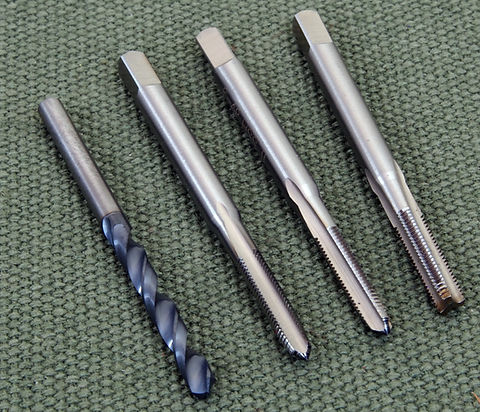
Taps come in several types: taper, plug, and bottoming. Taper taps start threading slowly, ideal for beginners. Plug taps are versatile and used for most through holes. Bottoming taps thread close to the bottom of a blind hole. Choose the tap type based on your hole depth and threading needs.
Tap Size Charts And Standards
Tap size charts list the correct tap for each screw thread. They show diameter, pitch, and drill bit size for pre-drilling. Common standards include UNC, UNF, and metric threads. Use these charts to select the right tap and drill bit combination. This prevents mistakes and ensures a proper fit for your scope mount.
Step-by-step Drilling And Tapping Process
The step-by-step drilling and tapping process ensures a secure fit for your scope mount. It requires precision and the right tools. Following each step carefully helps avoid mistakes. This guide breaks down the process into simple actions anyone can follow.
Preparing The Work Area
Clear your workspace to avoid distractions and accidents. Use a stable surface to hold your rifle or mount steady. Gather all tools like drill bits, taps, and lubricants before starting. Proper lighting helps you see marks and holes clearly. Wear safety glasses to protect your eyes from metal shavings.
Marking And Center Punching
Use a ruler or template to mark drill points on the mount. Accurate marks prevent the drill bit from slipping. Place a center punch on each mark. Tap it lightly with a hammer to create a small dent. This dent guides the drill bit and keeps it in place.
Drilling Techniques
Choose the correct drill bit size for your tap. Use a drill press or hand drill at low speed. Start drilling straight down to avoid angled holes. Apply light pressure and keep the bit cool with oil. Remove the bit occasionally to clear metal shavings. Drill to the correct depth for your screws.
Tapping Techniques
Select the proper tap size that matches the drill hole. Apply cutting oil to the tap and hole. Insert the tap straight into the hole and turn slowly. Turn the tap clockwise three turns, then back it off one turn. This clears metal chips and prevents jamming. Continue until the tap reaches the full depth. Clean the hole to remove all debris before installing screws.
Common Mistakes To Avoid
Mounting a scope requires precision. Avoid common mistakes to ensure a secure fit. These errors can damage the rifle or the scope mount. Knowing what to avoid helps in making clean, strong threads.
Using Incorrect Sizes
Choosing the wrong drill bit or tap size can ruin the job. A bit too large or small creates poor threads. The scope mount may not fit tightly. Always check the recommended sizes before drilling or tapping. Double-check measurements to avoid costly mistakes.
Skipping Lubrication
Not using lubrication makes tapping harder. It increases friction and can break the tap. Use cutting oil or tap lubricant to ease the process. Lubrication helps create cleaner threads and protects tools. It saves time and reduces damage risk.
Applying Excessive Force
Pressing too hard can strip threads or break the tap. Use steady, moderate pressure instead. Let the tap do the work slowly and carefully. Back the tap out regularly to clear metal shavings. This prevents clogging and keeps the thread clean.
Tools And Accessories For Precision
Precision is key when drilling and tapping for a scope mount. The right tools and accessories help you work accurately. They ensure holes are straight and threads are clean. This prevents mistakes that can damage your rifle or scope.
Drill Guides And Jigs
Drill guides and jigs keep the drill bit straight. They help maintain the correct angle and position. This is important for scope mounts, which need perfect alignment. Using a drill guide reduces the chance of slipping or uneven holes. It saves time and improves the overall quality of your work.
Tap Wrenches And Handles
Tap wrenches hold the tap securely for threading. They provide better control and prevent breaking the tap. Handles with good grip make turning easier and more precise. Using the right wrench helps create clean, accurate threads. This makes mounting the scope stable and safe.
Lubricants And Coolants
Lubricants reduce friction when drilling and tapping. They help the tools move smoothly and avoid overheating. Coolants keep metal cool and extend tool life. Using these fluids improves the finish of the threads. It also lowers the risk of damaging the tap or drill bit.
Tips For Different Scope Mount Materials
Choosing the right drill bit and tap size depends on the scope mount material. Different materials need different tools and techniques. This ensures a strong and secure fit for your scope. Here are some tips for common scope mount materials.
Aluminum Mounts
Aluminum is soft and easy to drill. Use a sharp drill bit to avoid tearing the metal. Choose a drill bit slightly smaller than the tap size for a tight thread. Tap slowly and keep the tap straight. Use cutting oil to reduce friction and heat. This keeps threads clean and strong.
Steel Mounts
Steel is hard and needs special care. Use a high-speed steel (HSS) drill bit for better durability. Pick a drill bit that matches the tap size closely. Tap carefully to avoid breaking the tap. Apply cutting oil often to cool the metal. Clean metal shavings regularly to prevent damage.
Polymer Mounts
Polymer is soft and may crack if drilled too fast. Use a smaller drill bit than the tap size. Tap gently to avoid stripping threads. Avoid using cutting oil, as it can damage the polymer. Drill and tap slowly for best results. Test on scrap polymer if possible before working on mounts.
Troubleshooting Common Issues
Installing a scope mount requires precision. Mistakes can cause problems that affect the mount’s stability and accuracy. This section helps you fix common issues during drilling and tapping. Simple steps can save time and avoid damage.
Cross-threading
Cross-threading happens when the tap or screw goes in at an angle. This damages the threads and weakens the hold. To avoid this, start the tap straight and turn it slowly. Use a tapping guide to keep it aligned. If cross-threading occurs, remove the tap and clear the damaged threads with a thread file.
Drill Bit Wander
Drill bit wander means the bit moves off the mark while drilling. This causes holes that are not centered. Use a center punch to make a small dent before drilling. It helps guide the bit. Hold the drill steady and use a slow speed. If the hole is off, you may need to fill and redrill carefully.
Tap Breakage
Tap breakage is common when applying too much force or using the wrong tap size. Always use the correct tap size for your scope mount screws. Turn the tap gently and back it off every few turns to clear chips. If the tap breaks, removing it can be difficult. Prevent breakage by using lubricant and tapping slowly.

Credit: www.ebay.com
Frequently Asked Questions
What Drill Bit Size Is Needed For Scope Mount Screws?
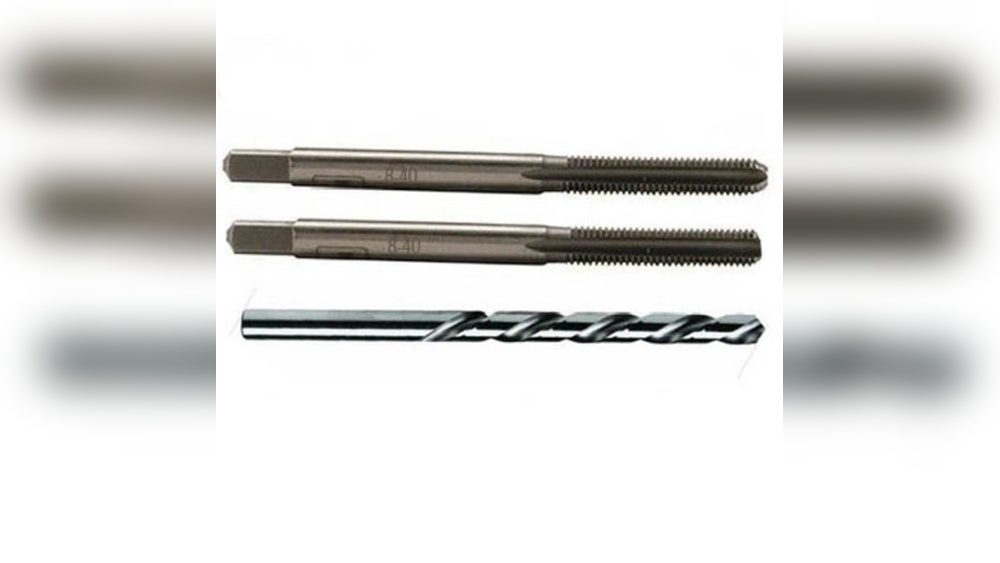
Use a 3/16 inch drill bit for common 6-48 or 8-40 scope mount screws. This size ensures proper fit without damaging threads.
Which Tap Size Fits Best For Scope Mount Holes?
A 6-48 or 8-40 tap is standard for most scope mounts. Choose based on the screw thread size specified by your mount.
Can I Use Metric Taps For Scope Mounts?
Most scope mounts use imperial threads like 6-48 or 8-40. Metric taps usually do not fit properly unless specified.
How To Measure Drill Bit Size For A Scope Mount?
Measure the screw diameter and subtract thread depth. Use a drill bit slightly smaller than the screw’s outer diameter for tapping.
Conclusion
Choosing the right drill bit and tap size matters for a strong scope mount. Use the correct sizes to avoid damage or loose fitting. Measure carefully and follow the mount’s instructions. This keeps your scope stable and accurate. Small steps lead to better shooting results.
Take time to prepare and check your tools. Your scope will stay secure and ready for action. Simple care makes a big difference in the end.