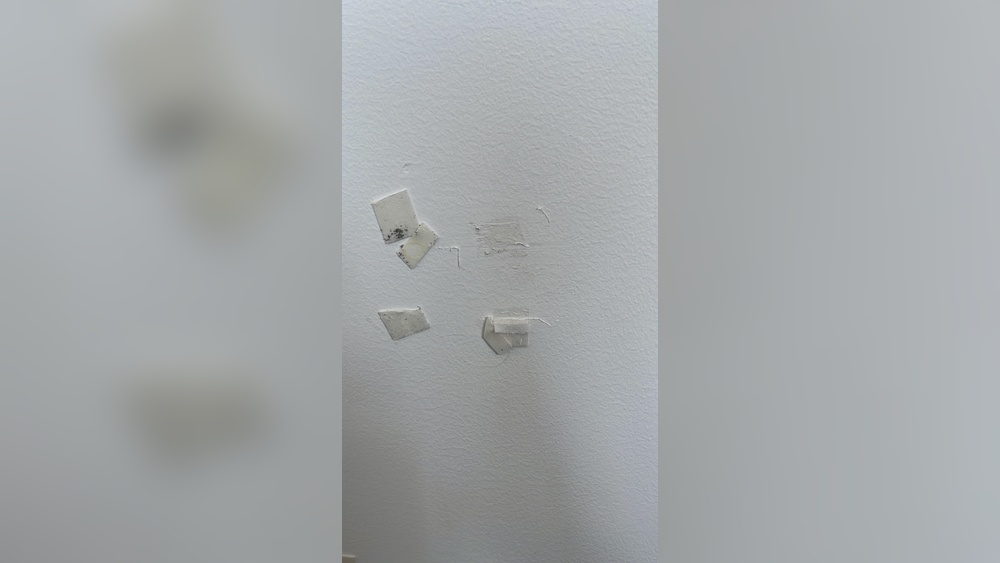
You’ve just taken down a picture or decoration, but now there’s that annoying sticky residue left behind by mounting tape. It’s frustrating, unsightly, and can be tough to remove without damaging your walls or surfaces.
But don’t worry—you’re about to learn simple, effective ways to get rid of that sticky mess quickly and easily. Keep reading, and you’ll discover easy tricks that anyone can do to restore your space to its clean, smooth look in no time.

Credit: www.youtube.com
Causes Of Mounting Tape Residue
Mounting tape residue often sticks stubbornly to surfaces after tape removal. Understanding why this residue forms helps prevent damage and eases cleanup. Several factors cause the sticky leftover, each affecting the surface differently.
Adhesive Composition
Mounting tapes use strong adhesives to hold items firmly. These adhesives are often rubber or acrylic-based. Some adhesives leave more residue due to their sticky nature. The stronger the adhesive, the harder it is to remove cleanly.
Surface Texture
Rough or porous surfaces trap adhesive particles easily. Smooth surfaces usually release tape without much residue. Textured walls or wood grain tend to hold more glue after tape removal.
Duration Of Application
The longer the tape stays on, the more residue it leaves. Adhesive bonds deepen over time and become harder to remove. Short-term use reduces the chance of sticky leftovers.
Temperature And Humidity
Heat softens adhesives, making residue more likely. High humidity can weaken the glue, causing it to smear or spread. Cool, dry conditions help minimize leftover adhesive.
Removal Technique
Pulling tape off too fast can tear the adhesive layer. Slow and steady peeling helps reduce residue. The angle of removal also affects how much glue stays behind.
Tools Needed For Removal
Removing mounting tape residue can be tricky without the right tools. Having the proper items makes the process easier and faster. Gather these simple tools before you start for the best results.
Rubbing Alcohol Or Adhesive Remover
Rubbing alcohol helps break down sticky residue. It is gentle on most surfaces but strong enough to dissolve glue. An adhesive remover works well on tough residues. Choose one safe for your wall or furniture.
Plastic Scraper Or Credit Card
A plastic scraper lifts off residue without scratching surfaces. Old credit cards work fine too. Avoid metal tools, as they can damage paint or wood.
Soft Cloth Or Sponge
Use a soft cloth to apply liquids and wipe residue. A sponge can help scrub gently. Both should be clean and non-abrasive to protect surfaces.
Warm Soapy Water
Warm water mixed with mild soap softens sticky tape bits. It also cleans leftover grime. Use a cloth dipped in soapy water to wipe the area smoothly.
Hairdryer
A hairdryer heats the tape residue, making it easier to remove. Heat softens the adhesive, which helps scraping or wiping. Keep the dryer moving to avoid surface damage.
Using Heat To Soften Residue
Using heat to soften mounting tape residue makes removal easier. Heat loosens the sticky glue, allowing you to wipe it away with less effort. This method works well on many surfaces, including walls, glass, and plastic. Applying gentle heat is safe and effective for removing leftover adhesive.
Hair Dryer Method
Use a hair dryer on medium heat. Hold it a few inches from the residue. Move the dryer in small circles for one to two minutes. The heat softens the glue, making it easier to peel off. After warming, gently rub the area with a cloth or your fingers. Repeat if needed until the residue disappears.
Heat Gun Precautions
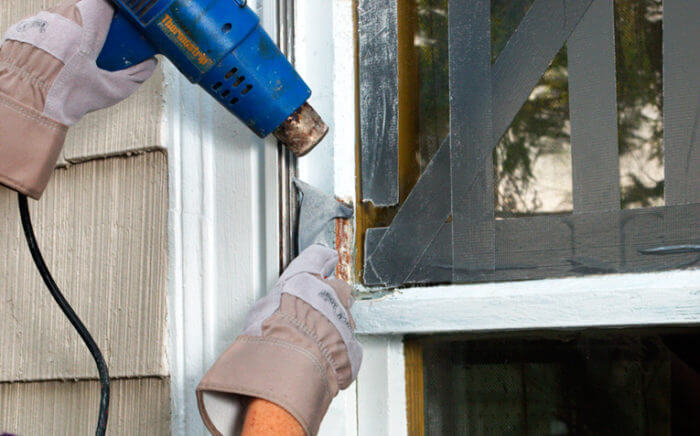
Heat guns produce higher temperatures than hair dryers. Use caution to avoid damage or burns. Keep the heat gun moving to prevent overheating one spot. Do not hold it too close to the surface. Always wear protective gloves and eye protection. Use low settings first and increase only if safe.
Applying Solvents Safely
Applying solvents safely is key to removing mounting tape residue without damage. Use the right solvent and protect your surfaces. Test solvents on a small spot first. Work in a well-ventilated area to avoid fumes. Wear gloves to protect your skin from irritation.
Take your time. Apply solvents gently and avoid scrubbing hard. This prevents surface damage and keeps your item safe. Clean residue slowly and carefully for the best results.
Rubbing Alcohol
Rubbing alcohol is a common, safe solvent for tape residue. Use a cotton ball or cloth with a small amount. Dab gently on the sticky area. Let it sit for a minute to soften residue. Wipe away with a clean cloth. Repeat if needed. Avoid using on delicate surfaces like painted wood.
White Vinegar
White vinegar works well to dissolve sticky tape glue. Soak a cloth in vinegar and place it on the residue. Leave it for 5 to 10 minutes. The acid breaks down the adhesive naturally. Gently rub the area with the cloth. Rinse with water and dry. Use vinegar on glass, metal, and plastic. Avoid on stone or marble surfaces.
Commercial Adhesive Removers
Adhesive removers are strong and effective. Follow the product instructions carefully. Apply a small amount to the residue. Let it sit as directed, usually a few minutes. Use a soft cloth to wipe the glue away. Wash the area with soap and water after use. Keep these products away from children and pets. Use them only on surfaces that can handle strong solvents.
Mechanical Removal Techniques
Mechanical removal techniques are simple and effective for removing mounting tape residue. These methods use physical tools to scrape or wipe away sticky bits. They avoid chemicals and reduce damage to surfaces. Mechanical methods work well on small, stubborn patches of residue.
Scraping With Plastic Tools
Use a plastic scraper to lift tape residue gently. Avoid metal tools to prevent scratches. Hold the scraper at a low angle for better control. Work slowly and carefully to peel off sticky bits. Repeat scraping until most residue is gone. Clean the area afterward with a damp cloth.
Using A Soft Cloth
A soft cloth can remove leftover adhesive safely. Dampen the cloth slightly with warm water. Rub the residue in small circles to loosen it. Avoid harsh scrubbing that may damage the surface. Change cloth sections often to avoid spreading residue. Patience is key for this gentle method.
Preventing Damage To Surfaces
Removing mounting tape residue can be tricky. It often leaves marks or damages surfaces if not done right. Taking care to protect the surface helps keep it clean and smooth. Small steps make a big difference in avoiding scratches, stains, or peeling paint.
Knowing the right method keeps your walls, furniture, or glass safe. Use gentle tools and safe cleaners. Avoid harsh scrubbing or strong chemicals that harm surfaces. Patience and care prevent costly repairs later.
Choose The Right Cleaning Materials
Use soft cloths or sponges for cleaning tape residue. Avoid rough brushes or scrapers that scratch. Test cleaners on a small spot first. Mild soap and water work well on many surfaces. Rubbing alcohol or vinegar helps on tougher spots but use them carefully.
Work Slowly And Gently
Peel tape residue gently to avoid peeling paint or wallpaper. Do not rush or force removal. Take small sections at a time. Use light pressure while wiping residue off. Slow work prevents surface damage and keeps the area neat.
Protect Delicate Surfaces
Cover nearby areas with cloth or paper to avoid spills. Use painter’s tape to mark edges for precise cleaning. Avoid soaking wood or drywall with liquids. On glass or metal, dry surfaces quickly to prevent streaks or rust.
Cleaning Up After Residue Removal
After removing mounting tape residue, cleaning the area is important. Leftover sticky bits can attract dust and dirt. Proper cleaning helps keep surfaces neat and fresh. It also prepares the surface for new use or decoration.
Washing With Soap And Water
Start by mixing warm water with a mild soap. Use a soft cloth or sponge to apply the soapy water. Gently rub the surface to remove any leftover residue. Avoid harsh scrubbing to prevent damage. Rinse the area with clean water to remove soap. This step ensures no sticky or soapy film remains.
Drying And Polishing
Use a clean, dry cloth to wipe the surface dry. Pat gently to avoid scratches. Once dry, polish the area with a soft cloth for a smooth finish. This step restores shine and removes water spots. A well-polished surface looks clean and cared for.

Credit: www.reddit.com
Tips For Avoiding Residue In Future
Removing mounting tape residue can be tricky. Preventing residue saves time and keeps surfaces clean. Follow simple tips to avoid sticky leftovers after removing tape. These easy steps help keep walls and furniture free from marks and glue.
Choose The Right Tape For Your Surface
Use tape made for the material you want to stick on. Some tapes work better on painted walls, others on glass or wood. Picking the right tape reduces residue and damage.
Test Tape On A Small Area First
Try the tape on a hidden spot before using it widely. This helps check if the tape leaves marks or pulls paint. Testing avoids surprises and keeps surfaces safe.
Apply Tape To Clean, Dry Surfaces
Make sure the surface is clean and dry before sticking tape. Dirt and moisture weaken tape grip and cause residue. Clean surfaces help tape stick well and peel off cleanly.
Remove Tape Slowly And At An Angle
Pull tape gently and slowly, not fast. Remove it at a low angle close to the surface. This lowers the chance of leaving glue behind or peeling paint.
Limit How Long Tape Stays On
Don’t leave tape on surfaces for too long. The longer tape stays, the harder it is to remove cleanly. Take tape off soon after your project is done.
Credit: echotape.com
Frequently Asked Questions
How Do I Remove Mounting Tape Residue Safely?
Use warm soapy water and a soft cloth to gently rub the residue. For stubborn spots, apply rubbing alcohol or vinegar. Avoid harsh chemicals to prevent surface damage. Always test on a small area first.
What Household Items Help Remove Tape Residue?
Common items like vinegar, rubbing alcohol, and baking soda effectively dissolve tape residue. Use a soft cloth to apply these substances. They are safe for most surfaces and easy to find at home.
Can Heat Help Remove Mounting Tape Residue?
Yes, applying heat with a hairdryer softens the adhesive, making it easier to peel off. Hold the dryer a few inches away and heat the residue for 30 seconds. Then gently scrape it with a plastic card.
Is It Safe To Use Commercial Adhesive Removers?
Commercial adhesive removers work well but can damage delicate surfaces. Always read product labels and test a small area first. Use them sparingly and follow the manufacturer’s instructions for best results.
Conclusion
Removing mounting tape residue does not have to be hard. Use gentle methods like warm soapy water or rubbing alcohol. Always test a small area first to avoid damage. Take your time and be patient. Clean surfaces look better and last longer.
Keep these tips handy for future use. You can easily keep your walls and objects spotless. Simple steps lead to great results every time.