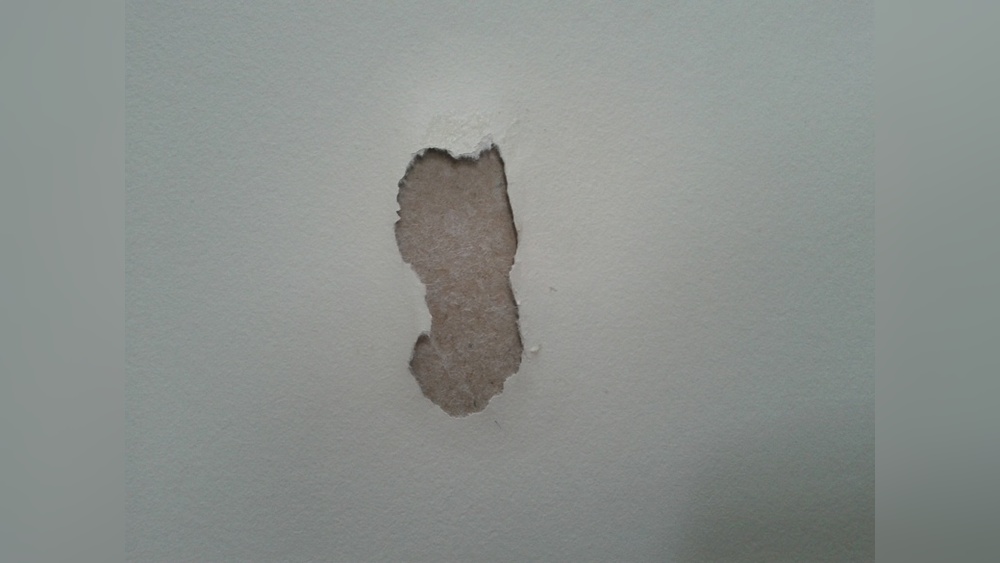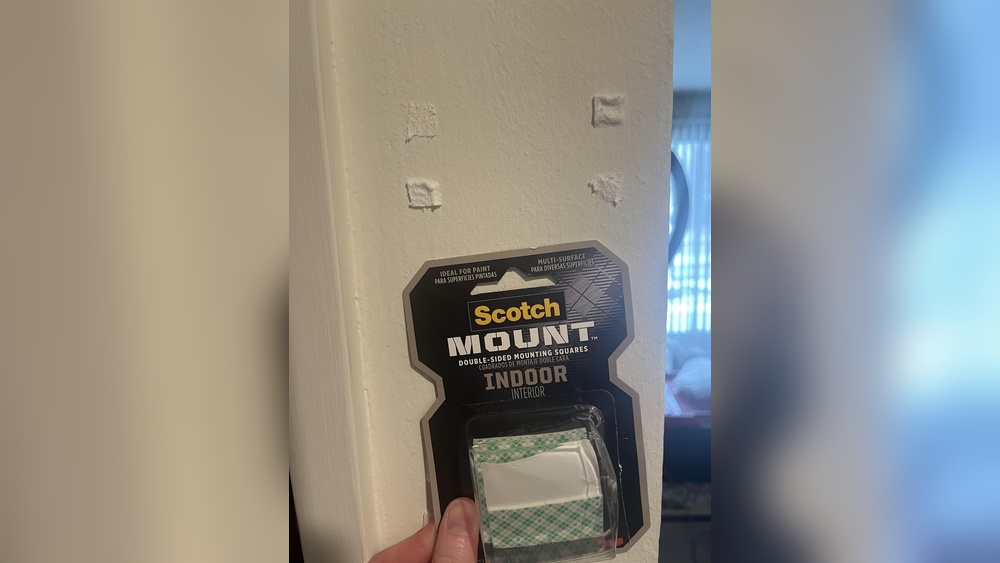
Have you ever struggled to remove Scotch mounting tape without leaving sticky residue or damaging your walls? You’re not alone.
This tape is strong and reliable, but getting it off can feel like a real challenge. Luckily, with the right techniques, you can say goodbye to that stubborn tape quickly and easily. Keep reading, and you’ll discover simple, effective ways to remove Scotch mounting tape so your surfaces stay clean and intact.
Your frustration ends here.
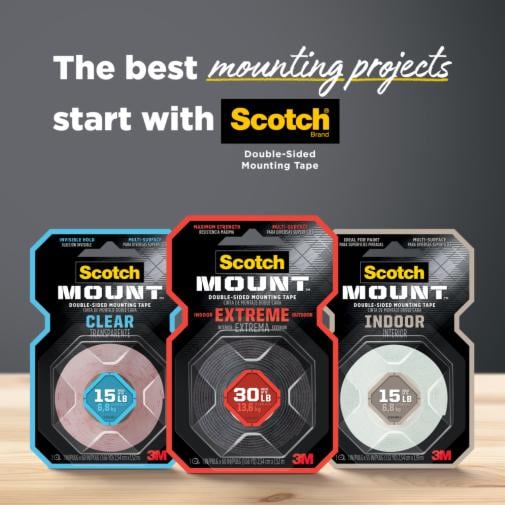
Credit: www.scotchbrand.com
Tools Needed
Removing Scotch mounting tape requires the right tools. Using proper tools makes the job easier and safer. You avoid damage to surfaces and get clean results.
Isopropyl Alcohol
Isopropyl alcohol helps dissolve tape adhesive. It softens sticky residue for easy removal. Use a cloth to apply it gently.
Plastic Scraper
A plastic scraper lifts tape without scratching surfaces. It works well on walls and glass. Avoid metal tools that can cause damage.
Hair Dryer
Heat from a hair dryer loosens tape adhesive. Warm tape peels off smoother and faster. Keep the dryer moving to avoid heat damage.
Soft Cloth
A soft cloth cleans residue after tape removal. Use it with alcohol or warm water. It prevents scratches and helps polish the surface.
Adhesive Remover
Adhesive remover breaks down stubborn tape glue. Choose a gentle type safe for your surface. Apply carefully and follow instructions.
Preparation Steps
Preparing to remove Scotch mounting tape is key for a smooth process. Good preparation protects your surfaces and saves time. Follow these simple steps before you start peeling off the tape.
Gather The Right Tools
Collect tools like a plastic scraper, rubbing alcohol, and a soft cloth. These help remove tape without damage. Avoid metal tools that can scratch surfaces.
Clean The Area
Wipe the tape and surrounding surface gently with a damp cloth. Dirt can make removal harder. Clean surfaces give better results.
Test A Small Spot
Try your removal method on a hidden corner first. Check for any damage or discoloration. This step prevents surprises on visible areas.
Work In A Well-lit Space
Good lighting helps you see the tape edges clearly. It also reveals any residue left behind. Bright light makes the job easier and safer.
Peeling Off The Tape
Removing Scotch mounting tape can be quick and easy. Gently peel the tape at a slow angle to avoid damage. Warm the tape with a hairdryer to soften the adhesive for easier removal.
Preparing The Surface
Start by cleaning the area around the tape. Dirt and dust make peeling harder. Use a soft cloth with mild soap and water. Dry the surface well before you begin. This prevents damage and helps the tape come off smoothly.
Peeling Slowly And Gently
Lift one corner of the tape carefully. Use your fingernail or a plastic edge. Pull the tape back slowly at a low angle. Avoid quick or sharp pulls. This reduces the chance of tearing or leaving residue behind.
Using Heat To Soften The Adhesive
Apply a warm cloth or a hairdryer on low heat. Keep it moving to avoid damage. Heat softens the glue, making tape easier to peel. Test the heat on a small area first to be safe.
Removing Leftover Sticky Residue
Use rubbing alcohol or adhesive remover on a cloth. Dab the residue gently without soaking the surface. Wipe in small circles until sticky spots disappear. Finish by cleaning the area with water and drying it.

Credit: www.reddit.com
Using Heat To Soften Adhesive
Using heat to soften adhesive is a simple and effective way to remove Scotch mounting tape. Heat weakens the sticky glue, making the tape easier to peel off. This method works well on many surfaces without causing damage.
Applying gentle heat helps loosen the tape’s grip. The adhesive becomes soft and less sticky. This lets you remove the tape smoothly without leaving much residue behind.
Hair Dryer Method
Use a hair dryer on medium heat to warm the tape. Hold it a few inches away from the tape. Move the dryer back and forth for about 30 seconds. This warms the glue evenly.
After heating, try peeling the tape slowly. The softened adhesive should release more easily. Repeat heating if the tape still feels tight. This method works well on walls and furniture.
Heat Gun Caution
A heat gun can heat faster but needs careful use. It can get very hot and damage surfaces quickly. Keep the heat gun moving to avoid burning the area.
Use the lowest heat setting and keep the gun far from the tape. Test on a small spot first. Avoid using a heat gun on delicate or plastic surfaces.
Applying Solvents
Applying solvents helps to break down the sticky residue left by Scotch mounting tape. Solvents soften the adhesive, making it easier to wipe away. Use a small amount to avoid damaging the surface. Test the solvent on a hidden spot first.
Rubbing Alcohol
Rubbing alcohol is effective at dissolving tape residue. Apply some on a clean cloth or cotton ball. Gently rub the sticky area until the residue loosens. Use a fresh cloth to wipe the surface clean. Avoid soaking the area to prevent damage.
Vinegar
Vinegar is a natural solvent that can remove adhesive. Soak a cloth in white vinegar and press it on the tape residue. Let it sit for a few minutes to soften the glue. Rub the area gently to lift the residue. Wipe the surface with a damp cloth afterward.
Commercial Adhesive Removers
Commercial adhesive removers are designed to tackle tough residues. Follow the product instructions carefully for best results. Apply a small amount on the sticky spot and wait a few minutes. Use a cloth to rub away the softened residue. Clean the area with soap and water after use.
Scraping Residue Safely
Removing Scotch mounting tape often leaves sticky residue behind. Scraping this residue safely protects your surface from damage. Gentle techniques help clean the area without scratches or marks. Use the right tools and methods to make the process smooth and safe.
Plastic Scraper Use
Choose a plastic scraper for residue removal. It is strong enough to lift sticky bits. Plastic scrapers do not scratch like metal tools. Hold the scraper at a low angle. Push gently to loosen the residue. Work in small sections for better control. Clean the scraper often to avoid spreading glue.
Avoiding Surface Damage
Test the scraper on a small, hidden spot first. Check if the surface shows any marks. Never use sharp or metal objects directly on delicate surfaces. Do not press too hard while scraping. Stop if you see any scratches forming. Use soft cloths to wipe residue after scraping. Patience helps keep your surface safe and clean.
Cleaning After Removal
After removing Scotch mounting tape, some sticky residue often remains. Cleaning this residue is important. It helps the surface look clean and prevents damage. Use gentle methods to avoid scratching or harming the area. The goal is to remove all sticky bits without hard work.
Using Soap And Water
Start with warm water and mild soap. Dip a soft cloth in the soapy water. Rub the sticky area gently. Soap breaks down the adhesive slowly. Wipe with a clean damp cloth to remove soap. Dry the surface with a soft towel.
Applying Rubbing Alcohol
Rubbing alcohol works well on sticky tape residue. Put some on a cotton ball or cloth. Dab it on the sticky spots carefully. Let it sit for a minute to soften the glue. Then wipe away the residue with a clean cloth. Test on a small area first to avoid damage.
Using Oil-based Cleaners
Oils like vegetable oil or baby oil can loosen tape glue. Apply a small amount on the sticky patch. Leave it for five minutes. Rub the area gently with a cloth. The oil breaks down the adhesive. Clean the surface afterward with soap and water to remove oil.
Removing Residue With A Plastic Scraper
A plastic scraper helps lift sticky bits without scratching. Hold the scraper at a low angle. Push gently under the tape residue. Lift slowly to avoid damaging the surface. Use this method after softening the glue with soap or oil. Clean the area afterward for best results.
Preventing Future Adhesive Issues
Preventing future adhesive problems saves time and effort. Using Scotch mounting tape can cause sticky residue or damage if not handled well. Simple habits and tips help keep surfaces clean and tape effective.
Choose The Right Tape For Your Surface
Not all tapes work well on every surface. Select tape suited for the material you want to stick on. Some tapes leave less residue and peel off easier. Read the tape label for surface recommendations.
Clean Surfaces Before Applying Tape
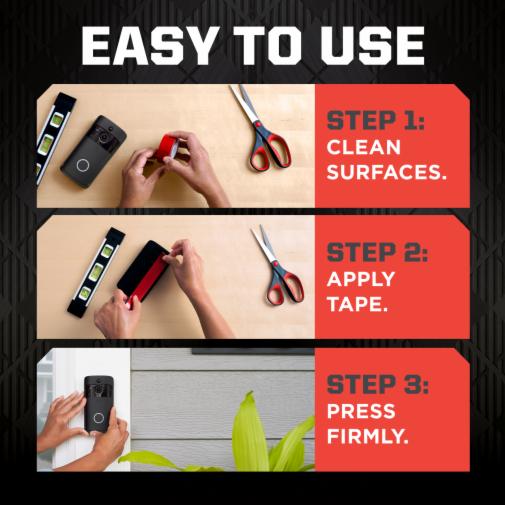
Dirt and dust reduce tape’s grip and cause sticky mess. Wipe surfaces with a damp cloth and let dry. Clean surfaces help tape stick better and peel away cleanly later.
Use Moderate Pressure When Applying
Press tape firmly but not too hard. Too much pressure can make tape harder to remove. Moderate pressure helps tape stay stuck without leaving extra residue.
Remove Tape Slowly And Carefully
Pull tape off gently at a low angle. Fast or harsh removal can peel paint or leave glue. Slow removal keeps surfaces safe and reduces sticky spots.
Store Tape Properly To Keep It Fresh
Keep tape rolls in cool, dry places. Heat and moisture weaken adhesive. Proper storage keeps tape sticky and ready to use next time.
Credit: www.scotchbrand.com
Frequently Asked Questions
How Do I Safely Remove Scotch Mounting Tape?
To remove Scotch mounting tape safely, warm the tape with a hairdryer. Gently peel it off starting from a corner. Use adhesive remover if residue remains. Avoid harsh scraping to prevent surface damage.
What Household Items Remove Scotch Tape Residue?
Common household items like rubbing alcohol, vinegar, or peanut butter can remove tape residue. Apply a small amount, let it sit, then wipe gently. Always test on a small area first to avoid damage.
Can Heat Help In Removing Scotch Tape?
Yes, heat softens the adhesive, making tape removal easier. Use a hairdryer on low heat and warm the tape evenly. This prevents tearing and reduces residue left behind.
Is It Safe To Use Chemicals On Walls?
Use mild adhesive removers designed for walls. Avoid strong solvents like acetone that damage paint or wallpaper. Always test on an inconspicuous spot before applying widely.
Conclusion
Removing Scotch mounting tape does not have to be hard. Use heat or oil to soften the adhesive. Peel gently to avoid damage to surfaces. Clean any sticky residue with soap and water. Take your time and stay patient throughout the process.
With these simple steps, your walls and objects stay safe. Now, you can remove tape cleanly and easily. No stress. Just clean spaces ready for your next project.