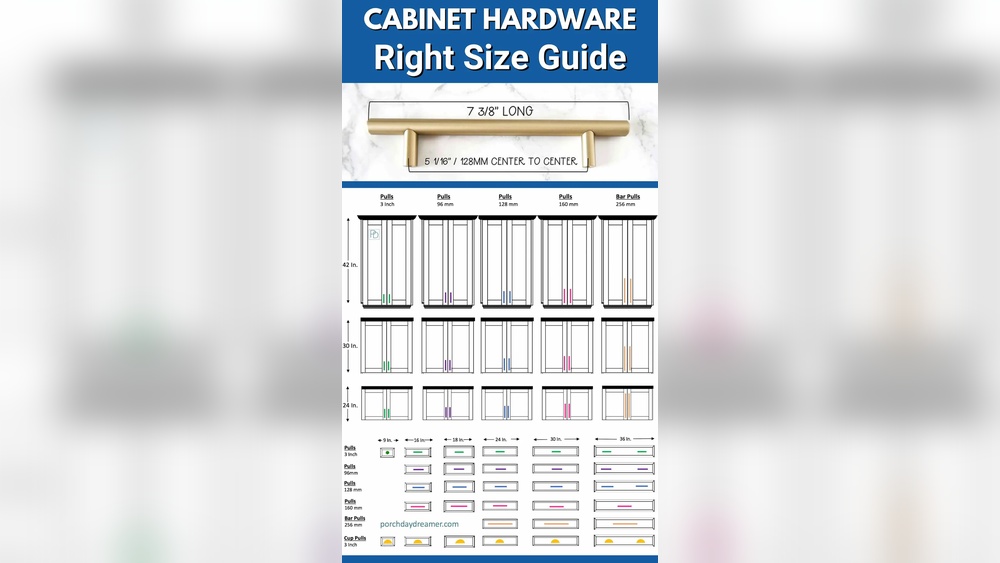
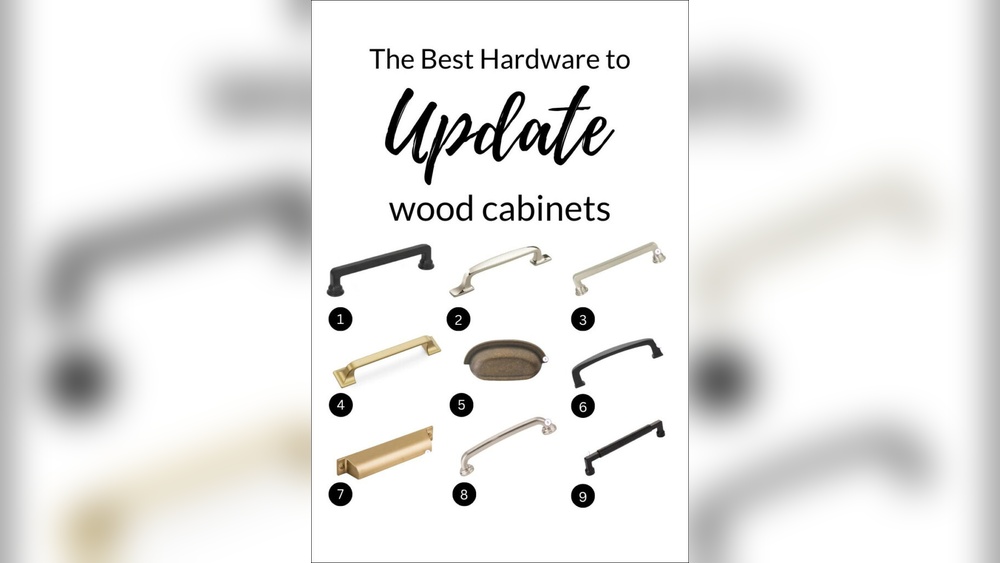
If you’re ready to update your cabinets with new hardware, knowing the right drill bit size to use is key to a flawless installation. Using the wrong bit can lead to oversized holes, loose handles, or even damage to your cabinet doors.
But don’t worry—this guide will help you pick the perfect drill bit size for your cabinet knobs and pulls, so your hardware fits snugly and looks professional. Keep reading to discover simple tips and tricks that make drilling easy, precise, and mess-free, turning your DIY project into a smooth success.
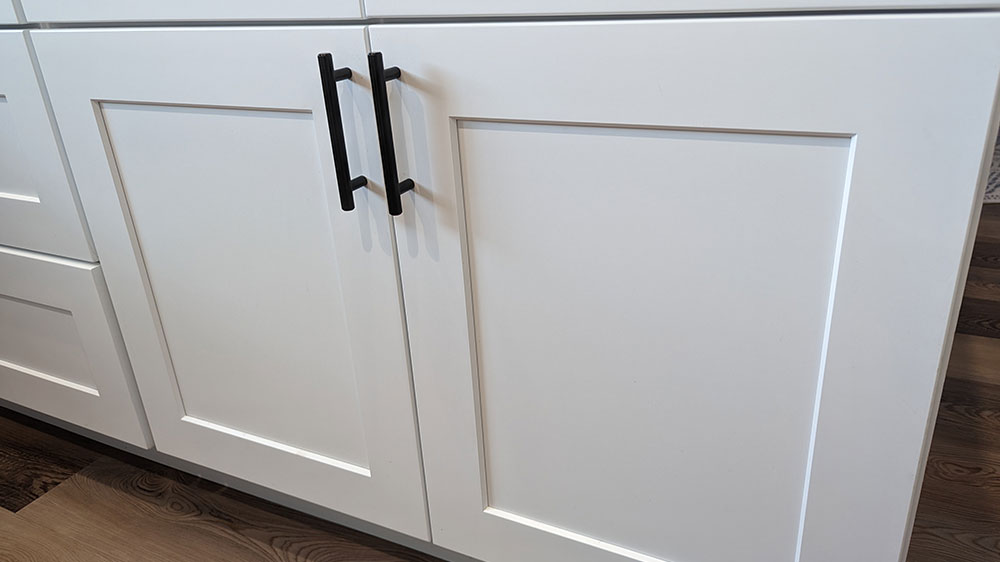
Credit: www.superiorstoneandcabinet.com
Choosing Drill Bit Sizes
Choosing the right drill bit size is key to installing cabinet hardware properly. The drill bit must match the hardware screws to ensure a secure fit. Too large a hole causes loose hardware. Too small makes installation hard or splits wood. This section covers basic sizes and tips for drilling holes for knobs and pulls.
Standard Sizes For Knobs And Pulls
Most cabinet knobs use a 3/16-inch drill bit. This size fits screws from 6-32 to 8-32 perfectly. Pulls often require the same 3/16-inch bit because their screws share the diameter.
For specialty pulls with larger screws, you might need a 7/32-inch bit. Always check the screw size before drilling. Using the standard sizes saves time and prevents mistakes.
Matching Bit Size To Screw Diameter
Match the drill bit diameter to the screw’s outer thread diameter. This ensures the screw threads bite into the wood firmly. Use a caliper or ruler to measure the screw’s thickness if unsure.
Drill a hole slightly smaller than the screw’s outer threads for best grip. Avoid drilling holes bigger than the screw. This can cause the hardware to wobble or fall off.
When To Use Pilot Holes
Pilot holes help prevent wood from splitting when you drive screws. Use a smaller bit than the screw’s core diameter to create pilot holes. This is especially important for hardwoods.
For softwoods or thin cabinet faces, pilot holes are still a good idea. They guide the screw and reduce the risk of cracking or damaging the cabinet surface.
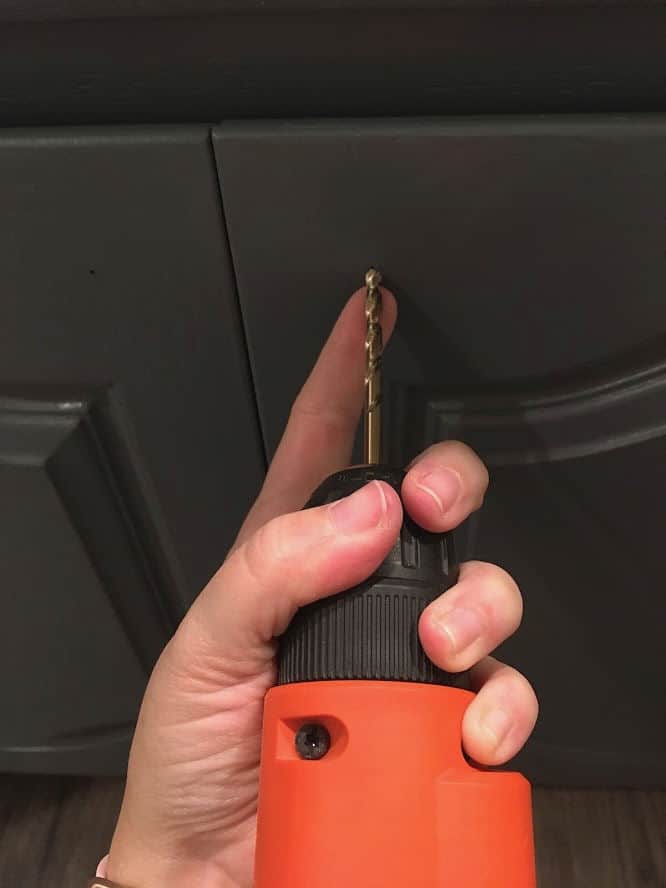
Credit: thepalettemuse.com
Tools For Accurate Drilling
The final installation steps ensure your cabinet hardware looks professional and lasts long. These simple tasks prepare the surface, check the fit, and secure the knobs or pulls firmly. Follow each step carefully for the best results.
Cleaning Debris From Holes
Remove all dust and wood chips from drilled holes. Use a small brush or compressed air to clear the area. Clean holes help hardware fit tightly and prevent damage during installation.
Test Fitting Hardware
Place each knob or pull into its hole to check the fit. Ensure the hardware aligns correctly and does not wobble. Adjust the hole or hardware if it feels loose or too tight.
Securing Knobs And Pulls Properly
Use the correct screws that match your hardware and hole size. Tighten screws by hand first, then use a screwdriver for a firm fit. Avoid over-tightening to prevent damage to the cabinet or hardware.
Credit: www.homedepot.com
Frequently Asked Questions
What Size Drill Bit For Cabinet Hardware?
Use a 3/16-inch drill bit for most cabinet hardware installation holes. It fits standard screws and prevents wood splitting.
What Is The 1 3 Rule For Cabinet Hardware?
The 1-3 rule for cabinet hardware means placing knobs or pulls 1 inch from the edge and 3 inches apart for balanced spacing.
How To Drill A Hole For Cabinet Hardware?
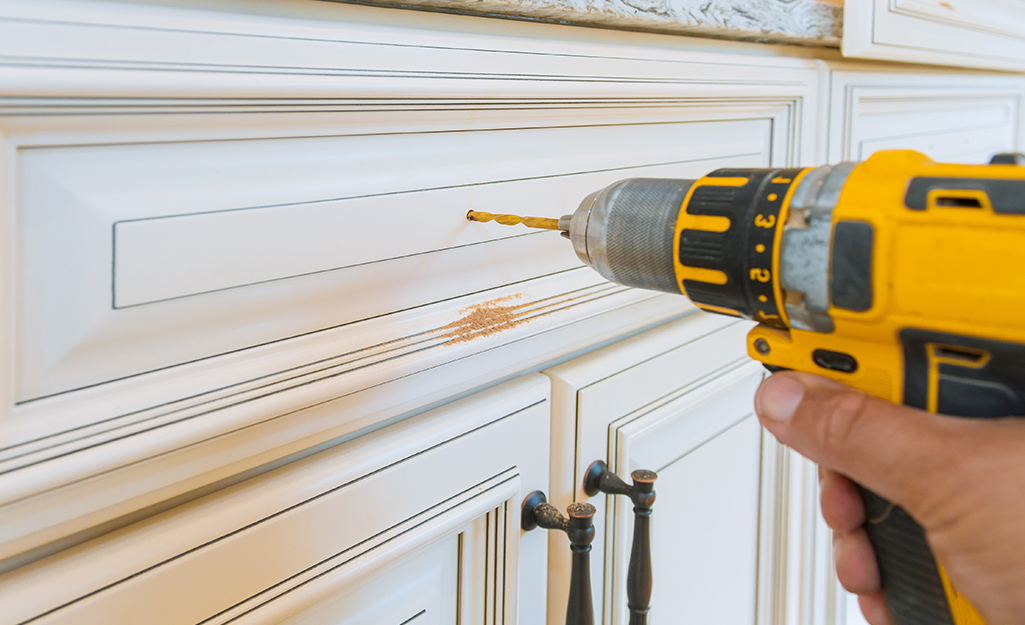
Measure and mark the exact spot using a hardware jig or template. Apply painter’s tape to prevent splintering. Drill a pilot hole with a smaller bit. Use a sharp bit and drill slowly from front to back. Place scrap wood behind to avoid blowout.
What Drill Bit For Cabinet Screws?
Use a 3/16-inch drill bit for most cabinet screws and hardware. Drill a pilot hole first to prevent wood splitting.
Conclusion
Choosing the right drill bit size ensures a smooth cabinet hardware installation. Use a 3/16-inch bit for most pulls and knobs. Always measure carefully and mark the spot before drilling. A pilot hole helps prevent wood splintering. Using a cabinet hardware jig makes placement easier and more consistent.
Take your time and check for obstacles behind the drilling area. With these simple steps, your cabinet hardware will fit perfectly and look great.