Have you ever struggled to secure something with just a piece of string or rope? The right fastening can make all the difference between a quick fix and a frustrating mess.
Whether you’re tying up a bundle, securing a tent, or just fastening your shoelaces, knowing a simple, reliable knot can save you time and effort. You’ll discover the easy fastening you can make with string or rope that holds strong yet unties without hassle.
Stick with me, and you’ll learn a skill that’s surprisingly useful in everyday life—and might just make your tasks a whole lot easier.
Credit: www.amazon.com
Basic Knot Types
Knots are simple fastenings made by tying string or rope. They hold things tight and secure. Different knots serve different purposes. Knowing basic knot types helps with many tasks. Each type has unique features and uses.
Loop Knots
Loop knots create a fixed loop in the rope. This loop does not slip or get smaller. They are useful for attaching things or making a handle. The bowline is a popular loop knot. It is strong and easy to untie after use.
Bend Knots
Bend knots join two ropes together. They keep the ropes connected firmly. The sheet bend is a common bend knot. It works well with ropes of different thicknesses. Bend knots are important for extending rope length safely.
Hitch Knots
Hitch knots tie a rope to an object. They hold the rope in place but can be adjusted. The clove hitch is a basic hitch knot. It is quick to tie and holds well under pressure. Hitch knots are helpful for securing ropes to poles or rings.
Common Knot Uses
Knot tying is a skill used in many daily activities. A knot fastens string or rope securely. Different knots serve different purposes. Learning common knots helps in practical tasks.
Securing Loads
Knots keep loads tight during transport. They prevent items from slipping or falling. Strong knots hold heavy objects firmly. Simple knots can secure boxes and bundles. Proper knot tying saves time and effort.
Fishing And Boating
Knots connect fishing lines to hooks and lures. They attach ropes to boats and docks. Reliable knots resist water and movement. Fishermen use knots to catch fish safely. Boaters rely on knots for safety and control.
Camping And Hiking
Knots help set up tents and tarps quickly. They fasten gear to backpacks or belts. Campers use knots to build shelters and hang food. Hiking ropes use knots for climbing and safety. Knowing knots improves outdoor comfort and security.
Essential Knot Techniques
Essential knot techniques form the base for strong and reliable fastenings. These knots work well with string or rope. Learning them helps in camping, boating, or daily tasks. Each knot has a simple method but serves a unique purpose.
Practice these basic knots to improve your fastening skills. They hold tightly yet can be untied without damage. Understanding these knots gives you confidence in handling ropes safely and efficiently.
Tying A Bowline
The bowline creates a fixed loop at the rope’s end. It does not slip or tighten under pressure. Start by making a small loop. Pass the rope end through the loop, around the standing part, and back down. Pull tight to secure the knot. The bowline is useful for rescue and securing loads.
Making A Square Knot
The square knot joins two rope ends together. It is easy to tie and untie. Cross the right end over the left and loop it under. Then cross the left end over the right and loop it under again. Tighten both ends. This knot is ideal for tying packages or bandages.
Using A Clove Hitch
The clove hitch fastens a rope to a post or pole. Wrap the rope around the object once. Cross the rope over itself and wrap it again. Slide the rope end under the second wrap. Pull tight to lock the knot. This hitch is useful for securing tents and temporary holds.
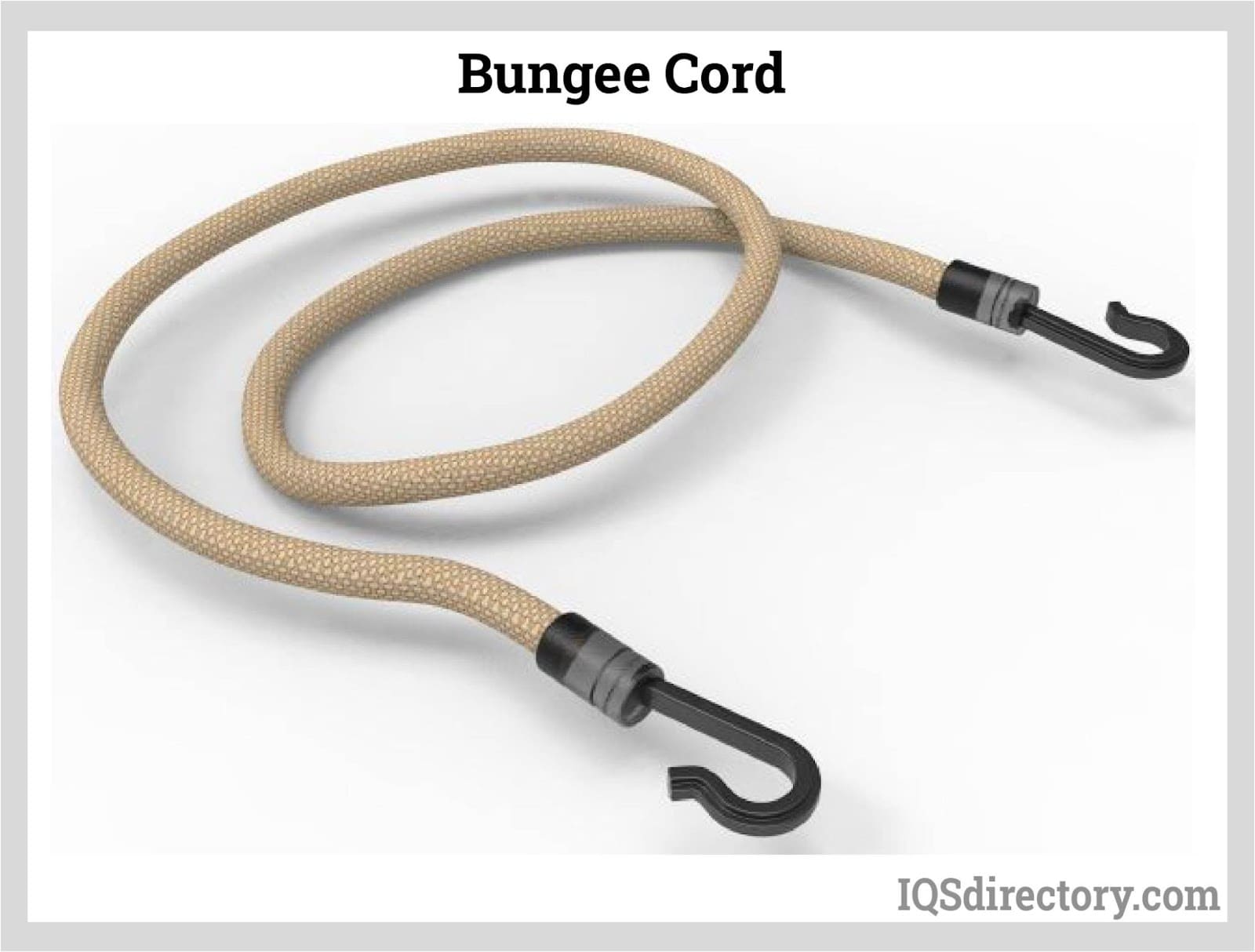
Credit: www.iqsdirectory.com
Tips For Stronger Knots
Strong knots hold better and last longer. They keep ropes secure and safe. Simple changes in how you tie knots make a big difference. Follow these tips to tie knots that stay tight and reliable.
Choosing The Right Rope
Select rope based on the job’s needs. Thicker ropes often hold knots better. Look for ropes that are flexible but strong. Avoid old ropes that may be worn out. New ropes with good grip help knots stay tight.
Proper Tightening Methods
Pull the rope ends evenly to tighten knots. Make sure the knot is snug but not overly tight. Tight knots resist slipping and loosening over time. Use your hands to feel for any slack. A well-tightened knot stays secure under pressure.
Avoiding Common Mistakes
Do not tie knots too close to the rope’s end. Avoid twisting the rope while tying the knot. Do not use knots that do not fit the purpose. Check knots regularly for signs of wear or loosening. Practice tying knots to improve your skill and confidence.
Specialty Knots
Specialty knots serve unique roles beyond basic fastening. They offer solutions tailored for different activities and needs. These knots combine function with technique to create strong, reliable holds. They also add style and safety to many tasks. Below, explore three types of specialty knots used in various fields.
Decorative Knots
Decorative knots enhance the look of ropes and cords. These knots form patterns that appeal to the eye. People use them in jewelry, crafts, and home decor. They often involve complex weaving and looping. Popular decorative knots include the Turk’s head and the Chinese button knot. These knots add charm and uniqueness to everyday items.
Rescue Knots
Rescue knots provide secure holds in emergencies. They help save lives by ensuring safety. These knots must be quick to tie and untie. Examples include the bowline and the figure-eight follow-through. Rescue knots resist slipping under load. They are essential tools for firefighters, climbers, and lifeguards.
Fishing Knots
Fishing knots connect hooks, lures, and lines tightly. They must hold well in wet conditions and resist slipping. Anglers rely on knots like the improved clinch and Palomar. These knots maximize strength and reduce line breakage. Properly tied fishing knots improve catch rates and tackle performance.
Knot Maintenance
Knot maintenance keeps your ropes strong and safe for use. Regular care helps avoid accidents and prolongs rope life. Simple steps can make a big difference.
Check your knots and ropes often. Clean and store them properly. This care keeps knots secure and ropes ready for any task.
Inspecting For Wear
Look closely at your rope and knots. Find frays, cuts, or weak spots early. Damaged ropes can break under pressure. Replace or repair ropes showing wear. This prevents failures during use.
Untying Stuck Knots
Stuck knots need gentle handling. Avoid pulling hard to prevent rope damage. Use a tool or your fingers to loosen tight knots. Work slowly to untangle knots safely. Clean knots after untying to remove dirt.
Storing Ropes
Store ropes in a dry, cool place. Avoid direct sunlight to prevent weakening. Coil ropes neatly to stop tangles and kinks. Keep ropes off the ground to avoid dirt and moisture. Proper storage keeps ropes strong and ready.
Credit: www.walmart.com
Frequently Asked Questions
What Is A Fastening You Make In A String Or Rope?
A fastening made in a string or rope is called a knot. It secures, joins, or creates loops in the material.
What Is A Rope Knot Called?
A rope knot is called a “knot. ” It is a fastening made by tying rope or string securely. Knots secure, join, or shorten ropes for various uses.
What Do You Call To The Fastening Made By A Piece Of Cord, Rope, Or Straw?
A fastening made by a piece of cord, rope, or straw is called a knot. Knots secure, tie, or bind objects together.
What Is Formed By Fastening A Rope To An Object Such As A Ring, Hook, Or Post?
A fastening formed by securing a rope to an object like a ring, hook, or post is called a knot.
Conclusion
Tying a knot is a simple skill anyone can learn. It helps secure items and keep things safe. Different knots serve different purposes, from tying shoes to securing loads. Practice makes it easier to tie knots quickly and correctly. Remember, a good knot holds tight but can also come undone when needed.
Keep experimenting with knots to find the best one for your task. Whether for work or fun, knots play a useful role every day.