
Are you struggling to find the right way to secure your projects quickly and reliably? Hillman fasteners might be exactly what you need.
These small but mighty tools can make your repairs and builds stronger and easier. In this guide, you’ll discover simple steps to use Hillman fasteners like a pro, saving you time and frustration. Keep reading, and you’ll unlock tips that can transform your DIY tasks from tricky to trouble-free.

Credit: www.amazon.com
Types Of Hillman Fasteners
Hillman fasteners come in many types to suit different tasks. Each type has a unique design and purpose. Understanding these fasteners helps in choosing the right one. This section explains the main types of Hillman fasteners.
Screws And Bolts
Screws and bolts are essential for joining materials. Screws have sharp threads to cut into wood or metal. Bolts need nuts to hold parts together firmly. Both come in various sizes and finishes. They offer strong, reliable connections for many projects.
Nuts And Washers
Nuts are used with bolts to secure joints tightly. Washers sit between the nut and the surface. They spread the load and prevent damage to materials. Washers also reduce loosening from vibration. Together, nuts and washers improve the strength of fastened parts.
Anchors And Hooks
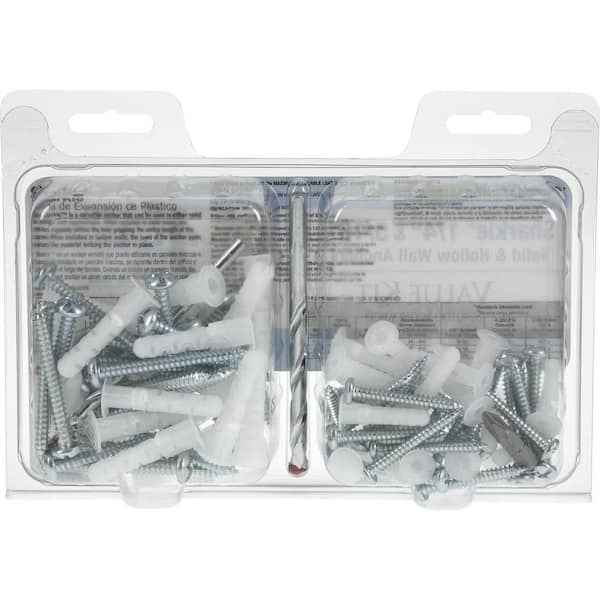
Anchors help fasten items to walls or ceilings. They expand to grip inside drywall or masonry. Hooks attach objects like tools or decorations. They come in different shapes and sizes. Anchors and hooks add support for hanging heavy or awkward items.
Choosing The Right Fastener
Choosing the right Hillman fastener is key for strong and lasting results. Each project needs a fastener that fits the materials and holds the load. A good choice saves time and prevents damage. Consider these important factors to pick the best fastener for your job.
Material Compatibility
Fasteners must match the materials you join. Metal, wood, and plastic all need different types. Steel fasteners work well with wood and metal. Brass or stainless steel suits outdoor or moist areas. The right match stops rust and keeps parts tight.
Size And Length Selection
Choose fastener size based on the thickness of the materials. Too short will not hold well. Too long may poke out or break the surface. Measure carefully and select a size that fits snugly. Remember, the fastener should go deep enough for a strong grip.
Load Requirements
Check how much weight the fastener must hold. Heavy loads need thick, strong fasteners. Light loads work with smaller sizes. Always pick a fastener with strength above the expected load. Safety and stability depend on the right load capacity.
Tools Needed For Installation
Before installing Hillman fasteners, gather the right tools. Using proper tools makes the job easier and safer. The tools needed depend on the type of fastener and material. Some tools are simple hand tools, while others are power tools. Safety gear is also important to protect yourself during installation.
Basic Hand Tools
Basic hand tools include screwdrivers, pliers, and a hammer. A flathead or Phillips screwdriver fits most fasteners. Pliers help hold and twist fasteners securely. A hammer is useful for driving some types of fasteners into wood or drywall. A tape measure helps you mark exact spots for installation.
Power Tools
Power tools speed up the installation process. A cordless drill with screwdriver bits is the most common. It helps drill holes and drive fasteners quickly. An impact driver works well for tougher materials like metal. Use a drill bit set to pre-drill holes if needed. Keep batteries charged for uninterrupted work.
Safety Gear
Safety gear protects your eyes, hands, and ears. Wear safety glasses to avoid flying debris. Gloves prevent cuts and scrapes on your hands. Ear protection reduces noise from power tools. Use a dust mask if drilling creates dust. Always follow safety rules to avoid injuries.
Credit: lepaystchad.com
Step-by-step Installation
Installing Hillman fasteners correctly ensures a strong and lasting hold. Follow these steps carefully for the best results. Each step prepares you for the next, making the process smooth and easy.
Preparing The Surface
Start by cleaning the area where you will attach the fastener. Remove dirt, dust, and grease. A clean surface helps the fastener grip better. Use a cloth or brush to wipe the surface clean. Make sure it is dry before moving to the next step.
Drilling Pilot Holes
Mark the spots for drilling pilot holes. Use a pencil or marker to place dots where the fasteners will go. Select a drill bit that matches the size of the fastener. Drill holes straight and deep enough for the fastener to fit well. Avoid drilling too large holes, which can weaken the hold.
Securing The Fastener
Place the Hillman fastener into the pilot hole carefully. Use a screwdriver or drill driver to tighten the fastener. Turn slowly to avoid stripping the threads. Make sure the fastener is flush with the surface. Check that it feels secure and does not move.
Common Repair Scenarios
Hillman fasteners are versatile tools for many repair tasks. They hold parts tightly and last long. Knowing where to use them helps fix things quickly and well.
Furniture Fixes
Hillman fasteners work well to repair broken furniture. Tighten loose chair legs or reattach table parts. They keep wood pieces from wobbling or falling apart. Use screws or bolts from Hillman to make joints strong again.
Wall Mounting
Use Hillman fasteners to hang shelves or pictures on walls. They hold heavy items safely without damage. Choose the right type for drywall or concrete. Proper fasteners stop nails from pulling out or walls cracking.
Outdoor Repairs
Hillman fasteners resist rust and weather damage. They fix fences, garden tools, and outdoor furniture. Strong bolts and screws keep structures steady through sun and rain. Always pick fasteners made for outdoor use to last longer.

Credit: www.amazon.com
Maintenance Tips
Maintaining Hillman fasteners is key to keeping them strong and reliable. Regular care helps avoid common problems like rust and looseness. Simple steps can extend their life and keep your projects safe. Follow these easy maintenance tips to protect your fasteners.
Preventing Rust And Corrosion
Rust can weaken fasteners and cause failure. Keep fasteners dry and clean to stop rust. Use a rust-resistant spray or coating for extra protection. Store unused fasteners in a dry place. Avoid exposing them to moisture for long periods.
Tightening Loose Fasteners
Loose fasteners reduce stability and safety. Check fasteners regularly for looseness. Use the right tool to tighten them gently. Avoid over-tightening, which can damage the fastener or material. Regular checks help keep everything secure and steady.
Replacing Damaged Parts
Damaged fasteners lose strength and grip. Replace any fastener showing cracks or wear. Use the same size and type for replacement. Inspect fasteners during project updates or repairs. Timely replacement keeps your work safe and strong.
Frequently Asked Questions
What Are Hillman Fasteners Used For?
Hillman fasteners are used to securely join materials like wood, metal, and plastic. They provide strong, reliable connections in construction and DIY projects. These fasteners come in various types, including screws, nuts, and bolts, catering to different fastening needs efficiently.
How Do You Install Hillman Fasteners Correctly?
To install Hillman fasteners, align the materials properly, then insert the fastener using the appropriate tool. Ensure the fastener is tight but avoid over-tightening to prevent damage. Follow manufacturer instructions for best results and safety.
Can Hillman Fasteners Be Used Outdoors?
Yes, Hillman fasteners designed for outdoor use are typically coated to resist rust and corrosion. Choose galvanized or stainless steel options for durability in harsh weather. Proper fastener selection ensures long-lasting outdoor applications.
What Tools Are Needed For Hillman Fasteners?
Common tools include screwdrivers, wrenches, and drills compatible with the fastener type. Using the correct tool ensures secure fastening and prevents damage. Always check the fastener specifications before starting your project.
Conclusion
Hillman fasteners hold materials firmly and securely. They save time and effort during assembly. Choose the right fastener for each project. Follow the steps carefully to ensure a strong hold. Using the correct tools makes the job easier. These fasteners work well for wood, metal, and more.
Practice helps you install them faster and better. Trust Hillman fasteners for reliable and simple connections. Keep your projects neat and sturdy every time.