Are you struggling to secure materials when you can only access one side? Blind fasteners might be the simple solution you need.
Knowing how to install blind fasteners correctly can save you time, improve your project’s strength, and give you a professional finish every time. In this guide, you’ll discover easy steps and expert tips to get the job done right—no guesswork, no frustration.
Keep reading to unlock the secret to stronger, cleaner connections that make your work stand out.
Types Of Blind Fasteners
Blind fasteners are essential for joining materials without access to the back side. They provide strong, reliable holds in tight spaces. Different types of blind fasteners serve different purposes and materials. Choosing the right type ensures a secure and lasting connection.
Rivet Nuts
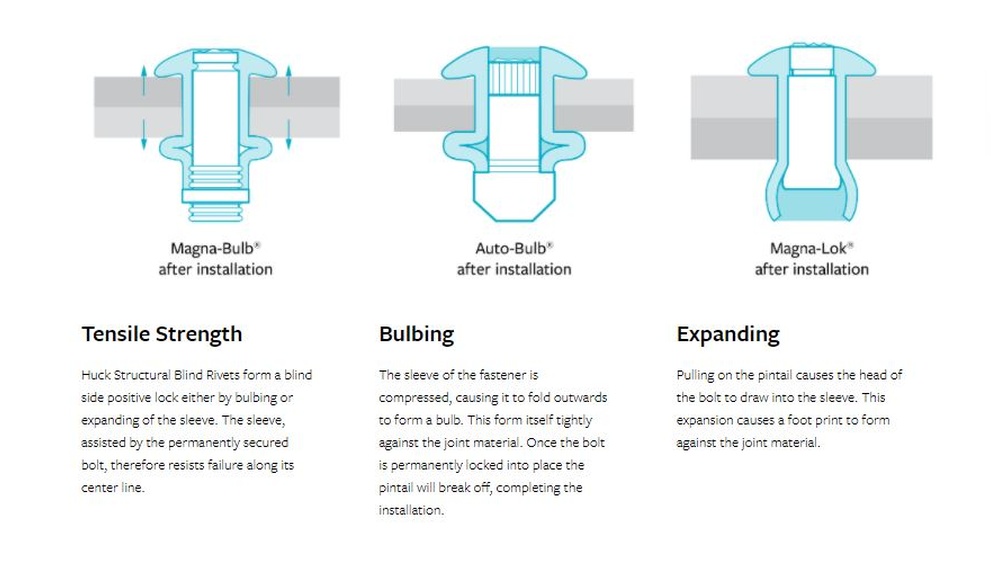
Rivet nuts are hollow fasteners that work like nuts in thin materials. They install from one side, making them ideal for blind applications. You insert a rivet nut into a hole and use a special tool to expand it. This creates a strong thread for bolts or screws. They work well with metal, plastic, and composite materials.
Pop Rivets
Pop rivets are simple and quick to install. They consist of a smooth body and a mandrel. When you pull the mandrel, the rivet body expands to hold the materials together. Once set, the mandrel breaks off. Pop rivets suit aluminum, steel, and other metals. They are great for light to medium-strength joints.
Threaded Inserts
Threaded inserts add a permanent thread inside soft or thin materials. They fit into a drilled hole and create a strong grip. Inserts work with wood, plastic, and metal. Installation tools push or screw them in place. They allow repeated fastening and unfastening without damage.
Tools Needed For Installation
Installing blind fasteners requires a few key tools. These tools make the job easier and ensure strong, secure fastening. Using the right tools also helps avoid mistakes and saves time. Here is a list of essential tools for installing blind fasteners.
Drill And Drill Bits
A drill is necessary to make holes for the fasteners. Choose drill bits that match the size of the blind fasteners. Use sharp, high-quality bits for clean holes. Clean holes help the fasteners fit tightly and hold well.
Rivet Gun Or Installation Tool
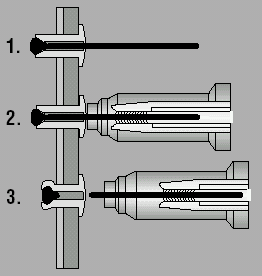
A rivet gun or a special installation tool sets the blind fasteners. This tool pulls the fastener’s mandrel to expand and lock it in place. Choose a tool that fits the size and type of fasteners used. Manual or pneumatic tools work well depending on the project size.
Measuring Tools
Accurate measurement ensures correct hole placement. Use a tape measure or ruler to mark drilling points. A center punch helps mark the exact drilling spot to avoid drill slip. Precise measurements prevent misalignment and weak joints.
Preparing The Work Surface
Preparing the work surface is a key step before installing blind fasteners. A clean, well-marked, and properly sized hole ensures the fastener fits tightly. This process helps avoid mistakes and makes the installation smoother. Follow these steps carefully to get the best results.
Cleaning The Area
Start by cleaning the surface around the installation spot. Remove dust, dirt, and grease with a cloth or brush. A clean surface helps the fastener hold firmly. It also prevents damage to the materials during installation. Take your time to ensure no debris remains.
Marking Drill Points
Next, mark the exact points where you will drill holes. Use a pencil or marker for clear, visible marks. Double-check measurements to keep holes aligned. Correct marks prevent fastener misplacement and weak joints. Precise marking saves time and reduces errors.
Choosing Correct Hole Size
Choose a drill bit that matches the fastener size exactly. A hole too large or too small causes poor fitting. Check the fastener packaging for recommended drill size. Use a drill guide or template if available. Accurate holes ensure strong and secure fastening.

Credit: www.hfsindustrial.com
Step-by-step Installation Guide
Installing blind fasteners correctly ensures a strong, lasting hold. This step-by-step guide breaks down the process into simple actions. Follow each step carefully for the best results.
Drilling The Hole
Start by selecting the correct drill bit size for your fastener. Mark the spot where the fastener will go. Use a drill to make a clean hole through the materials. Keep the drill steady and straight to avoid damage. Clear out any debris from the hole before moving on.
Inserting The Fastener
Place the blind fastener into the drilled hole. Ensure it fits snugly without forcing it in. The fastener should be flush with the surface. Hold the fastener steady to prepare for setting. Check alignment to avoid future problems.
Setting The Fastener
Use a proper setting tool or rivet gun for installation. Pull the mandrel or stem to expand the fastener inside. Continue until the fastener locks firmly in place. Avoid over-tightening, which can damage the material. The fastener should hold tight and not move.
Inspecting The Installation
Look closely at the fastener for any cracks or gaps. Make sure the fastener sits evenly on the surface. Test the strength by gently tugging on the fastener. Confirm the fastener does not spin or loosen. Fix any issues before finishing the project.
Common Installation Mistakes
Installing blind fasteners may seem easy, but many make common mistakes. These errors can cause weak joints and wasted materials. Knowing what to avoid helps ensure a strong, lasting hold. Here are some typical installation mistakes to watch for.
Incorrect Hole Size
Drilling the wrong hole size is a frequent problem. Holes too big or too small affect fastener grip. Too large holes cause loose fittings and weak joints. Too small holes make insertion hard and damage the fastener. Always check the fastener guide for the correct hole size.
Improper Tool Use
Using the wrong tools can ruin the installation. Some tools do not apply the right force or pressure. Hand tools not made for blind fasteners often slip or fail. Use proper setting tools designed for your fastener type. This ensures correct installation and avoids damage.
Over-tightening
Applying too much force is a common error. Over-tightening can break the fastener or distort materials. It may also strip threads or cause cracks. Tighten fasteners just enough to secure parts firmly. Follow manufacturer torque guidelines to avoid damage.
Credit: www.fastenermart.com
Maintenance Tips For Blind Fasteners
Maintaining blind fasteners is key to keeping your projects strong and secure. Regular care helps avoid problems and extends the life of the fasteners. Simple steps can make a big difference in performance.
Regular Inspections
Check blind fasteners often for signs of wear or damage. Look for rust, cracks, or looseness. Early detection helps prevent bigger issues. Use a flashlight to see hidden areas clearly. Tighten any loose fasteners carefully to maintain stability.
Cleaning Fasteners
Keep blind fasteners clean from dirt and debris. Wipe them with a soft cloth regularly. Use mild soap and water for tougher grime. Avoid harsh chemicals that can damage the fastener material. Dry fasteners well to prevent rust and corrosion.
Replacing Damaged Fasteners
Replace fasteners that show signs of damage immediately. Using broken fasteners weakens the whole structure. Select the correct size and type for replacement. Remove the old fastener carefully to avoid damage. Install new fasteners firmly to ensure a secure fit.
Credit: blog.baysupply.com
Frequently Asked Questions
What Tools Are Needed To Install Blind Fasteners?
You need a blind rivet gun, drill, drill bits, and safety gear. These tools ensure precise installation and secure fastening. Proper tools prevent damage and increase efficiency during the process.
How Do Blind Fasteners Work In Assembly?
Blind fasteners join materials from one side when access is limited. They expand behind the material to form a strong, permanent hold. This makes them ideal for hard-to-reach areas.
Can Blind Fasteners Be Used On Different Materials?
Yes, they work on metal, plastic, and composite materials. Choose the correct type and size for your specific material to ensure strong fastening and durability.
What Are Common Mistakes When Installing Blind Fasteners?
Common errors include incorrect hole size, improper tool use, and insufficient grip length. These mistakes can cause weak joints or fastener failure. Follow guidelines carefully for best results.
Conclusion
Installing blind fasteners is simple with the right steps. Choose the correct fastener size and type for your project. Prepare the materials carefully before starting the installation. Use the proper tools to ensure a strong, secure fit. Take your time and check each fastener as you go.
This method saves time and gives lasting results. Practice a few times to build confidence and skill. Soon, installing blind fasteners will become easy and routine. Trust the process and enjoy the improved quality of your work.