Are you struggling to get your projects to hold together just right? Knowing how to use screw fasteners can make all the difference between a shaky build and a solid, lasting result.
Whether you’re fixing furniture, assembling shelves, or working on a DIY project, the right technique will save you time and frustration. You’ll discover simple tips and clear steps to master screw fasteners, so your work looks professional and stands strong.
Ready to boost your skills and confidence? Let’s dive in.
Types Of Screw Fasteners
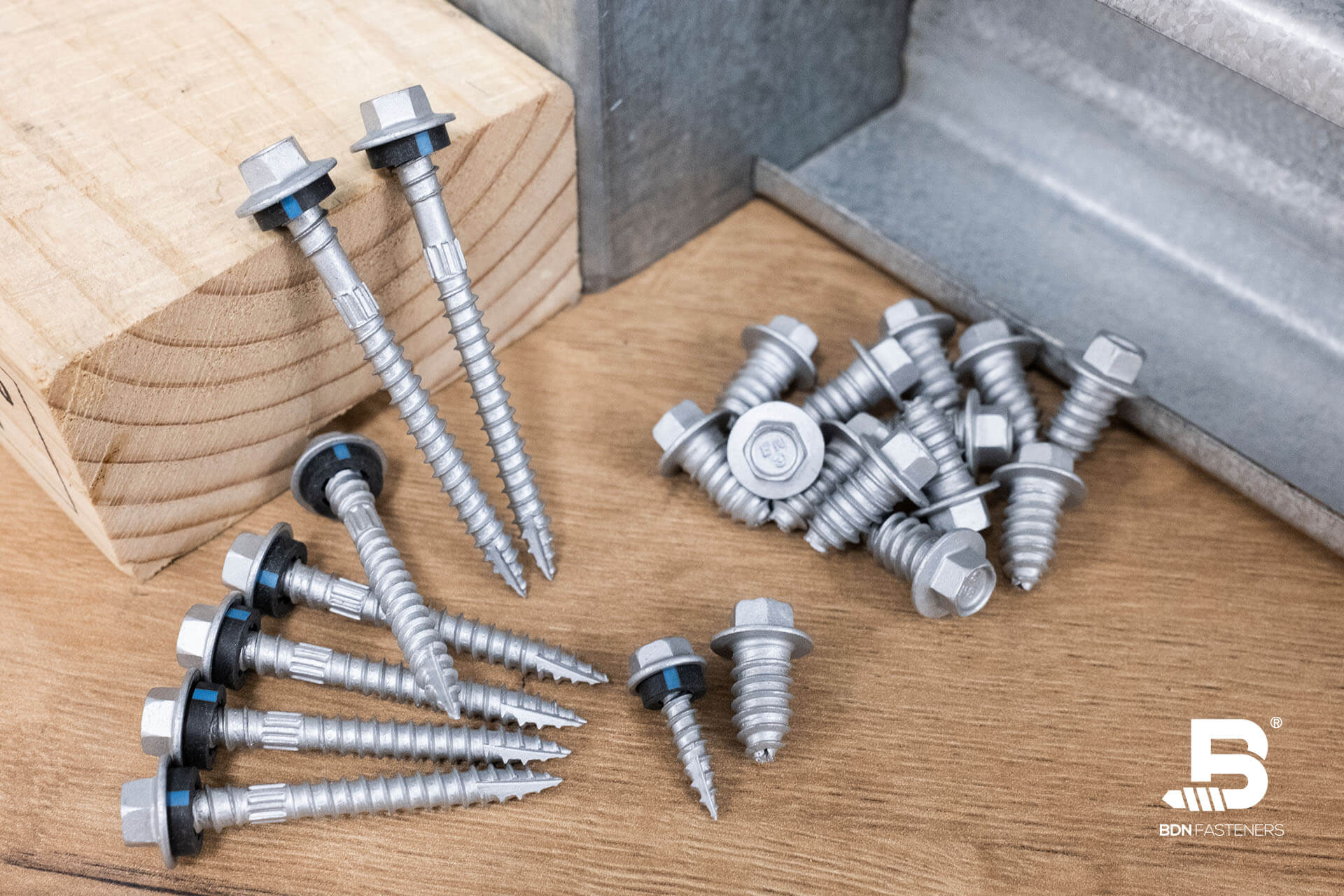
Screw fasteners come in many types, each designed for specific tasks. Choosing the right type helps ensure strong and lasting connections. Understanding these types aids in selecting the best screw for your project.
Wood Screws
Wood screws are made for joining wood pieces. They have sharp threads to grip wood fibers tightly. Usually, they have a smooth shank to pull wood parts together. They come in various lengths and sizes for different wood thicknesses.
Machine Screws
Machine screws fasten metal parts with pre-made holes. They work with nuts or threaded holes. These screws have uniform threads along their entire length. They are perfect for machines and electronic devices.
Sheet Metal Screws
Sheet metal screws hold thin metal sheets together. Their sharp threads cut into metal for a secure hold. They can also attach metal to other materials like plastic. These screws often have a pointed tip for easy starting.
Self-tapping Screws
Self-tapping screws create their own threads while driving in. They save time by removing the need to drill pilot holes. These screws work on metal, plastic, and wood. They are handy for quick assembly and repairs.
Lag Screws
Lag screws are heavy-duty fasteners for wood and other materials. They have thick, coarse threads and a strong shank. These screws require a pilot hole and are driven with a wrench. They hold heavy loads like beams and posts securely.
Choosing The Right Screw
Choosing the right screw is key to a strong and lasting hold. The wrong screw can cause damage or fail to keep parts together. Understanding the basics of screw types helps you pick the best one for your project. Focus on the screw’s material, size, and head style to match your needs perfectly.
Material Considerations
Screw materials affect strength and rust resistance. Steel screws are strong and common for most tasks. Stainless steel screws resist rust and suit outdoor use. Brass screws look nice and resist corrosion but are softer. Choose material based on where and how the screw will be used.
Screw Length And Diameter
Length must suit the thickness of joined materials. Too short, and the screw won’t hold well. Too long, and it may damage the material or poke out. Diameter relates to screw strength. Thicker screws hold more weight but need bigger holes. Match length and diameter carefully for safety and durability.
Head Types And Drive Styles
Screw heads come in many shapes: flat, round, or pan. Flat heads sit flush with surfaces for a clean look. Round heads stand above the surface and offer more grip. Drive styles include slotted, Phillips, and Torx. Choose a drive that fits your screwdriver to avoid stripping screws. Proper head and drive styles make installation easier and hold stronger.
Tools For Screw Assembly
Using the right tools for screw assembly makes the job easier and faster. Good tools help you insert screws correctly without damaging the material. They also reduce hand strain and improve precision. Understanding the types of tools available helps you choose the best one for your project.
Screwdrivers And Drivers
Screwdrivers are simple hand tools for turning screws. They come in many shapes, like flathead and Phillips. Choose a screwdriver that matches the screw head to avoid slipping. Drivers are similar but often have interchangeable bits for different screws. They offer better control and grip than basic screwdrivers.
Power Tools
Power tools speed up screw assembly tasks. Cordless drills with screwdriver bits are popular choices. They save time and effort, especially for many screws. Electric screwdrivers provide steady power and reduce hand fatigue. Use power tools carefully to avoid over-tightening or stripping screws.
Additional Accessories
Accessories improve screw assembly accuracy and ease. Magnetic bit holders keep screws in place while you work. Extension bits help reach tight or deep spots. A screw extractor removes damaged or stuck screws safely. Having these extras can make your work smoother and more efficient.
Credit: bdnfasteners.com
Preparing For Assembly
Preparing for assembly is the first step to using screw fasteners properly. It helps ensure the parts fit together well. Careful preparation saves time and prevents mistakes. It makes the whole process smoother and safer.
Marking And Aligning
Mark the exact spots where screws will go. Use a pencil or marker for clear marks. Align parts carefully before fastening. This keeps everything straight and balanced. Proper alignment stops gaps or uneven joints.
Pre-drilling Holes
Drill holes before inserting screws. This prevents wood or material from splitting. Choose a drill bit slightly smaller than the screw. Drill straight to keep holes clean and precise. Pre-drilling makes screwing easier and faster.
Selecting Proper Torque
Use the right torque to tighten screws. Too much force can strip threads or break parts. Too little force may cause loose joints. Adjust the torque on your screwdriver or drill. Proper torque ensures strong and lasting connections.
Techniques For Driving Screws
Driving screws properly is key to a strong, lasting hold. Using the right technique saves time and effort. It also prevents damage to the materials and the screws themselves.
Understanding how to drive screws by hand and with power tools helps you work safely and effectively. Avoiding common mistakes keeps your project neat and secure.
Manual Screw Driving Tips
Choose a screwdriver that fits the screw head exactly. This reduces slipping and makes turning easier. Hold the screwdriver straight to the surface. Apply steady pressure as you turn the screw. Turn slowly at first to avoid slipping out. Use your body weight to push down if the screw is tough to drive. Stop if the screw resists too much to avoid breaking it.
Using Power Drivers Safely
Select the right bit for the screw type and size. Insert the bit firmly into the driver. Set the driver to low speed for better control. Keep the driver straight and steady while driving. Use short bursts of power rather than continuous pressing. Wear safety glasses to protect your eyes. Keep fingers away from the bit to avoid injury.
Avoiding Stripping And Damage
Stripping happens when the screwdriver slips inside the screw head. Use the correct size and type of bit. Keep the driver aligned with the screw axis. Drive screws slowly and with steady pressure. If resistance grows, back the screw out and try again. Stop if the screw head shows signs of wear. Using pilot holes can prevent splitting wood and reduce stripping.
Common Assembly Issues
Using screw fasteners can sometimes lead to problems during assembly. These common issues can slow down your project or cause damage. Understanding how to handle these problems helps you work faster and safer. Here are three frequent problems and ways to fix them.
Dealing With Cross-threading
Cross-threading happens when a screw is not aligned properly with the hole. This can damage the threads and make the screw hard to turn. To avoid this, start the screw slowly and straight. If cross-threading happens, remove the screw and check the threads. Use a tap tool to clean damaged threads or replace the screw if needed.
Fixing Loose Screws
Loose screws can cause parts to move or fall apart. They often happen because of worn threads or vibration. Tighten the screw firmly but do not over-tighten. If it stays loose, add a small piece of paper or thread locker. These fill gaps and keep the screw tight. Replace the screw if threads are damaged.
Removing Stuck Screws
Stuck screws are hard to remove due to rust or over-tightening. Use a screwdriver that fits the screw head perfectly. Apply some penetrating oil and wait a few minutes. Try turning the screw slowly back and forth. If it still does not move, use a rubber band for extra grip or a screw extractor tool.
Maintenance And Inspection
Regular maintenance and inspection of screw fasteners keep them working well. It helps avoid problems like loosening, rust, or breakage. Checking screws often ensures safety and extends their life.
Checking Screw Tightness
Use a screwdriver or wrench to check if screws are tight. Loose screws can cause parts to fall apart. Turn screws gently to avoid stripping their heads. Tighten any loose screws carefully.
Replacing Damaged Screws
Remove screws that are bent, stripped, or broken. Damaged screws do not hold parts securely. Use new screws of the same size and type. Replace them to maintain strong connections.
Corrosion Prevention
Keep screws dry to stop rust. Use oil or spray protectant on metal screws. Choose screws made of stainless steel or coated materials for wet areas. Check screws regularly for signs of corrosion.
:max_bytes(150000):strip_icc()/how-to-use-and-discard-anchor-screws-1822671-003-06-fb50737ae9234d2290a1c9d0ebc08a91.jpg)
Credit: www.thespruce.com
Advanced Tips For Perfection
Advanced tips help achieve perfect results with screw fasteners. They improve strength and durability. These tips focus on small details that make a big difference. Follow them to avoid common mistakes and get a secure hold every time.
Using Thread Lockers
Thread lockers stop screws from loosening. They come as liquids or tapes. Apply a small amount on the screw threads. This creates a strong bond and resists vibrations. Choose the right strength for your project. Medium strength works for most repairs. High strength is for heavy-duty tasks. Avoid too much, as it can make removal hard.
Balancing Torque And Material Strength
Torque is the force used to tighten screws. Too much torque can strip threads or break parts. Too little torque causes loose screws. Use a torque wrench for accuracy. Check the material’s strength before tightening. Softer materials need less torque. Harder materials can handle more force. Find the balance for a safe, firm fit.
Customizing Screw Selection
Choosing the right screw is key to success. Consider length, diameter, and thread type. Match screws to the material and purpose. Wood screws for wood, machine screws for metal. Use corrosion-resistant screws in damp areas. Pick screws with the right head shape for your tool. Customizing screws prevents damage and ensures a strong joint.
Credit: www.youtube.com
Frequently Asked Questions
What Are The Common Types Of Screw Fasteners?
Common screw fasteners include wood screws, machine screws, sheet metal screws, and self-tapping screws. Each type suits different materials and applications, ensuring secure and efficient fastening.
How Do I Choose The Right Screw Fastener?
Choose based on material, load, and environment. Consider screw length, thread type, and head style for best performance and durability.
Can Screw Fasteners Be Reused Safely?
Reusing screws depends on condition. Avoid reusing damaged or stripped screws to maintain strong and safe connections.
What Tools Are Needed For Screw Fasteners?
Typical tools include screwdrivers, drills with screwdriver bits, and sometimes torque wrenches for precise fastening.
Conclusion
Using screw fasteners is simple and helps secure materials tightly. Choose the right type and size for your project. Always drill pilot holes to avoid splitting wood. Turn screws steadily and avoid over-tightening to prevent damage. Practice makes the process easier and faster.
Follow these steps to finish your work neatly and safely. Screw fasteners provide strong, reliable holds for many tasks. Keep tools clean and sharp for best results. Now you can use screw fasteners with confidence and care.