Are you struggling to figure out the right length for your fasteners? Choosing the correct fastener length is crucial for a secure and strong hold.
If you get it wrong, your project could end up weak or even fall apart. But don’t worry—measuring fastener length is easier than you think. You’ll learn simple, clear steps to measure fasteners correctly every time. Keep reading, and you’ll save time, avoid costly mistakes, and make your projects last longer.
Types Of Fasteners
Fasteners come in many types. Each type has a specific use and shape. Understanding the types helps measure their length correctly. Length measurement depends on the fastener’s design and purpose.
Screws And Bolts
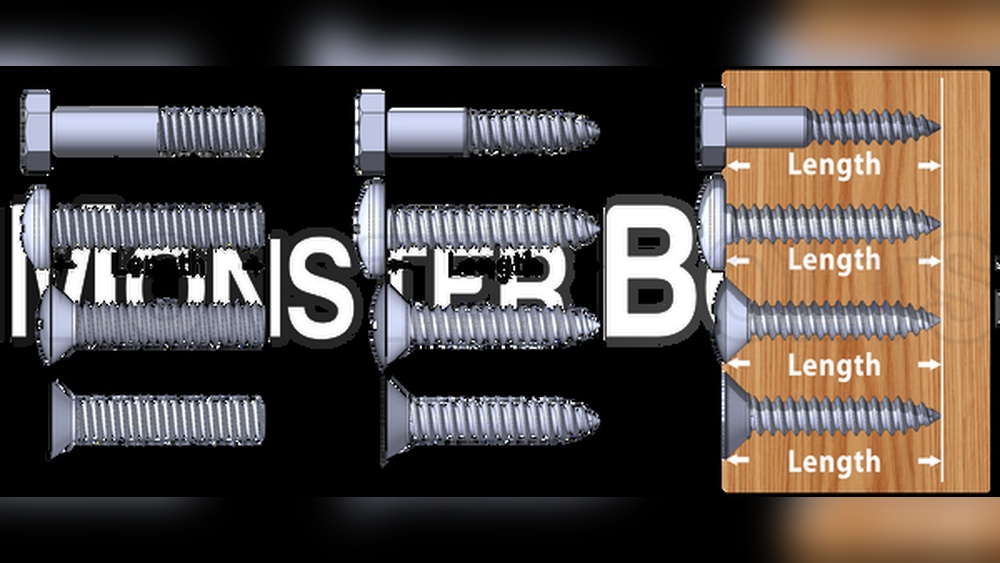
Screws and bolts are common fasteners. Screws have a sharp point and thread along the shaft. Bolts have a flat end and need a nut. Measure screws from the tip to the head base. Bolts are measured from under the head to the end.
Nails And Pins
Nails and pins are simple fasteners. Nails have a smooth shaft with a flat head. Pins are thin and often headless. Measure nails from the pointed tip to the top of the head. Pins are measured from end to end.
Specialty Fasteners
Specialty fasteners include rivets, anchors, and clips. Rivets are measured from the head’s top to the tail. Anchors vary but usually measure the full length inside material. Clips and other types need specific measurement based on shape.
Credit: www.mudgefasteners.com
Essential Tools For Measuring
Measuring fastener length needs the right tools. Choosing the proper tool ensures accuracy and saves time. Different tools suit different measurement needs. Below are the most essential tools for measuring fastener length.
Rulers And Tape Measures
Rulers and tape measures are basic yet useful tools. They work well for quick, rough measurements. Use a ruler for small fasteners with clear markings. Tape measures help with larger fasteners or bolts. Both tools are easy to carry and use anywhere.
Calipers And Micrometers
Calipers and micrometers offer precise measurements. Calipers can measure length, diameter, and depth. Digital calipers give clear, easy-to-read results. Micrometers provide even higher accuracy for small fasteners. These tools are perfect for detailed work and tight tolerances.
Depth Gauges
Depth gauges measure the length of fasteners with hidden threads. They help check how deep a screw or bolt goes. Using a depth gauge avoids guesswork in blind holes. This tool gives accurate depth readings for proper fastener fit.
Measuring Fastener Length Basics
Measuring fastener length is an important skill for many projects. Knowing the right length helps ensure strong and safe connections. It also saves time and materials. Understanding the basics makes measuring fasteners easier and more accurate.
This section explains key points to measure fastener length correctly. You will learn about the difference between length and threaded portion, how head types affect measurement, and ways to measure fasteners without removing them.
Length Vs. Threaded Portion
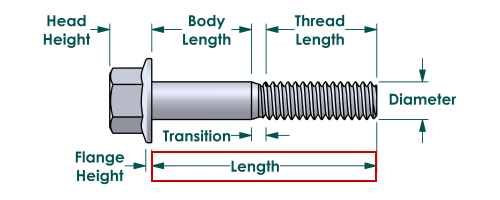
Fastener length means the total distance from the bottom to the top. This usually includes the shank and threaded part. The threaded portion is the part with spiral grooves for screwing in. Some fasteners have threads along the entire length. Others have only part of it threaded. Knowing which part to measure avoids mistakes.
Length is often measured from under the head to the tip. Threaded portion length is shorter if the shank is smooth. Check the type of fastener to know what to measure. This helps pick the correct size for your project.
Head Types And Their Impact
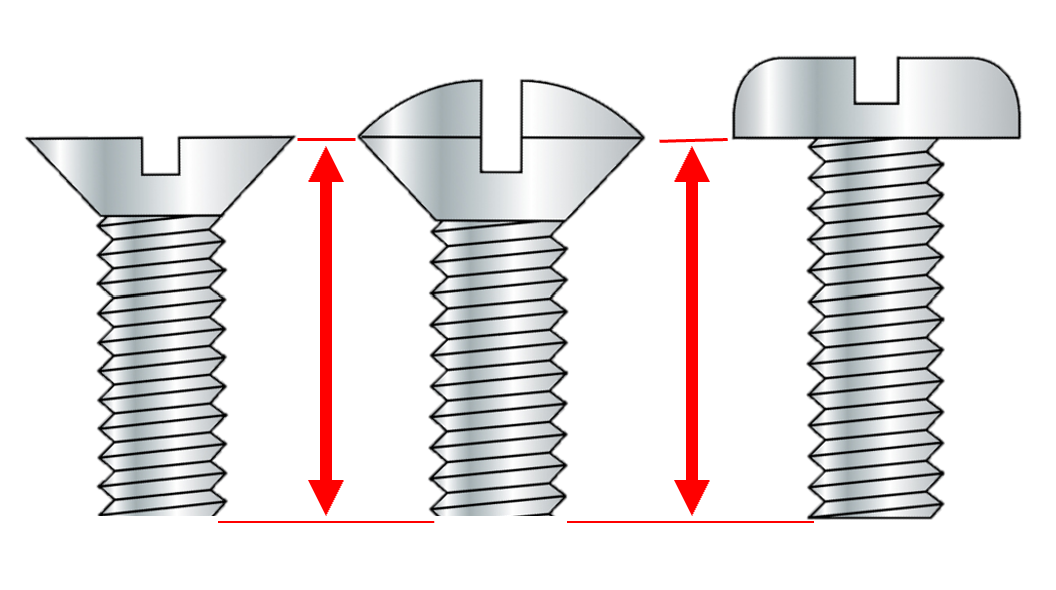
Fasteners have different head types like flat, pan, or countersunk. The head can affect how you measure the length. For countersunk heads, measure from the top of the head to the tip. For other heads, measure from under the head to the tip.
Knowing the head type helps avoid wrong length measurement. The wrong length can cause poor fitting or weak connections. Always check the head type before measuring.
Measuring Without Removing Fasteners
Sometimes, removing fasteners is not possible. Measuring length without removal saves time and effort. Use a ruler or caliper and measure from the visible part of the fastener.
Estimate the length by comparing with a similar fastener. Use a gauge tool for more accuracy. Mark the measurement carefully. This method helps maintain the project without damage.
Step-by-step Measuring Process
Measuring fastener length is simple when done step-by-step. Follow this clear process to get the right size every time. Accuracy matters. Even small errors can cause problems in your project.
Preparing The Fastener
Start by cleaning the fastener. Remove dirt or rust. This helps get a clear measurement. Place the fastener on a flat surface. Hold it steady to avoid mistakes. Check if the fastener has a head or is headless. This affects where you measure from.
Aligning Measuring Tools
Use a ruler or caliper for best results. Place the tool next to the fastener. Align the zero mark with one end of the fastener. For headed fasteners, start at the bottom of the head. For headless fasteners, start at the end. Make sure the tool is straight and not tilted.
Recording Accurate Measurements
Look at the other end of the fastener. Note the number on the measuring tool. Read the measurement at eye level to avoid errors. Write down the number immediately. Double-check the measurement for accuracy. This ensures you have the correct fastener length for your needs.
Common Mistakes To Avoid
Measuring fastener length may seem simple but many make mistakes. These errors can cause wrong fits and weak joints. Avoiding common mistakes saves time and money. Focus on clear steps and proper tools for accuracy.
Misreading Measurement Scales
Measurement scales on rulers or calipers differ. Some show inches, others millimeters. Confusing these scales leads to wrong fastener length. Always check the scale type before measuring. Read the scale slowly and carefully to avoid errors.
Ignoring Head Types
Fastener length includes or excludes the head. Some measure from under the head, others from the top. Not knowing the head type causes wrong length choice. Identify the head type first. Measure from the correct point as needed.
Overlooking Thread Length
Thread length affects fastener grip and strength. Measuring total length without thread length causes fit issues. Check if the thread covers full fastener length or part only. Measure the threaded and unthreaded sections separately for best results.

Credit: www.wikihow.com
Tips For Precision And Consistency
Measuring fastener length with precision ensures the right fit and strong assembly. Consistency in measurement prevents errors and saves time. Follow simple tips to achieve accurate and repeatable results every time.
Calibrating Tools Regularly
Calibration keeps your measuring tools accurate. Check tools like calipers and rulers often. Adjust or replace tools that show wrong readings. A well-calibrated tool delivers reliable measurements.
Using Digital Measuring Devices
Digital devices provide clear and exact readings. They reduce human error in reading measurements. Use digital calipers or micrometers for fastener length. Always reset the device before measuring.
Double Checking Measurements
Measure twice to avoid mistakes. Take the measurement, then measure again. Compare both results to confirm accuracy. Double checking catches errors before cutting or ordering fasteners.
Applications Of Accurate Fastener Length
Accurate fastener length is crucial across many fields. Choosing the right length ensures strong joints and safety. It prevents damage to materials and keeps structures stable. Measuring fastener length carefully saves time and avoids costly mistakes.
Machinery Assembly
In machinery assembly, fasteners hold parts tightly. Using the correct length prevents parts from loosening during operation. Too short fasteners may fail to hold properly. Too long ones can damage internal components. Accurate measurement supports machine durability and safety.
Construction Projects
Construction requires strong and reliable fasteners. Correct length fasteners connect beams, panels, and frameworks securely. They help maintain the building’s strength and stability. Wrong lengths may cause weak joints or structural failure. Accurate fastener length improves construction quality and safety.
Diy And Home Repairs
For DIY tasks, proper fastener length is important. It ensures furniture and fixtures are stable and safe. Using the right fastener length avoids damage to walls or wood. Accurate measurement saves time and reduces frustration. It helps achieve professional results at home.
Credit: cdefasteners.com
Troubleshooting Measurement Challenges
Measuring fastener length can be tricky. Certain problems may cause errors and confusion. Knowing how to fix these issues helps you get the right size. This section covers common challenges and simple solutions. Stay accurate and avoid mistakes.
Dealing With Damaged Fasteners
Damaged fasteners can hide the true length. Bent or worn threads make measuring hard. Use a caliper to measure the solid part only. Ignore broken or twisted ends for a clear reading. If unsure, compare with a similar new fastener.
Measuring Odd-shaped Fasteners
Some fasteners have unusual shapes or heads. Measure from under the head to the end. Avoid including the head unless the fastener is countersunk. Use a ruler or caliper for precision. Mark the start and end points carefully before measuring.
Handling Small Or Tiny Fasteners
Small fasteners need special care during measurement. Use a magnifying glass to see details clearly. Choose fine-tipped calipers or a micrometer for better accuracy. Hold the fastener steady on a flat surface. Take multiple measurements to confirm the length.
Frequently Asked Questions
How Do You Measure Fastener Length Correctly?
Measure from the flat end of the head to the tip of the fastener. For countersunk heads, measure from the top of the head to the tip. Use a ruler or caliper for accurate results.
What Tools Are Best For Measuring Fastener Length?
Use a caliper or a steel ruler. Calipers provide precise measurements, especially for small fasteners. Rulers work well for larger fasteners. Always ensure the tool is clean and properly aligned.
Does Fastener Type Affect Length Measurement?
Yes, head type impacts measurement. For hex or round heads, measure from the flat end of the head. For countersunk heads, include the head height in the measurement. Knowing the type ensures accurate length reading.
Why Is Fastener Length Important To Measure Accurately?
Correct length ensures proper fastening strength and fit. Too short fasteners can loosen, while too long ones can damage materials. Accurate measurement prevents installation issues and enhances safety.
Conclusion
Measuring fastener length is simple with the right steps. Always measure from the bottom of the head to the tip. Use a ruler or caliper for accuracy. Knowing the correct length helps avoid mistakes in your projects. Take your time and double-check your measurements.
This small effort ensures strong and safe connections. Keep practicing to become more confident. Accurate measurements save time and prevent problems later. Trust these tips for your next fastener needs.