When you need to choose the right fastener, knowing how to dimension it correctly is key. If you get the size wrong, your project might not hold together as it should.
You might feel confused by all the numbers and terms, but don’t worry—this guide will make it simple. By the end, you’ll be confident in selecting the perfect fastener for your needs. Ready to take control and avoid costly mistakes?
Let’s dive in and break down how to dimension a fastener step by step.
Credit: www.nickel-systems.com
Types Of Fasteners
Fasteners join two or more objects together firmly. They come in many types, shapes, and sizes. Each type serves a special purpose. Knowing these types helps in choosing the right one for your project.
Different fasteners hold materials like wood, metal, or plastic. Some are temporary, while others are permanent. Understanding fastener varieties makes your work easier and stronger.
Common Fastener Varieties
Screws are popular fasteners with threads that grip tightly. Nails are simple and quick to use but less strong. Bolts need nuts to secure parts firmly. Washers spread the load and prevent damage. Rivets join materials permanently without loosening.
Other types include clips, pins, and anchors. Each type works best in certain materials and conditions. Knowing these varieties helps in accurate measurements and correct use.
Choosing The Right Fastener
Select fasteners based on material type and strength needed. Choose screws for wood and bolts for metal. Consider size, length, and thread type carefully. The wrong fastener can cause weak joints or damage.
Think about environment too. Use stainless steel in wet places to avoid rust. Match fastener size with hole and material thickness. Proper choice ensures safety and long-lasting results.
Credit: fixabolt.co.uk
Key Dimensions To Measure
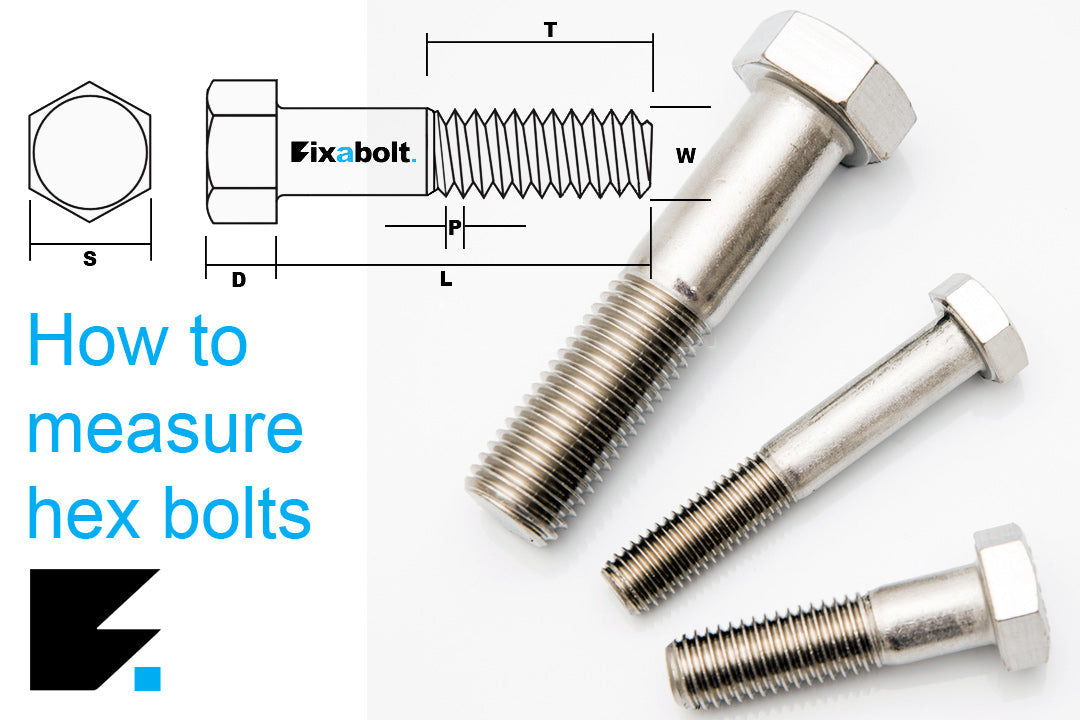
Measuring fasteners correctly is very important. It ensures the fastener fits and works well in your project. Several key dimensions need checking to get the right size. Each dimension affects how the fastener holds and fits. Understanding these sizes helps you choose the perfect fastener every time.
Length And Diameter
Length is the total size from the tip to the head base. Measure it with a ruler or caliper for accuracy. Diameter is the thickness of the fastener’s shaft. Use a caliper to find the exact diameter. These two sizes affect how deep and tight the fastener fits.
Thread Pitch And Count
Thread pitch means the distance between threads. It shows how tight the threads are. Thread count is the number of threads per inch or millimeter. Both pitch and count affect how the fastener screws in and holds. Using the wrong thread size can cause damage or loose fitting.
Head Size And Shape
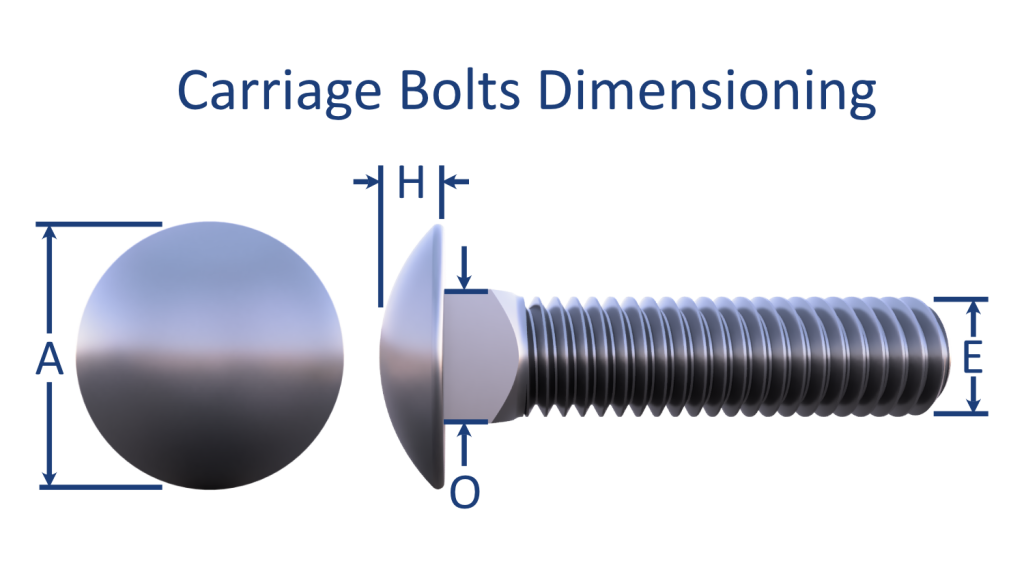
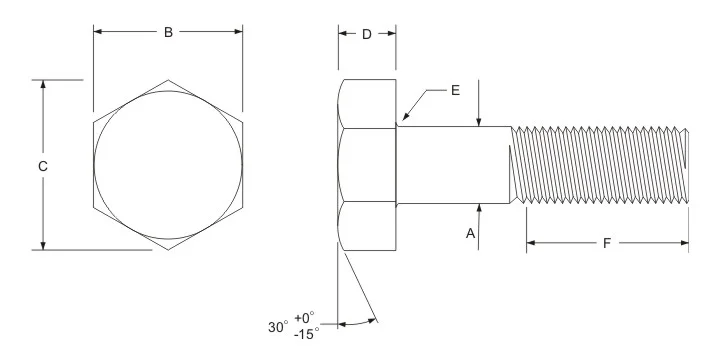
Head size is the width or diameter of the fastener’s head. Shape means the form of the head, like flat, round, or hex. These features affect the tool you use to tighten the fastener. Correct head size and shape make installation easier and secure.
Tools For Accurate Measurement
Measuring fasteners accurately is key for proper fitting and safety. Using the right tools helps avoid mistakes and saves time. Precise measurement tools provide clear results and reduce guesswork.
These tools are designed to measure different aspects of fasteners. Choosing the correct one depends on the dimension needed. Understanding each tool’s function improves measurement quality.
Calipers And Micrometers
Calipers measure the outside diameter and length of fasteners. They come in digital, dial, and vernier types. Micrometers offer even finer precision for small parts. Both tools allow quick and accurate readings.
Thread Gauges
Thread gauges check the pitch and profile of screw threads. They ensure fasteners match thread standards perfectly. Using thread gauges prevents thread damage and fit issues. These tools help confirm thread size and shape.
Depth Gauges
Depth gauges measure the depth of holes or recesses. They help confirm the correct fastener length for a secure fit. Depth gauges are easy to use and provide exact measurements. This tool avoids using too long or short fasteners.
Step-by-step Measurement Process
Measuring a fastener is simple with the right steps. Follow this process to get accurate dimensions. Correct measurements help in choosing the right fastener for your project.
Preparing The Fastener
Clean the fastener before measuring. Dirt or rust can cause wrong readings. Use a cloth to wipe it clean. Place the fastener on a flat surface. Hold it steady to avoid movement.
Measuring Length And Diameter
Use a ruler or caliper for length. Measure from the head to the tip of the fastener. For diameter, measure the widest part of the shaft. Use a caliper for precise diameter measurement. Record the numbers clearly for reference.
Checking Thread Specifications
Count the threads per inch or millimeter. Use a thread gauge to match thread pitch. Check if threads are coarse or fine. Note thread direction: right-hand or left-hand. Accurate thread info ensures the fastener fits properly.
Common Measurement Mistakes
Measuring fasteners correctly is key for any project. Mistakes in measurement cause issues like wrong fit or weak connections. Understanding common errors helps avoid problems and saves time and money.
Misreading Thread Pitch
Thread pitch is the distance between threads. Many confuse pitch with thread count or skip measuring it. Using the wrong pitch means the fastener won’t screw in properly. Always check pitch with a thread gauge or ruler.
Ignoring Head Dimensions
People often measure only the length and diameter of fasteners. Head size matters too. It affects how the fastener fits with tools and surfaces. Ignoring head height and width can cause clearance problems or tool slipping.
Overlooking Tolerances
Tolerances are the allowed size differences in fasteners. Ignoring them leads to parts that don’t fit well or fail early. Always check tolerance specs for your application. Small variations can make a big difference in performance.
Tips For Ensuring Precision
Ensuring precision when dimensioning a fastener is crucial for its proper fit and function. Accurate measurements prevent errors and save time during assembly. Small mistakes can cause big problems in the final product. Follow these tips to improve your measurement accuracy and get reliable results.
Using Calibrated Tools
Always use tools that are properly calibrated. Calibrated tools give correct measurements every time. Check the calibration regularly to avoid errors. Avoid worn or damaged tools as they can give wrong readings. Choose the right tool for the size and type of fastener. Using precise tools leads to better measurement accuracy.
Consistent Measurement Techniques
Measure the same way every time. Consistency reduces variation and errors in data. Use the same tool positioning and pressure. Take multiple measurements and average the results. Avoid guessing or rushing the process. Consistent techniques help you trust your measurements.
Recording And Verifying Data
Write down all measurements clearly and immediately. Keep records organized for easy reference. Double-check data for mistakes or unusual values. Compare measurements against specifications and standards. Verification helps catch errors before they cause issues. Accurate records improve quality control and traceability.
Applications Of Precise Fastener Dimensioning
Precise fastener dimensioning plays a key role in many industries. Accurate measurements ensure parts fit perfectly. This prevents damage and improves safety. The right size fastener holds components firmly. It also helps avoid costly repairs and delays.
Fasteners with exact dimensions support strong, reliable connections. This is important in areas where strength matters most. Below are examples of where precise fastener dimensioning is essential.
Machinery Assembly
Machines need fasteners that fit well. Loose or tight fasteners cause machine problems. Precise fastener sizes keep parts aligned. This reduces wear and tear. It also improves machine performance. Proper dimensioning helps maintain machine safety. Workers rely on strong, stable equipment every day.
Construction Projects
Building structures demand strong fasteners. Correct dimensions prevent structural failures. Fasteners hold beams, panels, and frames securely. Precise sizing helps resist wind and weather forces. It ensures buildings last longer and stay safe. Builders depend on fasteners that match their plans exactly.
Automotive Repairs
Cars need fasteners with exact measurements. Fasteners that are too small or large cause issues. Proper dimensioning ensures parts fit and work well. This keeps vehicles safe and reliable. Mechanics use precise fasteners to avoid damage. Accurate sizes help vehicles run smoothly.
Credit: www.badensteel.com
Frequently Asked Questions
What Is The Proper Way To Dimension A Fastener?
Dimensioning a fastener involves specifying its length, diameter, thread pitch, and head type clearly. Use standard symbols and measurements for accuracy. This ensures correct identification and manufacturing of the fastener, preventing errors in assembly or function.
How Do You Measure Fastener Thread Size?
Measure the outer diameter of the fastener’s threaded part using calipers. Identify the thread pitch by counting the number of threads per inch or millimeter. Accurate thread size helps in selecting compatible nuts or components.
Why Is Fastener Dimensioning Important In Engineering?
Fastener dimensioning ensures parts fit and function correctly in assemblies. It prevents mechanical failures and maintains structural integrity. Precise dimensions aid in quality control and streamline manufacturing processes.
What Tools Are Used To Dimension Fasteners?
Common tools include calipers, micrometers, thread gauges, and rulers. These tools measure length, diameter, and thread pitch accurately. Proper tools ensure precise dimensioning critical for fastener performance.
Conclusion
Understanding how to dimension a fastener helps ensure proper fit and strength. Always measure length, diameter, and thread pitch carefully. Clear dimensions avoid mistakes during assembly or repair. This knowledge saves time and prevents damage to parts. Keep practicing to become confident in reading and using fastener sizes.
Precision matters for safety and durability in any project. Now, you can choose the right fastener with ease and accuracy. Simple steps lead to better results every time.