Have you ever stared at a pile of screws, bolts, and nails, wondering which one you actually need? Identifying the right fastener can save you time, money, and frustration.
Whether you’re fixing something around the house or working on a big project, knowing how to spot the right fastener is a skill you can’t afford to miss. You’ll discover simple tips that make recognizing fasteners quick and easy. Keep reading, and you’ll never second-guess your choice again.
Credit: www.allfasteners.com.au
Types Of Fasteners
Fasteners hold parts together in many projects and machines. Knowing different types helps you pick the right one. Each type has a special shape and use. Some fasteners are strong and removable. Others are permanent and hold tight.
Understanding these fasteners makes repairs and builds easier. Below are common types you meet often.
Bolts And Screws
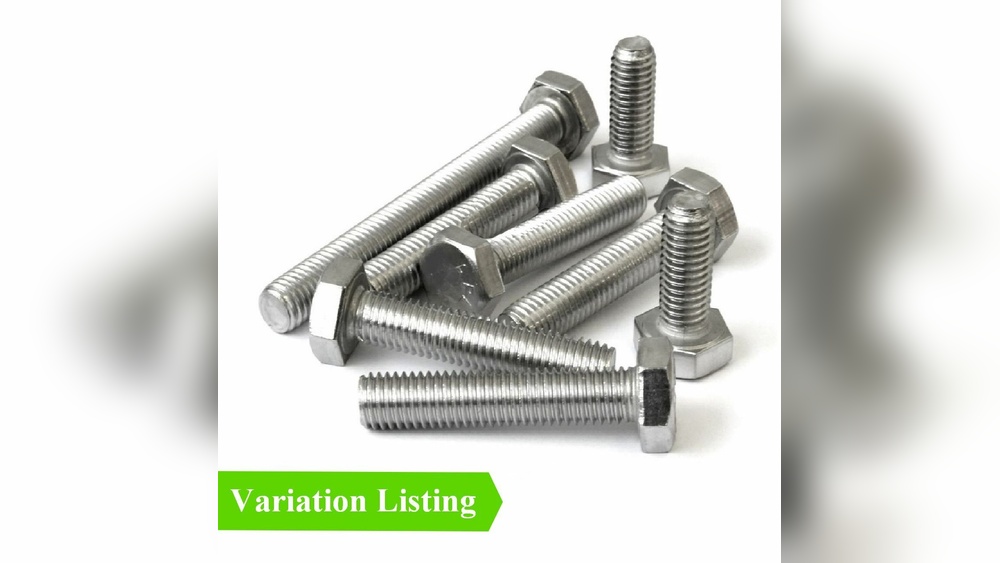
Bolts have a flat end and need a nut to hold parts. Screws have pointed ends and bite into materials. Both come in many sizes and head shapes. Use bolts for heavy loads. Screws work well for wood and metal.
Nuts And Washers
Nuts fit on bolts to lock parts firmly. Washers go under nuts or bolt heads. They spread pressure and stop damage. Washers also help keep nuts tight. Both are small but very useful.
Rivets And Pins
Rivets join parts permanently by deforming the end. They are strong and used in metalwork. Pins slide into holes to hold parts loosely. They are easy to remove and reuse. Both keep parts in place without threads.
Clips And Clamps
Clips hold parts by snapping onto them. They are quick to install and remove. Clamps squeeze parts together tightly. Use clamps to hold things during work or transport. Both are handy for temporary fastening.
Common Fastener Materials
Fasteners come in many materials. Each material has its own strength and use. Knowing these materials helps you pick the right fastener for your task. It also helps you identify fasteners when you see them.
Materials affect fastener durability and resistance to rust. Some materials work better in certain environments. Others are lighter or easier to shape. Let’s explore the common materials used for fasteners.
Steel And Stainless Steel
Steel is the most common fastener material. It is strong and affordable. Steel fasteners often have coatings to stop rust. Stainless steel fasteners resist rust without coatings. They work well in wet or outdoor places. Stainless steel looks shiny and smooth.
Steel fasteners handle heavy loads. Stainless steel resists heat and corrosion better. Both are popular for many projects.
Brass And Copper
Brass fasteners are yellowish and soft. They do not rust but can tarnish. Brass is good for decorative or light-duty uses. Copper fasteners are reddish and resist corrosion. They are often used in electrical work. Both metals conduct electricity well.
These fasteners are easier to bend than steel. Use them where appearance and corrosion resistance matter.
Aluminum And Plastic
Aluminum fasteners are lightweight and resist rust. They are softer than steel and good for light tasks. Aluminum looks silver and is easy to shape. Plastic fasteners do not rust or conduct electricity. They suit lightweight or non-metal projects.
Plastic fasteners come in many colors and types. Both materials are not as strong as metal fasteners but are useful for special needs.
Identifying Fastener Heads
Fastener heads come in many shapes. Each type fits a specific tool. Recognizing these heads helps in choosing the right screwdriver or wrench. This knowledge makes repairs and projects easier and faster.
Slotted And Phillips
Slotted heads have a single straight line cut. They work with flathead screwdrivers. These heads are simple but can slip easily. Phillips heads have a cross shape. They fit Phillips screwdrivers that reduce slipping. Both types are common in household items.
Torx And Hex
Torx heads look like a star with six points. They provide better grip and less wear. Torx screws are popular in electronics and cars. Hex heads are shaped like a hexagon. They fit hex keys or Allen wrenches. Hex fasteners are strong and often used in machinery.
Square And Specialty Heads
Square heads, also called Robertson, have a square slot. They offer good grip and prevent cam-out. These are popular in woodworking. Specialty heads include unusual shapes like tri-wing or spanner. They are used for security or specific industries. Knowing these helps identify unique fasteners quickly.
Thread Types And Pitch
Thread types and pitch are key to identifying fasteners. Threads are the spiral ridges wrapped around the fastener’s shaft. The pitch is the distance between each thread. These details affect how the fastener fits and holds materials together. Understanding these parts helps you choose the right fastener for your task.
Coarse Vs Fine Threads
Coarse threads have fewer threads per inch. They are thicker and stronger. Coarse threads work well in soft materials like wood or plastic. Fine threads have more threads per inch. They are thinner and fit tighter. Fine threads hold better in metal and hard materials.
Metric And Imperial Sizes
Metric threads use millimeters to measure pitch and diameter. For example, M6 means a 6 mm diameter. Imperial threads use inches. They are measured in threads per inch (TPI). Knowing the system helps you find the right fastener size. Mixing metric with imperial can cause problems.
Thread Direction
Most fasteners have right-hand threads. They tighten clockwise. Left-hand threads tighten counterclockwise. Left-hand threads are used where rotation might loosen right-hand threads. Identifying thread direction prevents mistakes during installation. Check thread direction before use.
Fastener Sizes And Measurements
Fastener sizes and measurements are key to choosing the right part for your project. Knowing the exact size helps ensure a secure fit and proper function. It also prevents damage to materials or tools. This section breaks down the main measurements to check when identifying fasteners.
Length And Diameter
Length is the distance from the fastener’s head to its tip. It shows how deep the fastener will go into the material. Diameter is the thickness of the fastener’s shaft. Both length and diameter must match the needs of your task. Measure carefully with a ruler or caliper for accuracy.
Drive Size
The drive size refers to the shape and size of the fastener’s head slot. This slot fits the screwdriver or bit used to turn the fastener. Common drives include Phillips, slotted, and hex. The right drive size prevents slipping and damage during installation.
Thread Length
Thread length is the part of the fastener with spiral grooves. These grooves help the fastener grip the material. Some fasteners have full threads along the shaft. Others have partial threads, leaving a smooth section near the head. Choose thread length based on how much grip is needed.

Credit: www.youtube.com
Markings And Grades
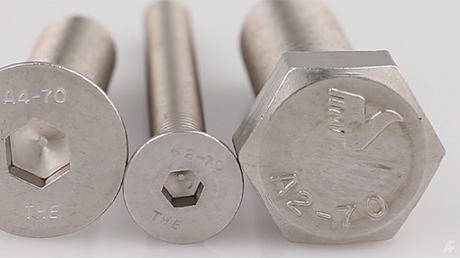
Fasteners often have small markings on their heads. These markings tell you about their strength, maker, and material. Understanding these marks helps to pick the right fastener for your project. It also ensures safety and durability.
Strength Grades
Strength grades show how strong a fastener is. They usually appear as numbers or lines on the head. For example, bolts might have grade numbers like 5 or 8. Higher numbers mean stronger fasteners. This helps to choose the right fastener for heavy or light jobs.
Manufacturer Marks
Manufacturer marks identify who made the fastener. These are small symbols or letters. They help track the fastener’s origin. This can be important for quality control and warranty claims. Knowing the maker can also guide you to trusted brands.
Material Codes
Material codes tell what the fastener is made of. They can indicate steel, stainless steel, or other metals. Sometimes, the code shows if the fastener has a special coating. This matters for rust resistance and strength. Choosing the right material prevents fastener failure in tough conditions.
Tools For Fastener Identification
Identifying fasteners accurately requires the right tools. These tools help measure size, thread type, and other features. Using them ensures you pick the correct fastener for any job. Here are some essential tools that make fastener identification easier and more precise.
Thread Gauges
Thread gauges measure the pitch or distance between threads on a fastener. They come in two types: pitch gauges and go/no-go gauges. Pitch gauges help find the thread pitch by matching teeth with fastener threads. Go/no-go gauges check if threads fall within acceptable limits. These tools prevent mistakes and save time during fastener selection.
Calipers And Micrometers
Calipers and micrometers measure fastener dimensions like diameter and length. Calipers give quick, rough measurements using sliding jaws. Micrometers provide more exact readings with a screw mechanism. Both tools help identify sizes accurately, avoiding wrong purchases or poor fits. They work well for bolts, screws, and nuts.
Fastener Identification Charts
Fastener identification charts show common sizes, thread types, and head styles. These charts act as quick references for matching fasteners visually. They often include metric and imperial measurements side by side. Using charts speeds up recognition and improves accuracy, especially for beginners. Keep a chart handy in your workshop or toolbox.

Credit: www.reddit.com
Tips For Quick Fastener Recognition
Recognizing fasteners quickly saves time and prevents mistakes. Fasteners come in many shapes and sizes. Knowing key tips helps identify them easily. This guide shares simple methods for fast recognition. Follow these tips to speed up your work and avoid errors.
Visual Inspection Techniques
Start by looking at the fastener’s head shape. Common shapes include hex, Phillips, slotted, and square. Check the thread type next. Coarse threads are thick and spaced out. Fine threads are thinner and closer together. Look at the fastener’s length and diameter. Use a ruler or caliper for accuracy. Notice any markings on the head. These often indicate strength or material. Clean the fastener if it’s dirty. Dirt can hide important details. Use good light to see small features clearly.
Using Reference Guides
Carry a fastener chart or booklet. These guides show pictures and names of fasteners. Match your fastener to the images. Use apps designed for fastener identification. They let you search by shape, size, or thread type. Keep notes on your most common fasteners. This helps recognize them faster over time. Reference guides reduce guesswork and build confidence.
Common Mistakes To Avoid
Don’t rely only on size. Some fasteners look alike but differ inside. Avoid guessing thread type without measuring. Wrong threads can damage parts or fail. Never ignore head markings. They show important strength info. Don’t mix metric and imperial fasteners. Using the wrong system causes fit problems. Avoid rushing inspections. A quick check beats fixing mistakes later.
Frequently Asked Questions
What Are The Common Types Of Fasteners?
Common fasteners include screws, bolts, nuts, washers, and rivets. Each type has specific uses based on material and strength requirements. Identifying the fastener type helps in choosing the right tool and replacement part for repairs or assembly.
How To Identify Fastener Material Composition?
Fastener materials include steel, stainless steel, brass, and aluminum. Visual inspection and magnet tests help identify the material. Steel is magnetic, stainless steel is less so, and brass or aluminum are non-magnetic with distinct colors.
What Markings Help Identify Fastener Grade?
Fastener heads often have markings indicating grade and strength. For example, bolts have numbers or symbols showing tensile strength. Recognizing these markings ensures you select the correct fastener for your project’s load requirements.
How To Distinguish Between Screws And Bolts?
Screws typically have tapered threads and are used without nuts. Bolts have uniform threads and require nuts for fastening. Understanding this difference helps in identifying fasteners and their proper application.
Conclusion
Identifying fasteners becomes easier with practice and the right tips. Know the shape, size, and material to spot them fast. Check the head type and threading carefully each time. Use these simple steps to choose the correct fastener. This helps avoid mistakes and saves time during projects.
Keep learning about different fasteners for better results. Soon, identifying them will feel natural and quick.