If you work with aircraft panels, race cars, or custom equipment, you know how important Dzus fasteners are for quick access and secure fastening. But how do you make sure you get the right size every time?
Measuring Dzus fastener size might seem tricky, but it doesn’t have to be. You’ll discover simple steps to measure your Dzus fasteners accurately. By the end, you’ll save time, avoid costly mistakes, and keep your projects running smoothly. Let’s dive into the easy method you can use right now.
Basics Of Dzus Fasteners
Dzus fasteners are small, strong, and quick to use. They help join parts that need fast removal or adjustment. These fasteners hold panels tightly but release with a simple turn. Their design makes them popular in many industries. Understanding their basics helps measure and choose the right size correctly.
Knowing the types and uses of Dzus fasteners makes sizing easier. This knowledge ensures the fastener fits and works well. Let’s explore the types and where they are commonly used.
Types Of Dzus Fasteners
Dzus fasteners come in several shapes and sizes. The most common are quarter-turn fasteners that lock with a 90-degree turn. Others include stud and receptacle fasteners. Each type suits different panel thicknesses and materials. Some have different head styles like round or flat. Choosing the right type depends on the application and load needed.
Common Uses And Applications
These fasteners appear in aircraft, race cars, and machinery. They attach panels that need quick access or frequent removal. Dzus fasteners hold fairings, doors, and covers in place. They are also popular in electronics and industrial equipment. Their quick release saves time during repairs or inspections. Strong, reliable, and easy to use—these fasteners serve many purposes well.
Credit: dragracesolutions.com
Tools Needed For Measurement
Measuring the size of a Dzus fastener requires the right tools. These tools help get precise measurements. Precision is important for the fastener to fit and work well.
Different tools suit different measurement needs. Some tools measure small parts accurately. Others are better for quick, rough measurements. Knowing which tool to use saves time and effort.
Calipers And Micrometers
Calipers are great for measuring the diameter of the fastener. They can measure inside, outside, and depth. Digital calipers show the measurement clearly on a screen.
Micrometers provide even more precision. They are perfect for small parts like Dzus fasteners. Micrometers measure thickness and diameter with high accuracy.
Both tools give exact numbers. This helps in choosing the right size fastener. They are small, easy to use, and very reliable.
Ruler And Tape Measure
A ruler or tape measure works for quick size checks. They are less precise but useful for basic measurements.
Use a ruler to measure length or spacing between fasteners. Tape measures work well for larger parts or panels. These tools are common and easy to find.
For detailed work, rulers and tapes may not be enough. They give a general idea but not exact sizes. Still, they are helpful for initial measuring steps.
Key Dimensions To Measure
Measuring the size of a Dzus fastener involves checking some key parts. These parts affect how well the fastener fits and works. Knowing the right size helps you pick or replace fasteners correctly.
Focus on three main dimensions. These are the head diameter, stud length, and thread size. Each has a specific role in the fastener’s function.
Head Diameter
The head diameter is the width of the fastener’s top part. This part sits on the surface and holds things together. Measure it across the widest point. Use a caliper for better accuracy.
Stud Length
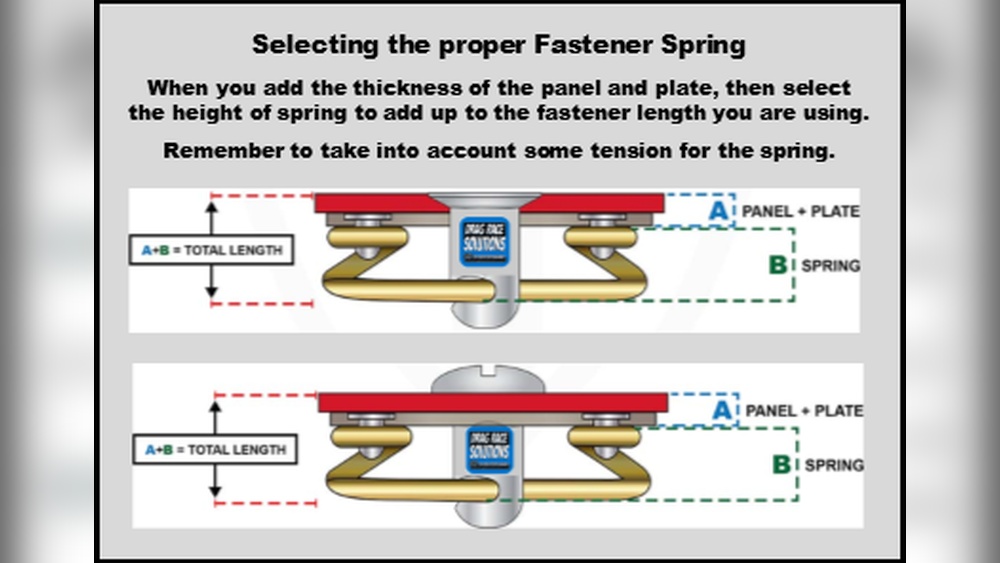
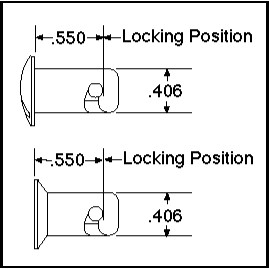
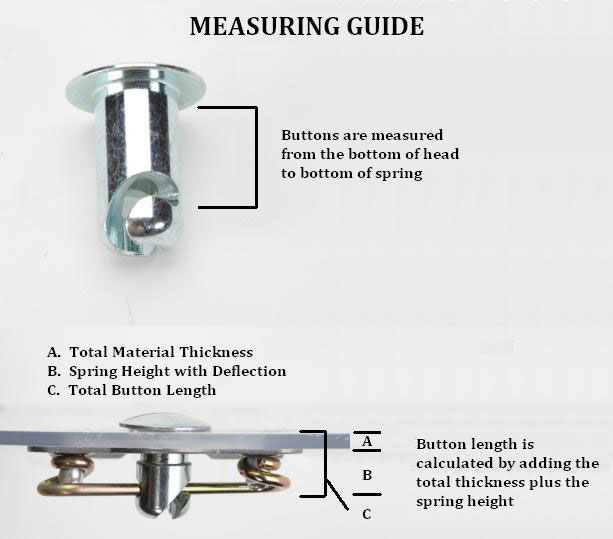
The stud length is the length of the fastener’s shaft. It needs to fit through the material thickness. Measure from the bottom of the head to the end of the stud. Correct length ensures a secure hold.
Thread Size
The thread size is the diameter and pitch of the screw threads. It matches the nut or hole it fits into. Use a thread gauge or compare with a known fastener. Proper thread size prevents stripping or loosening.
Step-by-step Measurement Process
Measuring a Dzus fastener accurately is key to finding the right replacement. The process involves checking three main parts of the fastener. Follow these simple steps to get the correct size. This helps avoid buying the wrong fastener and saves time.
Measuring The Head
Start by measuring the fastener’s head diameter. Use a caliper or a ruler for this. Measure straight across the widest part of the head. Write down the size in millimeters or inches. This size tells you the head type and helps match it correctly.
Measuring The Stud
Next, measure the stud length. This is the part that goes into the panel or surface. Measure from the bottom of the head to the end of the stud. Knowing this length is important for fitting the fastener to the right thickness.
Checking The Thread Pitch
Thread pitch means the distance between the threads on the stud. Use a thread pitch gauge or compare with a known fastener. Count the number of threads per inch or measure the distance in millimeters. This step ensures the fastener will screw in smoothly and hold tight.
Tips For Accurate Measurement
Measuring Dzus fastener size requires care and attention. Accurate measurement helps ensure the right fit and smooth installation. Small errors can cause problems later. Follow these tips to get precise results every time.
Using the right tools and methods makes the process easier. Taking your time and checking your work avoids costly mistakes. Accuracy is key for a secure and lasting fastener connection.
Avoiding Common Mistakes
Do not rush the measurement process. Rushing leads to incorrect readings. Always measure twice to confirm your size. Avoid mixing metric and imperial units by mistake. Keep the fastener clean and free of dirt. Dirt can change the measurement slightly. Use a flat surface for better accuracy.
Calibrating Your Tools
Check your measuring tools before use. A ruler or caliper must be accurate. Compare your tool against a known standard. Adjust or replace tools if they show errors. Regular calibration keeps your measurements reliable. Store tools properly to prevent damage. A well-maintained tool saves time and effort.
Credit: www.speedwaymotors.com
Interpreting Size Codes
Interpreting the size codes of Dzus fasteners helps you pick the right part. These codes show important details about the fastener’s dimensions and type. Understanding them saves time and prevents mistakes during replacement or installation.
Understanding Fastener Markings
Dzus fasteners have markings stamped or engraved on their heads. These markings include letters and numbers that describe size and style. Each part of the code points to specific measurements like diameter and length. Learning to read these marks helps you identify the fastener quickly.
For example, a code might start with a number for diameter. Then a letter follows to show the length or thread pitch. Different manufacturers may use slightly different codes. Check the product guide for exact meanings.
Matching Sizes To Specifications
Use the size code to match the fastener to your equipment’s needs. The code ensures the fastener fits properly and holds securely. Compare the markings with the specifications in your manual or datasheet.
Write down the code or take a clear photo. Bring this information when buying replacements. This step helps avoid errors and ensures safety. Proper size matching extends the life of your fastener and equipment.
Replacing And Ordering Fasteners
Replacing and ordering Dzus fasteners needs accuracy and care. Fasteners keep parts secure and safe. Using the wrong size can cause problems or damage. Knowing how to measure and pick the right fastener is important.
Selecting The Right Size
Measure the diameter of the fastener shaft with a caliper. Note the length from the head to the end of the shaft. Check the thread pitch, the distance between threads. Use a thread gauge or compare to a known fastener. Match these measurements to the specifications for your equipment. Choose a fastener with the same size and thread type. Picking the correct size ensures a tight fit and proper function.
Where To Buy Quality Dzus Fasteners
Buy fasteners from trusted suppliers or specialized stores. Look for sellers who offer detailed product descriptions and size charts. Check customer reviews for product quality and service. Avoid very cheap fasteners, as they may wear out quickly. Choose brands known for strength and durability. Some aviation and automotive stores carry quality Dzus fasteners. Online shops with clear return policies are also good options. Quality fasteners last longer and keep your parts secure.

Credit: bullantperformance.com.au
Frequently Asked Questions
What Tools Are Needed To Measure Dzus Fastener Size?
To measure Dzus fastener size, use a caliper or micrometer. These tools accurately measure the fastener’s diameter and length. Precise measurement ensures you select the correct replacement or accessory for your fastener type.
How To Measure The Diameter Of A Dzus Fastener?
Measure the fastener’s diameter by placing the caliper jaws around its shaft. The diameter is the widest part of the fastener’s body. Accurate diameter measurement helps in choosing compatible fasteners.
Why Is Measuring Dzus Fastener Size Important?
Correct measurement ensures fastener compatibility and secure fit. It prevents mechanical failures and improves assembly reliability. Proper sizing also helps in maintaining safety standards.
Can I Measure Dzus Fasteners Without Specialized Tools?
While possible, it is not recommended. Using rulers or tape may cause inaccurate measurements. Precision tools like calipers provide reliable and exact fastener size readings.
Conclusion
Measuring a Dzus fastener size is simple with the right steps. Use a ruler or caliper for accuracy. Measure the length, diameter, and thread pitch carefully. Note each measurement clearly before buying or replacing fasteners. Accurate sizes ensure parts fit well and work safely.
Take your time and double-check results. This helps avoid mistakes and saves you effort later. Understanding these basics makes handling fasteners easier for everyone. Keep these tips in mind for your next project.