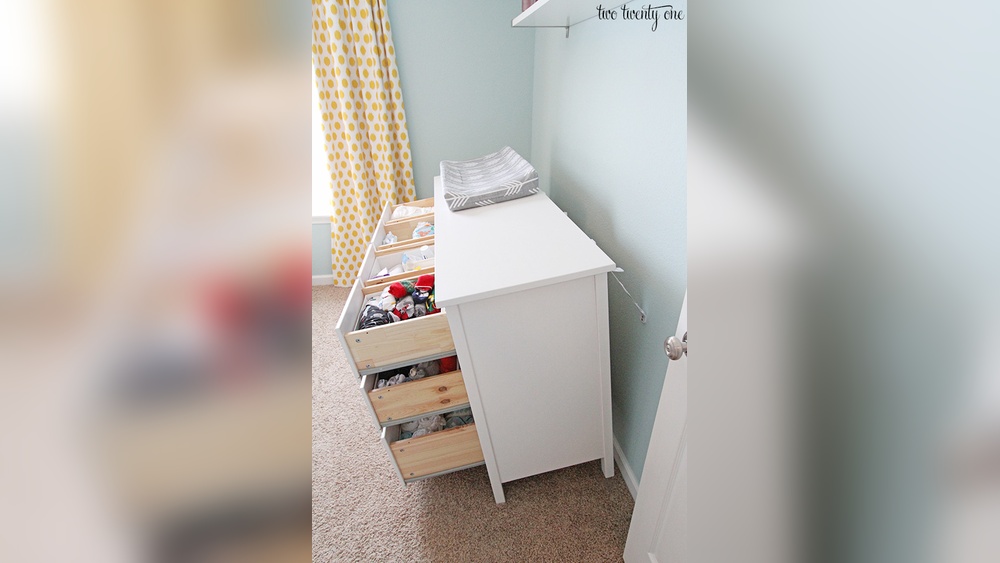
Have you ever worried about your dresser tipping over, especially if you have kids or pets at home? Anchoring your dresser to the wall is a simple step that can protect your family and keep your furniture secure.
You might think it’s a complicated task, but with the right guidance, you can do it yourself quickly and safely. You’ll learn exactly how to anchor a dresser to the wall, so you can feel confident that your space is safe and organized.
Keep reading to discover easy tips and tricks that anyone can follow.
Choosing The Right Anchors
Choosing the right anchors is key to safely securing a dresser to the wall. The anchors must match the wall type and the dresser’s weight. Picking the wrong anchor can cause the dresser to tip or damage the wall. This section explains the common types of wall anchors and the materials and tools needed for the job.
Types Of Wall Anchors
Plastic expansion anchors work well for drywall and light loads. They spread inside the wall when screws tighten. Metal toggle bolts offer strong support for heavy dressers. They open up behind the wall for extra grip. Molly bolts are good for hollow walls. They expand inside the wall to hold firmly. For concrete or brick walls, use sleeve anchors or masonry anchors. These anchors require drilling into hard surfaces but provide strong hold.
Materials And Tools Needed
Gather anchors suitable for your wall type and dresser weight. You will need screws that fit the anchors. A drill with the right drill bit size is important. A screwdriver or a drill driver helps to tighten screws. A stud finder is useful to locate wall studs. Measuring tape helps to mark the correct anchor positions. A pencil or marker is needed to mark drill spots.
Credit: www.lowes.com
Preparing The Dresser And Wall
Preparing the dresser and wall is the first step to secure your furniture safely. Proper preparation prevents accidents and keeps your home safe. You need to focus on two main tasks: finding the right spots on the wall and making sure the area is ready for installation.
Locating Studs And Marking Points
Studs are vertical wooden beams behind your wall. Anchoring into studs gives the strongest hold. Use a stud finder tool to find these beams. Slowly move the tool across the wall. Mark the spots where the tool signals a stud. Use a pencil to make small marks. These marks show where to drill later. Measure the height where the dresser will attach. Mark the same height on the wall for consistency.
Cleaning And Clearing The Area
Clear the space around the dresser and wall. Remove any objects or decorations nearby. Dust and dirt can stop anchors from sticking well. Wipe the wall with a damp cloth to clean it. Also, clean the back of the dresser. A clean surface ensures better attachment. Make sure the floor is clear to avoid tripping. This step helps you work safely and quickly.
Step-by-step Anchoring Process
Anchoring a dresser to the wall keeps it stable and safe. This step-by-step process shows how to do it right. Follow each step carefully for the best result. You need just a few tools and parts to start.
Attaching Brackets To The Dresser
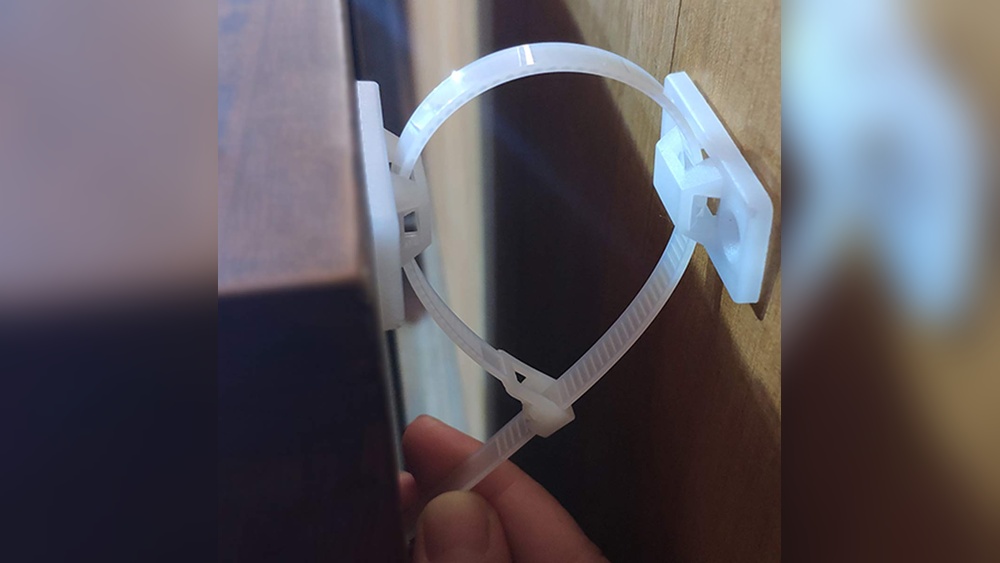
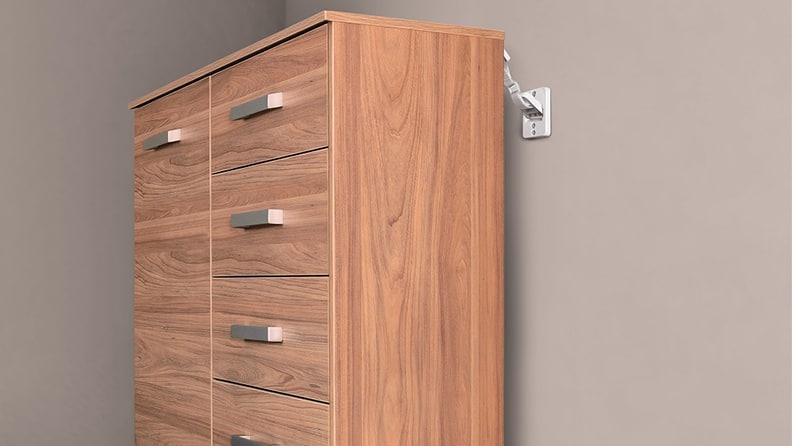
First, find the back of the dresser. Attach the metal brackets near the top corners. Use screws that fit the bracket holes well. Tighten the screws firmly but do not strip them. The brackets hold the dresser to the wall securely.
Securing Anchors To The Wall
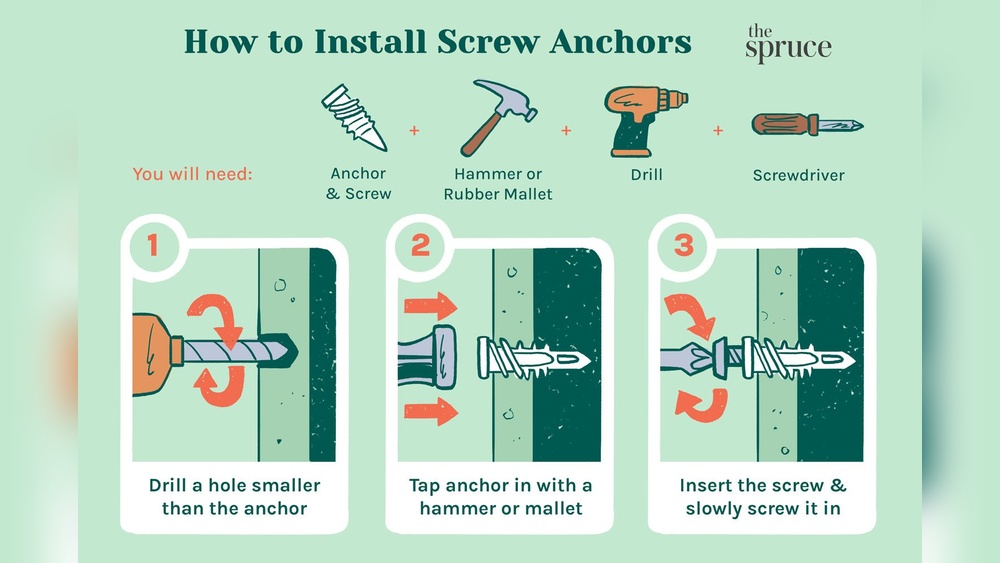
Next, choose a strong spot on the wall. Use a stud finder to locate studs for the best hold. Drill pilot holes where the anchors will go. Insert wall anchors if you miss studs. Push or screw the anchors into the holes until flush.
Connecting The Dresser To The Wall
Line up the dresser brackets with the wall anchors. Use screws to join the brackets to the anchors. Tighten screws until the dresser feels stable. Check the connection by gently pushing the dresser. It should not move or tip.
Safety Tips And Precautions
Anchoring a dresser to the wall is important for safety. It stops the dresser from tipping over and causing accidents. Taking safety precautions helps protect children and pets in the home. Follow these tips to secure your dresser properly and keep your space safe.
Weight Limits And Load Distribution
Check the weight limit of the wall anchors before use. Each anchor can hold only a certain amount of weight. Spread the dresser’s weight evenly across multiple anchors. Avoid placing heavy items on top of the dresser that exceed the limit. Proper load distribution lowers the risk of wall damage or failure.
Regular Checks And Maintenance
Inspect the anchors and straps regularly for signs of wear. Tighten screws and bolts as needed to keep the dresser secure. Replace any damaged parts immediately to maintain safety. Regular maintenance ensures the dresser stays firmly attached over time. Don’t ignore small issues; they can lead to accidents.
Troubleshooting Common Issues
Anchoring a dresser to the wall can sometimes bring challenges. Common problems may arise during the process. Knowing how to fix these issues helps keep your dresser stable and safe. Below are solutions to some frequent troubles you might face.
Dealing With Uneven Walls
Uneven walls can make it hard to attach the anchor securely. Use a level to check the wall surface. Small gaps between the dresser and wall can cause instability. Fill gaps with shims or folded cardboard. This keeps the dresser close to the wall. It also helps the anchor hold better.
If the wall surface is very rough, use wall anchors made for drywall or plaster. These provide a stronger hold in uneven areas. Test the stability before finishing the setup.
Fixing Loose Anchors
Loose anchors cannot hold the dresser firmly. This often happens if the hole is too big. To fix this, remove the anchor carefully. Fill the hole with wood filler or drywall compound. Let it dry completely. Drill a new hole nearby for a tighter fit.
Use a larger anchor size if needed. Make sure the anchor matches the wall type. Tighten screws gently to avoid loosening. Check the dresser’s stability after adjusting the anchor.

Credit: www.amazon.com

Credit: www.amazon.com
Frequently Asked Questions
How Do I Safely Anchor A Dresser To The Wall?
Use wall anchors or studs to secure straps or brackets to the wall and dresser. This prevents tipping and ensures stability.
What Tools Are Needed To Anchor A Dresser?
You need a drill, screws, wall anchors, a stud finder, and a screwdriver. These tools help secure the dresser firmly.
Can I Anchor A Dresser On Drywall Only?
Yes, but use heavy-duty wall anchors designed for drywall. Avoid relying on drywall alone without anchors or studs.
How High Should Dresser Straps Be Installed?
Install straps near the top of the dresser for maximum stability and to prevent tipping hazards.
Conclusion
Anchoring a dresser to the wall keeps your home safe and secure. It stops the dresser from tipping over and causing accidents. The process is simple and requires only a few tools. By following the steps carefully, you can protect your family and belongings.
Take your time to check the wall type and use the right anchors. Safety is worth the effort. Now, your dresser stands steady and your room looks neat. A small task with big benefits.