Are your metal shelves wobbling or feeling unstable? Anchoring them properly to your wall is the key to keeping your space safe and organized.
But how do you make sure your shelves stay put without damaging your walls? In this guide, you’ll discover simple, step-by-step instructions that anyone can follow—no special tools or skills needed. By the end, you’ll have strong, secure shelves that hold everything you need with confidence.
Ready to transform your space and avoid costly mistakes? Let’s get started!
Choosing The Right Wall
Choosing the right wall is key to safely anchor metal shelves. Not all walls can hold heavy shelves well. Knowing your wall type helps pick the right anchors and tools. A strong, stable wall keeps shelves secure and prevents damage. Take time to check the wall before starting your project.
Types Of Walls For Shelving
Walls come in many types. Drywall, plaster, brick, and concrete are common. Drywall is light and easy to drill but weak alone. Brick and concrete are strong but need special anchors. Each wall type needs different screws and tools. Identify your wall type to choose the correct hardware. This keeps shelves steady and safe.
Checking Wall Integrity
Wall integrity means how strong and sound the wall is. Look for cracks, holes, or loose parts. Tap the wall lightly to hear if it sounds hollow or solid. Hollow spots need extra care or support. Avoid walls with water damage or mold. Strong walls hold shelves better and last longer. Always test the wall before drilling.
Selecting Proper Anchors
Selecting the proper anchors is key to securing metal shelves safely. The right anchors hold the shelves firmly in place. They help prevent accidents and damage to walls. Choosing anchors depends on the wall type and shelf weight. Using weak anchors may cause shelves to fall. Strong anchors ensure stability and long-lasting support.
Anchor Types For Metal Shelves
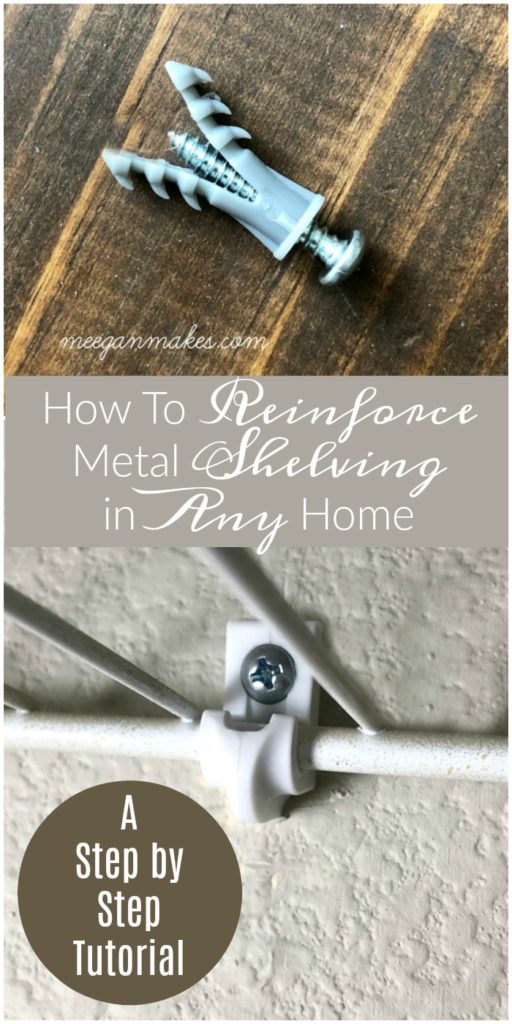
There are various anchor types for metal shelves. Plastic anchors fit drywall and light loads. Metal anchors are stronger and work in drywall and plaster. Toggle bolts spread the load behind the wall for heavy shelves. Molly bolts expand inside the wall for a secure grip. Concrete anchors are needed for brick or concrete walls. Match the anchor type to your wall and shelf weight.
Weight Capacity Considerations
Check the weight capacity of each anchor before use. Each anchor has a limit on how much weight it can hold. Overloading anchors can cause shelves to collapse. Add the total weight of items you plan to store. Choose anchors that support more than this weight. This extra strength provides a safe margin for shelf stability.
Gathering Necessary Tools
Before starting to anchor metal shelves to the wall, gather all necessary tools. Having the right tools ready makes the job easier and safer. It saves time and helps avoid mistakes. Prepare a clean workspace and check each tool for good condition.
Essential Tools List
Start with a power drill to make holes in the wall. Use drill bits suited for metal and wall material. A screwdriver helps tighten screws securely. A stud finder locates strong spots in the wall. Measuring tape ensures precise placement of shelves. A level keeps shelves straight and balanced. Anchors and screws hold the shelves firmly on the wall. A pencil marks drilling spots clearly.
Safety Equipment
Wear safety glasses to protect your eyes from dust and debris. Use gloves to keep your hands safe from sharp edges. Ear protection reduces noise from drilling. A dust mask prevents inhaling fine particles. Keep a first aid kit nearby for any minor cuts or scrapes. Safety gear reduces risks and keeps the work smooth.
Preparing The Wall
Preparing the wall is the first step for a strong metal shelf installation. A well-prepared wall ensures the shelves stay safe and steady. It helps avoid damage to the wall and the shelf. Taking time to prepare saves effort later.
The process starts with finding the best spots to anchor the shelves. Then, you mark where to drill. These steps are crucial for a secure fit. Let’s explore how to do this right.
Locating Studs
Studs are wooden beams behind the wall. They offer the strongest support for shelves. Use a stud finder to locate them. Move the tool slowly across the wall. It beeps or lights up when it finds a stud.
Mark the edges of each stud with a pencil. Check for multiple studs in the shelf’s length. Avoid drywall alone; it cannot hold heavy shelves well.
Marking Drill Points
Marking drill points means placing dots where screws go. Use a level to keep marks straight and even. Measure the shelf brackets and mark their holes on the wall. Double-check these marks before drilling.
Clear marks help drill holes in the right place. This step prevents mistakes and ensures shelves are balanced.
Drilling And Installing Anchors
Drilling and installing anchors is a key step to secure metal shelves to the wall. This process makes sure the shelves stay in place and hold weight safely. Proper drilling and anchor placement help avoid damage to walls and keep shelves steady.
Drilling Techniques
Choose the right drill bit for your wall type. For drywall, use a standard bit. For concrete or brick, pick a masonry bit. Mark the spots where you want to drill. Use a level to keep marks even.
Start drilling slowly to avoid slipping. Drill straight into the wall, not at an angle. Drill to the depth of the anchor size. Clear dust from holes before inserting anchors.
Anchor Installation Steps
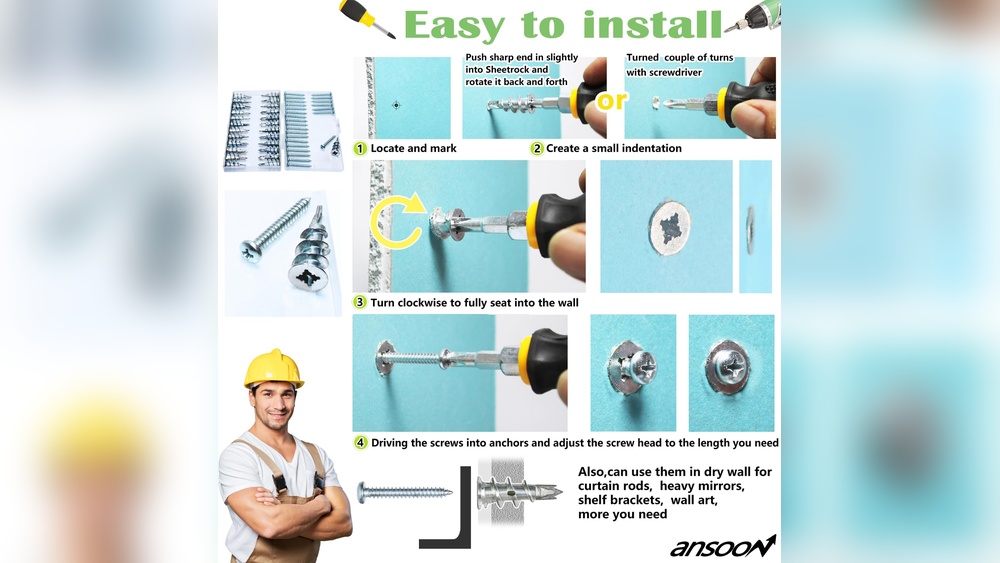
Insert the anchor into the drilled hole. Tap it gently with a hammer if needed. Make sure the anchor fits snugly and does not move. Screw the mounting bracket or shelf support into the anchor. Tighten screws firmly but do not overtighten.
Check the stability of the anchor by gently pulling on the bracket. Repeat for all anchor points. Proper installation ensures your metal shelves stay strong and secure.

Credit: www.youtube.com
Mounting The Metal Shelves
Mounting metal shelves to the wall is a key step to ensure safety and durability. Properly installed shelves hold weight well and stay stable over time. Take your time and follow each step carefully for the best results.
Aligning Brackets
Start by placing the brackets on the wall. Use a level to keep them straight. Mark the spots where screws will go. Double-check the spacing to match shelf size. Correct alignment prevents shelves from leaning or falling.
Securing Shelves
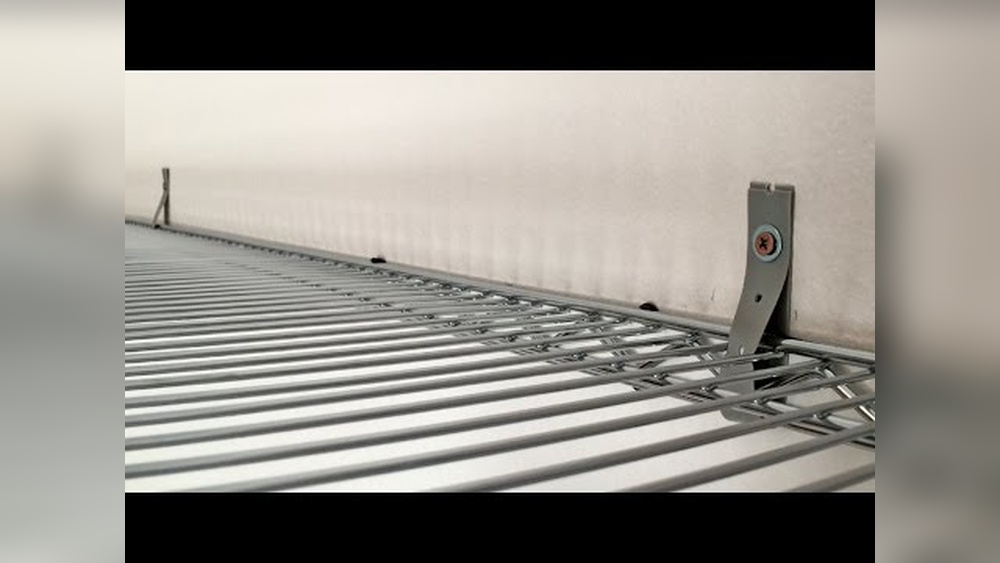
Place the metal shelf onto the mounted brackets. Secure it with screws through the holes in the brackets. Tighten screws firmly but avoid over-tightening. This step locks the shelf in place for strong support. Test the shelf by gently pressing down to confirm stability.
Testing Shelf Stability
Testing shelf stability is a crucial step after anchoring metal shelves to the wall. It ensures your shelves hold weight safely and stay secure over time. This process helps spot any weak points early. Proper testing gives you confidence before placing heavy items.
Load Testing
Start by placing light items on the shelf. Gradually add more weight in small steps. Watch for any movement or wobbling. If the shelf stays steady, increase the load slowly until it reaches the expected weight limit. Avoid sudden or heavy loads that could cause damage. Check the wall and brackets for signs of strain or bending during the test.
Adjustments And Reinforcements
If you notice any instability, tighten the screws or bolts first. Sometimes, small adjustments improve shelf stability a lot. Add extra brackets or anchors if needed for more support. Use wall anchors designed for your wall type for better grip. Reinforce weak points to prevent accidents. Test the shelf again after every change to ensure it is stable.

Credit: diy.stackexchange.com
Maintenance Tips
Maintaining metal shelves anchored to the wall keeps them safe and strong. Regular care helps avoid accidents and damage. Simple steps can extend the life of your shelves. These tips make sure your shelves stay steady and reliable.
Regular Inspections
Check shelves often for any signs of damage. Look for loose screws or brackets on the wall. Notice if shelves feel wobbly or uneven. Tighten any loose parts quickly to prevent falls. Early spotting of problems saves time and cost.
Handling Wear And Tear
Metal shelves can get scratched or rusty over time. Clean shelves with a damp cloth to remove dust. Use light oil on moving parts to stop rust. Avoid overloading shelves to reduce stress on anchors. Fix small issues before they become big problems.
Credit: meeganmakes.com
Frequently Asked Questions
How Do I Anchor Metal Shelves To Drywall?
Use wall anchors or toggle bolts for drywall. Locate studs for extra support. Drill holes, insert anchors, and screw brackets securely.
What Tools Are Needed To Mount Metal Shelves?
You need a drill, level, screwdriver, measuring tape, stud finder, and wall anchors or screws for mounting metal shelves.
Can I Anchor Metal Shelves Into Concrete Walls?
Yes, use a hammer drill and masonry anchors for concrete. Drill holes, insert anchors, and screw brackets tightly.
How To Find Studs For Metal Shelf Installation?
Use a stud finder or tap the wall to locate studs. Mark stud positions for secure shelf anchoring.
Conclusion
Anchoring metal shelves to the wall keeps them strong and safe. Choose the right tools and follow each step carefully. Check that anchors fit your wall type. Tighten screws just enough to hold firmly. Regularly inspect shelves to avoid any damage or accidents.
A well-anchored shelf holds your items steady for years. Simple effort brings long-lasting support and peace of mind. Now, you can organize your space with confidence and ease.