Have you ever tried to remove a large drywall anchor from your wall, only to find it stuck fast and frustrating? You’re not alone.
Those big anchors can be tricky, and if you don’t get them out the right way, you risk damaging your wall or leaving a big mess behind. But don’t worry—this guide will show you simple, effective methods to get those stubborn anchors out quickly and cleanly.
Keep reading, and you’ll learn exactly what to do to fix your walls without stress or extra repairs.
Tools Needed
Removing large drywall anchors can be tricky without the right tools. Having the proper tools makes the job easier and prevents wall damage. This section lists the essential tools you need to take out large drywall anchors safely and effectively.
Basic Hand Tools
Start with common hand tools found in most toolboxes. A screwdriver, either flathead or Phillips, helps unscrew anchors. Needle-nose pliers grip and pull anchors from the wall. A utility knife cuts around the anchor to loosen it. A hammer may be useful to tap or pry gently. These tools handle many anchors, especially if they are loose or simple.
Specialized Anchor Removal Tools
Some anchors need specific tools for removal. An anchor removal tool is designed to grip and twist anchors out cleanly. A drywall saw or hole cutter creates a precise opening if the anchor is stuck. A stud finder locates wall studs to avoid damage. These tools help with stubborn anchors and protect your wall’s surface.
Credit: www.youtube.com
Types Of Large Drywall Anchors
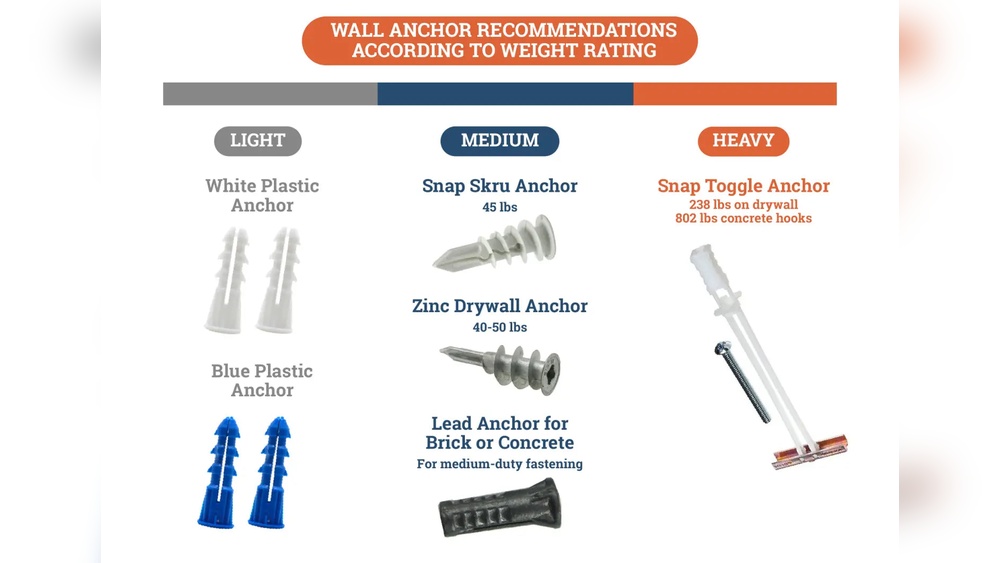
Large drywall anchors hold heavy items on your walls. They come in different types. Each type works in a unique way. Knowing these types helps you remove them safely.
Here are the most common large drywall anchors you might find in your walls.
Plastic Expansion Anchors
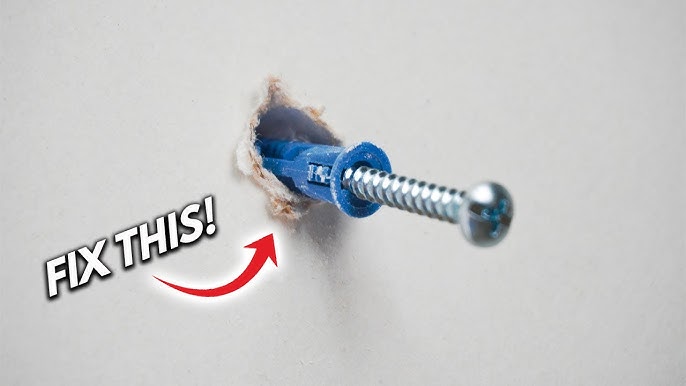
Plastic expansion anchors are simple and common. They expand when a screw goes in. This expansion grips the drywall tightly. They work well for medium weight items. You can usually pull them out with pliers or push them through the wall.
Toggle Bolts
Toggle bolts have metal wings that open inside the wall. The wings hold the bolt firmly behind the drywall. They support heavy loads. Removing toggle bolts means unscrewing and pulling the wings out. This can leave a large hole in the wall.
Molly Bolts
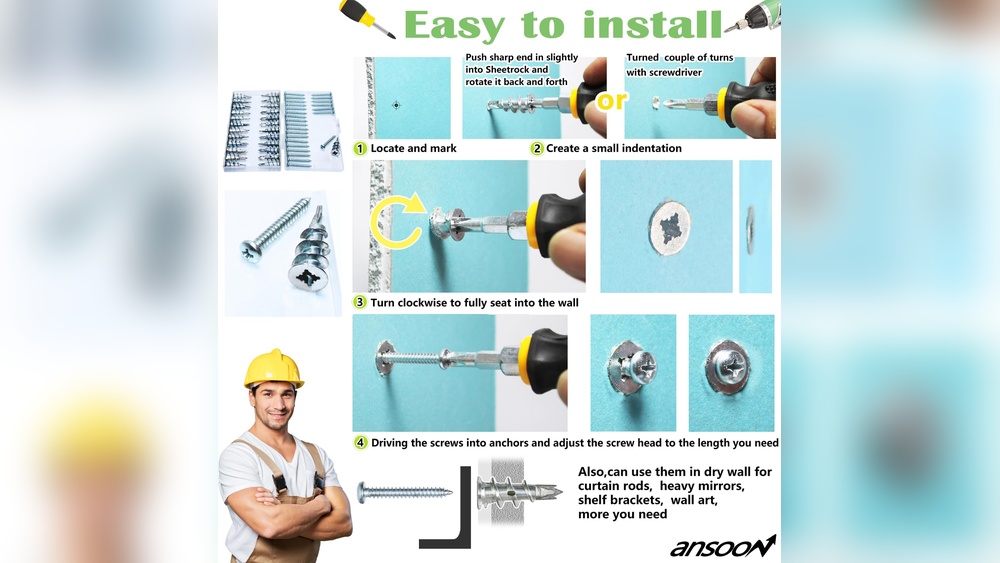
Molly bolts are metal anchors that expand inside the wall. They spread out to hold tightly when the screw is tightened. They support medium to heavy items. To remove molly bolts, you often need to unscrew and push or pull the anchor out carefully.
Preparation Before Removal
Before removing large drywall anchors, getting ready is key. Proper preparation reduces wall damage and keeps the work area safe. It also makes the removal process smoother. Two main steps help you prepare well: clearing the area and protecting the wall surface. These steps set a good foundation for the task ahead.
Clearing The Area
Start by moving furniture away from the wall. This creates space for tools and movement. Remove decorations, pictures, or anything hanging near the anchor. It helps avoid accidental damage during removal. Lay down a drop cloth or old sheet on the floor. It catches dust and small debris. Keep tools like pliers, screwdrivers, and a utility knife nearby. Having everything ready saves time and stress.
Protecting The Wall Surface
Protect the wall around the anchor to avoid scratches and dents. Use painter’s tape to cover the area around the anchor hole. The tape acts as a shield during prying or pulling. Avoid pressing hard on the tape to prevent peeling paint. If the wall is painted, consider using a soft cloth or sponge to clean dust first. Clean walls help tape stick better. These simple steps keep the wall safe and neat.

Credit: www.hgtv.com
Removing Plastic Expansion Anchors
Plastic expansion anchors are common in drywall installations. They hold screws firmly but can be tricky to remove. Removing them carefully prevents damage to your wall. Use simple tools and methods to take them out safely.
Pulling Out With Pliers
Start by grabbing the anchor with needle-nose pliers. Grip it firmly without crushing the plastic. Pull straight out with steady force. Twist slightly if it feels stuck. Be patient to avoid tearing the drywall. If the anchor moves, keep pulling until it comes out.
Pushing Through The Wall
If pulling fails, push the anchor through the drywall. Use a screwdriver or a similar tool. Place it at the center of the anchor. Push gently but firmly until the anchor breaks inside. The anchor will fall into the wall cavity. Patch the hole with spackle for a smooth finish.
Removing Toggle Bolts
Removing large drywall anchors like toggle bolts can be tricky but doable. Start by unscrewing the bolt, then gently pull the anchor out. If it won’t budge, push it through the wall carefully to avoid damage.
Unscrewing The Bolt
Toggle bolts have a long bolt that passes through a metal wing. The first step is to turn the bolt counterclockwise. Use a screwdriver that fits the bolt head well. Turn slowly and steadily to avoid stripping the screw. Keep turning until the bolt is completely out. This will free the toggle inside the wall.
Extracting The Toggle
The metal wings of a toggle bolt open wide behind the drywall. After unscrewing, the toggle may fall inside the wall cavity. Try to pull it out gently with needle-nose pliers. If it won’t come out, push it further inside. The wall will hide the toggle, but it won’t cause harm. Patch the hole using spackle or drywall compound.

Credit: www.reddit.com
Removing Molly Bolts
Removing molly bolts from drywall can be tricky. These anchors expand behind the wall, holding strong. They need a careful approach to avoid damage. Two main ways help get them out: unscrewing and pulling out, or cutting and pushing in. Both methods work well depending on the situation.
Unscrewing And Pulling Out
Start by unscrewing the bolt inside the molly anchor. Use a screwdriver that fits well to avoid slipping. Once the bolt is loose, try pulling it gently. The anchor may come out with it. If it stays, pull firmly but slowly to avoid wall damage. This method keeps the hole smaller.
Cutting And Pushing In
This method works if the anchor won’t pull out. Cut the bolt flush with the wall using a metal saw or strong wire cutters. Push the metal sleeve of the anchor inside the drywall. It will stay hidden behind the wall. Fill the hole with spackle or wall putty afterward. This method prevents big holes or wall damage.
Fixing The Wall After Anchor Removal
Removing large drywall anchors often leaves noticeable holes and rough patches. Fixing the wall restores a smooth, clean surface. This step is important for a neat finish and to prepare for painting. Follow these simple steps to repair your wall effectively.
Filling Holes
Start by cleaning the hole and removing loose debris. Use a putty knife to apply a drywall patch or spackle. Press the filler firmly into the hole to fill it completely. Smooth the surface as much as possible. Let the filler dry based on product instructions.
Sanding And Smoothing
Once dry, sand the filled area gently with fine-grit sandpaper. Sand in small circles to blend the patch with the wall. Avoid sanding too hard to keep the surface even. Wipe away dust with a damp cloth before moving on.
Priming And Painting
Apply a coat of primer over the patched spot. Primer helps paint stick and hides repairs. Let the primer dry fully before painting. Choose paint that matches your wall color. Use a brush or roller to apply paint evenly. Allow the paint to dry and apply a second coat if needed.
Tips To Avoid Wall Damage
Removing large drywall anchors can be tricky. You want to avoid making holes or cracks in your wall. Taking care during removal keeps your wall smooth and ready for new anchors or paint. Here are practical tips to help you protect your wall.
Use The Right Tools
Choose tools that fit the anchor size. Needle-nose pliers often work well. A screwdriver can help push out anchors gently. Avoid using large tools that can damage the drywall surface.
Work Slowly And Carefully
Pull or twist anchors slowly. Quick, rough moves can tear drywall paper. Patience reduces the risk of wall damage. Small, steady steps give better control.
Fill Holes Immediately
After removal, fill holes with spackle or wall filler. This prevents cracks from spreading. Smooth the filler with a putty knife. Let it dry before sanding and painting.
Support The Wall Surface
Press around the anchor while pulling. This supports drywall and avoids dents. Use your free hand to hold the wall steady. It helps keep the surface intact.
When To Call A Professional
Removing large drywall anchors can be tricky. Some situations call for expert help. Knowing when to call a professional saves time and prevents wall damage. Safety is also a key reason to get help. Below are signs that show it’s best to hire a pro.
Signs Of Wall Damage
Cracks or holes around the anchor often mean the wall is weak. If the wall crumbles easily, do not try to remove the anchor yourself. A professional can fix the damage and remove the anchor safely.
Stuck Or Broken Anchors
Anchors that will not budge or break inside the wall need expert tools. Forcing them can cause more damage. Professionals have the right tools to remove stuck anchors without extra harm.
Electrical Or Plumbing Nearby
Anchors close to wires or pipes are risky to remove alone. Accidentally hitting wires or pipes can cause injury or costly repairs. Experts know how to avoid these hazards.
Large Or Heavy Anchors
Very large anchors often require special techniques. These anchors might hold heavy items and are harder to remove. A professional ensures removal without ruining the wall.
Frequently Asked Questions
How Do You Remove Large Drywall Anchors Safely?
Use pliers to grip the anchor and gently wiggle it free. If stuck, drill around the anchor to loosen it. Avoid damaging the wall by working slowly and carefully.
What Tools Are Needed To Extract Large Drywall Anchors?
Common tools include pliers, a drill, a screwdriver, and a utility knife. These help you loosen, unscrew, or pull out the anchor without harming the drywall.
Can I Patch The Hole After Removing Drywall Anchors?
Yes, fill the hole with spackle or joint compound. Sand it smooth once dry, then repaint for a clean finish. Proper patching restores your wall’s appearance.
Why Are Large Drywall Anchors Hard To Remove?
Large anchors have expanding wings that grip inside the wall cavity. This design makes them secure but difficult to pull out without effort or the right tools.
Conclusion
Removing large drywall anchors can be simple with the right steps. Use the right tools and take your time. Gently pull or twist the anchor to avoid wall damage. Small holes left behind can be fixed quickly with spackle. Patience pays off and keeps your walls looking neat.
Now, you can remove anchors without stress or mess. Try these tips next time you work on your walls. Easy and effective—just what you need.