Are you struggling to securely attach your gate to a block wall? Getting it right is key to keeping your gate strong, stable, and long-lasting.
In this guide, you’ll discover simple, step-by-step methods to anchor your gate safely without needing professional help. Whether you want to improve your home’s security or just make your gate work better, these easy tips will save you time and frustration.
Keep reading to learn how to make your gate stand firm against wind, weight, and wear for years to come.

Credit: www.youtube.com
Choosing The Right Materials
Choosing the right materials is key to anchoring a gate to a block wall. The materials must be strong and fit the wall type. Good materials help the gate last longer and stay secure. Using poor materials can cause damage or failure.
Consider the wall’s strength and the gate’s weight. This helps pick the best anchors and tools. Let’s explore the materials needed for a solid gate installation.
Selecting Gate Anchors
Gate anchors hold the gate firmly to the wall. Choose anchors made from rust-resistant metal. Steel anchors with a protective coating work well. The anchor size depends on the gate’s weight and use.
Heavy gates need larger, stronger anchors. Light gates can use smaller anchors. Use anchors that fit the block wall’s design. Expansion anchors or sleeve anchors are common choices.
Types Of Block Walls
Block walls come in different types. Solid block walls are made of full concrete blocks. Hollow block walls have empty spaces inside. The anchor type varies by wall type.
Solid walls hold anchors tightly. Hollow walls need anchors that expand inside the hollow space. Knowing your wall type ensures the right anchor choice.
Tools Needed
Proper tools make the job easier and safer. You need a drill with a masonry bit for holes. A hammer helps set anchors in place. Wrenches or socket sets tighten bolts securely.
Use a level to keep the gate straight. Safety gear like gloves and goggles protect you. Having the right tools saves time and effort.
Preparing The Block Wall
Preparing the block wall is a key step before anchoring your gate. A clean and well-marked wall ensures the gate fits securely. Proper preparation makes the installation stronger and safer. Follow these steps carefully to get the best results.
Cleaning The Surface
Start by cleaning the block wall surface. Remove dirt, dust, and loose debris using a brush or broom. A clean surface helps anchors hold better. Wipe the area with a damp cloth to clear fine dust. Allow the wall to dry completely before moving to the next step.
Marking Anchor Points
Next, mark the points where you will drill holes. Use a measuring tape to find the right spots for anchors. Mark the spots with a pencil or chalk. Check that the marks line up with the gate hinges. Accurate marking prevents mistakes during drilling and installation.
Drilling Proper Holes
Choose a drill bit that matches your anchor size. Use a hammer drill for hard block walls. Drill straight holes at the marked points. Drill to the correct depth to hold anchors firmly. Clear dust from holes using a brush or compressed air. Clean holes help anchors fit tightly and last longer.
Installing The Anchors
Installing anchors is a key step in securing your gate to a block wall. This process ensures the gate stays firmly in place and can handle daily use. Proper installation prevents wobbling or damage over time. Follow each step carefully for strong support.
Inserting Wall Plugs
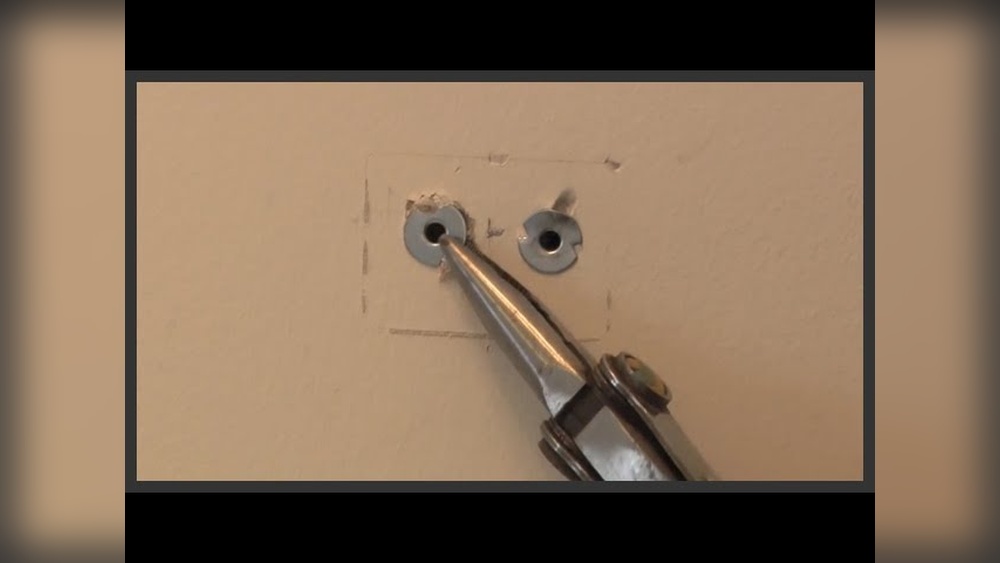
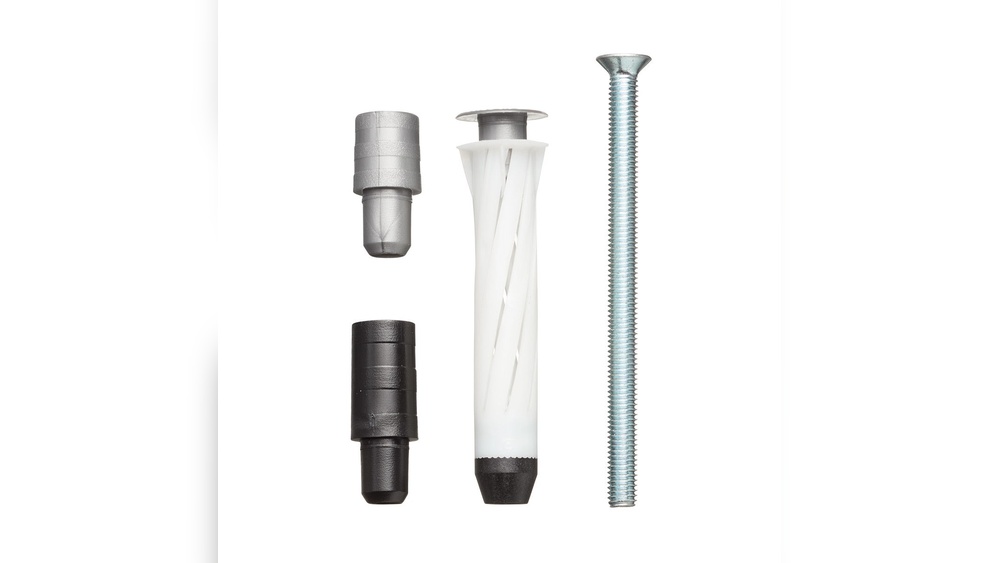
Start by drilling holes in the block wall where the gate frame will attach. Use a drill bit that matches the size of the wall plugs. Gently tap the wall plugs into the holes until they are flush with the wall surface. Wall plugs provide a tight grip for the anchor bolts.
Securing Anchor Bolts
Place the gate frame against the wall, aligning it with the inserted wall plugs. Insert the anchor bolts through the gate frame holes into the wall plugs. Use a wrench to tighten the bolts securely. The bolts should be firm but avoid over-tightening to prevent damage.
Checking Stability
Once the bolts are tightened, test the gate’s stability. Push and pull the gate gently to ensure it does not move. If it wobbles, check the bolts and tighten them further. A stable gate ensures safety and long-lasting use.
Credit: titanbp.com
Mounting The Gate
Mounting the gate to a block wall is a key step in gate installation. Proper mounting ensures the gate swings smoothly and stays secure. This process involves aligning hinges, attaching them firmly to the wall, and testing the gate’s movement. Each step must be done carefully for the best results.
Aligning Gate Hinges
Start by positioning the gate where it will hang. Mark the spots on the block wall for the hinges. Use a level to make sure the hinges line up straight. Proper alignment keeps the gate balanced and prevents sagging. Measure twice to avoid mistakes. Correct hinge placement saves time in later adjustments.
Attaching Hinges To Wall
Drill holes into the marked spots on the block wall. Use a masonry bit to match the size of the anchors. Insert strong anchors for a secure hold. Screw the hinges tightly into the anchors. Check that hinges are flush against the wall. A firm attachment supports the gate’s weight well.
Testing Gate Movement
Once attached, swing the gate open and closed slowly. Watch for smooth, even motion without sticking. Adjust the hinges if the gate drags or tilts. Make sure the gate locks properly in place. Testing now prevents problems later. Smooth movement means the gate is mounted correctly.
Tips For Long-lasting Support
Anchoring a gate to a block wall requires strong, lasting support. This section shares simple tips to help your gate stay secure for years. Following these tips prevents damage and keeps the gate working well.
Weatherproofing Techniques
Protect metal parts with rust-resistant paint or coatings. Use waterproof sealant around the anchor points. Cover wood parts with weatherproof paint or stain. Check for water pooling near the wall base. Good drainage stops water damage and erosion.
Regular Maintenance
Inspect the gate and anchors every few months. Tighten loose bolts and replace rusty hardware. Clean dirt and debris from hinges and joints. Lubricate moving parts to prevent stiffness. Early care stops small issues from growing.
Avoiding Common Mistakes
Do not use weak or thin anchors. Choose heavy-duty anchors made for block walls. Avoid drilling too close to wall edges. This can crack the blocks. Use a level to keep the gate straight. Poor alignment causes stress and damage over time.

Credit: fixabolt.co.uk
Frequently Asked Questions
How Do You Anchor A Gate To A Block Wall?
To anchor a gate to a block wall, use heavy-duty gate hinges attached with expansion bolts. Drill holes into the block, insert anchors, then secure the hinges tightly. This ensures a strong, stable connection for smooth gate operation and long-lasting support.
What Tools Are Needed To Anchor A Gate To Block Wall?
You need a drill with masonry bits, expansion bolts, a wrench, a level, and gate hinges. These tools help drill holes, secure anchors, and align the gate properly. Using the right tools ensures safety and proper installation.
Can I Anchor A Wooden Gate To A Block Wall?
Yes, you can anchor a wooden gate to a block wall using metal hinges and expansion bolts. Secure hinges firmly into the wall and attach them to the gate frame. This provides stability and prevents gate sagging over time.
How Do I Ensure Gate Stability On A Block Wall?
Use heavy-duty hinges, proper anchors, and check alignment with a level. Tighten all bolts securely and consider installing a gate stop. These steps prevent gate movement and increase durability against wind and usage.
Conclusion
Anchoring a gate to a block wall is simple with the right steps. Use strong bolts and proper tools for a secure fit. Check the alignment often to keep the gate working smoothly. Take your time and follow safety tips closely.
A well-anchored gate lasts longer and works better every day. This guide helps you build a gate you can trust. Now, you can add strength and style to your space easily.