Are you looking to give your Restoration Hardware medicine cabinet a fresh, new look? Painting it yourself is easier than you might think, and it can completely transform your bathroom’s style.
Whether your cabinet is looking tired or you simply want to match it with your decor, this guide will show you exactly how to do it right. By the end, you’ll have all the tips and tricks to make your cabinet look professionally updated—without spending a fortune or hiring someone else.
Ready to get started? Let’s dive in!
Choosing The Right Paint
Choosing the right paint is key for restoring your Restoration Hardware medicine cabinet. The right paint protects the surface and gives a fresh look. It also lasts longer and resists moisture in bathrooms. Picking a suitable paint type and finish ensures your cabinet looks great and stays durable.
Types Of Paint Suitable For Medicine Cabinets
Use paint made for wood or metal, depending on your cabinet material. Latex paint works well for wood surfaces. It dries fast and cleans up with water. Oil-based paint is strong and smooth but takes longer to dry. Enamel paint offers a hard, glossy finish that resists chips and scratches. Choose paint that handles bathroom humidity to avoid peeling.
Color Selection Tips
Pick colors that match your bathroom style and lighting. Light colors open up small spaces and look clean. Dark colors add depth and make a bold statement. Consider neutral tones for a timeless look. Test paint samples on a small area to see how the color appears in different light. Avoid overly bright colors that may clash with other bathroom elements.
Paint Finishes And Their Effects
Paint finish changes the cabinet’s look and feel. Glossy finishes reflect light and are easy to clean. Satin finishes offer a soft shine and hide minor flaws. Matte finishes give a smooth, non-reflective surface but can be harder to clean. Semi-gloss is popular for bathroom cabinets because it balances shine and durability. Choose a finish that fits your style and bathroom use.
Gathering Necessary Tools
Gathering the right tools is the first step to paint your Restoration Hardware medicine cabinet. Having everything ready makes the job easier and faster. It helps you avoid interruptions during the painting process.
Focus on quality supplies for a smooth and lasting finish. Also, safety gear protects you from dust and fumes. Prepare well to enjoy a neat and safe painting experience.
Essential Painting Supplies
Start with sandpaper to smooth the cabinet surface. Choose medium and fine grit for best results. Use a primer to help paint stick better and last longer. Pick a paint suitable for wood or metal, depending on your cabinet. A small paintbrush works well for edges and details. Use a foam roller for flat surfaces to avoid brush marks. Have a clean cloth handy to wipe dust before painting.
Safety Equipment To Use
Wear a mask to avoid inhaling paint fumes and dust. Use gloves to keep paint off your skin. Safety goggles protect your eyes from splashes and dust. Work in a well-ventilated area to reduce fume buildup. Cover your clothes with old shirts or aprons. Keep a first aid kit nearby for minor cuts or scrapes.
Preparing The Cabinet Surface
Preparing the cabinet surface is the first step to a successful paint job. It ensures the paint sticks well and lasts longer. Taking time to prepare the surface prevents peeling and uneven finish.
Proper preparation makes the cabinet look smooth and fresh after painting. Follow these steps carefully for the best results.
Cleaning And Removing Hardware
Start by cleaning the cabinet with a mild soap and water solution. Remove all dirt, grease, and dust. This helps the paint adhere better.
Take off all hardware like knobs, handles, and hinges. Use a screwdriver to remove them carefully. Store the hardware safely to avoid losing any pieces.
Sanding Techniques For Smooth Finish
Lightly sand the cabinet surface using fine-grit sandpaper. This removes old paint and rough spots. Sand in a circular motion for even results.
Wipe off sanding dust with a damp cloth. Make sure the surface is dry before moving to the next step.
Priming The Surface
Apply a good-quality primer to the cabinet. Primer helps the paint stick and blocks stains from bleeding through.
Use a brush or roller to spread the primer evenly. Let it dry completely before painting.
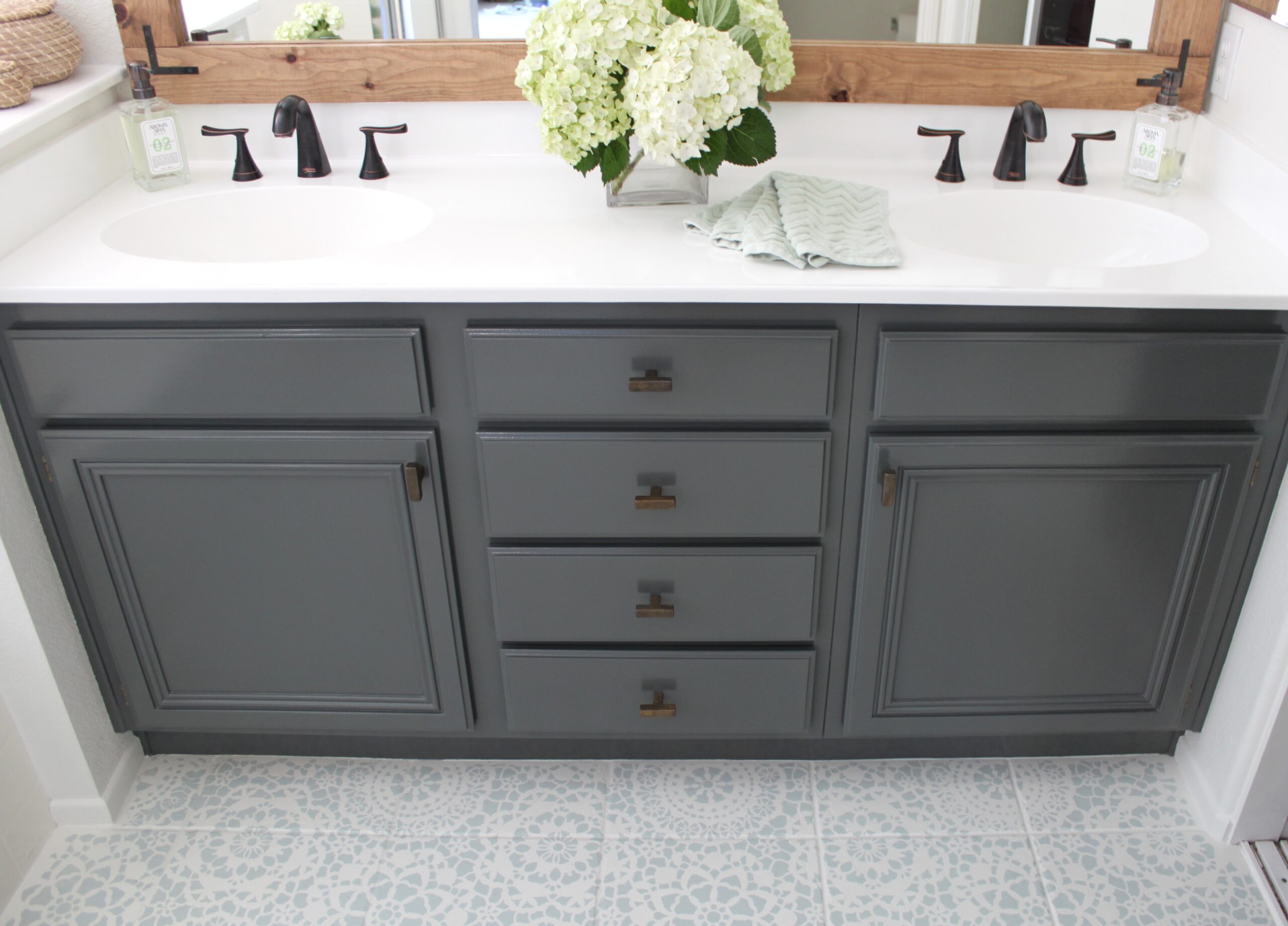
Credit: domesticblonde.com
Painting Techniques
Painting your Restoration Hardware medicine cabinet requires careful techniques. Using the right method ensures a smooth and lasting finish. This section covers key painting techniques to help you achieve professional results.
Brush Vs. Spray Painting
Choosing between brush and spray painting depends on your skill and tools. Brushes offer control for small details and edges. Spraying covers large surfaces quickly and evenly. Spraying needs a clean, dust-free space to avoid spots. Brushes may leave visible strokes but allow careful work. Both methods work well with preparation and patience.
Applying Paint In Thin Layers
Thin layers dry faster and reduce drips. Apply paint lightly with even strokes. Multiple thin coats build a stronger finish than one thick coat. Let each layer dry fully before adding the next. Thin layers help avoid uneven texture and peeling. Patience with layers improves the cabinet’s look and durability.
Avoiding Drips And Streaks
Drips and streaks spoil the smooth paint surface. Use moderate paint amounts to prevent dripping. Hold the brush or sprayer steady and move evenly. Check the cabinet from different angles while painting. Correct drips immediately with a light touch. Proper technique keeps the finish clean and professional.
Drying And Curing Time
Drying and curing time is a key step in painting a Restoration Hardware medicine cabinet. It ensures the paint sets well and lasts longer. Without proper drying, the paint may peel or smudge easily.
Understanding how long to wait and the best conditions can save effort and improve results. Patience during this phase leads to a smooth, durable finish.
Optimal Drying Conditions
Choose a dry, warm room for drying the cabinet. Avoid places with high humidity or cold air. These slow down the drying process.
Good airflow helps the paint dry evenly. Use a fan or open windows if needed. Direct sunlight can cause the paint to dry too fast and crack.
Maintain a steady temperature around 65 to 75 degrees Fahrenheit. This range supports proper curing without damage.
When To Apply Additional Coats
Wait until the first coat is completely dry before adding another. This usually takes about 4 to 6 hours. Touch the surface lightly to check if it feels dry.
Applying coats too soon causes streaks and bubbles. Each coat builds color and protection, so patience is key.
Allow the final coat to cure for at least 24 hours before using the cabinet. This helps the paint harden fully and resist wear.

Credit: www.decorpad.com
Reassembling And Finishing Touches
After painting your Restoration Hardware medicine cabinet, reassembling and finishing touches bring the project together. This step makes sure the cabinet looks great and stays durable. Careful handling during reassembly prevents damage to your fresh paint.
Follow clear steps to reattach hardware and protect the paint. These actions keep your cabinet functional and beautiful for years.
Reattaching Hardware
Start by cleaning the hardware parts. Remove any old paint or dust gently. Use a soft cloth or brush for this task.
Align the hinges and handles with their original spots. Tighten screws carefully to avoid scratching the paint. Use a screwdriver with a good grip for better control.
Check if all pieces fit well and move smoothly. Adjust if any part feels loose or tight. Proper reattachment ensures long-lasting use.
Sealing And Protecting The Paint
Apply a clear sealant to protect the paint from chips and moisture. Choose a water-based polyurethane for easy use and low odor.
Use a soft brush or foam applicator for smooth coverage. Apply thin, even coats to avoid drips and bubbles.
Let each coat dry fully before adding another. Two to three coats offer the best protection. This step keeps your cabinet looking fresh and new.
Common Mistakes To Avoid
Painting a Restoration Hardware medicine cabinet can refresh its look and protect it from damage. Avoiding common mistakes helps ensure a smooth and lasting finish. These errors often cause frustration and extra work. Focus on proper steps to get the best results.
Skipping Surface Preparation
Surface preparation is key before painting. Dirt, grease, and old paint stop new paint from sticking well. Clean the cabinet with mild soap and water. Sand any rough spots to create a smooth base. Skipping this step may cause peeling and uneven paint.
Using The Wrong Paint Type
Choosing the correct paint type matters for durability. Use paint designed for wood or furniture. Avoid wall or craft paints. These can chip or wear out quickly. A semi-gloss or satin finish works best for cabinets. It cleans easily and resists moisture.
Rushing The Drying Process
Patience is crucial when drying paint. Drying time varies by paint type and room conditions. Touching or using the cabinet too soon causes smudges and damage. Allow at least 24 hours between coats. Complete drying ensures a smooth, strong finish.

Credit: www.walmart.com
Frequently Asked Questions
How Do I Prep A Restoration Hardware Medicine Cabinet For Painting?
Start by removing all hardware and glass shelves. Clean the surface with mild soap and water. Sand lightly to remove gloss. Wipe dust with a tack cloth. This ensures paint adheres well and gives a smooth finish.
What Type Of Paint Is Best For Medicine Cabinets?
Use a high-quality, durable enamel or semi-gloss paint. These paints resist moisture and wear. They provide a smooth, washable surface, ideal for bathroom cabinets. Choose a paint compatible with wood or metal, depending on your cabinet material.
How Many Coats Of Paint Are Needed?
Typically, two to three thin coats provide the best coverage. Allow each coat to dry completely before applying the next. Multiple coats ensure even color and durability for your medicine cabinet.
Can I Paint Over The Original Finish Without Stripping It?
Yes, if the surface is clean and lightly sanded. Sanding removes gloss and helps paint stick. Use a primer designed for glossy surfaces to improve adhesion and durability before painting.
Conclusion
Painting your Restoration Hardware medicine cabinet can refresh any bathroom space. Choose the right paint and tools carefully. Clean and sand the surface well before you start. Take your time to apply smooth, even coats. Let each layer dry completely for best results.
Small steps lead to a beautiful finish. Enjoy your updated cabinet and the new look it brings. A little effort makes a big difference. Give your bathroom a fresh, clean feel today.


