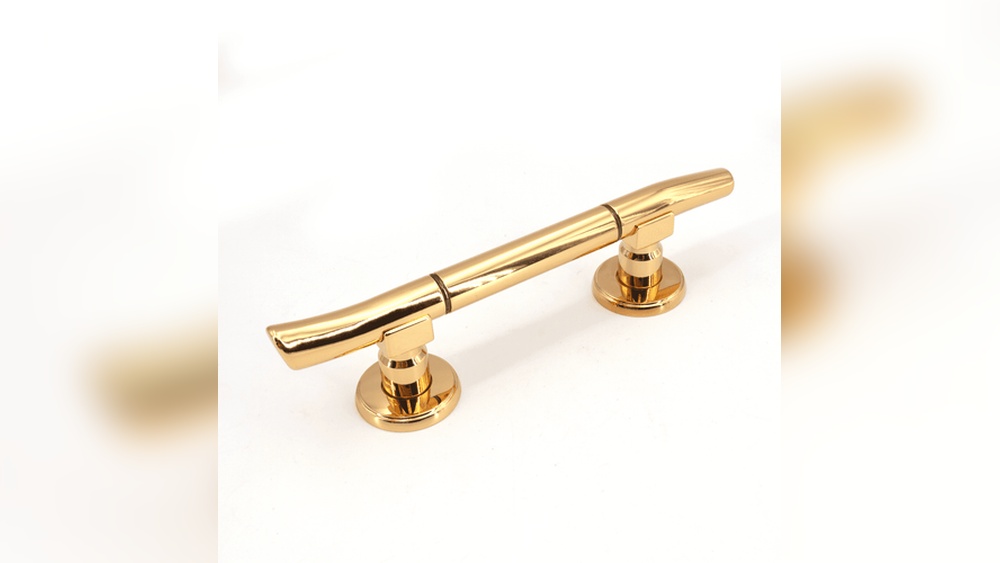
Are you worried that the brass cabinet hardware in your home might be putting your health at risk? You’re not alone.
Many people have started asking, “Does brass cabinet hardware cause cancer? ” It’s natural to want to keep your family safe while still enjoying beautiful home decor. You’ll discover the truth behind this concern, learn what the science really says, and find out how to make smart choices for your home.
Keep reading to protect your health without sacrificing style.
Brass Cabinet Hardware Basics
Brass cabinet hardware is a popular choice for many homeowners. It offers a classic look and sturdy feel. Knowing the basics helps you understand its safety and uses. This section explains what brass is and where you might find it in your home.
What Is Brass Made Of
Brass is a metal alloy. It mainly contains copper and zinc. The mix of these metals gives brass its strength. It also gives brass a bright, gold-like color. Small amounts of other metals can be added. These change the color or make brass harder.
Common Uses In Homes
Brass shows up in many home fixtures. Cabinet handles and drawer pulls often use brass. It also appears in light fixtures and door knobs. Brass is popular for its look and durability. It resists rust, making it ideal for kitchens and bathrooms.
Health Concerns Linked To Brass
Brass is a popular material for cabinet hardware due to its durability and look. Some people worry about health risks from brass, especially if it contains harmful chemicals. Understanding these concerns helps in making safe choices for your home.
This section explains the health concerns linked to brass, focusing on its chemical makeup and how people might be exposed daily.
Chemical Composition And Risks
Brass is mainly made of copper and zinc. Some brass items may also contain small amounts of lead. Lead can be harmful, even in tiny amounts. Prolonged exposure to lead can cause serious health issues, including damage to the brain and kidneys. Copper and zinc are less risky but can cause irritation if touched often. The risk depends on the amount of lead in the brass and how often you touch it.
Exposure Routes In Daily Life
People can come into contact with brass hardware by touching door handles, knobs, or cabinet pulls. Tiny amounts of metals can transfer to the skin. Sometimes, small particles may be swallowed if hands are not washed. The risk is low if you clean your hands after contact. Avoiding prolonged contact with brass that contains lead reduces health risks. Children are more sensitive to lead, so extra care is needed around them.
Cancer Risks And Metals
Many people worry about cancer risks linked to metals in everyday items. Metals are part of many tools, jewelry, and even cabinet hardware. Understanding which metals can cause cancer helps us make safer choices. This section explores common carcinogenic metals and checks if brass is one of them.
Known Carcinogenic Metals
Some metals are known to cause cancer after long exposure. Examples include arsenic, cadmium, chromium, and nickel. These metals can harm cells and change DNA, which may lead to cancer. Workers in certain industries face higher risks due to metal dust or fumes. Regular contact with these metals should be avoided when possible.
Is Brass Among Them
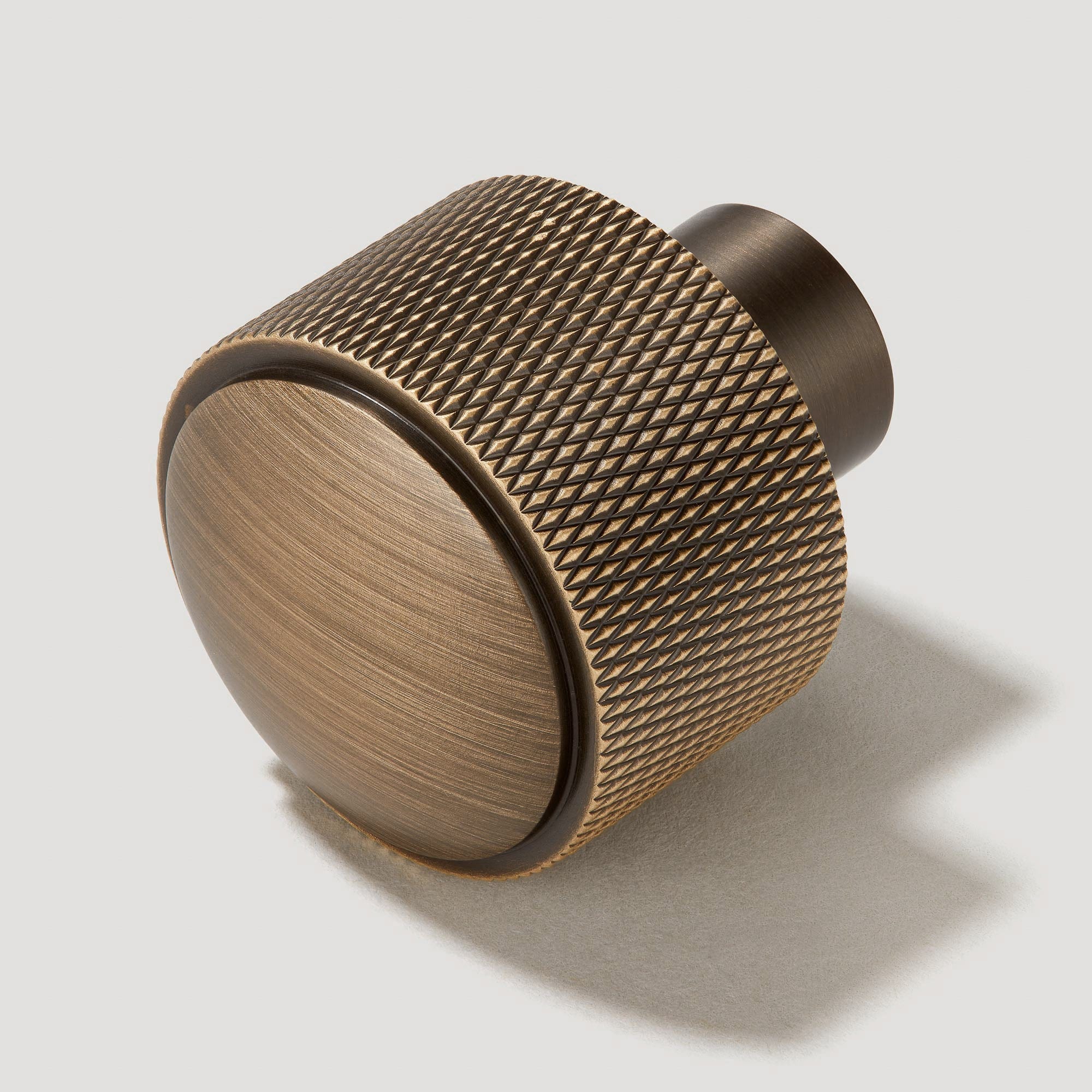
Brass is an alloy made mainly of copper and zinc. Neither copper nor zinc is known to cause cancer. Brass may contain small amounts of lead, but usually in very low levels. Lead can be harmful, but typical brass hardware is safe for home use. There is no strong evidence that brass cabinet hardware causes cancer.
Credit: us.plankhardware.com
Scientific Studies On Brass And Cancer
Many people worry about the safety of brass cabinet hardware. They ask if brass can cause cancer. Scientific studies have explored this question. These studies look at the materials in brass and their effects on health. The information helps people make safe choices for their homes.
Research Findings
Brass is made mostly of copper and zinc. Some studies show copper can kill bacteria. Zinc is an essential mineral for the body. Research has not found strong links between brass and cancer. Most studies focus on long-term exposure to metals in factories. Everyday use of brass hardware has not shown harmful effects.
Limitations And Gaps
Few studies focus directly on brass cabinet hardware. Most research looks at metal dust or fumes, not solid objects. There is little data on how brass in homes affects people. More research is needed on long-term contact with brass surfaces. Current studies do not cover all possible health risks fully.
Safe Handling Of Brass Hardware
Brass cabinet hardware is popular for its look and durability. Some worry about health risks from brass. Safe handling reduces any potential harm. It keeps your home safe and your family healthy.
Preventive Measures At Home
Wear gloves when cleaning or installing brass hardware. Avoid touching your face after handling it. Wash hands with soap and water. Use mild cleaners to avoid damage and exposure. Keep brass pieces dry to prevent corrosion. Store unused hardware in a closed container.
Alternatives To Brass Hardware
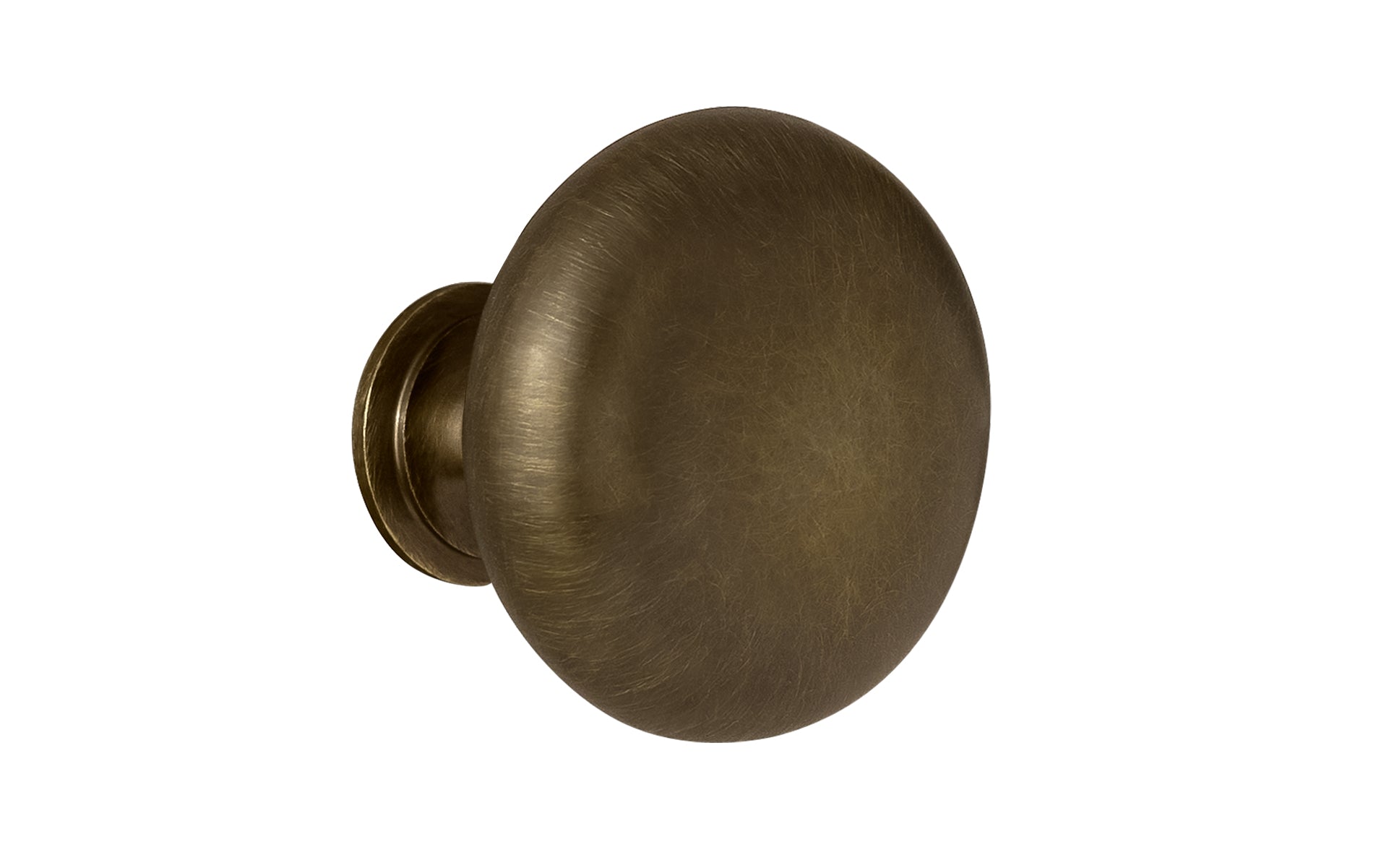
Look for cabinet hardware made from stainless steel or plastic. These materials do not contain harmful metals. They offer a safer choice for kitchens and bathrooms. Choose hardware with non-toxic coatings for extra safety. Test small pieces first to check for allergies. These options help reduce worries about brass-related risks.
Credit: hardwickandsons.com
Myths Vs Facts About Brass
Brass cabinet hardware is popular for its classic look and durability. Some people worry it might cause health problems, like cancer. This section clears up myths and shares facts about brass safety. Understanding the truth helps you make smart choices for your home.
Common Misconceptions
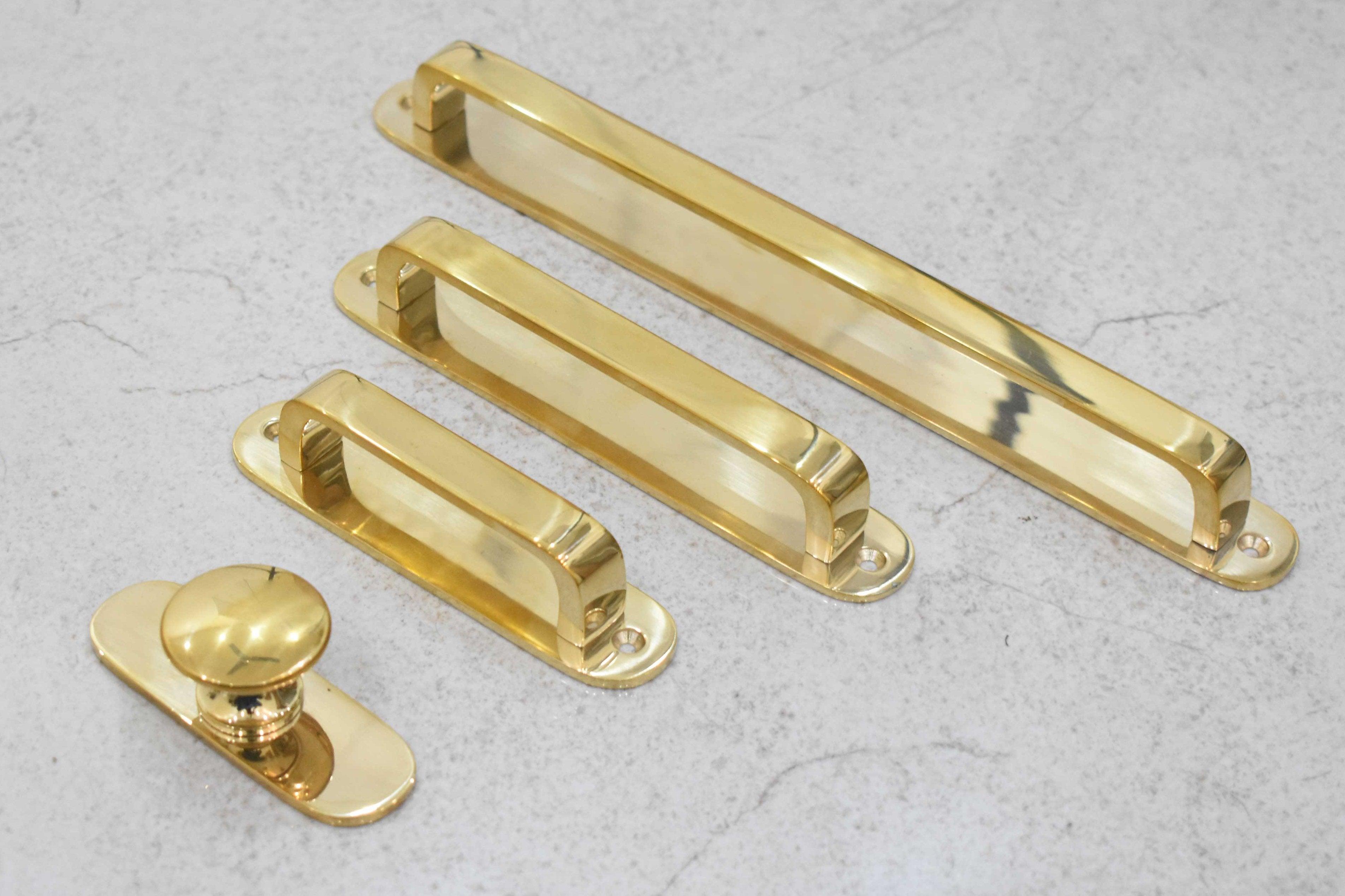
Many believe brass releases harmful chemicals that cause cancer. This idea comes from confusion about metals and their effects. Brass is an alloy made of copper and zinc. These metals do not emit cancer-causing substances in normal use. Touching or using brass cabinet handles does not increase cancer risk. The metal is stable and safe for everyday contact. Rust or damage might cause other issues but not cancer.
Expert Opinions
Health experts and scientists say brass is safe for home use. They agree no strong evidence links brass to cancer. Studies focus on heavy metals like lead or mercury, not brass alloys. Copper and zinc in brass are essential for the body in small amounts. Experts advise keeping metal surfaces clean to avoid germs, not because of cancer fears. Overall, brass cabinet hardware is a healthy, reliable choice.
Credit: stylentdecor.com
Frequently Asked Questions
Does Brass Cabinet Hardware Contain Harmful Chemicals?
Brass hardware mainly consists of copper and zinc, which are generally safe. It may contain small amounts of lead, but usually below harmful levels. Properly manufactured brass poses minimal health risks in household use.
Can Brass Hardware Cause Cancer Through Skin Contact?
There is no scientific evidence linking brass hardware to cancer via skin contact. Brass is non-toxic in normal handling. Risks from prolonged exposure to harmful substances in brass are extremely low for everyday cabinet hardware.
Is Lead In Brass Cabinet Hardware Dangerous?
Some brass alloys contain trace lead to improve durability. However, lead levels in hardware are typically too low to cause health issues. Avoid ingestion or prolonged exposure to lead-based products to minimize any potential risks.
How To Safely Use Brass Cabinet Hardware At Home?
Clean brass hardware regularly to prevent corrosion and dust buildup. Avoid chewing or licking hardware surfaces. Use sealed finishes if concerned about metal exposure, especially in homes with children.
Conclusion
Brass cabinet hardware does not cause cancer. Research shows no clear link between brass and cancer risk. Using brass handles and knobs in your home is generally safe. Always keep your hands clean after touching metal surfaces. If you have concerns, choose hardware made from other materials.
Staying informed helps you make smart choices for your home. Your health matters, but brass hardware is not a proven danger. Enjoy your cabinets without worry.