When you look around, you’ll notice countless objects held together by something small but powerful—fasteners. Whether you’re fixing a loose chair, building a shelf, or working on a DIY project, knowing the right type of fastening can make all the difference.
But what exactly are the types of fastening, and how do you choose the best one for your needs? You’ll discover the main fastening methods that can help you secure materials quickly, safely, and effectively. Ready to become a fastening pro?
Let’s dive in and unlock the secrets behind these essential tools.
Credit: www.fusiondesigninc.com
Mechanical Fastening
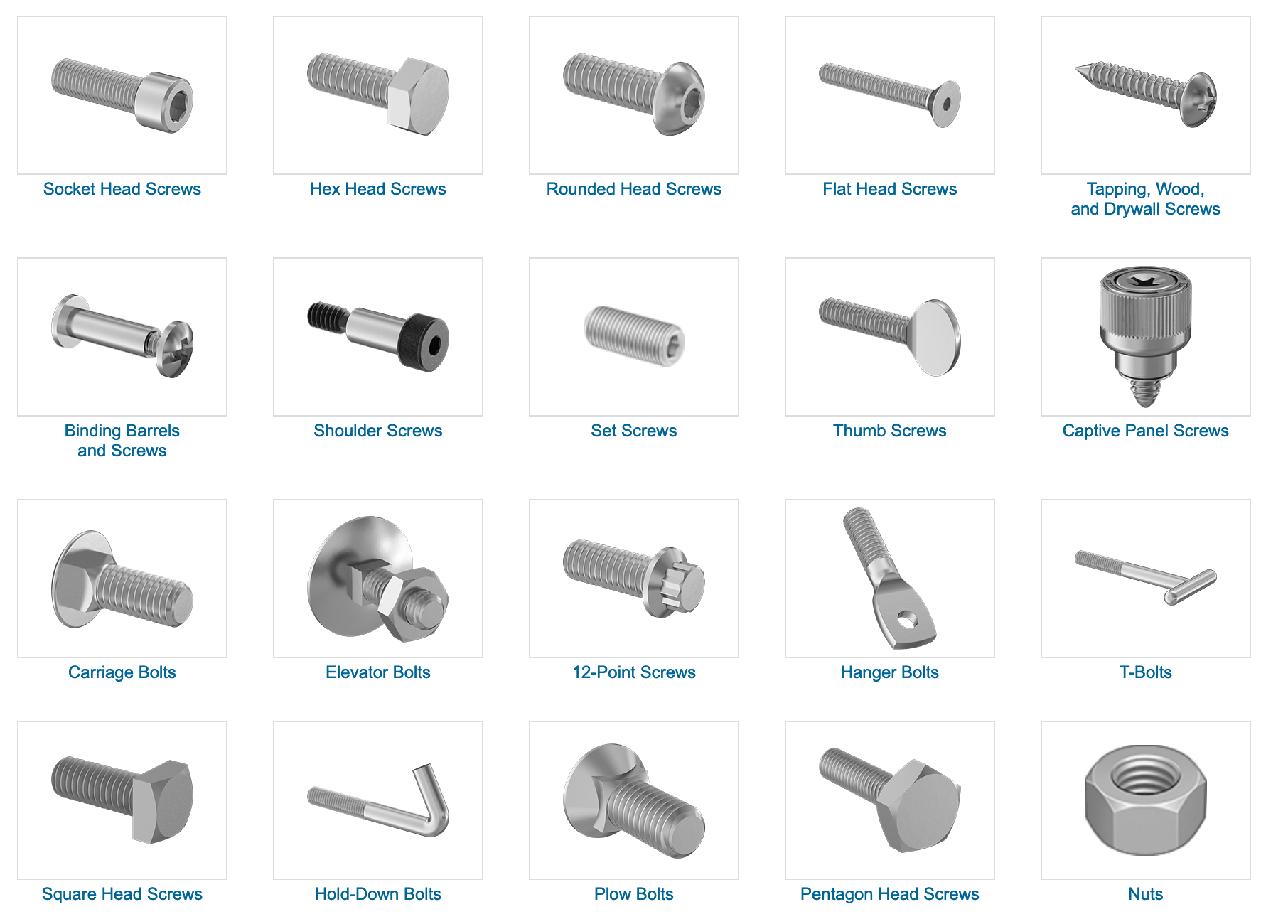
Mechanical fastening is a common method used to join two or more parts together. It involves physical components that hold materials tightly. These fasteners are strong, reliable, and easy to use. They allow for easy assembly and disassembly of parts. Many industries depend on mechanical fastening for building machines, furniture, and structures.
Bolts And Nuts
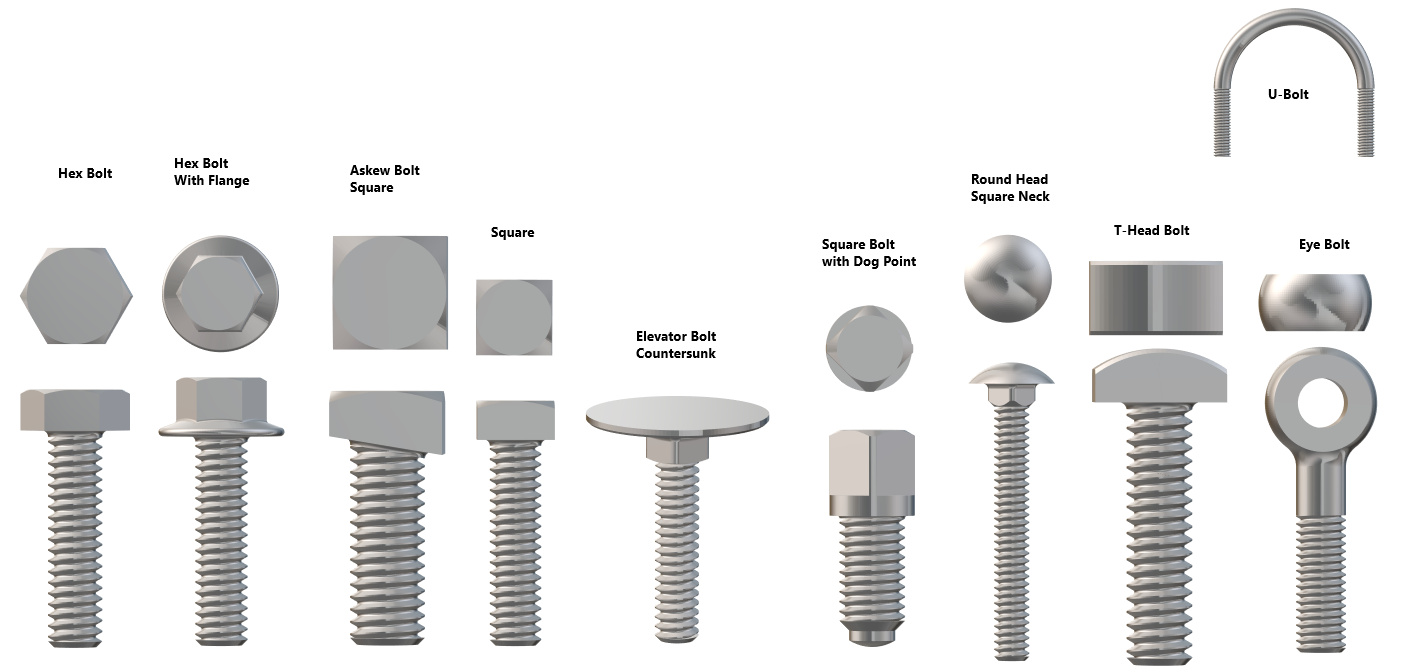
Bolts and nuts work as a pair to join materials. A bolt is a threaded rod that fits into a nut. Tightening the nut secures the parts firmly. This method is strong and can handle heavy loads. Bolts and nuts come in many sizes and shapes for different uses.
Screws And Washers
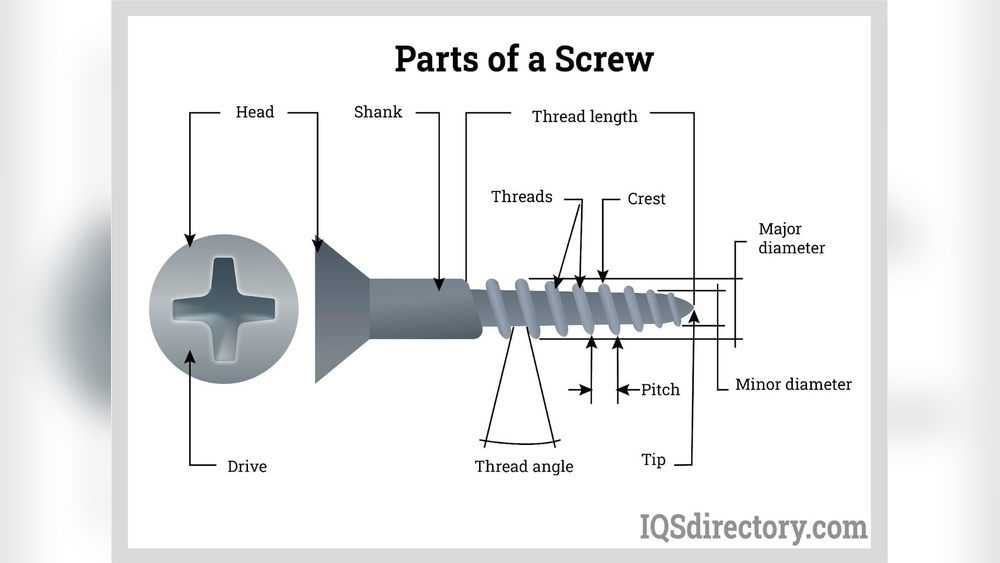
Screws have a pointed end and spiral threads. They screw directly into materials like wood or metal. Washers are flat discs placed under the screw head. Washers spread the pressure and protect the surface. This combination prevents damage and improves hold.
Rivets
Rivets join materials by deforming their ends. They are inserted into pre-drilled holes and then hammered or pressed. Rivets create a permanent bond that does not loosen. They are often used in aircraft and metal structures. Rivets come in many types for different strengths.
Clips And Clamps
Clips and clamps hold parts together without threading. Clips snap parts into place quickly and easily. Clamps apply pressure to keep parts tightly fixed. Both are reusable and adjustable. They are useful for temporary or flexible connections.
Credit: www.linquip.com
Adhesive Fastening
Adhesive fastening uses sticky substances to join materials. This method works well for many surfaces. It avoids the need for nails, screws, or welding. Adhesive fastening spreads load evenly and can seal joints against water and air.
Different types of adhesives fit different jobs. Some dry quickly, others take longer but offer strong bonds. Choosing the right adhesive depends on the materials and the environment.
Epoxy And Resin
Epoxy and resin adhesives are strong and durable. They come in two parts that mix before use. This creates a hard bond that resists heat and chemicals. Often used in construction and repairs for metals, wood, and plastics.
Cyanoacrylate Glue
Cyanoacrylate glue, also called super glue, bonds instantly. It works best on small surfaces and non-porous materials. This adhesive is ideal for quick fixes and lightweight assemblies. Bonds dry clear and hold tightly.
Polyurethane Adhesives
Polyurethane adhesives are flexible and waterproof. They expand slightly as they cure, filling gaps well. Used in woodworking, automotive, and outdoor projects. They bond wood, plastic, metal, and foam effectively.
Pressure-sensitive Tapes
Pressure-sensitive tapes stick when pressed onto surfaces. No heat or water needed to activate them. Common in packaging, mounting, and electrical insulation. They offer easy application and clean removal options.
Welding And Soldering
Welding and soldering are essential methods for joining materials together. Both create strong bonds but use different techniques and tools. These methods are common in industries like construction, electronics, and manufacturing.
Welding melts the base materials to fuse them. Soldering uses a filler metal with a lower melting point. Each has unique types suited for specific tasks and materials.
Arc Welding
Arc welding uses an electric arc to melt metals. The heat comes from an electric current between an electrode and the metal. This method is strong and fast. It works well for steel and other metals. It needs special equipment and safety gear.
Gas Welding
Gas welding burns a gas mixture to produce heat. Usually, oxygen and acetylene gases are used. The flame melts the metal edges to join them. It is good for thin metals and repair work. This method is simple and portable.
Soldering Techniques
Soldering joins metals using a filler metal called solder. Solder melts at low temperatures. It is common in electronics and plumbing. There are different techniques, like soft soldering and silver soldering. Each fits different materials and jobs.
Brazing Methods
Brazing uses a filler metal heated above 450°C. The base metals do not melt. The filler metal flows into the joint by capillary action. Brazing creates strong, leak-proof joints. It works well for different metals and shapes.
Magnetic Fastening
Magnetic fastening uses magnets to hold objects together. It offers easy and quick connections. This type of fastening is common in many products. Magnets attract each other without any tools. This makes opening and closing simple and fast.
Permanent Magnets
Permanent magnets keep their magnetic force all the time. They use materials like iron or nickel. These magnets stick objects firmly without power. They are common in cabinets and doors. No electricity is needed for their force.
Electromagnets
Electromagnets create magnetism using electricity. When power flows, they attract metal objects. When power stops, the magnetism disappears. This allows control over the fastening. Electromagnets are used in machines and locks.
Magnetic Clasps
Magnetic clasps use small magnets to close items. They are popular in jewelry and bags. These clasps make fastening easy and safe. They hold parts together without screws or buttons. Magnetic clasps are quick to open and close.
Specialized Fastening Methods
Specialized fastening methods offer unique solutions for joining materials. These methods focus on ease, speed, and reusability. They often replace traditional fasteners like screws or nails in certain applications. Each type has distinct features suited for specific uses. Understanding these options helps in choosing the best fastening approach.
Snap Fits
Snap fits are clever designs that hold parts together without extra tools. They use flexible tabs that snap into place. This method works well in plastic products and electronics. Snap fits allow quick assembly and disassembly. They save time and reduce the need for screws or glue.
Velcro And Hook-and-loop
Velcro and hook-and-loop fasteners connect surfaces using tiny hooks and loops. Pressing them together creates a strong bond. They are easy to open and close repeatedly. Used in clothing, shoes, and equipment, they offer adjustable fastening. This method is gentle on materials and user-friendly.
Zippers And Buttons
Zippers and buttons secure fabric by interlocking parts or fastening holes. Zippers slide to open or close tightly. Buttons pass through buttonholes to hold pieces of cloth. Both methods provide durable, reliable fastening. Common in apparel, they balance strength with convenience.
Choosing The Right Fastening Method
Choosing the right fastening method is key to a strong and lasting connection. The choice depends on different factors like the materials involved, the load the joint must bear, and the environment. Picking the correct method saves time and prevents problems later.
Material Compatibility
Fasteners must match the materials they join. Metals, plastics, and wood all need specific fasteners. Using the wrong type can cause damage or weak joints. Check for chemical reactions or corrosion risks between fasteners and materials.
Load And Strength Requirements
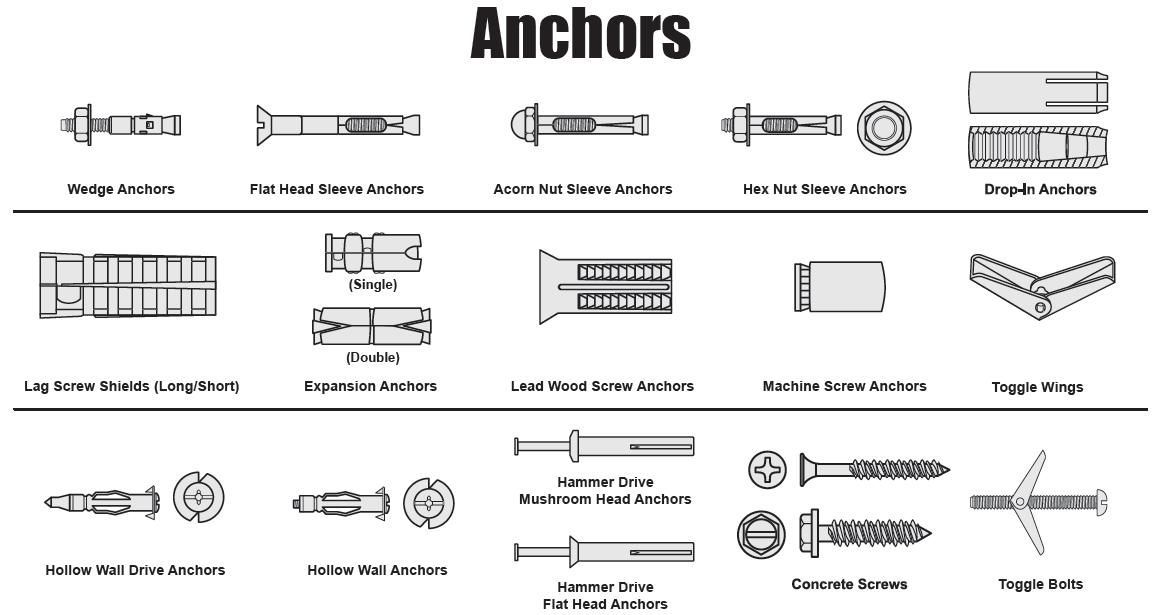
Consider the weight and stress the joint will face. Heavy loads need strong fasteners like bolts or welds. Light loads may work with screws or adhesives. Always choose fasteners that can handle the expected forces safely.
Environmental Considerations
Think about where the fastening will be used. Outdoors needs rust-resistant fasteners. High heat or moisture affects fastener performance. Select materials that last in the specific environment to avoid failure.
Ease Of Assembly And Disassembly
Decide how often the joint will be taken apart. Screws and bolts allow easy disassembly. Permanent methods like welding or adhesives are harder to remove. Choose based on how often repairs or changes may be needed.
Credit: www.americanfastener.com
Frequently Asked Questions
What Are The Common Types Of Mechanical Fastening?
Mechanical fastening includes screws, bolts, nuts, rivets, and clips. These fasteners hold parts together by applying pressure or interlocking components securely.
How Do Adhesive Fasteners Work In Fastening?
Adhesive fasteners bond surfaces using glue or resin. They provide a strong, permanent join without drilling or welding, ideal for delicate materials.
What Is The Difference Between Temporary And Permanent Fasteners?
Temporary fasteners like screws can be removed easily. Permanent fasteners such as rivets provide a lasting, non-removable joint.
Which Fastening Types Are Best For Heavy-duty Applications?
Bolts, nuts, and heavy rivets are ideal for heavy-duty fastening. They offer high strength and durability under stress and load.
Conclusion
Fastening types serve many purposes in daily life and industry. Choosing the right one depends on your project needs. Screws, nails, bolts, and adhesives each have their place. Some fasteners offer strength, others allow easy removal. Knowing these types helps you pick the best option.
Proper fastening ensures safety and durability. Keep these basics in mind for your next task. Simple choices lead to strong, lasting results.