Have you ever stopped to think about what holds things together in your everyday life? From the furniture you sit on to the gadgets you use, fasteners play a quiet but crucial role.
But what exactly is a fastener, and why should you care? Understanding this simple yet powerful tool can change the way you approach repairs, projects, and even buying decisions. Keep reading, and you’ll discover the key to making your work stronger, easier, and more reliable.

Credit: en.wikipedia.org
Fastener Basics
Fasteners are small tools that hold things together. They are everywhere, from furniture to cars. Understanding fastener basics helps you see their role in daily life. It also shows how important they are in construction and repairs.
This section covers what fasteners are, the materials used to make them, and where they are commonly applied.
Definition And Purpose
A fastener is a device that joins two or more parts. It keeps items connected securely. Fasteners help build and fix things quickly. They allow easy assembly and disassembly. Without fasteners, many products would fall apart.
Materials Used
Fasteners come in many materials. Steel is the most common because it is strong. Stainless steel resists rust and lasts long. Brass and aluminum are lighter and used in special cases. Plastic fasteners are common in electronics and light objects.
Common Applications
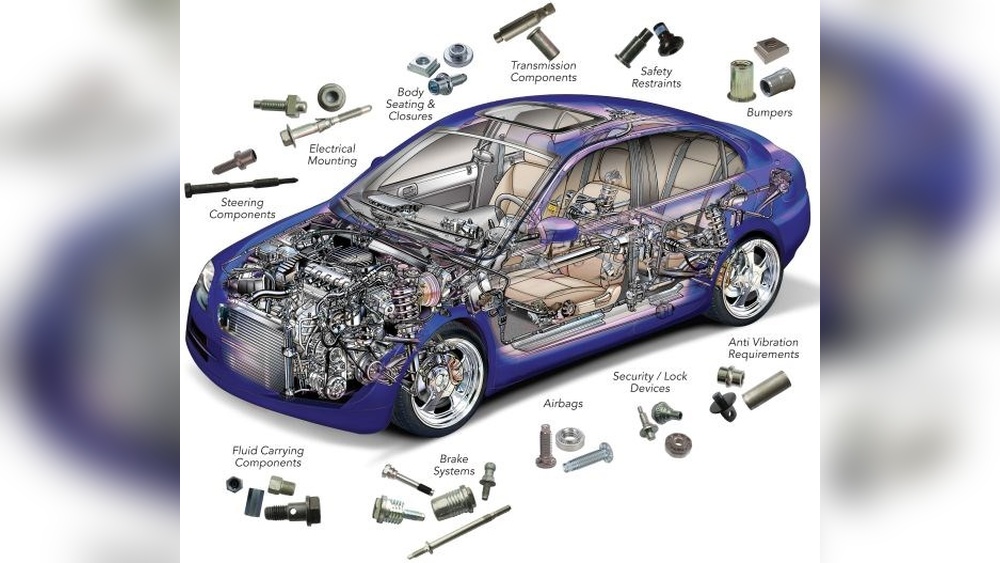
Fasteners are used in homes, cars, and machines. They hold furniture parts together firmly. In construction, they fix beams and panels. Electronics use tiny fasteners to hold parts in place. Fasteners make repairs faster and easier.
Types Of Fasteners
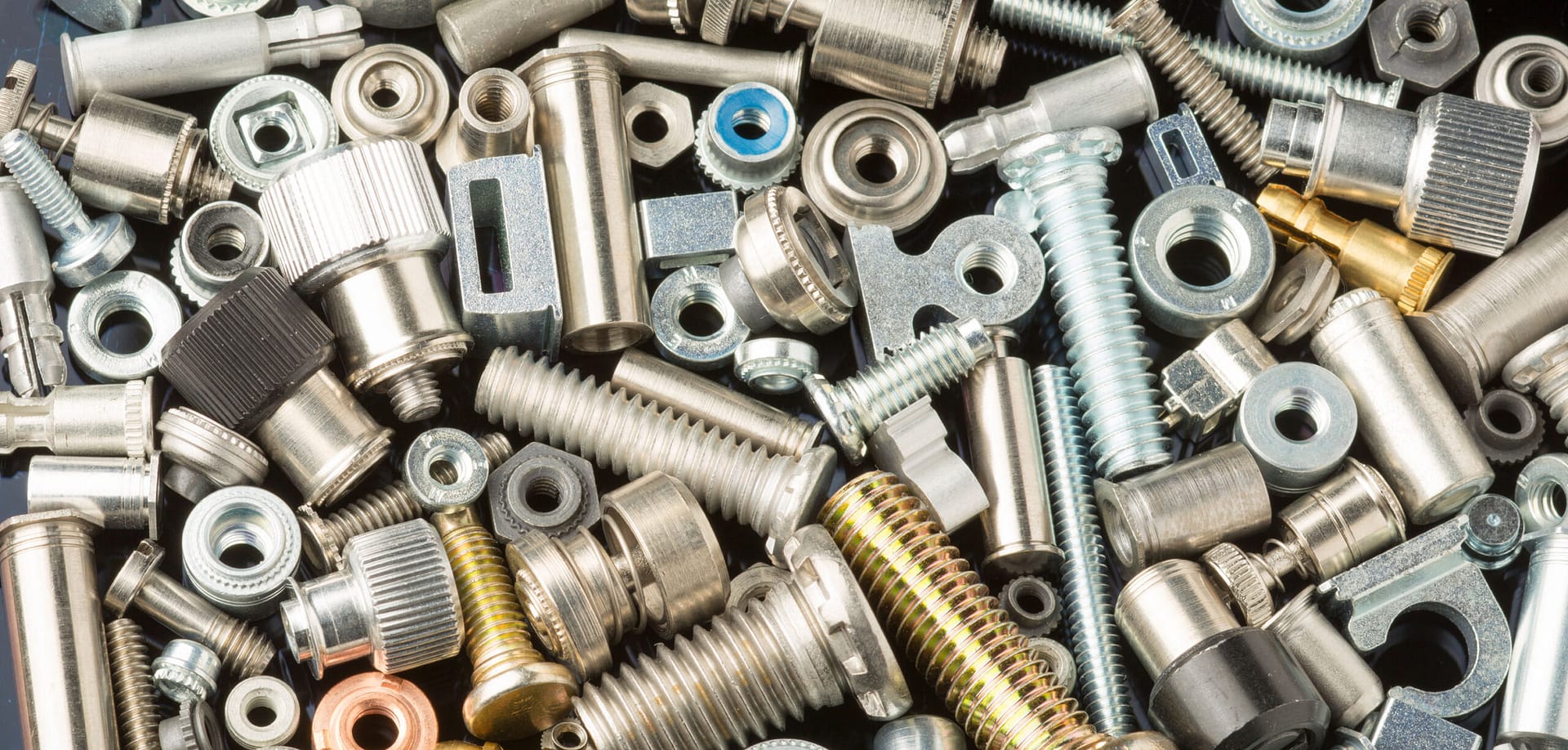
Fasteners are essential components used to join two or more objects together. They come in many different shapes and sizes. Each type serves a specific purpose in construction, machinery, or everyday items.
Understanding the types of fasteners helps in choosing the right one for a job. Below are some common fasteners and their uses.
Bolts And Screws
Bolts and screws are similar but have key differences. Bolts require a nut to hold parts together. Screws can fasten objects directly by threading into materials. Both provide strong, removable joints.
Nuts And Washers
Nuts pair with bolts to secure parts tightly. Washers sit under nuts or bolt heads. They spread the load and prevent damage to surfaces. Washers also stop nuts from loosening over time.
Rivets
Rivets create permanent joints. They are metal pins inserted through holes in parts. The ends are then deformed to hold materials firmly. Rivets are common in aircraft and metal structures.
Clips And Clamps
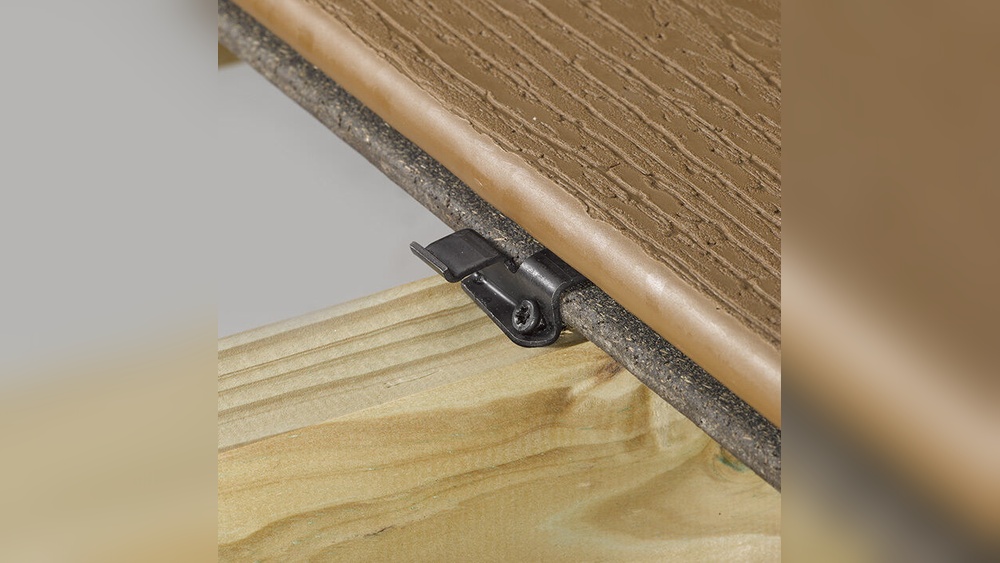
Clips and clamps hold parts together temporarily or semi-permanently. Clips snap into place and can be removed easily. Clamps apply pressure to keep objects fixed during work or transport.
Anchors And Inserts
Anchors secure fasteners in materials like concrete or drywall. Inserts provide a strong threaded hole in soft materials. Both improve holding power and prevent fasteners from pulling out.
Choosing The Right Fastener
Choosing the right fastener is key to a strong and lasting hold. Many factors affect which fastener works best for your project. Consider the conditions and materials involved. This helps avoid problems like rust, breakage, or loosening.
Understanding these elements makes your choice easier. The right fastener saves time and money. It also keeps your work safe and reliable.
Load Requirements
Fasteners must handle the weight and force they face. Heavy loads need stronger fasteners. Light loads can use smaller or simpler ones. Think about static and dynamic forces. The wrong fastener may fail under pressure.
Environmental Factors
Fasteners face different environments. Moisture, heat, and chemicals can cause damage. Use stainless steel or coated fasteners in wet places. Avoid materials that rust or corrode easily. Choose fasteners that resist the conditions around them.
Material Compatibility
Match fasteners to the materials they join. Wood, metal, and plastic need different types. Some fasteners work better with soft materials. Others suit hard surfaces. Using the right type prevents cracks and damage.
Size And Thread Considerations
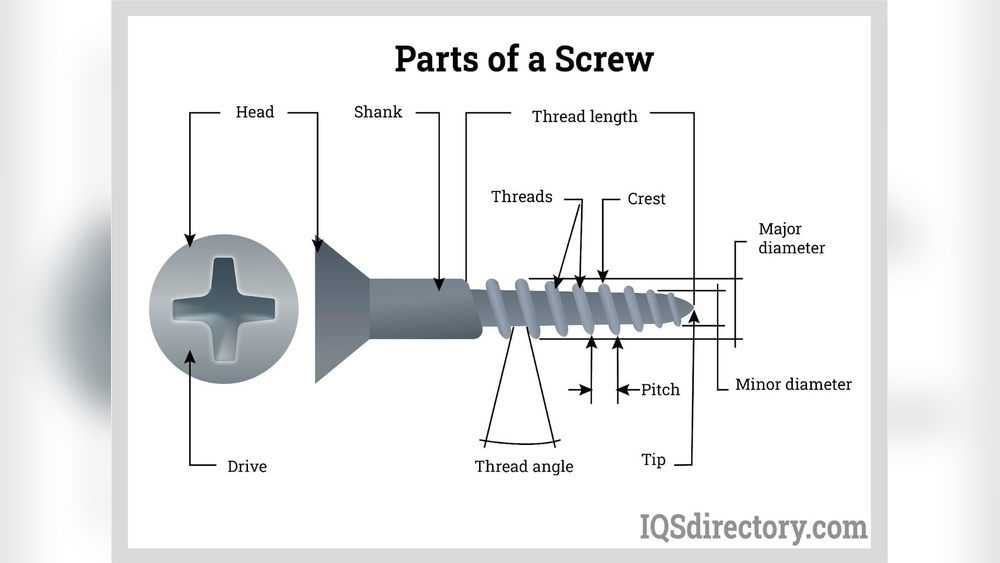
Fastener size affects strength and fit. Threads must match the material’s thickness. Too large can split the material. Too small may not hold firmly. Check thread pitch and length carefully. Proper size ensures a secure connection.
Installation Techniques
Installing fasteners correctly ensures strong and lasting connections. Different techniques suit various projects and fastener types. Choosing the right method makes the job easier and safer.
Hand Tools Vs Power Tools
Hand tools include screwdrivers, wrenches, and pliers. They provide control and precision for small or delicate jobs. Power tools like drills and impact drivers speed up installation. They save time on large projects or tough materials. Use hand tools for fine adjustments and power tools for fast work. Always pick the tool that fits your fastener and task.
Torque And Tightening
Tightening fasteners requires the right torque. Too little torque can make joints loose. Too much torque can damage the fastener or material. Use a torque wrench to measure the force applied. Follow the fastener’s torque specifications closely. Correct tightening improves safety and durability of the assembly.
Safety Tips
Wear safety glasses to protect your eyes from debris. Keep hands away from moving parts of power tools. Use gloves to avoid cuts and scrapes. Check tools for damage before use. Work in a clean, well-lit area to prevent accidents. Never rush the installation process. Safety ensures the job finishes well without injuries.
Maintenance And Troubleshooting
Fasteners hold parts together and keep machines running smoothly. Regular care prevents damage and stops failures. Troubleshooting helps find problems early. This saves time and money on repairs. Understanding maintenance and troubleshooting keeps fasteners strong and reliable.
Inspection Methods
Check fasteners for wear and damage often. Use visual checks to spot cracks or rust. Tighten loose bolts and screws with a wrench. Use a torque tool to measure tightness. Regular inspection ensures fasteners work correctly.
Common Issues
Fasteners can loosen from vibrations or use. Rust and corrosion weaken metal parts. Stripped threads stop fasteners from holding. Over-tightening can break or deform fasteners. Identifying these problems helps avoid bigger damage.
Repair And Replacement
Replace fasteners with the exact size and type. Clean rusted parts before installing new fasteners. Use thread locker to keep bolts tight. Repair damaged threads with a thread file or tap. Proper repair extends fastener life and safety.
Credit: www.pemnet.com
Innovations In Fasteners
Fasteners hold things together in many industries. They have changed a lot over time. New ideas and technology improve their strength and use. Innovations in fasteners help make products safer and last longer.
These changes also help save time and reduce waste. The fastener world is growing with new materials and smart designs. Let’s explore some of the newest trends.
Advanced Materials
New materials make fasteners stronger and lighter. Stainless steel and titanium resist rust and wear well. Composite materials add strength and reduce weight. These materials help fasteners work better in tough places.
Smart Fastening Systems
Smart fasteners can tell if they are loose or tight. Sensors inside them send signals to machines or phones. This helps workers check fasteners without taking things apart. Smart systems save time and increase safety.
Sustainability Trends
Eco-friendly fasteners use less energy to make. Some are made from recycled materials. Biodegradable fasteners break down naturally. These trends help reduce waste and protect the planet.

Credit: en.wikipedia.org
Frequently Asked Questions
What Is A Fastener Used For?
A fastener is used to join two or more objects securely. It provides mechanical stability and ease of assembly or disassembly. Common fasteners include screws, bolts, nuts, and nails. They are essential in construction, manufacturing, and everyday items for reliable connections.
What Are Common Types Of Fasteners?
Common fasteners include screws, bolts, nuts, nails, rivets, and clips. Each type serves a unique purpose based on materials and application. Screws and bolts offer strong, removable joints. Nails and rivets provide permanent fastening. Choosing the right fastener ensures durability and safety.
How Do Fasteners Differ From Adhesives?
Fasteners create mechanical bonds, while adhesives form chemical bonds. Fasteners allow easy disassembly, making maintenance simpler. Adhesives offer uniform stress distribution and seal joints. Fasteners are preferred for heavy loads; adhesives suit lightweight or delicate materials.
Why Are Fasteners Important In Construction?
Fasteners ensure structural integrity and safety in construction. They hold components together under stress and environmental conditions. Proper fastener selection prevents failures and prolongs building life. They enable quick assembly and repairs, saving time and cost.
Conclusion
Fasteners hold things together in many ways. They come in different shapes and sizes. Choosing the right fastener helps build strong, lasting products. Knowing fasteners makes repair and construction easier. Simple but important parts in everyday life. Understanding fasteners gives you more control.
They keep objects safe and steady. Small pieces, big impact.