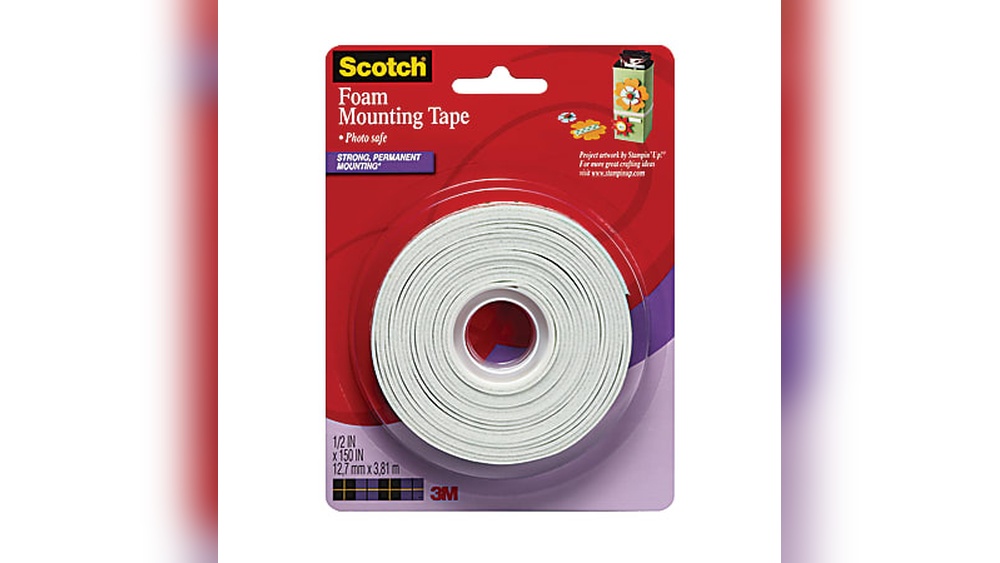
Have you ever struggled to hang pictures, secure decorations, or fix small items without making a mess? Foam mounting tape might be the simple solution you didn’t know you needed.
It’s strong, easy to use, and perfect for sticking things firmly without nails or screws. You’ll discover what foam mounting tape is, how it works, and why it could change the way you handle your everyday projects. Keep reading to find out how this little strip can make a big difference in your home or office.
Credit: t-iss.com
Foam Mounting Tape Basics
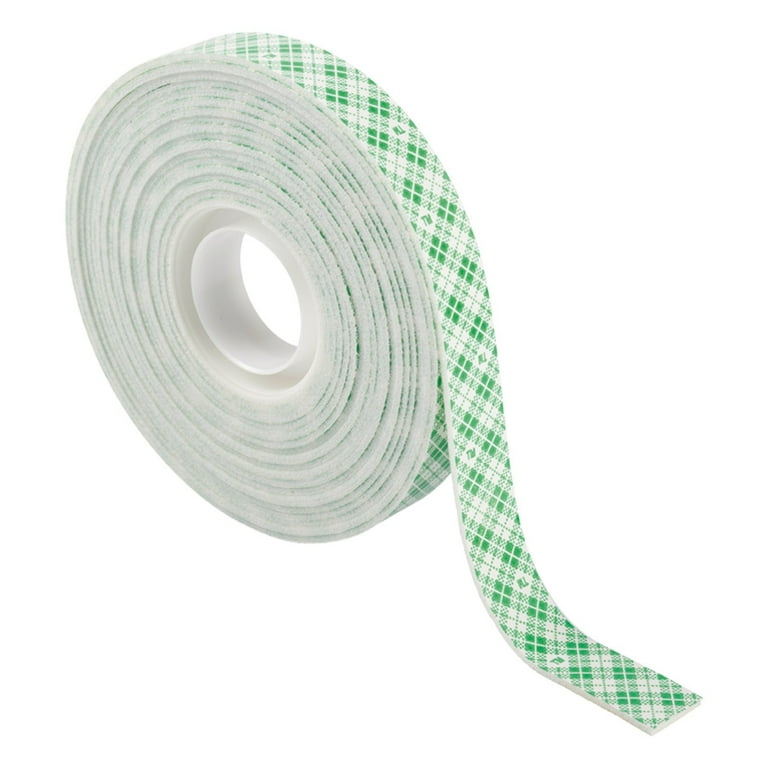
Foam mounting tape is a popular choice for many projects. It offers a strong bond and cushions between surfaces. This tape is easy to use and works well on different materials. Understanding its basics helps you pick the right tape for your needs.
Below, we break down the key points about foam mounting tape. Learn what it is made of, the different types available, and how its adhesive works.
Material Composition
Foam mounting tape is made from soft, flexible foam. Common materials include polyethylene, polyurethane, or acrylic foam. These foams provide cushioning and fill gaps between surfaces. The foam base makes the tape strong yet easy to bend or cut. This helps the tape adapt to uneven surfaces.
Types Of Foam Tapes
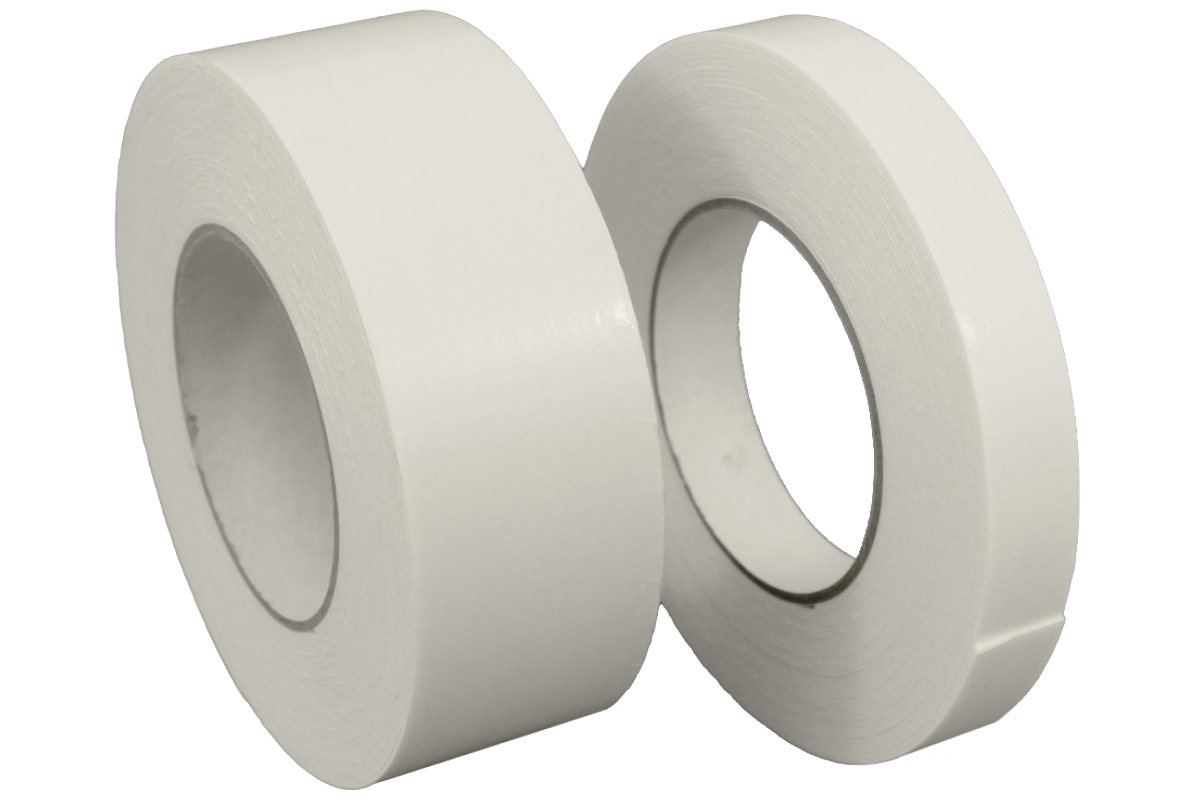
There are several types of foam mounting tapes. Closed-cell foam tape resists water and chemicals well. Open-cell foam tape is softer and more compressible. Double-sided foam tape has adhesive on both sides for bonding two surfaces. Some foam tapes have special liners for easy handling.
Adhesive Properties
The adhesive on foam mounting tape is usually acrylic or rubber-based. Acrylic adhesives offer strong, long-lasting bonds and resist aging. Rubber adhesives provide quick stickiness but may weaken over time. The adhesive sticks to many surfaces, including wood, metal, and plastic. It holds firmly without nails or screws.
Common Applications
Foam mounting tape is a versatile adhesive solution used in many areas. It offers strong bonding and cushioning between surfaces. Its flexibility and ease of use make it popular across different fields.
Home And Office Use
Foam mounting tape helps hang pictures, posters, and decorations. It secures hooks and signs without nails or screws. It also works well for sealing gaps and reducing noise.
Automotive Applications
In cars, foam mounting tape attaches trim and badges firmly. It cushions parts to reduce vibrations and noise. It also helps fix mirrors and moldings quickly.
Electronics And Gadgets
This tape holds components inside devices safely. It protects parts from shocks and vibration damage. It also organizes cables neatly inside gadgets.
Crafts And Diy Projects
Craft lovers use foam tape to add layers and depth. It sticks paper, fabric, and lightweight objects easily. It helps create strong bonds for homemade gifts and decorations.
Key Benefits
Foam mounting tape offers many advantages for both home and industrial use. It holds items firmly in place without nails or screws. The tape’s unique foam layer adds extra benefits beyond simple adhesion. These benefits make it a popular choice for various projects.
Strong Bonding
Foam mounting tape sticks tightly to many surfaces. It creates a strong bond that lasts a long time. This tape holds metal, wood, glass, and plastic firmly. It can support heavy items without falling off. The adhesive on both sides ensures a secure grip.
Shock Absorption
The foam layer absorbs shocks and vibrations well. It cushions delicate items from bumps and drops. This makes it ideal for electronics and fragile objects. The tape protects items while keeping them in place. It reduces damage from everyday impacts.
Weather Resistance
Foam mounting tape resists water, heat, and cold. It works well indoors and outdoors. Rain, sunlight, and temperature changes do not weaken the bond. The tape stays strong even in harsh weather. This makes it reliable for outdoor use.
Easy Installation
Applying foam mounting tape is simple and quick. Just cut the tape, peel the backing, and press it down. No tools or special skills are needed. It saves time compared to screws or nails. Cleanup is easy, with no mess or damage.
Choosing The Right Tape
Choosing the right foam mounting tape is essential for a strong and lasting bond. The tape must suit the materials and conditions it will face. Consider key factors to pick the best tape for your project.
Surface Compatibility
Different tapes work best on certain surfaces. Some tapes stick well to rough walls. Others hold better on smooth glass or metal. Match the tape to the surface type to avoid peeling or weak hold.
Test a small piece first. This helps check if the tape grips firmly without damage.
Thickness And Density
Tape thickness affects cushioning and gap filling. Thicker tapes fill larger gaps and absorb shock better. Dense foam offers stronger support but less flexibility.
Choose thin tape for flat, even surfaces. Use thicker tape for uneven or textured areas.
Temperature Tolerance
Some tapes resist heat and cold better than others. High-temperature tapes work well outdoors or near heat sources. Low-temperature tapes stay sticky in cold climates.
Consider where you will use the tape. Select one that stays strong in those temperatures.
Tips For Best Results
Getting the best results with foam mounting tape depends on a few important steps. Careful preparation and proper use make the tape stick well and last longer. Follow these tips to use foam mounting tape like a pro.
Surface Preparation
Clean the surface thoroughly before applying the tape. Dirt, dust, and grease reduce the tape’s grip. Use rubbing alcohol or a mild cleaner to wipe the area. Let it dry completely. Avoid touching the surface after cleaning to keep it clean.
Smooth and dry surfaces work best for foam tape. Rough or wet surfaces may cause the tape to peel off quickly. Test the surface by pressing a small piece of tape. If it sticks firmly, the surface is ready.
Application Techniques
Cut the tape to the right length for your project. Peel off the backing slowly without touching the adhesive side. Press the tape firmly onto the surface using even pressure. Press along the entire length to avoid air bubbles.
For heavier items, apply pressure for at least 30 seconds. Hold the item in place without moving it for a few minutes. Avoid stretching the tape during application. Let the adhesive set before putting weight on it.
Maintenance And Removal
Keep the mounted items away from water and heat to maintain adhesion. Check the tape regularly for signs of peeling or weakening. Replace the tape if it starts to lose grip.
Remove foam mounting tape slowly to avoid damage. Pull the tape back on itself at a low angle. Use heat from a hairdryer to soften the adhesive if the tape is stubborn. Clean leftover residue with rubbing alcohol.
Credit: www.homedepot.com
Credit: www.walmart.com
Frequently Asked Questions
What Is Foam Mounting Tape Used For?
Foam mounting tape is used to bond surfaces securely. It provides cushioning and is ideal for crafts, signage, and automotive applications. The tape adheres well to uneven or rough surfaces, offering strong, long-lasting adhesion and vibration damping.
How Does Foam Mounting Tape Work?
Foam mounting tape works by using pressure-sensitive adhesive on a foam core. The foam compresses to fill gaps, creating a tight seal. This enhances bond strength and absorbs shocks, making it effective for mounting objects on various surfaces.
Is Foam Mounting Tape Waterproof?
Yes, many foam mounting tapes are water-resistant or waterproof. They can withstand moisture, making them suitable for indoor and outdoor use. However, water resistance varies by product, so check specifications before applying in wet environments.
Can Foam Mounting Tape Replace Nails Or Screws?
Foam mounting tape can replace nails or screws for lightweight items. It offers a clean, damage-free alternative for mounting. However, for heavy or load-bearing objects, mechanical fasteners are still recommended for safety.
Conclusion
Foam mounting tape offers a strong, simple way to stick objects together. It works well on many surfaces, like wood, metal, and plastic. The tape’s foam layer helps absorb shock and fills gaps for a better hold. It saves time by avoiding nails or screws.
Many people use it for crafts, repairs, and home projects. Choosing the right tape thickness and type is important for the best results. Foam mounting tape is a handy tool that makes fixing and attaching easier every day.