Have you ever wondered how many volts flow through your light switch? Understanding this simple detail can help you stay safe and make smarter choices when handling electrical work at home.
Whether you’re fixing a switch or just curious about how your home’s wiring works, knowing the voltage is key. Keep reading, and you’ll discover the surprising facts about the power behind your light switch—and why it matters to you.
:max_bytes(150000):strip_icc()/testing-single-pole-switches-1152811-03-8b89394a236d499ebee520df31a0ce27.jpg)
Credit: www.thespruce.com
Light Switch Voltage Basics
Understanding the voltage in a light switch is important for safety and proper use. Light switches control electrical circuits by opening or closing the flow of electricity. The voltage rating tells us how much electric pressure the switch can handle safely. This helps avoid damage or accidents.
Voltage in light switches depends on the electrical system in your home or building. Different places use different standard voltages. Knowing these basics helps when buying or installing switches.
Standard Voltage Levels
Most homes use either 120 volts or 240 volts for lighting circuits. In the United States, 120 volts is common for standard light switches. Other countries may use 220 to 240 volts as the normal level. Switches are made to match these voltage standards. Using the wrong voltage switch can cause failures or hazards.
Voltage Variations By Region
Voltage levels vary by country and region. North America mostly uses 120 volts for lights. Europe and many parts of Asia use 220 to 240 volts. Some areas have different voltage standards for special applications. Always check local codes before installing or replacing switches.
Ac Vs Dc Voltage In Switches
Light switches usually control alternating current (AC) voltage. AC changes direction many times per second. Direct current (DC) voltage flows in one direction only. Switches designed for AC may not work well with DC. DC switches need special designs to handle constant voltage flow safely.

Credit: www.reddit.com
Types Of Light Switches
Light switches control the flow of electricity to your lights. There are different types of switches for different needs. Each type works with a certain wiring setup. Knowing these types helps you understand how many volts pass through them.
Some switches control one light from one spot. Others control lights from multiple spots. Dimmer switches adjust light brightness. Each type has unique voltage considerations.
Single-pole Switches
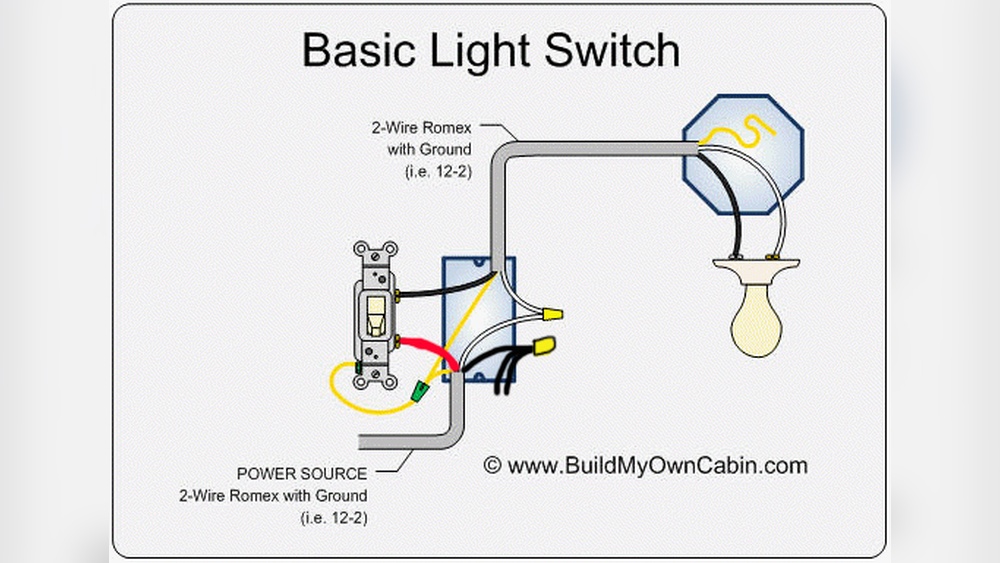
Single-pole switches are the most common. They control one light or a group of lights. These switches usually work with 120 volts in homes. The voltage flows through the switch to turn lights on or off. They have two terminals for the hot wire and ground.
Three-way And Four-way Switches
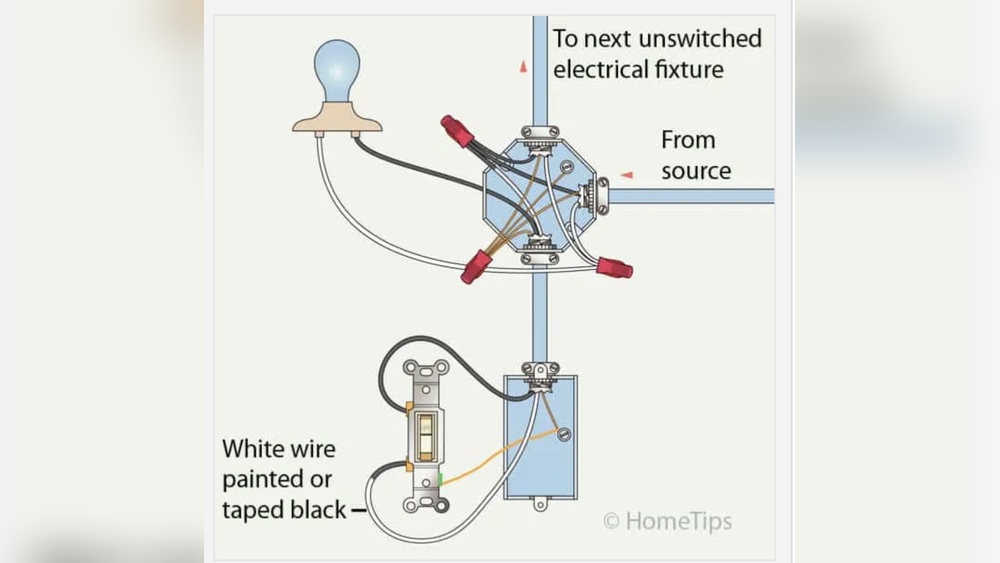
Three-way switches control lights from two locations. Four-way switches add more control points. Both types handle the same voltage as single-pole switches, typically 120 volts. They use extra terminals and traveler wires to connect switches. This wiring allows turning lights on or off from different places.
Dimmer Switch Voltage Considerations
Dimmer switches adjust light levels by changing voltage flow. Most dimmers are designed for 120 volts. Some can work with low voltage systems for LED lights. It’s important to match the dimmer switch voltage rating with your home’s wiring. Incorrect voltage can cause flickering or damage to the switch.
Voltage And Safety
Voltage plays a key role in the safety of light switches. Light switches usually control electrical circuits with specific voltage levels. Knowing these levels helps avoid accidents and electrical shocks. Safety depends on understanding voltage risks and proper handling.
Risks Of High Voltage
High voltage can cause serious injuries or fires. Electric shocks from high voltage can harm the heart and muscles. Sparks from switches may ignite flammable materials nearby. Overloading a switch can damage wiring and cause short circuits. Always respect the voltage limits of your light switch.
Proper Insulation And Grounding
Insulation prevents electricity from escaping the wires. It stops accidental contact with live parts. Grounding directs excess electricity safely into the earth. Proper grounding protects users from electric shocks. Both insulation and grounding are vital for light switch safety.
Safe Handling Practices
Turn off power before working on a light switch. Use tools with insulated handles to avoid shocks. Do not touch wires with wet hands. Check for damaged wires or loose connections regularly. Follow manufacturer instructions to keep your switch safe. Safety comes first with every step.
Testing Voltage In Light Switches
Testing voltage in light switches helps check if electricity flows properly. It ensures switches work safely and correctly. Knowing how to test voltage prevents electrical problems and hazards.
Tools For Measuring Voltage
A digital multimeter is the best tool for this task. It measures voltage, current, and resistance. A non-contact voltage tester works too. It detects voltage without touching wires. Both tools are easy to find and use.
Step-by-step Testing Guide
First, turn off power at the circuit breaker. Remove the light switch cover carefully. Set the multimeter to measure AC voltage. Touch the probes to the switch terminals. Turn the power back on. Read the voltage on the multimeter screen. Turn off power again before putting the cover back.
Interpreting Test Results
Normal voltage is usually between 110 and 120 volts in homes. A reading close to zero means no power or a faulty switch. Higher or unstable voltage signals a wiring issue. Low voltage can cause lights to flicker or not work. Always confirm with a professional if results seem wrong.
Voltage Impact On Switch Performance
Voltage plays a key role in how a light switch works. The right voltage ensures the switch operates smoothly and lasts longer. Using incorrect voltage can cause problems like overheating or failure. Understanding voltage effects helps in choosing the right switch for your needs.
Each switch is designed to handle a specific voltage range. Staying within this range keeps the switch safe and efficient. Exceeding voltage limits can damage the switch and reduce its life.
Effect On Switch Lifespan
Using the correct voltage extends the switch’s lifespan. Too high voltage causes stress on internal parts. This stress can lead to early wear and tear. Low voltage may cause the switch to malfunction or fail. Proper voltage keeps the switch working for years.
Voltage And Load Capacity
Voltage affects how much load a switch can handle. A switch designed for low voltage may not support heavy loads. High voltage switches can manage larger electrical currents. Choosing the right voltage ensures the switch can safely control the connected devices.
Troubleshooting Voltage-related Issues
Voltage problems cause common switch issues. Flickering lights or switch failure often link to wrong voltage. Testing voltage with a multimeter helps find the problem. Replacing the switch with one that matches the voltage fixes the issue. Regular checks prevent voltage damage over time.
Upgrading And Replacing Switches
Upgrading and replacing light switches improves safety and functionality in your home. Old switches may not support modern electrical needs or could be worn out. New switches offer better performance and can match your room’s style. Understanding voltage and compatibility helps avoid electrical problems during upgrades.
Choosing The Right Voltage Rating
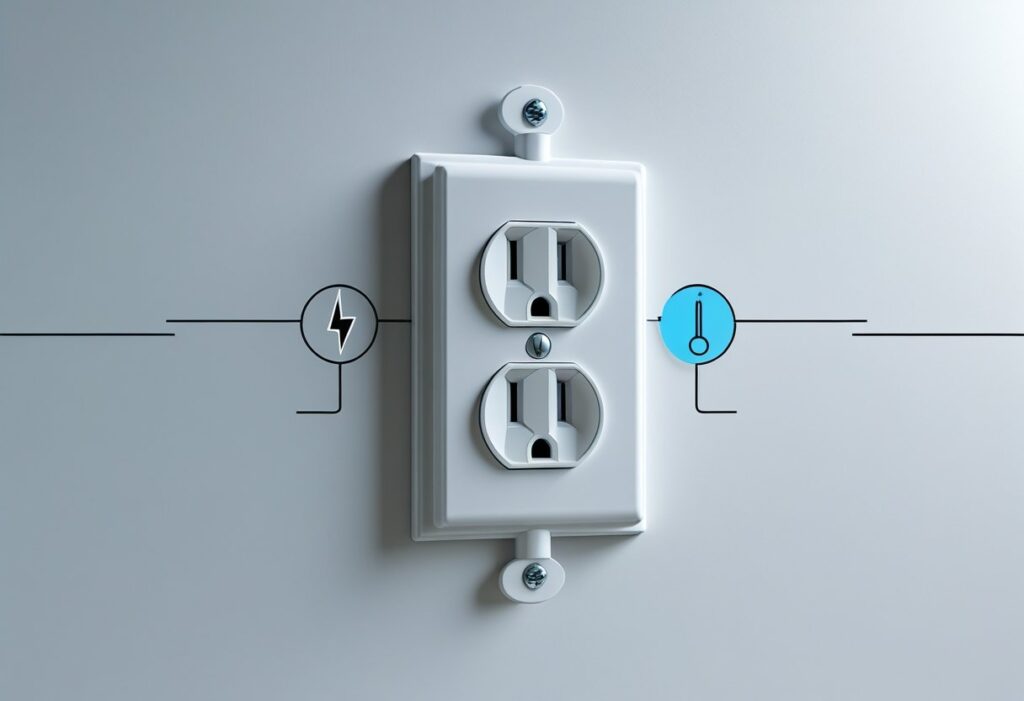
Switches have specific voltage ratings to handle electric current safely. Most home light switches are rated for 120 volts or 240 volts. Using a switch with the wrong voltage rating can cause damage or fire hazards. Always check the voltage rating on the switch before buying. This ensures the switch works properly with your home’s electrical system.
Compatibility With Existing Wiring
Switches must match the type of wiring in your home. Some homes use two-wire systems, while others use three-wire setups. Not all switches support every wiring type. Look at your current wiring to pick a compatible switch. Incorrect wiring can lead to short circuits or switch failure.
Professional Vs Diy Installation
Installing a switch can be simple but risky without knowledge. Professionals understand wiring and safety codes well. They reduce the chance of mistakes and electrical hazards. DIY installation saves money but requires caution and the right tools. Turn off power before starting any work. If unsure, hire a licensed electrician for safety.
Credit: magnifyelectric.com
Frequently Asked Questions
How Many Volts Does A Typical Light Switch Carry?
A typical household light switch carries 120 volts in North America. This voltage powers standard lighting circuits safely and efficiently.
Can Light Switch Voltage Vary By Country?
Yes, light switch voltage varies globally. For example, Europe uses 220-240 volts, while North America uses 120 volts.
Is It Safe To Touch A Light Switch Voltage?
Generally, light switches are safe to touch when dry. However, avoid contact if the switch or hands are wet to prevent shocks.
What Voltage Do Smart Light Switches Use?
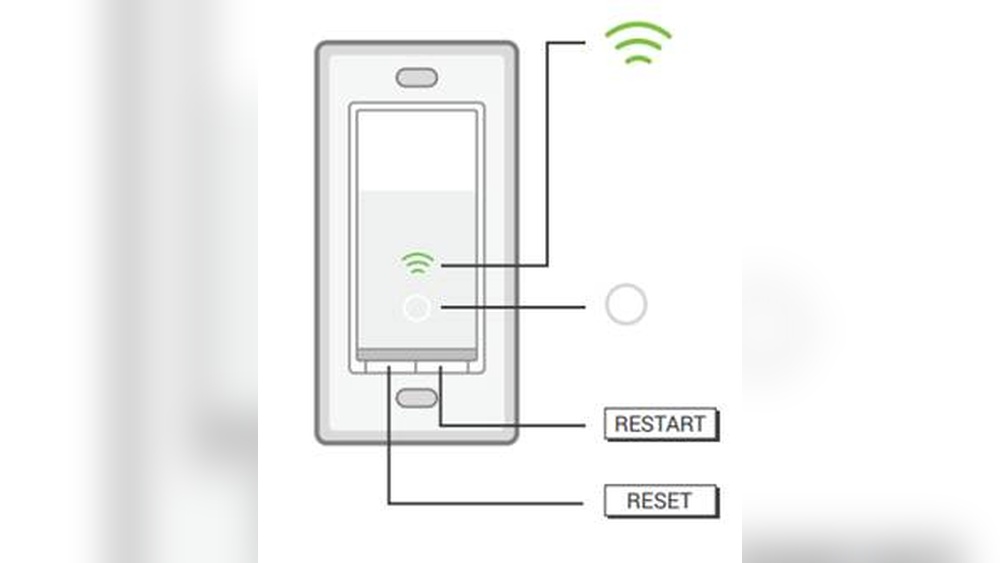
Smart light switches usually operate on standard household voltage, 120 volts in the US and 220-240 volts elsewhere, compatible with home wiring.
Conclusion
Most household light switches use standard voltage, usually 120 volts. This voltage safely controls the lights in your home. Knowing the volts helps you handle switches correctly. It also makes it easier to choose the right replacement parts. Always remember to turn off power before working on switches.
Safety comes first. Now, you better understand how many volts a light switch carries. This knowledge keeps you informed and safe. Simple and useful for everyday home tasks.