Have you ever tried to peel off mounting tape from your whiteboard, only to end up with sticky residue and frustration? Removing mounting tape can be tricky, but it doesn’t have to damage your whiteboard or leave a mess behind.
In this guide, you’ll discover simple, effective ways to get rid of that stubborn tape quickly and safely. Keep reading, and you’ll learn easy tricks that save your time and keep your whiteboard looking spotless. Don’t let sticky tape ruin your workspace—let’s fix it together!
Credit: www.scotchbrand.com
Types Of Mounting Tape
Mounting tape comes in different types. Each type has its own use and strength. Knowing these types helps you remove tape from a whiteboard safely. It also helps avoid damage to the surface. Understanding the tape type makes removal easier and cleaner.
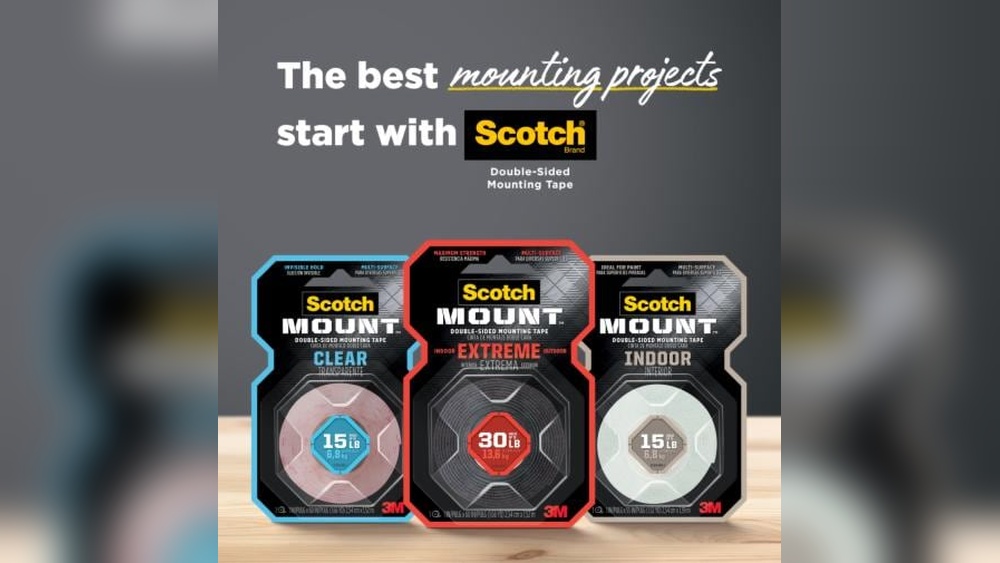
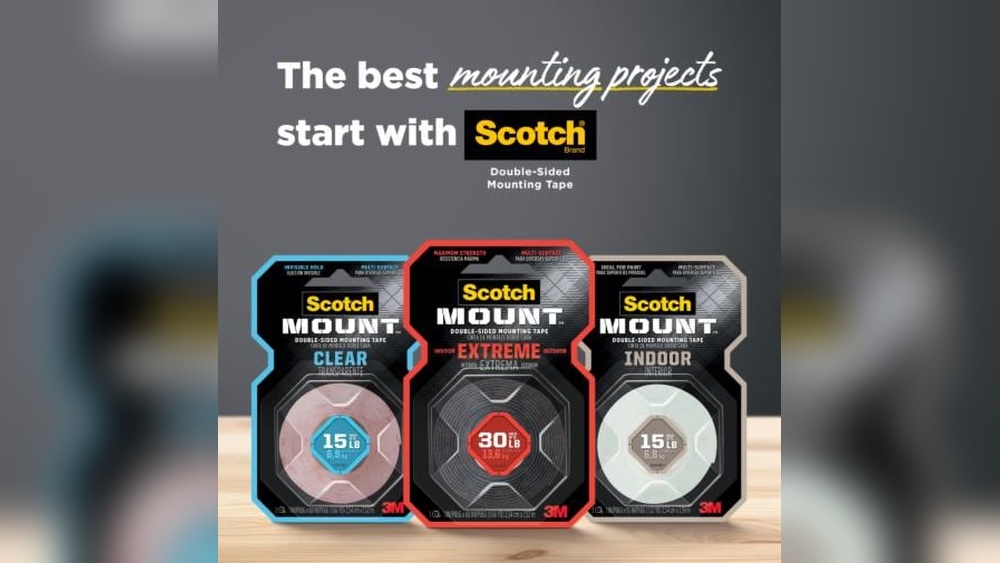
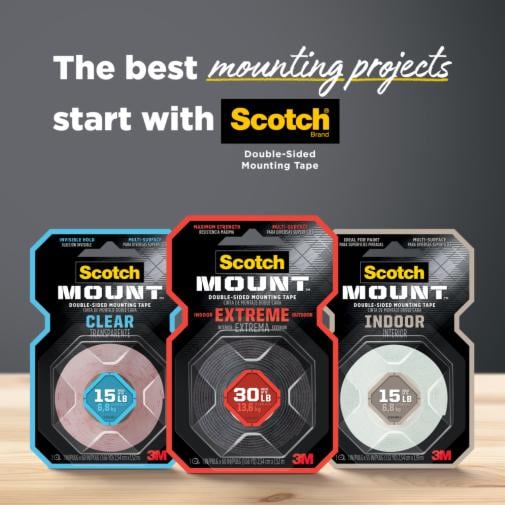
Double-sided Tape
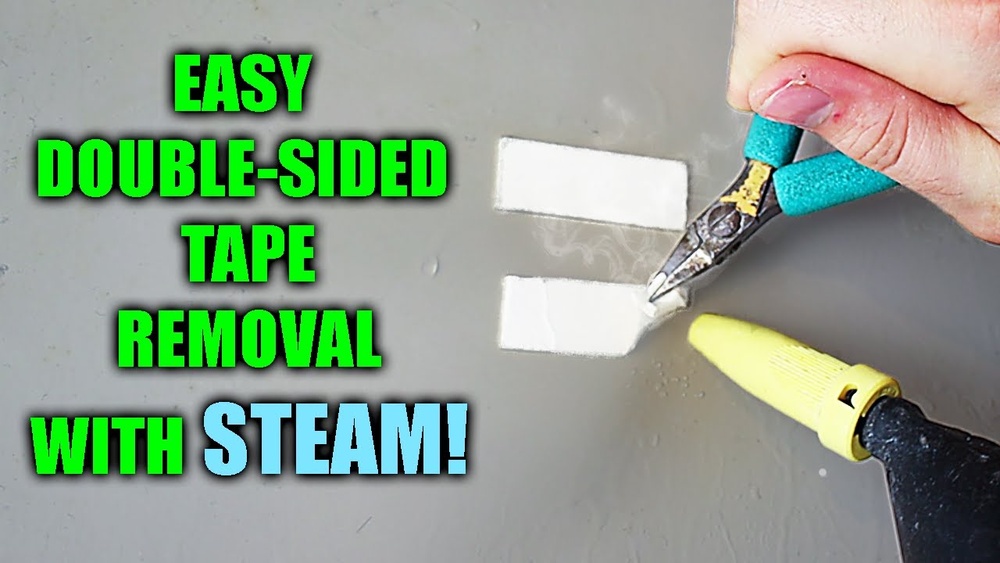
Double-sided tape sticks on both sides. It holds items tightly to surfaces. This tape is thin and clear or white. Removing it can leave sticky residue behind. Gentle heat or rubbing alcohol helps remove it. Peel slowly to avoid tearing the tape.
Foam Tape
Foam tape is thicker and softer than double-sided tape. It has a foam core that adds cushioning. Foam tape sticks strongly and fills gaps well. Removing it can be harder because of its thickness. Use a plastic scraper and warm soapy water. This helps loosen the tape without damage.
Removable Vs Permanent
Removable tape is designed to peel off easily. It leaves little or no residue on surfaces. Permanent tape sticks firmly and is harder to remove. It may leave sticky spots or damage the whiteboard. Check the tape label before removal. This helps choose the right removal method.

Credit: www.reddit.com
Preparation Before Removal
Before removing mounting tape from a whiteboard, proper preparation is key. It helps avoid damage and makes the process smoother. Taking time to prepare ensures the whiteboard stays clean and undamaged.
Gathering Tools
Start by collecting all necessary tools. You will need a plastic scraper or old credit card, rubbing alcohol or adhesive remover, soft cloths, and warm soapy water. Having these ready saves time and effort. Avoid sharp tools that could scratch the board.
Testing On Small Area
Test your chosen remover on a small, hidden spot first. This check prevents damage or discoloration to the whiteboard surface. Apply a little rubbing alcohol or cleaner and wait a few minutes. If no harm appears, proceed with full removal.
Heat Method For Tape Removal
Removing mounting tape from a whiteboard can be tricky. The heat method softens the adhesive, making tape removal easier. Heat loosens the glue without damaging the board’s surface. This method works well for stubborn tape pieces that won’t peel off easily.
Using A Hair Dryer
Set your hair dryer to medium heat. Hold it a few inches from the tape. Move the dryer slowly over the tape area for about 30 seconds. The heat softens the glue under the tape. After heating, gently peel the tape from one corner. Pull slowly to avoid tearing the tape or damaging the board. Repeat heating if the tape feels hard to remove.
Applying Heat Safely
Keep the hair dryer moving to avoid overheating. Do not hold it too close to the whiteboard surface. Overheating may cause damage or discoloration. Use short bursts of heat rather than continuous blowing. Test a small area first to check for any heat sensitivity. Always protect your hands from the hot air while working. This careful approach ensures safe and effective tape removal.
Solvent-based Techniques
Solvent-based techniques help remove mounting tape from whiteboards by breaking down the adhesive. These methods soften the sticky residue, making it easier to wipe away. Using common household solvents is effective and gentle if done right.
Using Rubbing Alcohol
Dab a cotton ball with rubbing alcohol. Gently rub the tape residue on the whiteboard. The alcohol dissolves the glue without damaging the surface. Wipe the area clean with a soft cloth. Repeat if some residue remains. Rubbing alcohol evaporates quickly, leaving no marks.
Applying Vinegar Or Oil
White vinegar works well to loosen tape adhesive. Soak a cloth in vinegar and press it on the tape area. Let it sit for a few minutes. Wipe the residue off with gentle strokes. Cooking oils like olive oil also help. Apply a small amount, wait, then rub softly. Oils break down sticky glue safely.
Precautions With Solvents
Test solvents on a small whiteboard corner first. Avoid harsh chemicals that may damage the surface. Work in a well-ventilated room. Wear gloves to protect your skin. Use soft cloths to prevent scratches. Stop if the whiteboard surface shows any damage. Always handle solvents with care for safe cleaning.
Mechanical Removal Methods
Mechanical removal methods are practical and effective for taking off mounting tape from a whiteboard. These methods use physical force or tools to lift the tape without chemicals. They help keep the board clean and ready for use again. This section explains simple steps and tips for mechanical removal.
Peeling Tape Slowly
Start by lifting a corner of the tape gently. Pull the tape back at a low angle. Move slowly to avoid tearing the tape. Slow peeling reduces the chance of leaving sticky residue. Take your time to protect the whiteboard surface.
Using Plastic Scrapers
Plastic scrapers work well to lift tape bits left behind. Choose a soft plastic scraper to avoid scratches. Slide the scraper carefully under the tape edge. Use small, gentle motions to lift the tape off. Avoid metal tools that can damage the board.
Avoiding Surface Damage
Protect the whiteboard by using gentle methods. Do not use sharp or hard objects. Test any tool on a small corner first. Keep the surface dry and clean during removal. Stop if you see scratches or marks forming.
Cleaning Residue After Tape Removal
Removing mounting tape from a whiteboard often leaves sticky residue. This leftover adhesive can attract dust and dirt. Cleaning the residue is important to keep your whiteboard clear and smooth. Use gentle methods to avoid damaging the surface. Here are simple ways to clean the residue safely and effectively.
Mild Soap And Water
Start with mild soap and warm water. Mix a few drops of dish soap in a bowl. Dip a soft cloth into the solution and wring it out. Gently rub the sticky areas on the whiteboard. Avoid soaking the board to prevent damage. Rinse the cloth and wipe the surface again. Dry with a clean, soft cloth to remove moisture.
Commercial Adhesive Removers
Use commercial adhesive removers for tough residue. Choose one safe for whiteboard surfaces. Apply a small amount on a cloth or cotton ball. Test it on a hidden area first. Rub the sticky spots gently. Wipe off any leftover remover with a damp cloth. Always follow product instructions carefully to protect your board.
Drying And Polishing
After cleaning, dry the whiteboard completely. Use a soft, dry cloth to remove all moisture. Polishing the surface helps restore its shine. Use a whiteboard cleaner or a bit of rubbing alcohol. Apply gently with a clean cloth. This step removes streaks and prevents future dirt buildup.
Preventing Future Damage
Preventing damage to your whiteboard is as important as removing tape carefully. Taking simple steps helps keep your whiteboard clean and intact for a long time. Small changes in how you use tape and maintain the board make a big difference.
Choosing The Right Tape
Select tape designed for delicate surfaces. Look for low-adhesive or removable mounting tape. Avoid heavy-duty tapes that can peel paint or leave sticky residue. Clear tape made for whiteboards works best. It holds well but removes easily without damage.
Proper Application Techniques
Clean the whiteboard surface before applying tape. Dry it completely to help tape stick properly. Press tape firmly but gently. Do not stretch tape when applying. Use small pieces instead of long strips. This reduces the risk of peeling paint or leaving residue.
Regular Maintenance Tips
Check tape edges regularly for lifting or curling. Replace tape before it dries out or hardens. Clean the whiteboard surface weekly with a soft cloth. Avoid harsh chemicals that damage the board’s finish. Store your whiteboard in a cool, dry place to prevent tape from losing stickiness.

Credit: www.reddit.com
Frequently Asked Questions
How Can I Safely Remove Mounting Tape From A Whiteboard?
To safely remove mounting tape, gently peel it off at a low angle. Use a plastic scraper if needed. Avoid harsh tools to prevent surface damage. Warm the tape with a hairdryer to soften adhesive for easier removal.
What Household Items Help Remove Sticky Tape Residue?
Common items like rubbing alcohol, vinegar, or cooking oil effectively remove tape residue. Apply a small amount on a cloth, rub gently, then wipe clean. These solutions dissolve adhesive without harming the whiteboard surface.
Can Heat Make Mounting Tape Removal Easier?
Yes, heat softens the adhesive, making tape removal simpler. Use a hairdryer on low heat, warming the tape for 30 seconds. Then peel the tape off slowly to avoid damage or residue.
How Do I Avoid Damaging The Whiteboard Surface?
Always peel tape gently and avoid sharp tools. Test cleaning agents on a small area first. Use soft cloths and mild solvents to protect the whiteboard’s finish while removing tape and residue.
Conclusion
Removing mounting tape from a whiteboard can be simple and quick. Use gentle tools and warm soapy water for best results. Take your time to avoid damage to the surface. Clean any leftover sticky residue carefully. Keep the whiteboard smooth and ready for use.
With patience, your board will look clean again. Try these easy steps for a neat finish every time.