Have you ever wondered how many lights you can safely connect to a dimmer switch? It’s a question that can save you from flickering bulbs, blown fuses, or even costly repairs.
Whether you’re upgrading your lighting or planning a cozy atmosphere, knowing the right number of lights for your dimmer is key. You’ll discover simple tips to get the most out of your dimmer switch without overloading it. Keep reading, and you’ll learn exactly how to create the perfect lighting setup that works for you and your home.
Dimmer Switch Basics
Understanding dimmer switch basics helps you control light better in your home. These switches adjust the brightness of your lights. They create the right mood and save energy. Knowing how they work and the types available makes choosing easier.
How Dimmer Switches Work
Dimmer switches change the amount of electricity that reaches a light bulb. They lower or increase the light’s brightness by adjusting power flow. This happens without turning the light off completely. Some dimmers use a knob, others a slide or button.
The switch changes the voltage going to the bulb. Less voltage means dimmer light. More voltage means brighter light. This process helps save electricity and extends bulb life.
Common Types Of Dimmer Switches
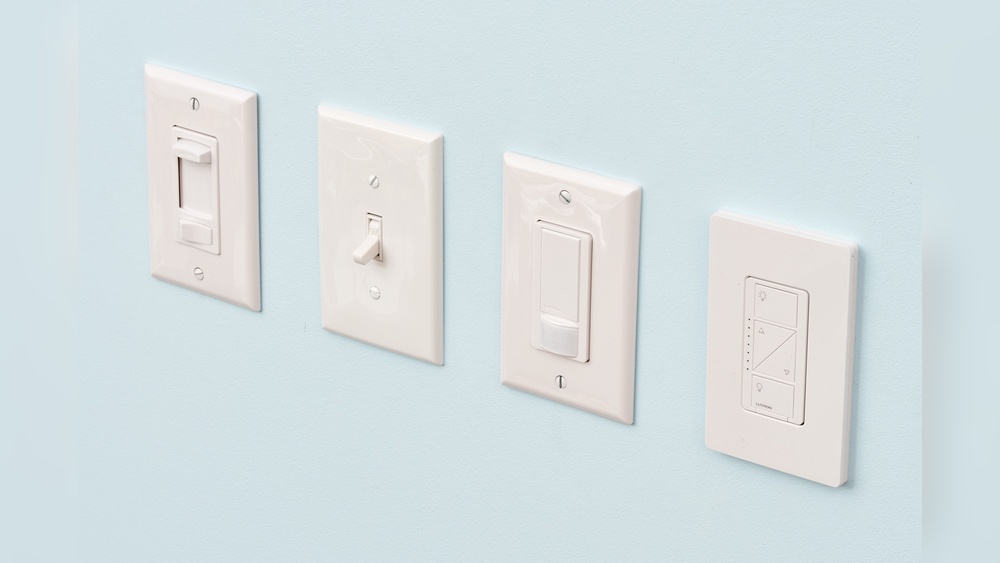
There are several dimmer switch types for different bulbs and needs. The most common are rotary, slide, and touch dimmers. Rotary dimmers use a turning knob to adjust brightness.
Slide dimmers have a small lever you push up or down. Touch dimmers work by tapping the switch surface. Some dimmers are designed for LED bulbs, while others fit incandescent lights. Choosing the right type ensures proper function and safety.

Credit: diy.stackexchange.com
Understanding Capacity Limits
Understanding the capacity limits of a dimmer switch is key for safe and effective use. Each dimmer has a limit on how much power it can handle. Exceeding this limit can cause damage or reduce performance. Knowing these limits helps you choose the right dimmer and avoid problems.
Capacity limits depend on the total wattage of the lights connected. Adding too many lights can overload the dimmer. This section explains how wattage ratings work and why capacity matters.
Wattage Ratings Explained
Every dimmer switch has a wattage rating. This number shows the maximum power it can handle. Wattage is measured in watts (W). It tells you how much electricity the dimmer can control safely.
For example, a dimmer rated for 300 watts can support bulbs adding up to 300 watts total. Using bulbs with higher wattage can cause the dimmer to overheat. This may lead to failure or fire risk.
Different light types use power differently. LED bulbs use less wattage than incandescent bulbs. Make sure to check the total wattage of all lights on the dimmer.
Why Capacity Matters
Capacity affects safety and performance. Overloading a dimmer can cause it to fail quickly. It can also create electrical hazards.
A dimmer that works within its capacity lasts longer. It also dims lights smoothly without flickering or buzzing.
Choosing a dimmer with the right capacity protects your home and saves money on repairs. It ensures your lighting works as expected every time.
Calculating Maximum Lights
Calculating the maximum number of lights on a dimmer switch is essential for safe and effective lighting. It prevents overload and ensures smooth dimming. Knowing how much power your dimmer can handle helps you choose the right bulbs and quantity. This keeps your lighting setup working well and lasting longer.
Total Wattage Of Bulbs
Start by adding the wattage of all bulbs connected to the dimmer. Each bulb has a watt rating on its packaging or base. For example, if you have five bulbs of 40 watts each, the total wattage is 200 watts. The total wattage must not exceed the dimmer’s maximum wattage rating.
Matching Bulbs To Dimmer Capacity
Check the dimmer switch’s capacity, usually found on the device or in the manual. It shows the maximum wattage it can handle, such as 600 watts. Use bulbs with a combined wattage under this limit. Using bulbs with too high wattage can cause the dimmer to overheat or fail. Choose bulbs designed for dimmers to ensure compatibility and safe operation.
Types Of Bulbs And Their Impact
Choosing the right bulb affects how many lights a dimmer switch can handle. Different bulbs use different amounts of electricity. This changes the total load on the dimmer. Knowing bulb types helps prevent flickering and damage.
Incandescent Bulbs
Incandescent bulbs work well with most dimmers. They use more power than other types. Usually, a dimmer can handle 600 watts of these bulbs. This means about six 100-watt bulbs. These bulbs produce heat and light evenly.
Led And Cfl Compatibility
LED and CFL bulbs use less power. A dimmer can handle more of these bulbs at once. But not all dimmers support LED or CFL. Check the dimmer’s label for compatibility. Using the wrong dimmer may cause flickering or buzzing.
Mixed Bulb Types
Using different bulb types on one dimmer can cause problems. Mixed bulbs may not dim smoothly. The total wattage might be hard to measure. This can overload the dimmer or reduce bulb life. It is best to use one bulb type per dimmer.
Signs Of Overloading
Overloading a dimmer switch causes problems with your lighting system. It can damage the switch and affect how lights work. Recognizing signs of overloading helps prevent bigger issues. Watch for changes in light behavior and the dimmer’s condition. Early detection keeps your home safe and your lights working well.
Flickering Lights
Flickering lights often signal that the dimmer is overloaded. The switch struggles to control too many bulbs. Lights may blink or flash unevenly. This flicker drains energy and can annoy anyone in the room.
Dimmer Switch Overheating
Overloaded dimmers can get very hot. Heat builds up inside the switch housing. This warmth may feel unsafe and can cause burns. Overheating risks damaging the electrical wiring behind the switch.
Reduced Dimmer Lifespan
Too many lights shorten the life of a dimmer switch. The extra load wears out internal parts faster. This leads to a need for early replacement. Protect your investment by using the right number of bulbs.
:strip_icc()/BHG-home-improvement-electrical-guide-to-light-switches-and-dimmers-hero_31187-e8349e7ac5f84023ab572db07231401a.jpg)
Credit: www.bhg.com
Tips For Safe Installation
Installing a dimmer switch needs care for safety and performance. Incorrect setup can cause problems like flickering lights or electrical hazards. Follow these tips to install your dimmer safely and ensure it works well.
Checking Dimmer Specifications
Always read the dimmer’s specifications before installation. Check the maximum wattage it supports. This helps avoid overloading and possible damage. Also, confirm the type of lighting the dimmer can control. Some dimmers only work with specific bulbs.
Using Compatible Bulbs
Use bulbs that match the dimmer’s requirements. Not all bulbs dim smoothly or safely. LED and CFL bulbs need dimmers made for them. Using wrong bulbs can cause flickering or shorten bulb life. Choose bulbs labeled “dimmable” for best results.
Professional Installation Advice
Consider hiring a licensed electrician for installation. They know local electrical codes and safety standards. Professionals reduce risks of wiring errors or damage. Proper installation ensures your dimmer switch works safely and lasts longer.
Upgrading Dimmer Switches
Upgrading dimmer switches can improve your lighting control and save energy. Older dimmers may not handle many lights or new bulb types. Choosing the right dimmer can avoid flickering or damage. Modern dimmers offer better options for various lighting needs.
Consider the total wattage of the lights you want to control. This helps in selecting a dimmer that matches the load. Upgrading also means picking dimmers that work with LED and smart bulbs.
High-capacity Dimmer Options
High-capacity dimmers handle more lights or higher wattage. They suit large rooms or multiple fixtures on one switch. These dimmers prevent overheating and extend the life of your bulbs. They often support up to 600 watts or more, depending on the model.
Make sure to check the dimmer’s watt rating before buying. Match it to the total wattage of all connected lights. Using a dimmer with too low capacity can cause failure and flicker.
Smart Dimmers And Capacity
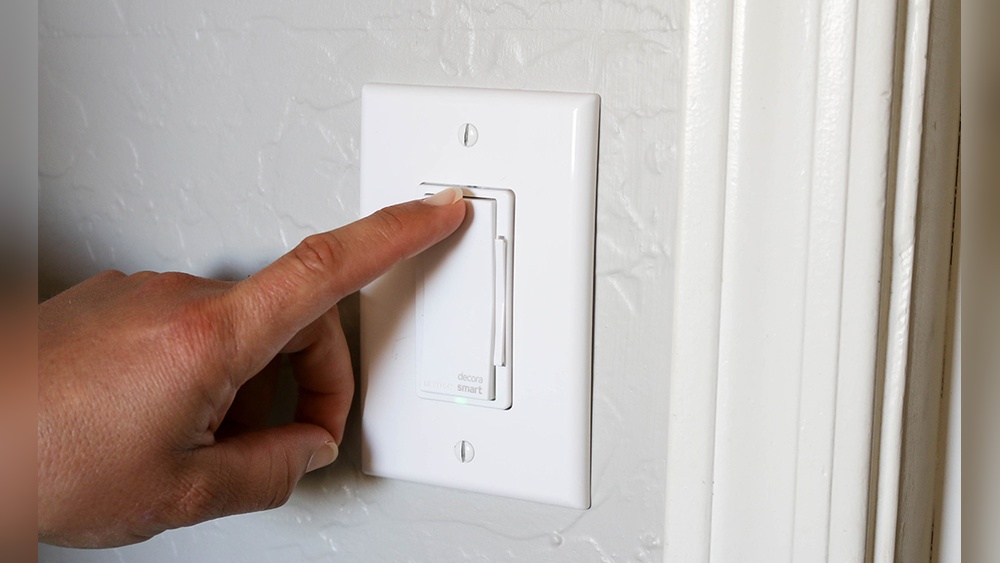
Smart dimmers add remote control and automation features. They connect with home systems or apps for easy use. Capacity varies by model, so check the watt limit carefully. Some smart dimmers work only with specific bulb types.
Smart dimmers often support LED and CFL bulbs well. Their capacity usually ranges from 300 to 600 watts. Choose one that fits your lighting setup to avoid issues.

Credit: www.youtube.com
Frequently Asked Questions
How Many Lights Can A Dimmer Switch Handle?
A dimmer switch can typically handle 600 watts for incandescent bulbs. For LED lights, check the dimmer’s specific wattage rating. Always avoid exceeding the maximum load to prevent overheating or damage.
Can I Use Multiple Led Lights On One Dimmer?
Yes, you can use multiple LED lights on one dimmer if they are compatible. Ensure the total wattage does not exceed the dimmer’s capacity. Using compatible dimmers helps prevent flickering and ensures smooth dimming.
What Happens If I Overload A Dimmer Switch?
Overloading a dimmer switch can cause overheating and reduce its lifespan. It may also trigger the circuit breaker or damage the switch. Always follow the manufacturer’s wattage limits to avoid safety hazards.
Are All Dimmer Switches Suitable For Led Lights?
No, not all dimmer switches are compatible with LED lights. Use LED-specific dimmers designed for low wattage and electronic drivers. This ensures proper dimming performance and prevents flickering or buzzing.
Conclusion
Knowing how many lights a dimmer switch can handle helps avoid problems. Dimmer switches have limits based on wattage and bulb type. Using too many lights can cause flickering or damage. Always check the switch’s rating before connecting multiple bulbs.
This keeps your lighting safe and working well. Simple care extends the life of your dimmer and bulbs. Brightness control works best when you follow these basic rules. Now, you can choose the right dimmer for your home’s needs.