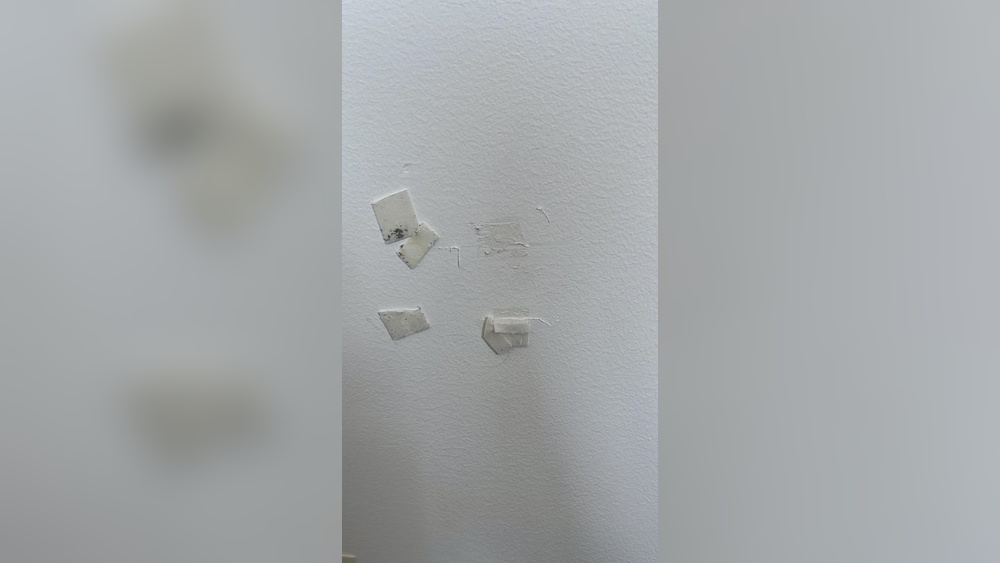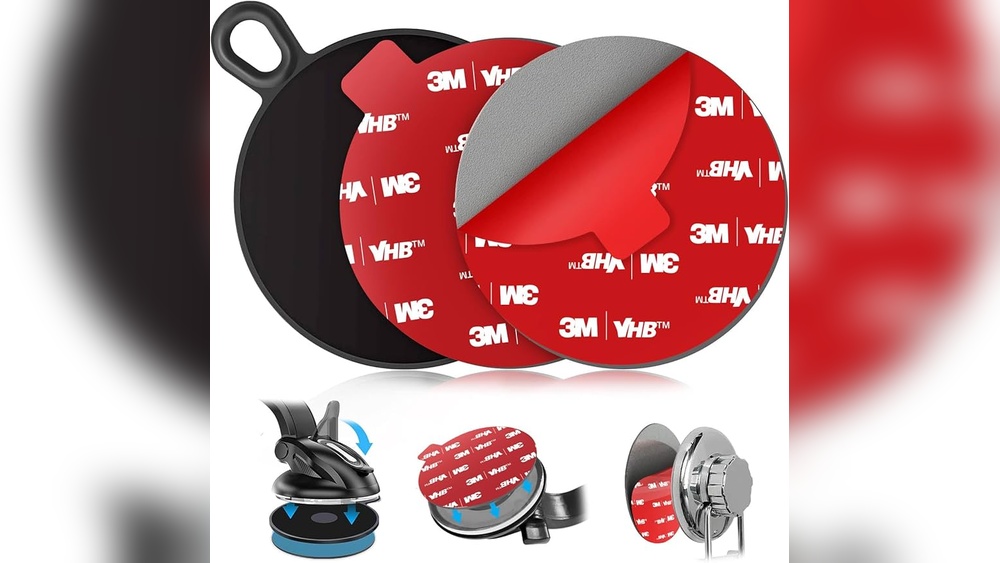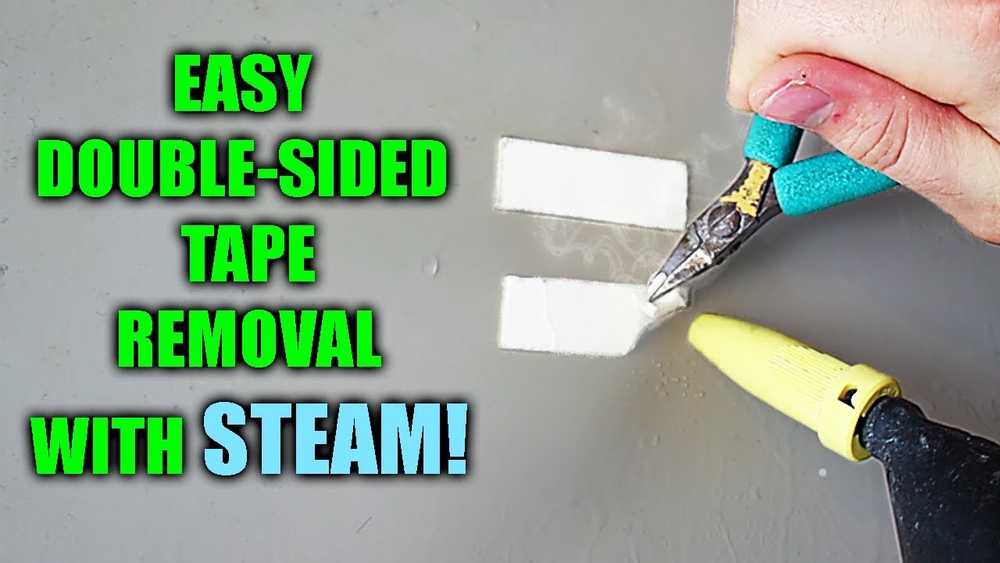
Have you ever struggled with removing mounting tape without damaging your walls or leaving a sticky mess behind? You’re not alone.
Taking off mounting tape can be tricky, especially when you want to keep your surfaces clean and intact. But don’t worry—this guide will show you simple, effective ways to remove mounting tape easily. By the end, you’ll feel confident handling this task like a pro, saving your time and frustration.
Keep reading to discover the best tips and tricks that work every time.
:max_bytes(150000):strip_icc()/how-to-remove-double-sided-foam-tape-5195063-hero-2b356fcf1ca64e3e9d03d637d65c0012.jpg)
Credit: www.thespruce.com
Tools Needed
Removing mounting tape requires the right tools for a clean and safe process. Using proper tools helps avoid damage to surfaces. Some tools are common household items. Others are specialized tools made for this task. Knowing what you need saves time and effort.
Common Household Items
Many items you already have can help remove mounting tape. A hairdryer softens the adhesive by heating it. Dental floss or fishing line works like a saw to cut through tape. A plastic scraper or old credit card lifts tape edges gently. Rubbing alcohol or vinegar cleans leftover sticky residue.
Specialized Tools
Specialized tools make tape removal easier and safer. A heat gun gives more controlled heat than a hairdryer. Adhesive removers dissolve stubborn glue without harming surfaces. A plastic putty knife helps lift tape without scratching. These tools work well for tough or large tape jobs.
:max_bytes(150000):strip_icc()/how-to-remove-double-sided-foam-tape-5195063-06-b272889262c141d09d914ef2cd6f9104.jpg)
Credit: www.thespruce.com
Preparation Steps
Before removing mounting tape, prepare the area carefully. Preparation helps avoid damage and makes the process easier. Take your time to get ready.
Gather tools like a plastic scraper, rubbing alcohol, and a soft cloth. Clear the space around the tape for easy access. This prevents accidents and keeps the area clean.
Clear The Area
Remove objects near the tape. This gives you room to work safely. Dust or dirt can stick to the tape and make removal harder. Clean the surface gently with a damp cloth before starting. A clear, clean area helps you see the tape edges well.
Test A Small Section
Pick a hidden corner of the tape. Apply a small amount of rubbing alcohol or heat. Watch how the tape reacts. Testing helps avoid damage to paint or surfaces. It also shows if the tape will peel easily or need more effort.
Heat Method
The heat method is a simple way to remove mounting tape. Heat softens the adhesive, making the tape easier to peel off. This method helps protect surfaces from damage. Use gentle warmth to loosen the tape without harming walls or furniture.
Two common tools work well for this: a hairdryer and a heat gun. Both provide controlled heat to melt the adhesive slightly. Use slow, steady motions to avoid overheating or burning the surface.
Using A Hairdryer
Plug in the hairdryer and set it to medium heat. Hold it a few inches from the tape. Move the dryer back and forth along the tape. Heat the tape for about 30 seconds to 1 minute. Check if the tape feels soft or sticky. Use your fingers or a plastic scraper to peel the tape gently. Repeat heating if the tape resists. The hairdryer is safe for most surfaces and easy to use.
Using A Heat Gun Safely
Heat guns produce stronger heat than hairdryers. Use low heat settings to avoid damage. Keep the gun at least 6 inches away from the tape. Move it slowly and evenly along the tape. Avoid staying in one spot too long. This prevents scorching or warping the surface. Wear gloves to protect your hands. Use a plastic scraper to lift the softened tape. Stop if the surface starts to feel too hot. Heat guns work best on tough adhesives but require careful handling.
Solvent Method
The solvent method is a simple way to remove mounting tape. Solvents help break down the sticky glue. This makes it easier to peel off the tape without damage. Using the right solvent is key. The wrong one can harm surfaces or leave residue. This method works well on glass, plastic, and metal.
Types Of Solvents
Rubbing alcohol is a safe solvent for many surfaces. It softens the adhesive without causing harm. Nail polish remover contains acetone, which is stronger. Use it on tough glue but test first on a small spot. WD-40 can also help loosen tape residue. Use it carefully and clean the area after. Citrus-based cleaners offer a natural option. They are gentle but effective on sticky glue.
Application Tips
Apply the solvent to a cloth or cotton ball first. Do not pour directly on the surface. Dab the solvent on the tape edges and let it sit for a few minutes. This softens the glue and makes peeling easier. Use a plastic scraper or your fingers to lift the tape. Avoid metal tools that can scratch surfaces. Clean the area with warm soapy water after removal to clear any leftover solvent or residue.
Peeling Techniques
Peeling mounting tape can be tricky. Using the right techniques helps remove it cleanly. Avoid damage to surfaces with careful peeling. Patience is key for best results. Here are two effective peeling methods.
Slow And Steady Peeling
Start at one corner of the tape. Pull the tape slowly, at a low angle. Keep the tape close to the surface. Avoid pulling straight up. This reduces the chance of tearing or residue. Move steadily without rushing. Slow peeling helps keep surfaces safe.
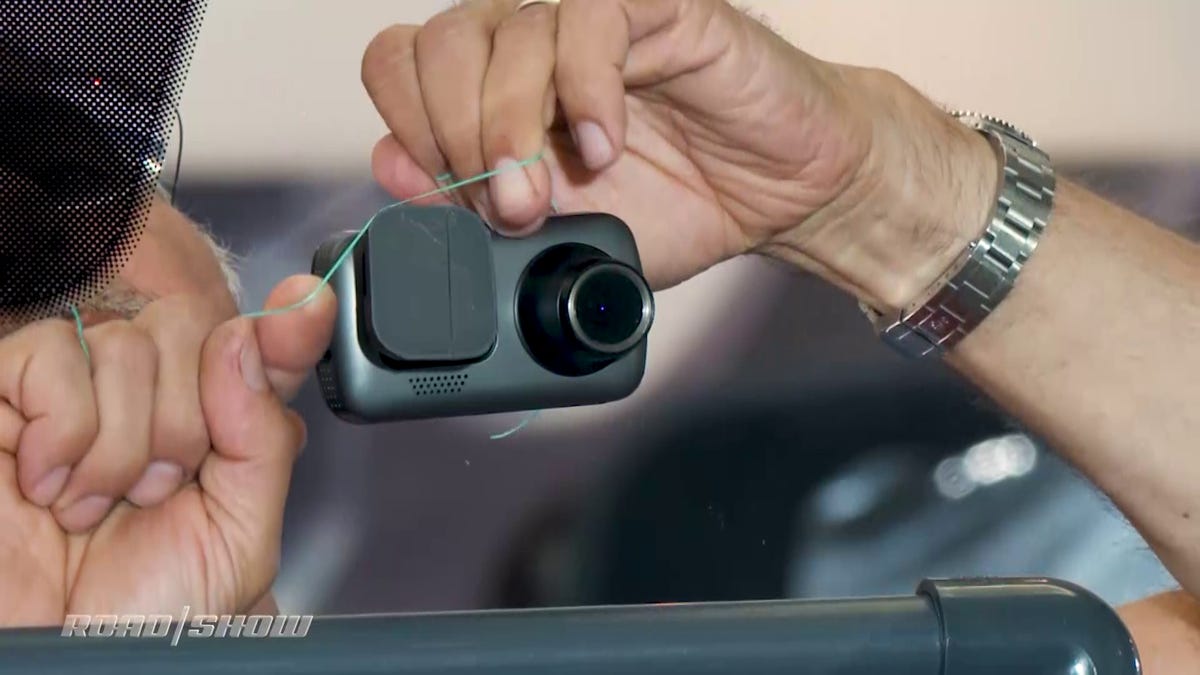
Using Dental Floss Or Fishing Line
Slide dental floss or fishing line under the tape edge. Use a gentle sawing motion to cut through the adhesive. This method works well on thick or stubborn tape. It prevents pulling and damage to the surface. Keep the floss tight and move carefully. This technique leaves surfaces clean and smooth.
Removing Residue
Removing the sticky residue left by mounting tape can be tricky. The leftover glue feels sticky and looks messy. Removing this residue helps keep surfaces clean and smooth. Some methods work better on certain materials than others. Choose a method that suits your surface to avoid damage.
Sticky Residue Removers
Commercial sticky residue removers dissolve the glue quickly. Apply a small amount to the residue using a cloth or sponge. Let it sit for a few minutes to soften the glue. Gently rub the area in a circular motion. Wipe away the loosened residue with a clean cloth. These removers work well on glass, metal, and plastic. Test on a hidden spot first to check for damage.
Natural Alternatives
Natural options also remove sticky residue effectively. Warm soapy water can soften the glue for easier removal. Use a cloth soaked in vinegar to break down the adhesive. Rubbing alcohol works well on many surfaces without harsh chemicals. Coconut oil or olive oil helps loosen sticky spots gently. Apply the natural solution and let it sit for a few minutes. Rub lightly and wipe clean with a soft cloth.
Preventing Surface Damage
Removing mounting tape can harm surfaces if done carelessly. This section focuses on ways to protect walls, furniture, and other areas. Preventing damage keeps your space looking good and saves repair costs.
Small steps help avoid scratches, paint peeling, or residue. Follow these tips to keep surfaces safe and clean during tape removal.
Protective Measures
Test the tape on a small hidden area first. This shows how the surface reacts. Use heat from a hairdryer to soften the tape adhesive. Warm tape pulls off easier and safer. Peel the tape slowly, pulling at a low angle. This reduces stress on the surface. Use a plastic scraper or old credit card to lift tape edges gently. Avoid metal tools that can scratch surfaces.
Avoiding Common Mistakes
Never pull tape off quickly or at a sharp angle. This can peel paint or damage wallpaper. Avoid using harsh chemicals on delicate surfaces. Test cleaners on a hidden spot first. Don’t force the tape if it resists. Apply more heat or try a different method. Avoid leaving tape on surfaces for too long. Adhesive becomes harder and sticks more firmly over time.
When To Seek Professional Help
Removing mounting tape can be tricky. Sometimes, it may cause damage to walls or surfaces. Knowing when to seek professional help saves time and prevents costly repairs.
Experts have the right tools and skills. They can remove tape safely without harming your property. This section explains when to call a professional for help.
Signs Of Potential Damage
Peeling paint or wallpaper shows damage risk. Surface tearing or dents appear after tape removal. Residue that won’t come off easily signals a problem. Cracks or holes in walls need expert care. These signs mean the surface is fragile or sensitive.
Types Of Surfaces Needing Expert Care
Delicate surfaces like plaster or drywall require caution. Hardwood floors can easily scratch or stain. Painted walls may lose color or texture. Wallpaper can rip or bubble under tape. Glass and mirrors need special tools to avoid scratches.
Professionals know how to handle these surfaces safely. They protect your home while removing tape cleanly.
Credit: www.cnet.com
Frequently Asked Questions
How Do I Remove Mounting Tape Without Damage?
Gently peel one corner of the tape. Use a hairdryer to warm the adhesive. Slowly pull the tape off at a 45-degree angle to avoid damage.
Can I Use Heat To Take Off Mounting Tape?
Yes, heat softens the adhesive. Use a hairdryer on low heat. Warm the tape evenly before peeling it off gently.
What Household Items Help Remove Mounting Tape Residue?
Rubbing alcohol, vinegar, or cooking oil work well. Apply a small amount to the residue, let it sit, then wipe off with a cloth.
Is It Safe To Use Chemicals On Painted Walls?
Use mild solutions like rubbing alcohol carefully. Test a small area first. Avoid harsh chemicals that may damage paint or finishes.
Conclusion
Removing mounting tape can be simple with the right steps. Heat the tape gently to soften the adhesive. Peel slowly to avoid damage to surfaces. Use rubbing alcohol to clean leftover residue. Patience is key to a smooth removal process.
Keep tools handy like a plastic scraper or cloth. Following these tips helps protect your walls and furniture. Easy, careful work saves time and frustration. Try these methods for safe and clean tape removal.