Are you tired of harsh, bright lights that ruin the cozy vibe of your room? Adding a dimmer to your light switch can change everything.
It gives you full control over the brightness, helping you create the perfect mood anytime you want. Whether you want soft lighting for movie night or bright light for reading, a dimmer switch makes it easy. In this guide, you’ll learn exactly how to add a dimmer to your existing light switch—step by step.
No fancy tools or electrician needed. Ready to transform your space with just one simple upgrade? Keep reading to find out how.
Tools And Materials Needed
Adding a dimmer switch to your light is a simple way to control brightness. The right tools and materials make the job easier and safer. Prepare everything before you start. This saves time and avoids frustration.
Tools Needed
- Screwdriver (flathead and Phillips)
- Voltage tester
- Wire stripper
- Needle-nose pliers
- Electrical tape
- Drill (optional)
Materials Required
- Dimmer switch compatible with your light
- Wire connectors (wire nuts)
- Wall plate for the dimmer switch
- Electrical box (if replacing or upgrading)
Safety Gear
- Insulated gloves
- Safety glasses
Gathering these tools and materials ensures a smooth installation. Safety gear protects you during electrical work. Check the dimmer switch matches your bulb type and wattage. This helps avoid damage and ensures proper function.

Credit: www.youtube.com
Choosing The Right Dimmer Switch
Choosing the right dimmer switch is key to making your lighting work well. The right switch helps you control brightness smoothly. It also saves energy and extends the life of your bulbs. Picking a dimmer that fits your needs keeps your room cozy and bright. This guide explains the types of dimmers and how to match them with bulbs.
Types Of Dimmer Switches
There are several types of dimmer switches. The most common are rotary, slide, and toggle dimmers. Rotary dimmers turn like a knob to adjust light levels. Slide dimmers move up and down for brightness control. Toggle dimmers flip up or down and usually have a small slider. Some dimmers come with remote control or touch features. Choose one that fits your style and how you use the room.
Compatibility With Bulbs
Not all dimmers work with every bulb type. Incandescent and halogen bulbs work with most dimmers. LED and CFL bulbs need special dimmers made for them. Using the wrong dimmer can cause flickering or buzzing. Check the bulb packaging or manual for dimmer compatibility. Match your dimmer to your bulb type to avoid problems. This ensures smooth dimming and longer bulb life.
Safety Precautions
Safety is the top priority before adding a dimmer to a light switch. Working with electricity can be dangerous. Taking the right safety steps protects you and your home. Follow these precautions to avoid accidents and ensure a smooth installation.
Turn Off Power At The Circuit Breaker
Always switch off power from the main circuit breaker before starting. Do not rely on just the light switch. Use a voltage tester to confirm the power is off. This step stops electric shocks during work.
Use Proper Tools And Equipment
Choose tools designed for electrical work. Use insulated screwdrivers and pliers. Avoid using damaged or worn-out tools. Proper equipment helps prevent slips and injuries.
Read The Dimmer Instructions Carefully
Follow the manufacturer’s instructions step-by-step. Different dimmers may have unique wiring needs. Reading the guide reduces mistakes and improves safety.
Wear Safety Gear
Wear rubber-soled shoes and safety glasses. Avoid loose clothing that may catch on wires. Safety gear protects your body from hazards.
Work In A Dry Environment
Never work with electrical components in wet or damp places. Moisture increases the risk of electric shock. Ensure your hands and workspace are dry.
Credit: www.gelighting.com
Turning Off The Power
Turning off the power is the first and most important step before working on any light switch. It keeps you safe from electric shocks while installing the dimmer. Never skip this step, even if you think the power is off.
Always treat electrical wiring with care. A simple mistake can cause injury or damage. Follow these steps to turn off the power safely.
Locate The Circuit Breaker
Find the main electrical panel in your home. It is often in the basement, garage, or utility room. Look for the breaker labeled for the room where you want to add the dimmer.
Switch Off The Correct Breaker
Flip the breaker switch to the off position. This cuts power to the light switch you will work on. Double-check by turning the light switch on and off. The light should not turn on.
Use A Voltage Tester
Before touching any wires, use a voltage tester. Test the wires in the switch box to confirm no electricity flows. This step ensures your safety.
Removing The Existing Switch
Removing the existing switch is the first step in adding a dimmer. It prepares the wall for the new dimmer switch. This step requires care and attention to safety. Following simple instructions helps to avoid electrical hazards and ensures a smooth process.
Turn Off The Power
Find the circuit breaker that controls the light switch. Switch it off to cut power to the switch. Use a voltage tester to check if the wires are live. Never touch wires without confirming the power is off.
Remove The Switch Cover Plate
Use a screwdriver to remove the screws holding the cover plate. Take off the cover plate gently. It reveals the switch and wiring inside the electrical box.
Unscrew The Old Switch
Unscrew the mounting screws that hold the switch to the box. Pull the switch out carefully. Keep the wires attached for now. Avoid pulling too hard to prevent wire damage.
Note The Wiring Setup
Look closely at how wires connect to the switch. Take a photo or make a sketch. This helps during the installation of the new dimmer switch. Identifying wire colors and connections is important for safety.
Disconnect The Wires
Use a screwdriver to loosen the screws holding the wires. Carefully remove each wire from the switch. Keep wires separated to avoid short circuits. Prepare wires for connecting to the dimmer switch.
Wiring The Dimmer Switch
Wiring the dimmer switch is an important step in the installation process. It controls the flow of electricity to your light fixture. Careful wiring ensures the dimmer works safely and correctly.
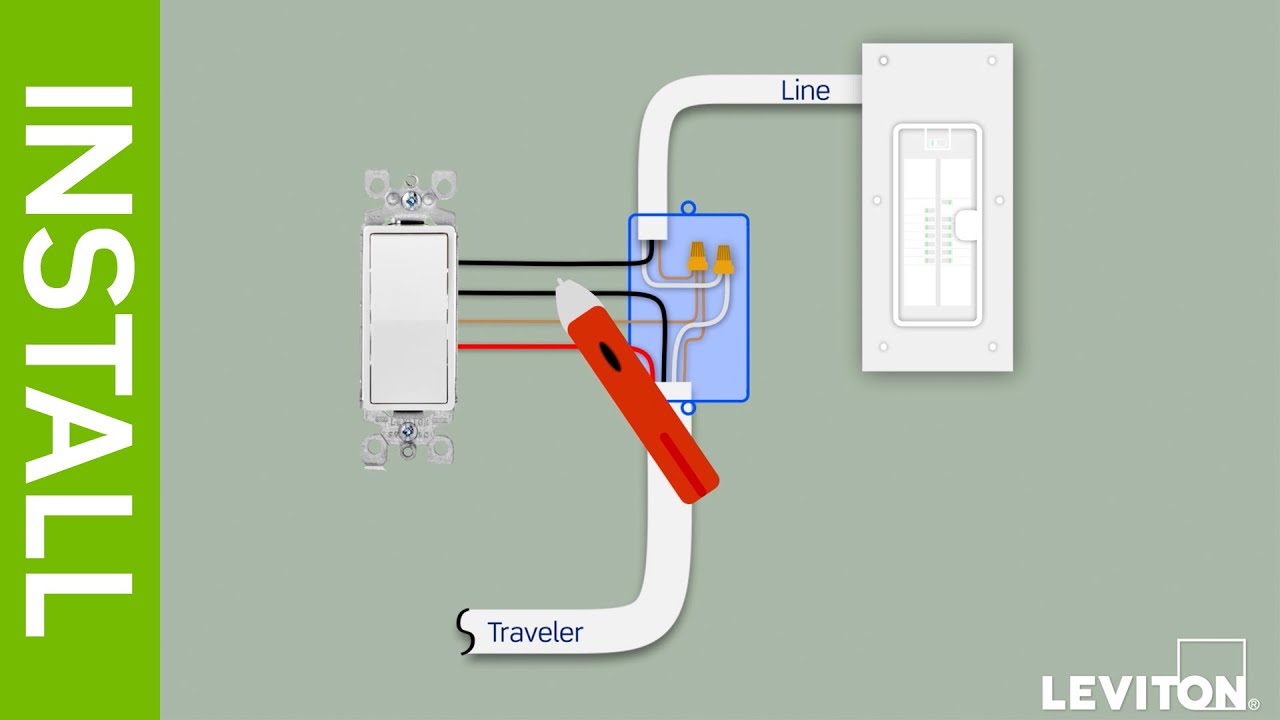
Before starting, turn off the power at the circuit breaker. This step keeps you safe from electric shock. Use a voltage tester to check that the wires have no power.
Identifying Wires
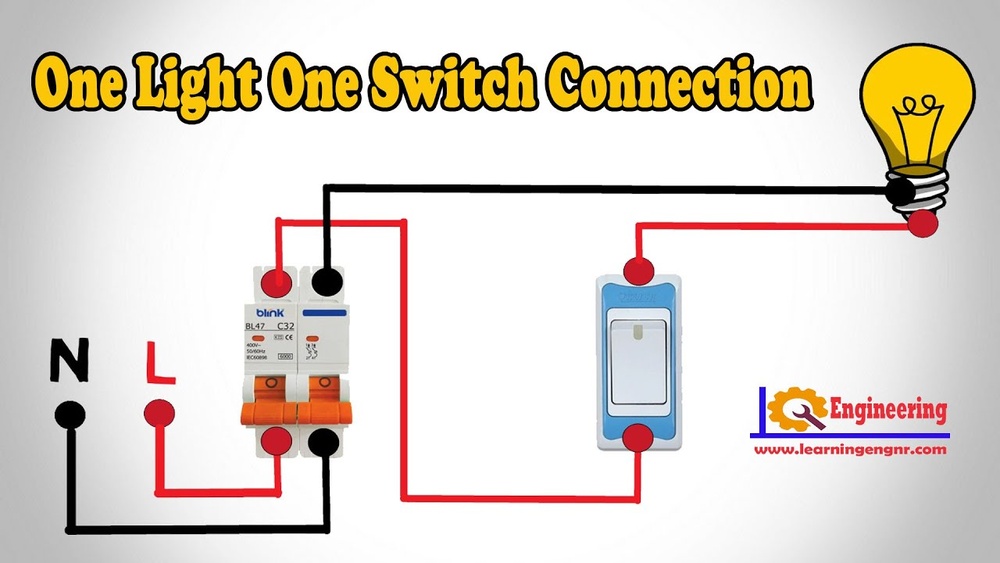
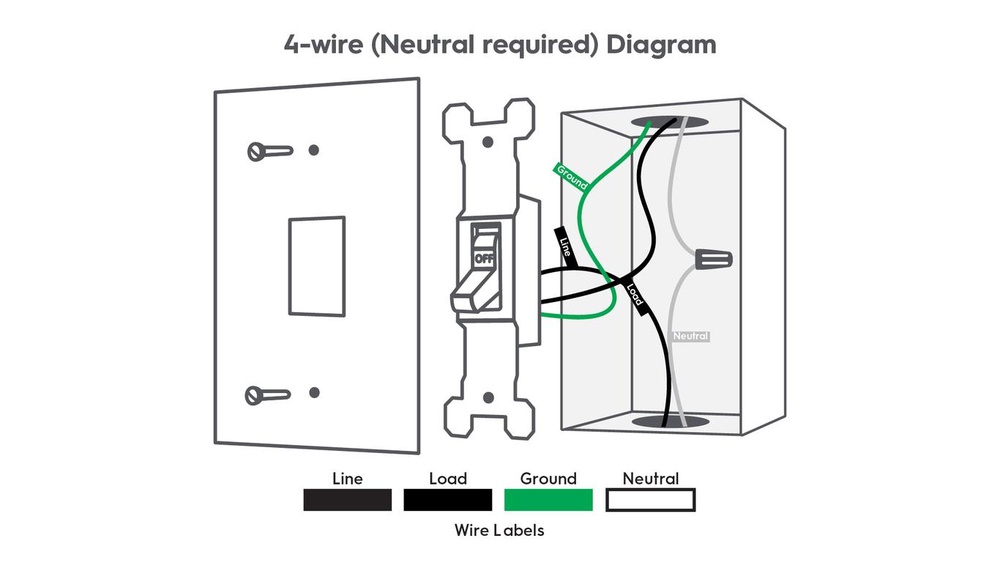
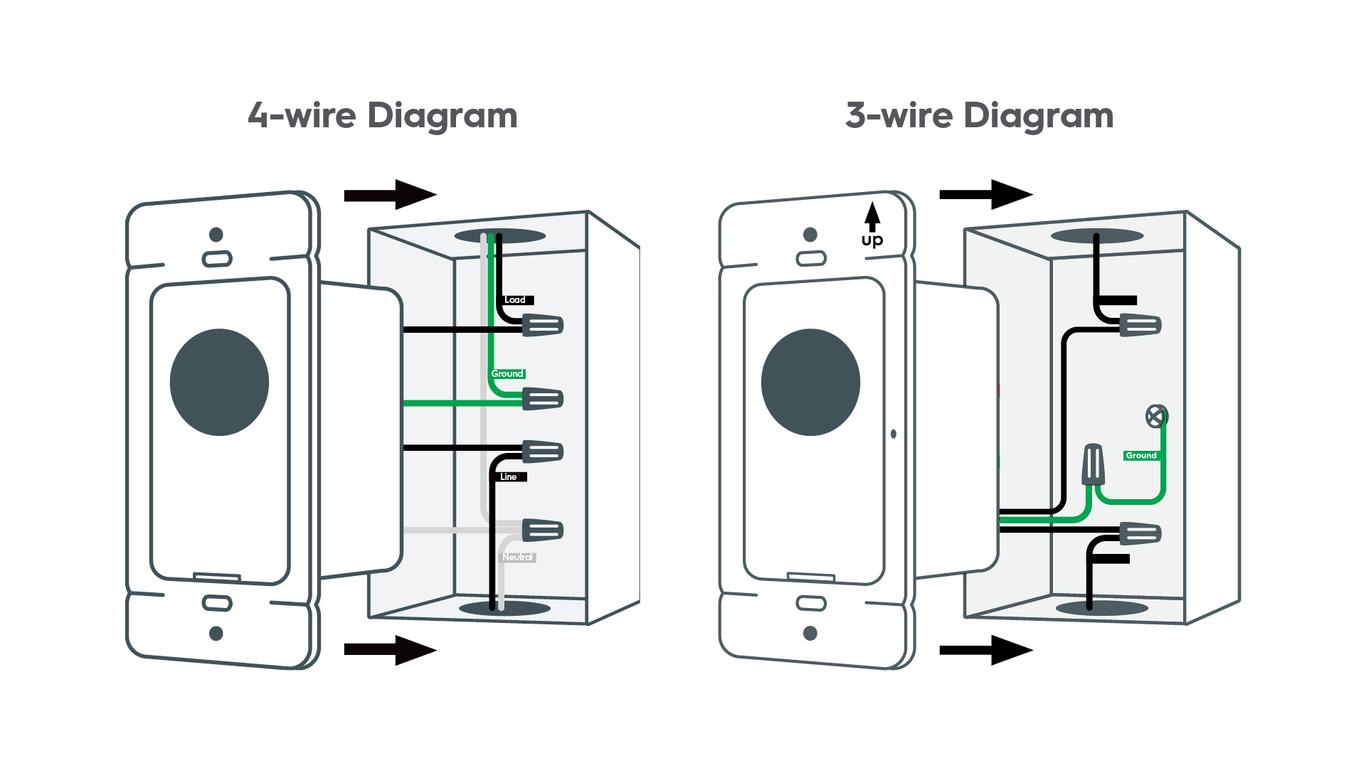
Dimmer switches usually connect to three types of wires: live, neutral, and ground. The live wire carries current from the power source. It is often black or red. The neutral wire returns current to the source and is usually white. The ground wire provides safety and is green or bare copper.
Look inside the switch box to find these wires. Use a flashlight for better visibility. If unsure, label each wire before disconnecting the old switch.
Connecting Wires Correctly
Match the dimmer switch wires to the wires in the wall box. Twist the ends of the matching wires together. Use wire nuts to secure each connection tightly. The dimmer’s ground wire must connect to the house ground wire.
Do not mix wires or force connections. Secure all wires carefully to avoid loose contacts. Once connected, push the wires gently back into the box. Attach the dimmer switch to the wall and restore power to test.
Securing And Testing The Dimmer
Securing and testing the dimmer is a key step after wiring it to your light switch. This ensures the dimmer works well and stays in place safely. Proper installation helps avoid flickering lights or electrical issues.
Follow these steps carefully to finish your dimmer installation confidently. Double-check each connection and test the dimmer function before closing up the switch box.
Securing The Dimmer To The Wall Box
Place the dimmer switch carefully into the wall box. Align the screw holes on the dimmer with those on the box. Use a screwdriver to tighten the screws firmly. The dimmer should not move or wiggle after tightening. Avoid over-tightening to prevent damage.
Attaching The Wall Plate
Once the dimmer is secure, attach the wall plate over it. Align the wall plate with the dimmer switch and screw it into place. The wall plate covers the wiring and gives a clean look. Make sure the plate fits snugly without gaps.
Testing The Dimmer Function
Turn the power back on at the circuit breaker. Slowly rotate the dimmer knob or slide the dimmer control. Check if the light dims and brightens smoothly without flickering. Test the dimmer at different levels of brightness. If the light works well, the installation is successful.
If the light flickers or does not dim, turn off the power again. Check all wire connections for tightness and correct placement. Ensure the dimmer is compatible with your bulbs. Replace bulbs or dimmer if problems continue. Safety first—never work on live wires.
Troubleshooting Common Issues
Adding a dimmer switch can improve your room’s lighting. Sometimes, issues arise after installation. Troubleshooting helps fix common problems quickly. This section covers frequent issues and simple solutions.
Check The Compatibility Of Your Dimmer And Bulbs
Not all bulbs work with dimmers. LED and CFL bulbs need special dimmable types. Using non-dimmable bulbs can cause flickering or buzzing. Always verify your bulb type fits the dimmer switch.
Ensure Proper Wiring Connections
Loose or wrong wiring causes the dimmer to malfunction. Turn off power before checking wires. Match wires by color and secure them tightly. Use a voltage tester to confirm power is off.
Test The Dimmer Switch For Overheating
Dimmer switches can get hot during use. Too much heat means the dimmer is overloaded. Check the switch rating against your bulb wattage. Replace the dimmer if it feels very hot.
Replace Faulty Dimmer Switches
A broken dimmer switch may cause lights to flicker or not work. Swap it with a new one of the same type. If problems stop, the old switch was faulty. Always buy from trusted brands for safety.
Maintaining Your Dimmer Switch
Maintaining your dimmer switch keeps it working well and safe. Regular care helps avoid problems and extends its life. Simple steps can make a big difference in performance.
Cleaning The Dimmer Switch
Turn off power before cleaning to stay safe. Use a dry cloth to wipe the switch surface. Avoid water or liquid cleaners to prevent damage. Clean dust and dirt often for smooth operation.
Checking For Loose Connections
Loose wires can cause flickering or failure. Turn off power and remove the switch cover. Inspect wires for any signs of looseness or wear. Tighten screws carefully to secure all connections.
Monitoring Switch Temperature
A warm dimmer switch is normal during use. If it feels too hot, unplug the device or bulb. Overheating can indicate a wiring problem or wrong bulb type. Use bulbs that match the dimmer’s specifications to prevent heat issues.
Replacing Worn Or Faulty Dimmers
Signs of failure include flickering or no light control. Replace the dimmer switch promptly to avoid electrical risks. Choose a compatible dimmer for your lighting setup. Proper replacement keeps your home safe and efficient.
Credit: www.youtube.com
Frequently Asked Questions
What Tools Do I Need To Add A Dimmer Switch?
You need a screwdriver, voltage tester, wire stripper, and a dimmer switch. Always turn off power before starting.
Can I Replace Any Light Switch With A Dimmer?
Most standard switches can be replaced with dimmers. Ensure the dimmer matches your bulb type.
Is It Safe To Install A Dimmer Switch Myself?
Yes, if you follow safety steps and turn off power. Otherwise, hire a professional electrician.
Will A Dimmer Switch Save Energy?
Yes, dimmers reduce electricity use by lowering light intensity, saving energy and extending bulb life.
Conclusion
Adding a dimmer to your light switch is simple and useful. It helps you control light brightness easily. You can save energy and create a cozy space. Just follow safety steps and instructions carefully. With a few tools and some patience, you will do it right.
Enjoy the comfort of adjustable lighting every day. This small change can improve your home’s mood and look. Try it yourself and see the difference.