Have you ever wondered why light switches are placed where they are on your walls? You might not think about it often, but the height of a light switch can make a big difference in how comfortable and convenient your home feels.
If you’ve ever reached too high or too low to turn on a light, you know it’s frustrating. You’ll discover the standard height for light switches and why it matters for your daily life. Keep reading to find out how the right placement can improve your home’s comfort and accessibility.
Credit: www.ebay.com
Standard Light Switch Height
Light switches need to be placed at a height that feels natural and is easy to reach. The standard height for light switches helps people use them comfortably. This height also ensures safety and accessibility in homes and buildings. Understanding the typical measurements and rules can help you know what to expect.
Common Measurements
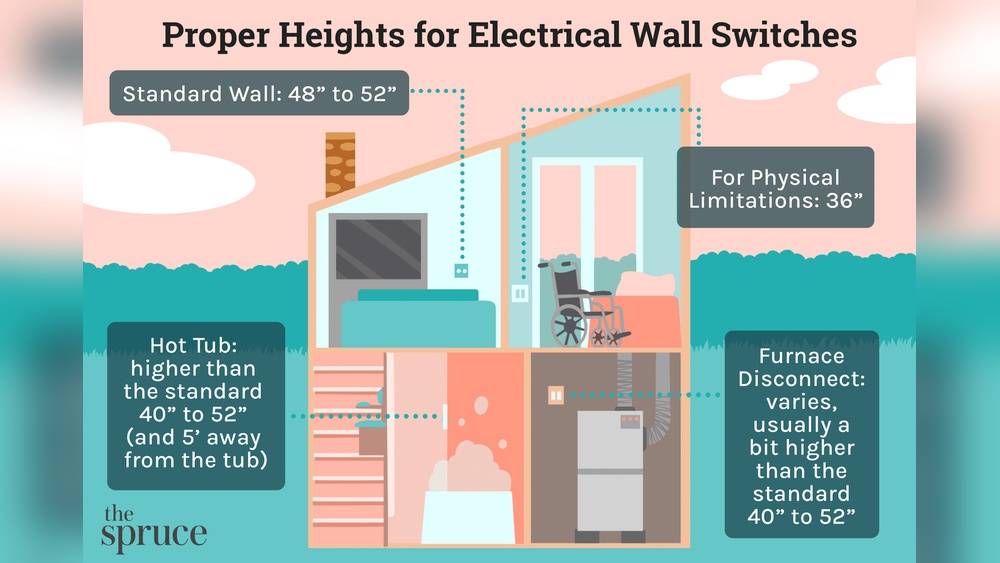
Most light switches are installed about 48 inches from the floor. This height works well for most adults. It allows easy access without bending or stretching. Sometimes, switches are set between 44 and 52 inches. This range fits most rooms and users. The goal is to keep switches within easy reach.
Building Code Requirements
Building codes often set rules for light switch height. These rules ensure safety and accessibility for everyone. The Americans with Disabilities Act (ADA) requires switches to be between 15 and 48 inches high. This range helps people in wheelchairs reach switches easily. Local codes may vary but usually follow similar guidelines. Following these rules keeps homes safe and comfortable for all users.
Factors Affecting Switch Height
The height of light switches varies based on different factors. These factors ensure switches fit the room’s purpose and users’ needs. Proper switch height improves comfort and safety. Understanding these factors helps in choosing the right height for any space.
Room Type And Function
Different rooms serve different purposes. In kitchens, switches may be higher to avoid spills. Bedrooms often have switches near the door for easy access. Bathrooms might place switches outside for safety. Each room’s use guides where switches should go.
User Accessibility Needs
Switch height must consider all users. Children need lower switches they can reach. People in wheelchairs require switches at accessible heights. Elderly users prefer switches that are easy to reach and use. Accessibility ensures everyone can control the lights comfortably.
Switch Height For Accessibility
Switch height plays a big role in making homes accessible for everyone. It ensures people of all ages and abilities can reach and use light switches with ease. Placing switches at the right height reduces strain and improves safety. This section covers important rules and tips for switch height to serve all users well.
Ada Guidelines
The Americans with Disabilities Act (ADA) sets clear rules for switch height. Switches must be between 15 and 48 inches from the floor. This range allows people in wheelchairs and those standing to reach switches comfortably. The ADA also requires easy operation without tight grasping or twisting. Meeting these standards creates a more inclusive environment.
Considerations For Children And Elderly
Children need switches placed lower, around 36 inches or less. This height lets them turn lights on and off safely. Elderly people may prefer switches at a moderate height, about 44 inches. This helps reduce bending or stretching. Thinking about these groups ensures switches suit different needs and promote independence.
:max_bytes(150000):strip_icc()/measuring-electrical-outlet-height-1821556-06-b960a41f86664f03b648797767b113af.jpg)
Credit: www.thespruce.com
Measuring And Installing Switches
Measuring and installing light switches is an important task for any home project. Correct height and placement ensure safety and ease of use. This section helps you understand the tools and steps needed for proper installation.
Tools Needed
Gather these tools before starting your switch installation:
- Screwdriver (flathead and Phillips)
- Voltage tester
- Measuring tape
- Wire stripper
- Level
- Electrical tape
- Wire nuts
Having these tools ready will make the process smoother and safer.
Step-by-step Installation Tips
First, turn off power at the breaker to avoid shocks. Use the voltage tester to confirm power is off. Next, measure the height from the floor to the switch box. Standard height is usually 48 inches. Mark the spot clearly.
Remove the old switch carefully by unscrewing it. Take note of how wires connect to the switch. Strip the ends of the wires to expose fresh copper if needed. Attach wires to the new switch terminals securely.
Use wire nuts and electrical tape to cover exposed wires. Mount the switch into the box and tighten screws firmly. Check the switch is level before fully securing. Turn power back on and test the switch function.
Follow each step slowly. Safety is the top priority during installation. Proper measuring keeps switches at a comfortable height for everyone.
Switch Height Variations Worldwide
Light switch heights vary across the world. Different countries set different standards. These differences depend on local building codes and customs. Understanding these variations helps when traveling or working internationally.
Switch heights affect comfort and accessibility. They need to suit the average height of people in each country. Designers and builders consider these factors before setting switch positions.
Differences By Country
In the United States, light switches are usually installed about 48 inches (122 cm) from the floor. In the United Kingdom, the height is often around 135 cm (53 inches). Japan typically places switches lower, near 110 cm (43 inches). Australia follows a height of about 110-120 cm (43-47 inches). These numbers show clear regional differences.
European countries also vary. For example, Germany prefers switches at 105 cm (41 inches). France often installs them at 120 cm (47 inches). These differences reflect local rules and habits.
Cultural Influences
Culture shapes switch heights too. In some countries, people are generally shorter or taller. Builders adjust switch heights to fit the average user. This makes switches easier to reach and use.
Another cultural factor is the style of homes. Some cultures favor compact living spaces. Switches might be lower to fit smaller rooms. Other cultures have larger homes with higher switches.
Accessibility rules also impact switch height. Countries with strong disability laws often require lower switches. This helps wheelchair users and children access them easily.
Choosing The Right Height For Your Home
Choosing the right height for light switches in your home matters a lot. It affects comfort, safety, and ease of use for everyone in the house. The right height makes switching lights on and off simple and quick. It also fits the style of your rooms and meets any special needs. Understanding the best height helps you plan better for your home’s design and daily use.
Practical Tips
Place light switches where most people can reach them easily. The common height is about 48 inches from the floor. This height works well for adults and older children. Avoid placing switches too low or too high to prevent strain. Think about the furniture layout to keep switches clear and accessible. In homes with kids or elderly, consider their reach and mobility when setting switch height.
Customizing For Style And Function
Switch height can match your home’s style and needs. For modern homes, sleek switches at a slightly higher level look clean and neat. In rooms where you sit often, like a living room, place switches near seating areas for convenience. For rooms like kitchens or bathrooms, keep switches easy to reach with wet hands. Custom heights make your home feel more comfortable and suit your lifestyle well.

Credit: www.g-locbrakes.com
Frequently Asked Questions
What Is The Standard Height For Light Switches?
The standard height for light switches is usually 48 inches from the floor. This height allows easy access for most adults and meets building code requirements for convenience and safety.
Why Are Light Switches Placed At A Certain Height?
Light switches are placed at a standard height for ergonomic reasons. It ensures comfortable reach for most people, including children and those with disabilities, promoting safety and accessibility.
Are There Different Heights For Residential And Commercial Switches?
Yes, commercial buildings may have light switches installed at different heights. However, residential switches commonly follow the 48-inch standard for user comfort and consistent design.
Can Light Switch Height Affect Accessibility Compliance?
Yes, proper switch height is crucial for ADA compliance. Switches should be reachable by wheelchair users, typically between 15 to 48 inches from the floor, ensuring accessibility for all.
Conclusion
Light switches usually go about 48 inches from the floor. This height works well for most people to reach easily. Sometimes, switches may be higher or lower depending on special needs. Knowing the right height helps with safety and comfort.
It also follows building rules in many places. Choosing the correct height keeps your home practical and user-friendly. Simple steps like this improve daily life a lot. Now, you know how high light switches generally go.