Are you curious about how many amps your light switch needs? Understanding this simple but important detail can save you from costly mistakes and keep your home safe.
Whether you’re installing a new switch or upgrading an old one, knowing the right amperage is key. You’ll discover exactly what amps mean for your light switch and how to choose the right one for your needs. Keep reading to make sure your lighting setup is both efficient and safe.
Amp Ratings For Light Switches
Understanding the amp ratings for light switches is important for safety and proper function. The amp rating tells you how much electrical current a switch can handle. Using a switch with the right amp rating helps prevent overheating and electrical problems. It also ensures the switch works well with the electrical devices connected to it.
Common Amp Values
Most light switches have common amp ratings. The typical values are 10 amps, 15 amps, and 20 amps. The 10-amp switches suit small lights and simple fixtures. Fifteen-amp switches are popular for general household lighting. Twenty-amp switches are used for heavier loads or special lighting setups. Choosing the right amp value depends on the electrical load the switch controls.
Switch Rating Vs. Circuit Load
The switch rating must match or exceed the circuit load. The circuit load means the total current used by all devices on that circuit. Using a switch with a lower amp rating than the load can cause damage. It may lead to switch failure or electrical hazards. Always check the circuit load before selecting the switch rating. This ensures safe and reliable operation of your lighting system.
Types Of Light Switches
Light switches come in different types to suit various needs. Each type controls lighting in a unique way. Understanding these types helps in choosing the right switch for your home or office.
Single-pole Switches
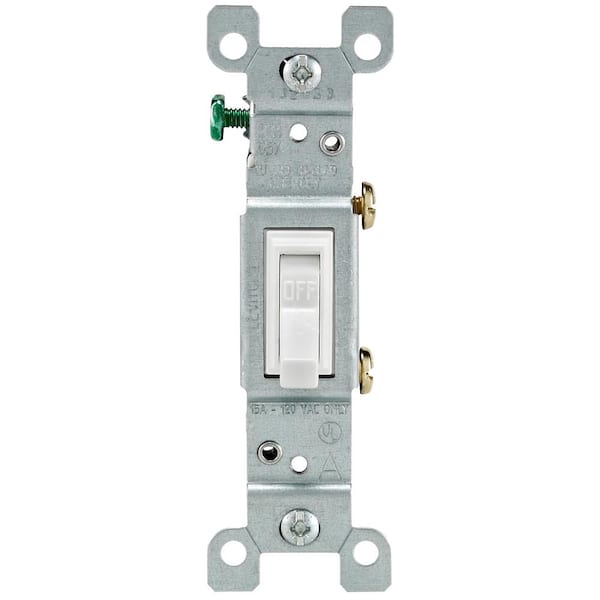
Single-pole switches are the most common type. They control one light or a group of lights from a single location. These switches usually handle 15 or 20 amps. They are simple to install and easy to use.
Three-way And Four-way Switches
Three-way switches allow control of a light from two locations. Four-way switches add more control points. These are ideal for hallways or large rooms. They also support standard amperage ratings like single-pole switches.
Dimmer Switches
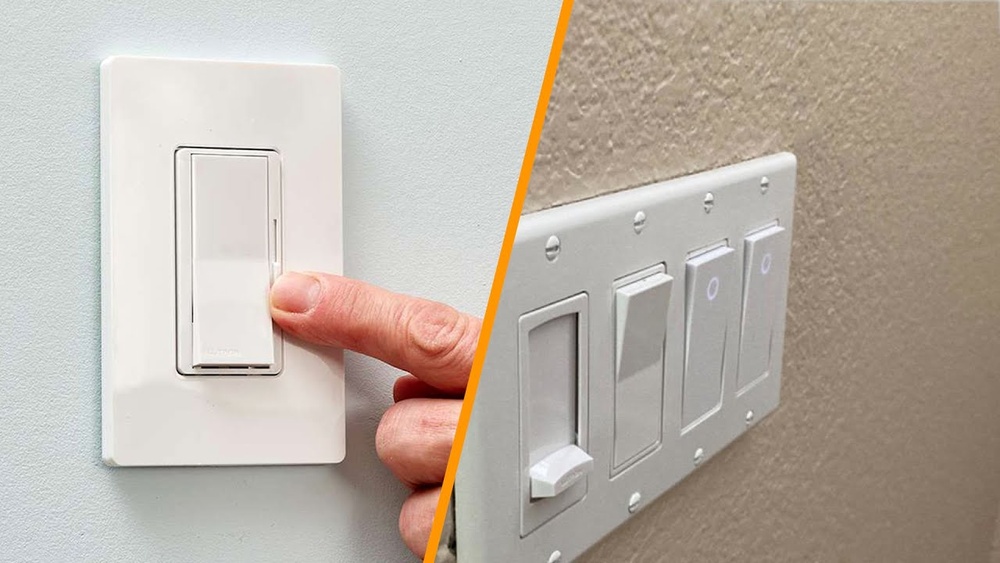
Dimmer switches adjust the brightness of lights. They offer mood and energy savings. Most dimmers work with 600 watts or less. Some newer models can handle higher amps for LED or CFL bulbs.
Choosing The Right Amp Switch
Choosing the right amp switch is important for safe and efficient electrical work. The amp rating tells you how much current the switch can handle. Using a switch with the wrong rating can cause problems like overheating or failure. Understanding how to pick the right amp switch helps protect your home and devices.
Matching Switch To Circuit
Match the switch amp rating to the circuit breaker rating. Common household circuits use 15 or 20 amps. Use a 15-amp switch for a 15-amp circuit. Use a 20-amp switch for a 20-amp circuit. This match prevents overload and ensures safety. Never use a switch with a lower amp rating than the circuit.
Considering Fixture Types
Think about the type of light fixture you have. Some fixtures draw more power than others. Ceiling fans or large lamps need switches rated for higher amps. Small lamps or simple lights use lower amp switches. Check the fixture’s power needs before choosing the switch. This keeps the switch working well and lasts longer.
Impact Of Led And Cfl Bulbs
LED and CFL bulbs use less power than traditional bulbs. They lower the total current in the circuit. This means a lower amp switch can often work fine. Still, check the total load of all bulbs on the circuit. Make sure the switch amp rating covers the total current. This prevents switch damage and keeps lights safe.

Credit: www.reddit.com
Safety Tips For Light Switch Installation
Installing a light switch requires care and attention. Safety is the top priority to avoid accidents or damage. Following simple safety tips can protect you and your home during installation.
These safety steps help make sure the job is done right and without risk.
Turn Off Power Before Work
Always switch off the power at the circuit breaker before starting. This stops electricity from flowing to the switch. Double-check with a voltage tester to confirm no power is present. Never trust the wall switch alone to cut power.
Use Proper Tools
Use insulated tools designed for electrical work. This reduces the chance of electric shock. Avoid makeshift tools or damaged equipment. A good screwdriver, wire stripper, and voltage tester help complete the job safely and quickly.
Check For Overloads
Check the circuit’s amp rating before installing the switch. Make sure the total load does not exceed this limit. Overloading can cause overheating and fires. Use switches rated for the correct amperage to keep the circuit safe.
Common Mistakes To Avoid
Choosing the right amperage for a light switch is important for safety and performance. Many people make simple mistakes that cause problems later. Avoiding these errors keeps your electrical system safe and working well.
Using Underrated Switches
Underrated switches cannot handle the current load. They may overheat or fail quickly. Always pick switches that match or exceed the current rating needed.
Using a switch with too low an amp rating risks fire and damage. It also causes flickering lights or frequent switch failures.
Ignoring Manufacturer Specs
Manufacturer specs guide safe and proper use. Ignoring these details leads to wrong switch choices. Check specs for amp rating, voltage, and type.
Following specs ensures compatibility with your electrical system. It also helps avoid voiding warranties or damaging switches.
Overloading Circuits
Overloading happens when too many devices run on one circuit. This raises the current above the switch’s limit. It causes overheating and can trip breakers.
Know the total amperage your circuit carries. Distribute loads evenly and avoid adding too many lights or appliances on one switch.

Credit: www.youtube.com
When To Consult An Electrician
Knowing when to call an electrician is important for safety and proper electrical work. Light switches may seem simple, but electrical systems can have hidden problems. Some tasks need expert skills to avoid hazards and ensure everything works well. This section explains key situations that require professional help.
Complex Wiring Issues
Complex wiring problems go beyond basic repairs. Faulty connections or tangled wires can cause short circuits or fires. An electrician can diagnose and fix these issues safely. Avoid guessing or DIY attempts with complicated wiring. Experts use special tools and knowledge to handle tricky electrical setups.
Upgrading Electrical Panels
Upgrading your electrical panel may be necessary for more power. Older panels might not support new appliances or devices. A licensed electrician knows how to increase amperage safely. They ensure the upgrade matches your home’s needs and prevents overloads or damage.
Ensuring Code Compliance
Electrical work must follow local building codes. These rules protect your home and family from dangers. Electricians understand code requirements and apply them correctly. They ensure installations and repairs meet legal standards. This reduces risks and helps pass inspections without issues.
Credit: www.homedepot.com
Frequently Asked Questions
How Many Amps Does A Standard Light Switch Use?
A standard light switch typically handles 15 to 20 amps. Most household circuits are rated for 15 amps. The switch itself controls the current flow but does not consume amps. Always match the switch rating to the circuit amperage for safety.
Can A Light Switch Handle More Than 20 Amps?
Most residential light switches are not designed for over 20 amps. Higher amperage switches are available for specialized applications. Using a switch with lower amp rating than the circuit can cause overheating. Always choose switches rated equal to or above your circuit’s amp load.
What Amp Rating Is Needed For Led Light Switches?
LED light switches usually require 15 amps, similar to standard switches. LEDs consume less current, but the switch rating must match circuit capacity. Proper amp rating ensures safe operation and longevity of both switch and lighting fixture.
Why Is Amp Rating Important For Light Switches?
Amp rating ensures the switch can safely handle electrical load. Using an underrated switch can lead to overheating and fire hazards. Correct amp rating protects wiring and connected devices. It is crucial for electrical safety and compliance with building codes.
Conclusion
Choosing the right amps for a light switch keeps your home safe. Most switches use 15 or 20 amps. Check your switch’s label to be sure. Too much current can cause damage or fire. Using the correct amps helps your lights work well.
Always follow electrical codes and guidelines. When in doubt, ask a professional electrician. Safety matters most in any electrical work. Simple steps protect your home and family. Understanding amps makes your lighting setup better.