Have you ever looked at your old, worn-out light switch and wondered how to change it yourself? It might seem tricky at first, but with the right steps, you can do it quickly and safely.
Imagine flipping a switch that not only works perfectly but also matches your room’s style. In this guide, you’ll discover simple, clear instructions that anyone can follow. Ready to take control of your home’s lighting and save money on repairs?
Let’s get started!

Credit: www.youtube.com
Tools And Materials Needed
Changing a light switch is a simple task that requires a few basic tools and materials. Having the right items ready makes the process faster and safer. These tools help you remove the old switch and install the new one correctly.
Gather everything before you start. This avoids interruptions and keeps you focused. Below are the essential tools and materials needed for the job.
Tools Needed
- Screwdriver (flathead and Phillips) – to remove and install screws
- Voltage tester – to check if wires have power
- Wire stripper – to remove insulation from wires
- Needle-nose pliers – to bend and twist wires
- Flashlight – for better visibility in dark areas
Materials Needed
- New light switch – choose the right type for your needs
- Wire connectors (wire nuts) – to join wires safely
- Electrical tape – for extra insulation on wire connections
- Wall plate – covers the switch and fits the decor
:max_bytes(150000):strip_icc()/how-to-replace-a-light-switch-1824670_07_newswitch_40431-69f2872f4a734dc89e3c2bed8711fc69.jpg)
Credit: www.thespruce.com
Turn Off The Power
Turning off the power is the first step before changing a light switch. It keeps you safe from electric shocks. Never skip this step. Safety comes first in any electrical work.
Before you touch wires or screws, make sure the electricity is off. This step protects you and prevents damage to your home wiring.
Locate The Circuit Breaker
Find your home’s circuit breaker panel. It usually sits in the basement, garage, or utility room. Open the panel door carefully. Look for the breaker that controls the room where the switch is.
Switch Off The Correct Breaker
Flip the breaker switch to the OFF position. This stops the flow of electricity to the light switch. Double check by testing the switch or the light fixture. No power means it is safe to proceed.
Use A Voltage Tester
Use a voltage tester to be sure the power is off. Touch the tester to the switch wires. No reading means no electricity. This confirms your safety before you start work.
Remove The Old Switch
Removing the old light switch is the first step in the replacement process. It lets you work safely and prepares the area for the new switch. Follow simple steps to remove the old switch carefully.
Turn off the power at the circuit breaker. This prevents electric shocks and keeps you safe. Use a voltage tester to check the switch before touching any wires.
Unscrew The Faceplate
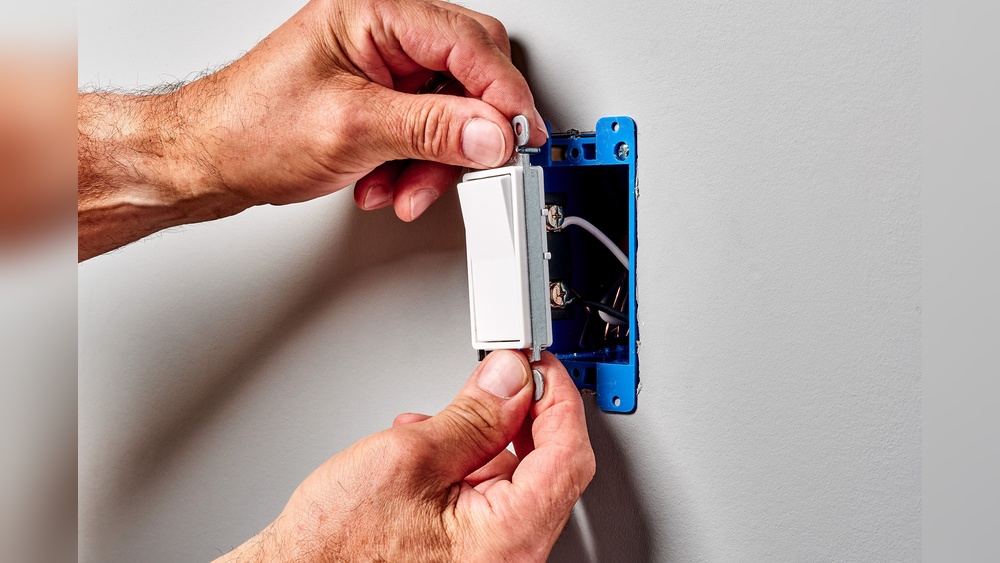
Start by unscrewing the faceplate covering the switch. Use a screwdriver to remove the screws. Keep the screws safe; you will need them later.
Gently pull the faceplate away from the wall. Do not force it. The plate should come off easily once screws are removed.
Disconnect Wires
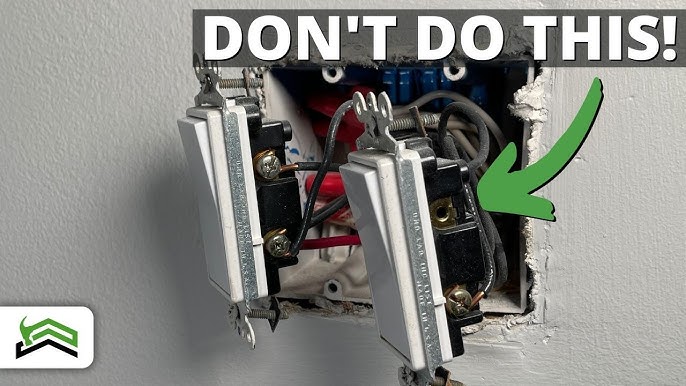
Next, unscrew the screws holding the wires on the switch. Carefully note or take a picture of wire positions. This helps when connecting the new switch.
After loosening the screws, gently pull the wires away from the switch. Avoid pulling the wires themselves. Handle only the insulated parts to stay safe.
Credit: www.youtube.com
Identify Wiring Types
Before changing a light switch, it is important to identify the wiring type. This helps you understand how the switch controls the light. Different switches have different wiring setups. Knowing the wiring type makes the process safer and easier.
Single-pole Switch
A single-pole switch is the most common type. It controls one light or a set of lights from one location. You will see two wires connected to the switch. One is the live wire, and the other goes to the light fixture. A ground wire may also be present for safety. The switch simply turns the light on or off.
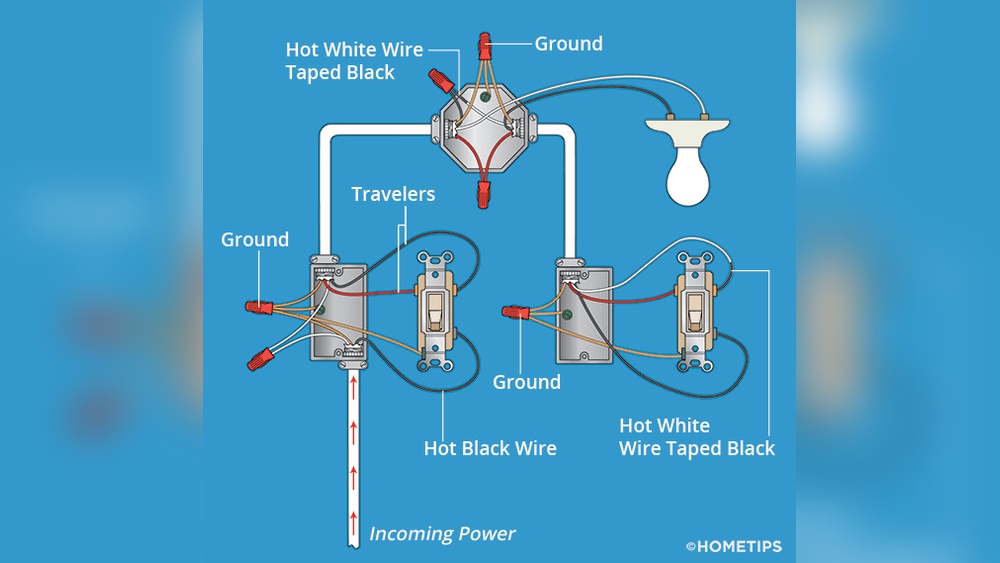
Three-way Switch
A three-way switch controls a light from two different locations. It uses three wires plus a ground wire. These wires allow the switch to work with another three-way switch. This setup is common in hallways or large rooms. Identifying these wires helps you replace the switch correctly.
Connect The New Switch
Connecting the new switch is a key step in changing a light switch. It ensures the switch works safely and correctly. Take your time to connect all wires properly. This will help avoid any electrical issues later.
Attach Wires To Terminals
First, identify the wires from the wall. Usually, there are two or three wires: live, neutral, and ground. Match each wire to the correct terminal on the switch. Loosen the terminal screws slightly. Loop the wire around the screw in a clockwise direction. Tighten the screws firmly to hold the wires in place. Make sure no wire strands are loose or sticking out. This step ensures good electrical contact.
Secure Ground Wire
Next, locate the green or bare copper ground wire. Attach this wire to the green grounding screw on the switch. Wrap the wire tightly around the screw. Tighten the screw firmly to keep the ground wire secure. The ground wire is important for safety. It helps prevent electrical shocks and short circuits. Make sure the ground wire is connected before finishing the job.
Test The New Switch
Testing the new switch is an important step after installation. It ensures the switch works correctly and safely. This step helps avoid future problems and confirms proper wiring. Follow the simple tests below to check the switch.
Turn The Power Back On
First, restore power at the circuit breaker. This allows electricity to flow to the switch. Never test a switch without power. Safety comes first.
Check The Switch Operation
Flip the switch up and down. Notice if the light or device turns on and off. The switch should move smoothly and control the light properly. If it does not, recheck your wiring.
Look For Any Issues
Watch for flickering or dim lights. Listen for buzzing sounds from the switch. These signs may indicate a problem. Turn off power and fix any issues before use.
Use A Voltage Tester
Test the switch terminals with a voltage tester. This tool confirms the switch receives power. It also checks for proper grounding. A no-voltage reading means a wiring error.
Reattach The Faceplate
Reattaching the faceplate is the final step in changing a light switch. This step gives your switch a clean and finished look. It also protects the wiring behind the switch from dust and damage.
Take your time to align the faceplate properly. A crooked faceplate can look sloppy and may cause problems later. Use the right screws to secure the faceplate firmly to the wall.
Align The Faceplate Correctly
Hold the faceplate over the switch. Make sure the holes line up with the screw holes. The faceplate should sit flat against the wall. Check for any gaps or uneven edges.
Secure The Screws
Use a screwdriver to insert the screws. Turn them slowly to avoid cracking the faceplate. Tighten the screws just enough to hold the plate firmly. Avoid over-tightening, which can damage the plate.
Check The Final Look
Stand back and look at the switch. The faceplate should be straight and flush. The switch should move freely without touching the plate. Adjust if needed to ensure a perfect fit.
Safety Tips And Precautions
Changing a light switch involves working with electricity. Safety is the top priority. Taking the right precautions keeps you safe and prevents accidents. Follow each step carefully to avoid risks.
Always switch off the power at the circuit breaker. Do not rely on the wall switch alone. Use a tester to make sure no electricity flows to the switch.
Use Proper Tools
Use insulated tools made for electrical work. Avoid metal tools without insulation. This reduces the chance of electric shock.
Wear Safety Gear
Wear rubber-soled shoes and safety glasses. Keep your hands dry at all times. These simple steps protect you from injury.
Check For Damaged Wires
Look for frayed or exposed wires before starting. Replace any damaged wires to prevent hazards. Do not touch wires with bare hands.
Work In Good Lighting
Ensure the work area is well-lit. Use a flashlight if needed. Clear lighting helps you see wires and connections clearly.
Follow Manufacturer Instructions
Read the instructions that come with the new switch. Follow each step as shown. This ensures correct and safe installation.
Frequently Asked Questions
How Do I Safely Change A Light Switch?
Turn off the power at the circuit breaker first. Use a voltage tester to confirm no electricity flows. Remove the switch cover, disconnect wires, and connect them to the new switch. Secure everything and restore power to test.
What Tools Are Needed To Replace A Light Switch?
You’ll need a screwdriver, voltage tester, wire stripper, and the new switch. Safety gloves and a flashlight can help. These tools ensure a safe and efficient replacement process.
Can I Change A Light Switch Without Turning Off Power?
No, always turn off power at the breaker. This prevents electrical shock or injury. Safety should be your top priority before handling any electrical components.
How Long Does It Take To Change A Light Switch?
Replacing a light switch usually takes 10 to 20 minutes. Time depends on your experience and switch type. Proper safety steps may add a few minutes.
Conclusion
Changing a light switch is easier than you might think. Take safety steps first, like turning off power. Follow simple instructions carefully to avoid mistakes. Use the right tools and work slowly. A new switch can improve your room’s look and function.
You can save money by doing it yourself. Practice makes the process quicker each time. Keep these tips in mind for your next home project. Small fixes like this build your confidence. Why wait? Start with one switch today.