Looking to create the perfect mood in any room? Installing a dimmer light switch is a simple way to control your lighting and save energy.
Imagine adjusting your lights to fit every moment—whether it’s a cozy dinner or a lively gathering. In this guide, you’ll learn exactly how to install a dimmer switch step-by-step, even if you’ve never done electrical work before. By the end, you’ll have the confidence to upgrade your space and enjoy the benefits of custom lighting.
Ready to get started? Let’s dive in!
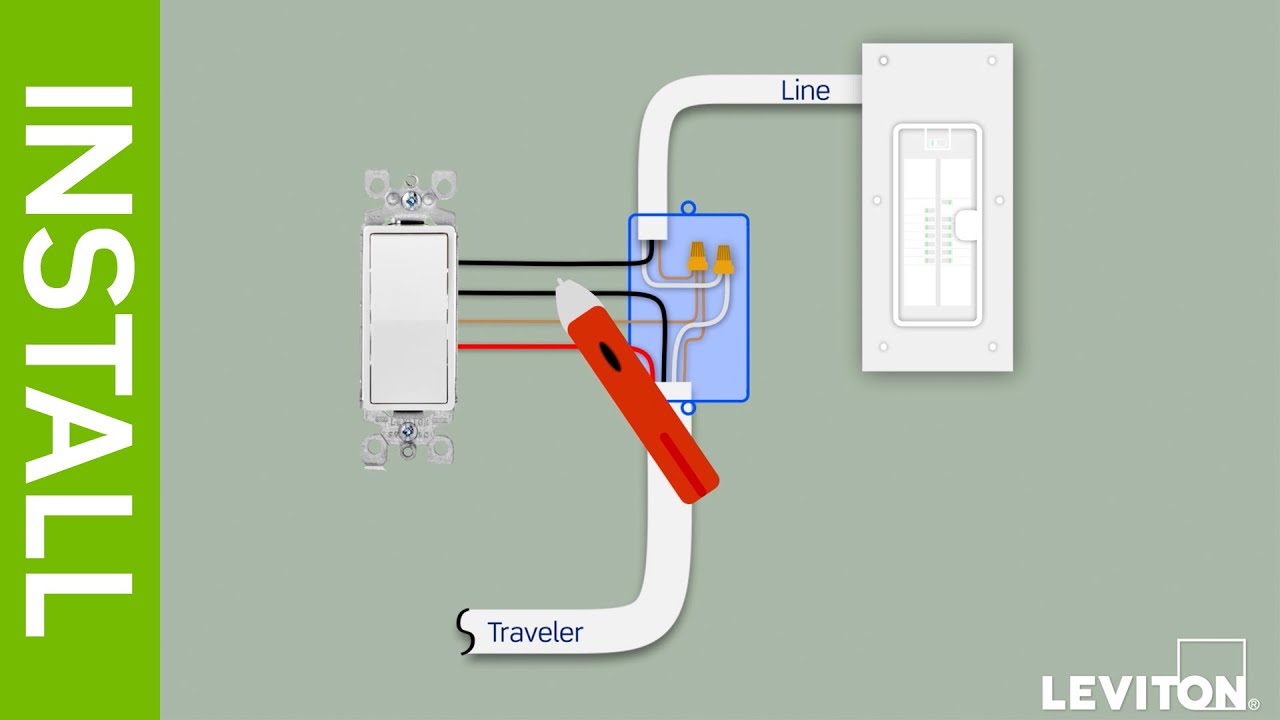
Credit: www.youtube.com
Tools And Materials Needed
Installing a dimmer light switch requires some basic tools and materials. Having everything ready makes the process faster and safer. This list helps you gather what you need before starting.
Essential Tools
You need a screwdriver set, both flathead and Phillips. A voltage tester is important to check if wires are live. Wire strippers help remove insulation without damage. Needle-nose pliers make handling wires easier. A flashlight can improve visibility inside the electrical box.
Materials Required
Choose a dimmer switch that matches your light fixture type. Electrical tape secures wire connections. Wire nuts join wires safely. A wall plate covers the switch for a clean look. Always use materials rated for your home’s electrical system.
Safety Precautions
Safety is the top priority when installing a dimmer light switch. Electricity can be dangerous if not handled properly. Take simple steps to protect yourself and your home. Follow these safety tips to avoid accidents and damage.
Turn Off The Power
Always switch off power at the circuit breaker. Do not rely on the wall switch alone. Use a voltage tester to confirm no electricity flows to the wires. This prevents shocks during installation.
Use Proper Tools
Choose insulated tools designed for electrical work. This reduces the risk of electric shock. Avoid using damaged or worn tools. Keep your workspace clean and organized.
Wear Safety Gear
Wear rubber-soled shoes and safety glasses. Gloves can protect your hands from sharp wires. Keep hair and clothing away from electrical parts. This helps prevent injuries.
Follow Instructions Carefully
Read the dimmer switch manual thoroughly before starting. Match the wiring as shown in the guide. Incorrect wiring can cause short circuits or fires. Take your time to avoid mistakes.
Check Local Codes
Understand local electrical codes and regulations. Some areas require permits for electrical work. Compliance ensures your installation is safe and legal. Consult a professional if unsure.
Turn Off Power
Turning off power is the first and most important step before installing a dimmer light switch. Safety must come first to avoid electric shocks or injuries. Never skip this step.
Make sure no electricity flows to the wires you will work on. This prevents accidents and protects your tools.
Locate Your Circuit Breaker
Find the main electrical panel in your home. It usually looks like a metal box on a wall.
Open the panel door carefully. Inside, you will see switches or breakers labeled for different rooms.
Identify The Correct Breaker
Look for the breaker that controls the lights in the room where you want to install the dimmer.
Labels may help, but test to be sure by turning off the breaker and checking the light switch.
Turn Off The Power
Flip the correct breaker switch to the OFF position. This cuts power to the light switch wires.
Double-check by flipping the light switch to see if the light stays off.
Use A Voltage Tester
Test the wires with a voltage tester to confirm no electricity is present.
Touch the tester to each wire. No light or sound means the power is off.
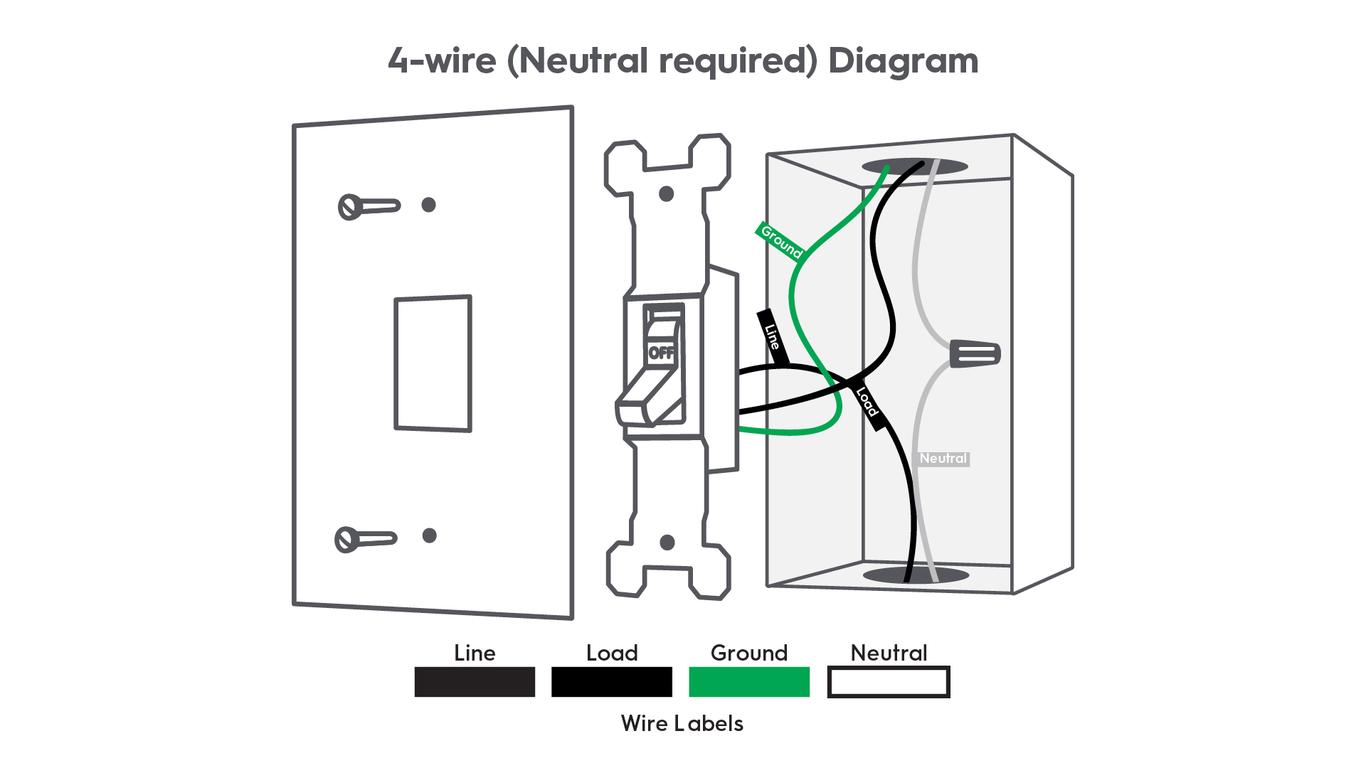
Credit: www.gelighting.com
Remove Existing Switch
Removing the existing switch is the first step in installing a dimmer light switch. This step ensures safety and prepares the wall for the new switch. Take your time to do it carefully.
Turn off the power to the switch at the circuit breaker. Double-check that the power is off by flipping the switch and seeing if the light stays off.
Unscrew The Switch Plate
Use a screwdriver to remove the screws holding the switch plate. Keep the screws safe for later use. Gently pull the plate away from the wall.
Remove The Switch From The Wall Box
Unscrew the mounting screws that hold the switch in place. Carefully pull the switch out from the wall box. Do not pull too hard to avoid damaging wires.
Disconnect The Wires
Note the position of each wire on the switch. Use a screwdriver to loosen the terminal screws. Gently disconnect the wires and keep them separate.
Check For Wire Damage
Inspect the wires for any signs of damage or wear. If wires look frayed, trim and strip the ends to expose fresh copper. Clean wires ensure a good connection for the dimmer switch.
Identify Wiring
Identifying wiring is a crucial step before installing a dimmer light switch. It ensures the switch works safely and correctly. Knowing the wire types helps you connect the dimmer switch without mistakes.
Wires can look similar but have different roles. Understanding their function prevents damage and electrical hazards. This step saves time and avoids future problems.
Locate The Electrical Box
Start by turning off power at the circuit breaker. Use a screwdriver to remove the switch cover plate. Look inside the electrical box for wires connected to the switch.
The box holds all wires you need to identify. Make sure the power is off to avoid shocks.
Identify The Common Wire
The common wire usually connects the power source. It is often black or red. This wire carries electricity to the switch. Use a voltage tester to confirm it is live when the power is on.
Find The Load Wire
The load wire goes from the switch to the light fixture. This wire controls the light. It is often black or red but may differ. Confirm by tracing it or using a tester.
Recognize The Ground Wire
The ground wire is for safety. It is usually bare copper or green. Connect it to the dimmer’s ground terminal. It protects against electrical faults.
Check For Neutral Wire
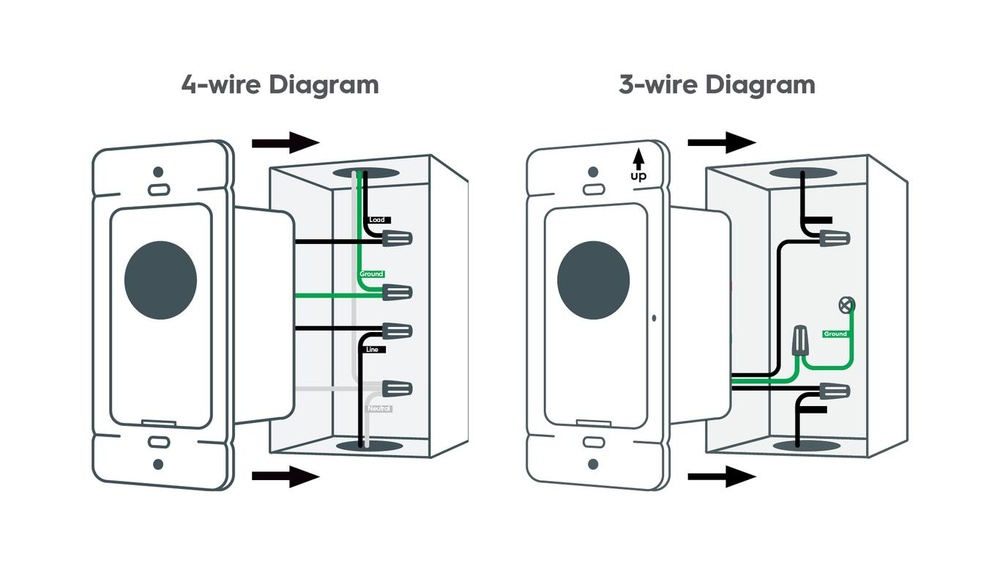
Some dimmer switches need a neutral wire. This wire is usually white. Not all switch boxes have a neutral wire. Verify with a tester or check the wiring diagram.
Connect Dimmer Switch Wires
Connecting the wires of a dimmer switch is a key step in installation. It controls the light brightness and saves energy. Careful attention ensures safety and proper function.
Follow clear steps to match wires correctly. Use tools like wire strippers and a screwdriver. Turn off the power at the circuit breaker before starting. This prevents electric shock and accidents.
Identify The Wires
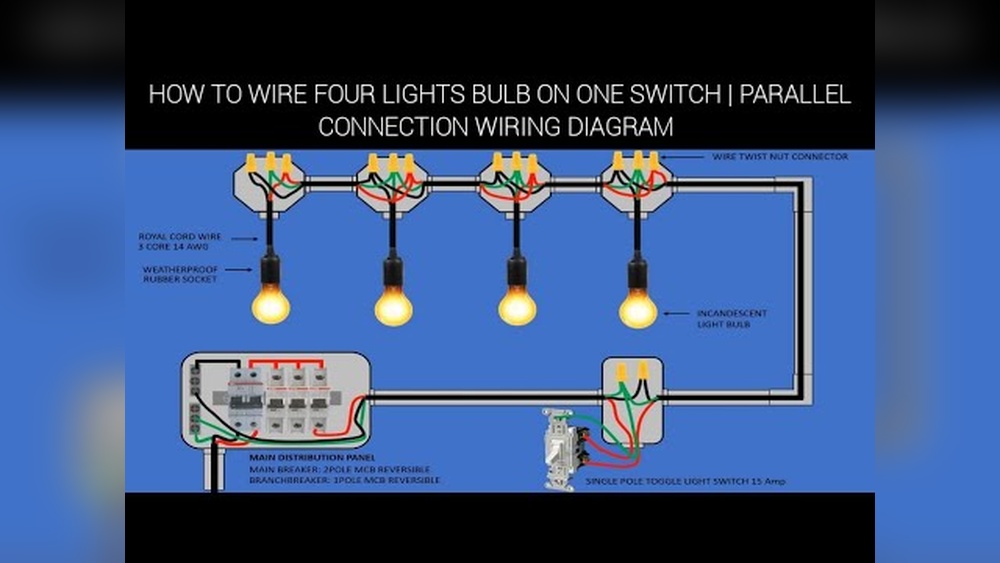
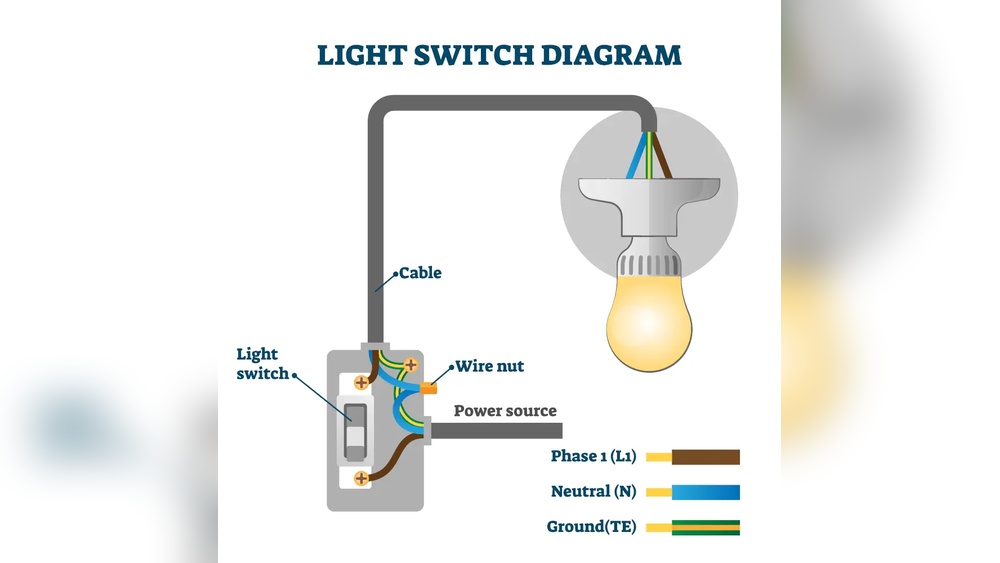
Look at the wires in the wall box. Usually, there is a black (hot) wire, a white (neutral) wire, and a green or bare copper (ground) wire. The dimmer switch will have similar wires. Match colors carefully for safe connection.
Connect The Ground Wire
First, connect the green or bare copper wire from the dimmer to the ground wire in the wall. Twist the wires together and secure with a wire nut. This wire protects against electric shocks.
Join The Hot Wires
Next, connect the black wire from the dimmer to the black wire in the wall. These wires carry power to the light. Twist them together tightly and cover with a wire nut.
Attach The Neutral Wire
Some dimmer switches need a neutral wire connection. If your switch has a white wire, connect it to the white wire in the wall. Secure with a wire nut. Not all dimmers require this step, check your model’s instructions.
Secure Wire Connections
After joining wires, wrap each wire nut with electrical tape. This adds extra safety and keeps connections tight. Gently push the wires into the electrical box. Avoid sharp bends or pinching.
Secure The Dimmer Switch
Securing the dimmer switch properly is a key step in the installation process. It ensures the switch stays in place and works safely. A loose switch can cause flickering lights or worse, electrical problems. Follow these steps carefully to secure your dimmer switch with confidence.
Check The Mounting Plate
First, examine the mounting plate on the dimmer switch. Make sure it fits the electrical box in your wall. The plate should lie flat against the wall without gaps. If it does not fit, adjust the screws on the plate until it does.
Attach The Dimmer Switch To The Wall Box
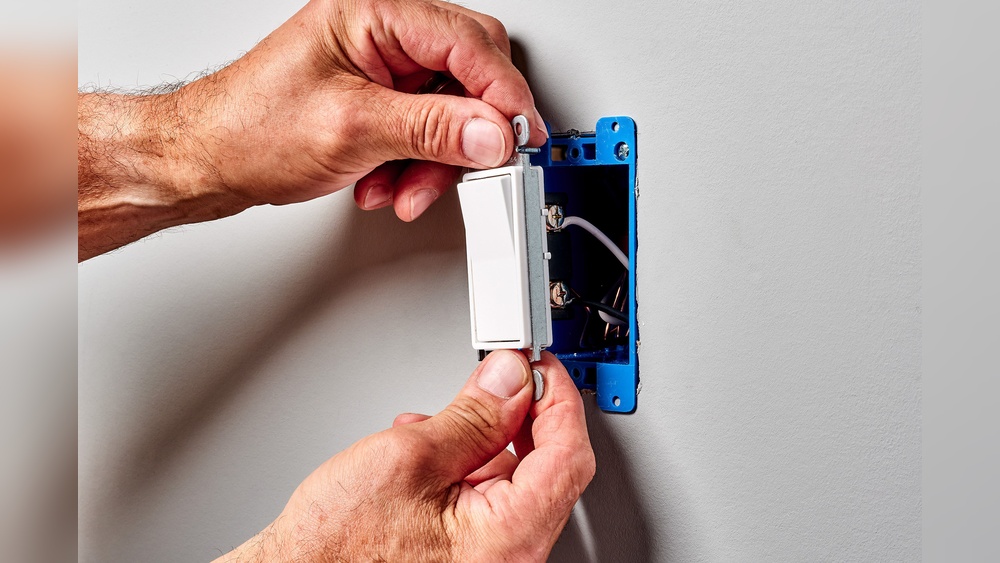
Align the dimmer switch with the wall box holes. Use the screws that come with the switch. Tighten the screws evenly to avoid tilting the switch. Do not overtighten; this can crack the switch or wall plate.
Confirm The Switch Is Level
Use a small level to check the switch’s position. A level switch looks neat and works better. Adjust the screws slightly to fix any tilt. A properly aligned switch improves the overall look and feel.
Secure The Wall Plate
After the switch is firmly attached, place the wall plate over it. Line up the plate with the screw holes. Insert the screws and tighten gently. The wall plate should fit snugly without gaps or cracks.
Restore Power And Test
After installing your dimmer light switch, restoring power is the next step. This step allows you to check if the switch works correctly. Testing ensures safety and confirms a proper setup.
Always restore power carefully. Double-check that all wires are secure before turning the power back on. This prevents any electrical problems or hazards.
Turn On The Circuit Breaker
Locate your home’s circuit breaker panel. Find the breaker you turned off earlier. Switch it back to the “on” position. This action restores electricity to the dimmer switch.
Test The Dimmer Switch
Go to the dimmer switch and turn it on. Slide or twist the dimmer control slowly. Watch the light’s brightness change smoothly. If the light flickers or does not respond, check the wiring again.
Check For Issues
Look for any buzzing or unusual sounds. Feel the switch for excessive heat. If anything seems wrong, turn off the power. Re-examine your installation steps or consult a professional.
Troubleshooting Tips
Troubleshooting a dimmer light switch can save time and avoid frustration. Many common issues have simple fixes. Understanding these tips helps keep your installation smooth and effective.
Check the wiring first. Loose or wrong connections cause most problems. Make sure wires are tight and correctly placed. Turn off the power before touching any wires.
Check For Compatibility
Not all dimmer switches work with every bulb type. Some dimmers only support incandescent bulbs. LED bulbs often need special dimmers. Verify the dimmer matches your bulb type for proper function.
Inspect The Circuit Breaker
A tripped breaker can cause dimmer failure. Look at your breaker panel for any switches that flipped off. Resetting a breaker might restore power to your dimmer switch.
Test The Dimmer Switch
Use a voltage tester to check if power reaches the dimmer. No power means a wiring or breaker issue. If power is present but the dimmer does not work, the switch might be faulty.
Look For Overheating
Dimmer switches can get hot if overloaded. Overheating causes flickering or failure. Ensure the total wattage of bulbs does not exceed the dimmer’s rating.
Reset The Dimmer
Some dimmers have a reset feature. Turn the switch off and on several times. This can clear minor errors and restore proper function.

Credit: support.brilliant.tech
Frequently Asked Questions
What Tools Are Needed To Install A Dimmer Light Switch?
You need a screwdriver, voltage tester, wire stripper, and electrical tape. These tools ensure safe and proper installation. Having them ready makes the process smooth and efficient.
Can I Install A Dimmer Switch On Any Light Fixture?
Most dimmers work with incandescent, LED, and CFL bulbs. Check your dimmer’s compatibility before installation. Using the right dimmer ensures optimal performance and prevents flickering.
How Do I Safely Turn Off Power Before Installation?
Turn off the circuit breaker for the light switch you’re replacing. Use a voltage tester to confirm no electricity flows. This step prevents electrical shocks during installation.
What Wiring Connections Are Typical For Dimmer Switches?
Dimmer switches usually have three wires: live, load, and ground. Match these with your home’s wiring colors. Proper connection ensures the dimmer functions correctly and safely.
Conclusion
Installing a dimmer switch can change your room’s mood easily. It saves energy and lets you control light brightness. Follow safety steps and use the right tools for best results. Take your time and double-check connections before turning power back on.
Enjoy softer, adjustable lighting that fits any activity or time of day. A simple switch upgrade can make a big difference in your home comfort. Give it a try and see the benefits yourself.