Are you ready to brighten up your space and take control of your lighting? Adding a light fixture and switch yourself can save you money and give your room a fresh new look.
But if you’re unsure where to start, don’t worry—this guide breaks down the process into simple, clear steps. By the end, you’ll have the confidence to install your own lighting, making your home more inviting and functional. Keep reading, and discover how easy it can be to transform your space with just a few tools and some basic know-how.
Tools And Materials Needed
Adding a light fixture and switch requires specific tools and materials. Having the right items makes the job easier and safer. This guide lists everything needed to complete the task.
Essential Tools
- Screwdrivers (flathead and Phillips)
- Wire stripper
- Voltage tester
- Drill with bits
- Pliers
- Electrical tape
- Measuring tape
- Utility knife
- Level
Materials Needed
- Light fixture with mounting bracket
- Light switch
- Electrical box
- Wire nuts
- Electrical wire (14/2 or 12/2 gauge depending on circuit)
- Switch plate cover
- Cable clamps
Safety Gear
- Insulated gloves
- Safety goggles
- Dust mask
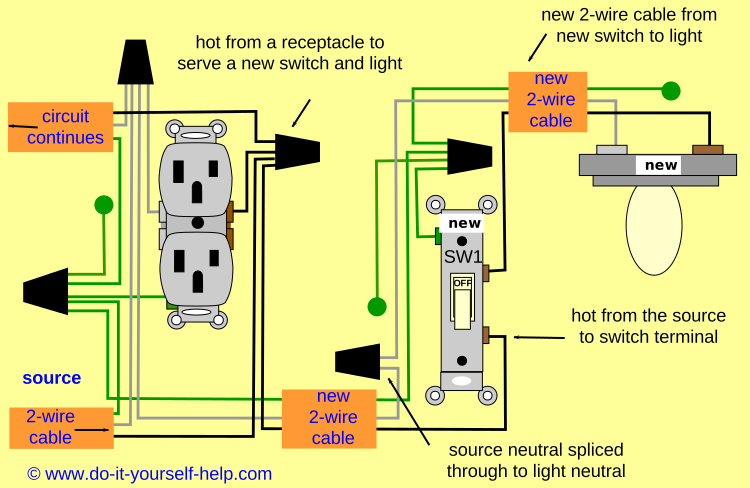
Credit: www.do-it-yourself-help.com
Safety Precautions
Safety is the first step before adding any light fixture and switch. Working with electricity can be dangerous without proper care. Follow clear safety rules to avoid accidents. Keep your workspace clean and organized. Use the right tools and protective gear. Always make sure the power is off before starting any work.
Turn Off Power At The Circuit Breaker
Locate your home’s circuit breaker panel. Switch off the breaker that controls the room or area. Double-check that the power is off by testing the switch or light. Never assume the power is off without testing. This step protects you from electric shocks.
Use A Voltage Tester
After switching off the breaker, use a voltage tester. Check the wires to confirm no current is flowing. This tool shows if the wires are safe to handle. Always test before touching any electrical components.
Wear Protective Gear
Wear insulated gloves to avoid electric shocks. Use safety glasses to protect your eyes. Avoid loose clothing or jewelry that can get caught. Proper gear helps keep you safe during the installation.
Follow Local Electrical Codes
Know your local building and electrical codes. These rules keep your work safe and legal. Use the right materials and installation methods. Follow codes to prevent hazards and ensure long-term safety.
Planning Your Light Fixture Setup
Planning your light fixture setup is the first step before installation. It helps avoid mistakes and saves time. Careful planning ensures the light fits the room and works well.
Think about the style and function of the light. Also, consider the switch type and where to find power. This planning makes the project smooth and safe.
Choosing The Right Fixture
Select a fixture that suits the room’s size and style. Small rooms need smaller lights to avoid clutter. Bright lights work well in kitchens and workspaces. Soft lights create calm in bedrooms and living rooms.
Check the fixture’s energy use. LED lights save power and last longer. Match the fixture with your ceiling type, like flush mount for low ceilings.
Selecting The Switch Type
Pick a switch that fits how you use the light. A simple on/off switch works for most rooms. Dimmer switches adjust brightness and save energy. Three-way switches control lights from two spots, good for hallways or stairs.
Smart switches offer remote control and scheduling. They add convenience but need more setup.
Locating Power Source
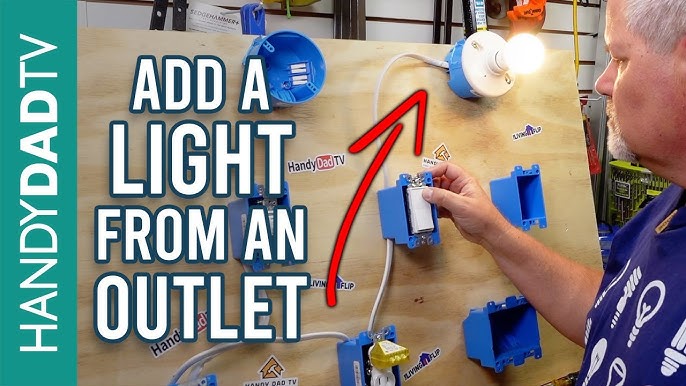
Find where the power comes from in your room. Look for existing wiring or outlets. Use a voltage tester to check wires are live or off. The power source must support the new fixture safely.
Plan the wiring path to avoid walls or beams. Clear access makes installation easier and safer.
Credit: www.youtube.com
Turning Off Power
Before starting to add a light fixture and switch, always turn off the power. This step is very important for your safety. Electricity can cause serious injury or even death. Never skip this step, even if you think the power is off.
Turning off the power stops electricity from flowing. This makes it safe to work on wires and fixtures. You need to find the right circuit breaker or fuse that controls the area you will work on.
Locate Your Circuit Breaker Panel
Find your home’s circuit breaker panel. It is usually in the basement, garage, or a closet. Open the panel door and look for the breaker switches inside. Each switch controls power to a different part of your home.
Identify The Correct Breaker
Look for the breaker that controls the room where you will add the fixture and switch. The breakers often have labels like “Living Room” or “Kitchen.” If labels are missing, you may need to test which breaker controls the area.
Switch Off The Breaker
Flip the breaker switch to the “off” position. This cuts power to the wires you will work on. Make sure the switch stays firmly in the off position before starting any electrical work.
Test For Power
Use a non-contact voltage tester or a simple voltage meter. Check the wires or fixture to confirm no electricity is flowing. Test more than one wire to be sure the power is off completely.
Removing Old Fixtures And Switches
Removing old fixtures and switches is the first step in updating your lighting. It prepares the space for the new installation. Safety is important during this process. Always turn off the power at the circuit breaker before starting.
Careful removal prevents damage to the walls and wiring. Take your time and follow each step closely. This way, your new fixture and switch will fit perfectly.
Turn Off Power At The Circuit Breaker
Switch off the circuit breaker that controls the fixture and switch. Use a voltage tester to confirm the power is off. Never skip this step. It protects you from electric shock.
Remove The Fixture Cover And Bulbs
Take off the light bulbs carefully. Remove any glass or plastic covers. Set these parts aside for reuse or disposal. Handle fragile parts gently to avoid breakage.
Unscrew The Old Fixture
Use a screwdriver to remove screws holding the fixture. Support the fixture with one hand while unscrewing. This prevents it from falling and breaking. Slowly pull the fixture away from the wall or ceiling.
Disconnect The Wiring
Note how wires are connected. Take a photo if needed. Unscrew wire connectors and separate the wires. Keep wires from touching each other or the fixture. This avoids sparks or short circuits.
Remove The Old Switch
Unscrew the switch cover plate. Pull the switch out from the electrical box. Disconnect the wires attached to the switch. Remember the wire positions for the new switch. Tape wire ends to keep them safe.
Wiring The New Light Fixture
Wiring the new light fixture is a key step in your installation project. It involves connecting wires safely and securing the fixture to the ceiling or wall. Proper wiring ensures the fixture works well and avoids electrical problems. Take your time and follow each step carefully.
Connecting Wires
Turn off the power at the breaker before touching any wires. Identify the black (hot), white (neutral), and green or bare copper (ground) wires. Match the wires from the fixture to the wires in the electrical box by color. Twist the ends of the matching wires together. Use wire nuts to secure each connection. Tug gently on each wire to check they are tight. Cover the wire nuts with electrical tape for extra safety.
Securing The Fixture
Attach the mounting bracket to the electrical box using screws. Align the fixture base with the bracket. Push the wires inside the electrical box carefully. Screw the fixture into the bracket firmly. Avoid overtightening to prevent damage. Finally, install the light bulbs and switch the power back on. Test the fixture to make sure it works correctly.
Installing The Switch
Installing the switch is a key step in adding a new light fixture. It controls the flow of electricity to the light. Proper installation ensures safety and smooth operation. Follow the steps carefully to wire and mount the switch correctly.
Wiring The Switch
Turn off the power at the circuit breaker before starting. Use a voltage tester to confirm no power is running. Connect the black (hot) wire from the power source to one terminal on the switch. Attach the black wire that goes to the light fixture to the other terminal. Connect the white (neutral) wires together with a wire nut. Attach the green or bare copper ground wire to the green screw on the switch. Tighten all connections firmly. Carefully tuck the wires into the electrical box.
Mounting The Switch
Place the switch into the electrical box, aligning the screw holes. Use a screwdriver to secure the switch with mounting screws. Make sure the switch is straight and flush with the wall. Attach the switch cover plate over the switch. Tighten the cover plate screws until snug. Restore power at the circuit breaker. Test the switch by turning the light on and off. The switch should work smoothly without any sparks or noise.
Testing Your Installation
Testing your light fixture and switch installation is a key step. It ensures everything works safely and correctly. Skipping this part can cause problems or hazards later.
Take time to test carefully. Check all connections and the function of your switch and light fixture. This helps you catch mistakes early and fix them.
Power On Safely
Turn the power back on at the circuit breaker. Avoid touching wires while doing this. Use a voltage tester to confirm power is flowing correctly.
Operate The Switch
Flip the switch to see if the light turns on. Try switching it on and off several times. Watch for flickering or delays in the light.
Check For Loose Connections
Look at the fixture and switch for any loose parts. Tighten screws and wire nuts if needed. Loose connections can cause sparks or failures.
Test With A Voltage Meter
Use a voltage meter to measure current at the fixture. It verifies the wiring is correct and power is stable. This step helps avoid electrical issues later.
Observe For Unusual Signs
Notice any strange smells, sounds, or heat near the fixture. These signs might mean wiring problems. Turn off the power immediately if you detect any.
Troubleshooting Common Issues
Adding a light fixture and switch can sometimes cause small problems. These issues stop the light from working right. Troubleshooting helps find and fix these problems fast. It saves time and keeps your home safe.
Below are common problems and easy ways to solve them. These tips help you check wiring, connections, and switches. Follow these steps carefully to get your light working again.
Checking Power Supply
First, make sure the power is on. Test the circuit breaker or fuse box. A tripped breaker stops electricity from reaching the light. Reset the breaker or replace the fuse if needed. Use a voltage tester to confirm power at the switch and fixture.
Inspecting Wiring Connections
Loose or wrong wiring causes lights to flicker or not work. Turn off power before touching wires. Check if wires are tightly connected to terminals. Look for any damaged or frayed wires. Fix or replace bad wires. Match wire colors correctly: black to black, white to white.
Testing The Switch
The switch may be broken or installed wrong. Remove the switch cover and check wiring. Use a multimeter to test if the switch opens and closes the circuit. Replace the switch if it fails the test. Make sure the switch is rated for your light fixture’s voltage.
Examining The Light Fixture
The bulb or fixture itself might be faulty. Try a new bulb first. Check the bulb fits the socket properly. Inspect the socket for signs of damage or corrosion. Clean or replace the socket if needed. Confirm the fixture is connected to the power source correctly.
Verifying Grounding
Proper grounding prevents shocks and electrical faults. Check if the ground wire is connected to the fixture and switch boxes. Use a tester to ensure grounding works. Secure any loose ground wires with wire nuts. Never ignore grounding issues for safety reasons.

Credit: www.youtube.com
Frequently Asked Questions
How Do I Safely Turn Off Power Before Installation?
Always switch off the circuit breaker for the room. Use a voltage tester to confirm no power is present. This prevents electrical shocks and ensures safe installation of the light fixture and switch.
What Tools Are Needed To Install A Light Fixture?
You need a screwdriver, wire stripper, voltage tester, electrical tape, and a ladder. These tools help you connect wires securely and mount the fixture safely.
How Do I Connect Wires For A Light Switch?
Match black (hot) wires together and connect white (neutral) wires. Use wire nuts for secure connections. Always follow wiring diagrams and local electrical codes.
Can I Add A Light Fixture Without An Existing Switch?
Yes, but you’ll need to run new wiring from the power source to the fixture and install a switch. This may require professional help if unfamiliar with electrical work.
Conclusion
Adding a light fixture and switch can brighten any room quickly. Follow safety rules and turn off power first. Use the right tools and check your wiring carefully. Take your time and double-check each step. You can save money and gain new skills.
A well-done job adds value and comfort to your home. Keep instructions close and ask for help if unsure. Enjoy the light and satisfaction of your work done right. Simple steps lead to great results.

