Have you ever wondered why light switches are placed exactly where they are on your wall? Knowing how high a standard light switch should be can save you from awkward bending or stretching every time you turn your lights on or off.
Whether you’re remodeling your home or just curious about the best setup, understanding the right height for your light switches can make a big difference in comfort and convenience. Keep reading, and you’ll discover the simple standards that could change the way you interact with your space every day.
Standard Light Switch Height
Standard light switch height matters for comfort and safety. It affects how easily people can reach and use switches. Builders follow common rules to keep heights consistent in homes and buildings. This section explains typical heights, differences by country, and usual practices.
Typical Measurements
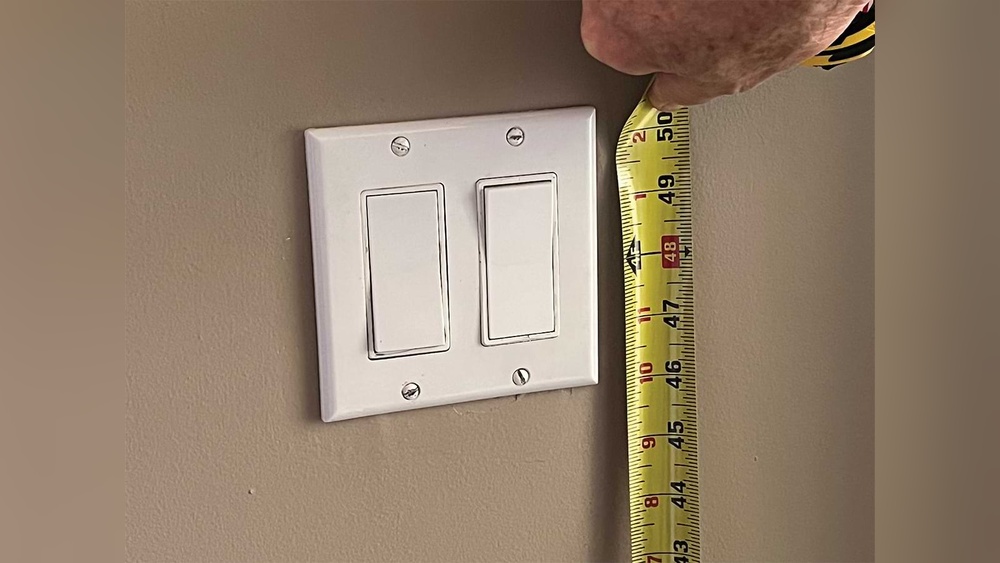
The usual height for a light switch is about 48 inches (122 cm) from the floor. This height suits most adults and children. It allows easy reach without bending or stretching. Some switches may be slightly higher or lower, but 48 inches is the common standard.
Variations By Country
Different countries set unique rules for switch height. In the United States, 48 inches is typical. In the United Kingdom, switches often sit around 42 to 48 inches. Australia and Canada follow similar ranges. These differences reflect building codes and user habits.
Common Practices
Builders place switches near door frames for quick access. Switches are usually installed on the right or left side of the door. In homes, switches serve living areas and bedrooms. In public buildings, accessibility rules may require lower heights for wheelchair users.
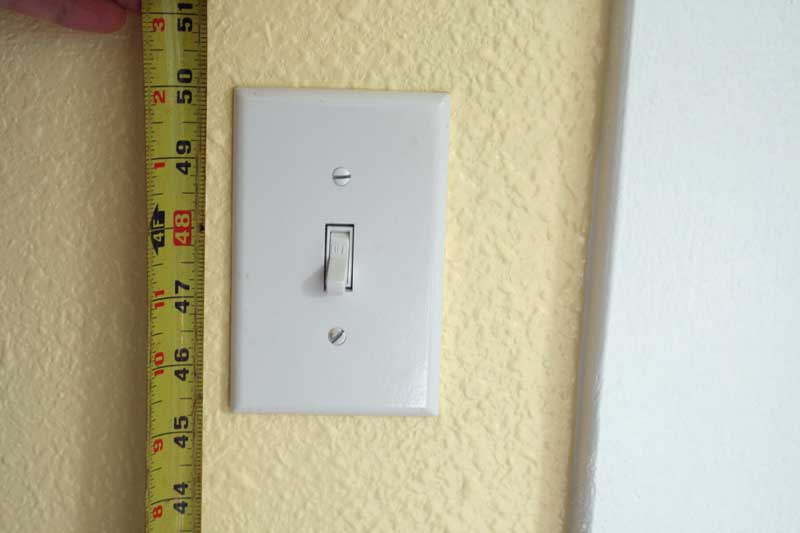
Credit: www.protoolreviews.com
Factors Influencing Switch Height
Several factors affect the height of a standard light switch. These factors ensure safety, comfort, and proper use. Understanding them helps you place switches correctly in any room.
Building Codes And Regulations
Building codes set rules for switch height to meet safety standards. These rules vary by country and region. Most codes require switches to be between 42 and 48 inches from the floor. Following these codes helps avoid legal problems and ensures proper installation.
Accessibility Requirements
Switch height must consider accessibility for all users. People with disabilities need switches placed lower for easy reach. The Americans with Disabilities Act (ADA) suggests switches be 48 inches or less. This height works well for wheelchair users and people with limited mobility.
Room Function And Design
The purpose of a room affects switch placement. In a kitchen, switches might be higher to avoid spills. Bedrooms often have switches near the bed for convenience. Designers also consider furniture placement and wall space. This creates a functional and comfortable environment.
Switch Height For Accessibility
Switch height is crucial for accessibility. It affects how easily people can reach and use light switches. Proper placement helps everyone, including those with disabilities. This section explains the key points about switch height for accessibility.
Ada Guidelines
The ADA (Americans with Disabilities Act) sets rules for switch height. Switches should be 15 to 48 inches above the floor. This range makes switches reachable for most people, including those in wheelchairs. The guidelines ensure public spaces are easier to use for everyone.
Adjustments For Disabled Users
Some disabled users need switches placed lower or higher than standard. For wheelchair users, switches near 15 inches are best. People with limited reach might need special controls or remote switches. Adjustments depend on individual needs and home layout.
Universal Design Principles
Universal design means creating spaces usable by all people. Switch height should be comfortable for both standing and seated users. Placing switches at about 48 inches works for many. Using large, easy-to-press switches helps too. This design avoids extra work or changes later.
:max_bytes(150000):strip_icc()/height-to-install-switches-1152823-2a1e62d29a9a4d448b2b44f1731cd5d1.png)
Credit: www.thespruce.com
Measuring And Installing Switches
Measuring and installing light switches is a basic skill for home improvement. It ensures the switch is at the right height and works safely. The standard height for most light switches is about 48 inches from the floor. This height is comfortable for most people to reach.
Knowing the right tools and steps makes installation easier. Safety is also very important. Let’s look at what you need and how to install a switch correctly.
Tools Needed
Gather these tools before starting:
- Measuring tape
- Voltage tester
- Flathead screwdriver
- Phillips screwdriver
- Wire stripper
- Electrical tape
- New light switch
Step-by-step Installation
First, turn off power at the circuit breaker. Use a voltage tester to confirm no electricity flows.
Measure 48 inches from the floor to mark the switch height on the wall.
Remove the old switch cover with a screwdriver. Unscrew the switch and gently pull it out.
Note the wire connections or take a photo for reference. Disconnect the wires from the old switch.
Strip about half an inch of insulation from each wire. Attach the wires to the new switch terminals.
Secure the switch into the wall box and screw the cover plate back on.
Turn the power back on and test the switch to ensure it works.
Safety Tips
Always cut power before working on switches. Double-check with a voltage tester.
Use insulated tools to prevent shocks. Wear safety glasses if wires may snap.
Do not touch bare wires with your hands. Keep your work area dry and clear.
If unsure about wiring, ask a professional electrician for help.
Alternatives To Standard Switch Heights
Standard light switch heights may not suit every space or user. Alternatives offer flexibility and convenience. Different switch options can match unique needs and room designs.
Smart Switches And Controls
Smart switches let you control lights without physical contact. Use apps or voice commands to turn lights on or off. Place smart switches anywhere since physical height is less important. They add ease for people with mobility issues. Smart controls can also schedule lighting or adjust brightness.
Floor And Table Switch Options
Floor and table switches bring control closer to where you sit or stand. These switches are ideal for rooms with unusual layouts. They reduce the need to reach walls for light control. Portable switches can move with you in the room. They work well in living rooms, bedrooms, and offices.
Custom Heights For Unique Spaces
Custom switch heights fit unusual walls or furniture layouts. Lower switches can help children or wheelchair users. Higher switches avoid pets or small children accidentally turning lights off. Custom heights add comfort and safety. Professionals can install switches at any height needed.

Credit: www.angi.com
Frequently Asked Questions
What Is The Standard Height For A Light Switch?
The standard height for a light switch is typically 48 inches from the floor. This measurement ensures easy access for most people. It follows common building codes and provides a consistent look throughout homes and buildings.
Why Is Light Switch Height Important?
Proper switch height ensures accessibility and safety. It helps people reach switches comfortably without bending or stretching. Correct height also meets building regulations and improves home usability for all age groups.
Can Light Switch Height Vary By Country?
Yes, light switch height can vary internationally. Different countries follow different building codes. However, 48 inches is a common standard in the US and many other regions.
How To Measure Light Switch Height Correctly?
Measure from the floor to the center of the switch box. Use a tape measure for accuracy. Consistent measuring helps maintain uniform switch placement throughout your home.
Conclusion
A standard light switch usually sits about 48 inches from the floor. This height makes it easy for most people to reach. It also follows common building rules for safety and comfort. Knowing this helps when installing or replacing switches at home.
Always measure carefully before drilling or cutting. Proper placement ensures your switch works well and looks neat. Keep this simple rule in mind for any electrical project. It saves time and avoids mistakes. A well-placed switch makes daily life easier.