Is your light switch feeling hot to the touch? This can be more than just uncomfortable—it might signal a serious electrical problem that needs your immediate attention.
You don’t have to be an expert to fix it, but knowing what to look for and how to handle the issue safely is crucial. You’ll discover simple, clear steps to identify why your light switch is hot and how to fix it before it turns into a bigger hazard.
Keep reading to protect your home and stay safe.
Signs Of A Hot Light Switch
A hot light switch is a sign of electrical problems. It can cause damage or even fire. Knowing the signs helps keep your home safe. Detect issues early to avoid bigger repairs.
Physical Indicators
The switch feels warm or hot to touch. It may look discolored or melted. You might see cracks or burn marks. The switch could be loose or hard to flip. These signs show the switch is overheating.
Electrical Symptoms
The light flickers or dims when switched on. You hear buzzing or crackling sounds from the switch. Circuit breakers may trip often. The switch might not work properly. These symptoms suggest electrical trouble inside the switch.
:max_bytes(150000):strip_icc()/wall-switch-troubleshooting-and-repair-1824662-03-a1ccda0cf1fa4683b714801ae678b90c.jpeg)
Credit: www.thespruce.com
Common Causes Of Overheating
Hot light switches are a common electrical issue in many homes. Overheating can cause damage and even pose safety risks. Understanding the common causes helps you fix the problem quickly. Here are the main reasons why a light switch might get hot.
Loose Wiring
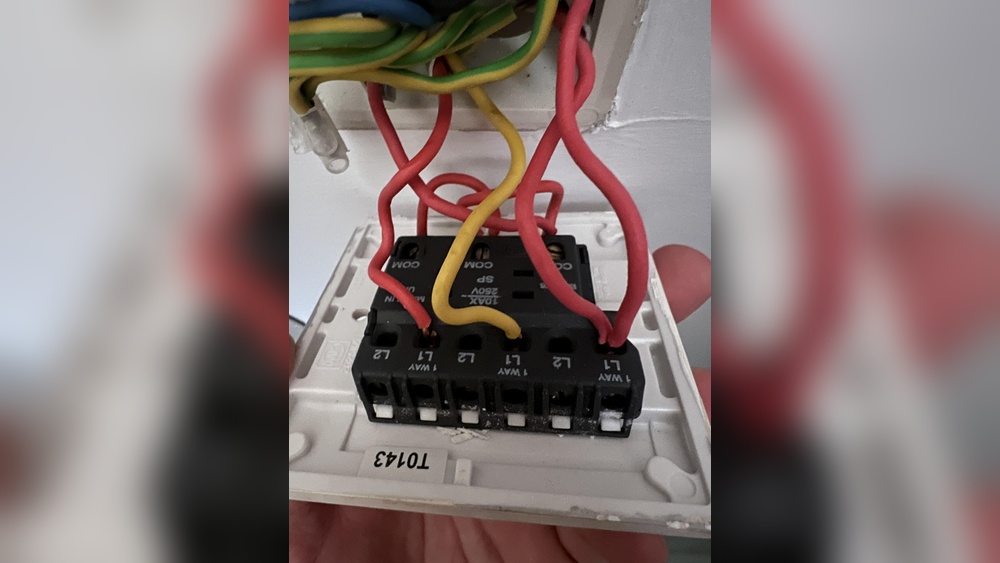
Loose wiring is a frequent cause of switch overheating. When wires do not connect tightly, electricity struggles to flow smoothly. This struggle creates heat in the switch and surrounding parts. Over time, this heat can damage the switch or the wires. Checking and tightening wiring connections often solves the problem.
Faulty Switch Components
Switch parts can wear out or break with use. Faulty components increase resistance inside the switch. More resistance means more heat is produced. A worn-out switch may feel hot even under normal use. Replacing the switch is the best way to fix this issue.
Excessive Electrical Load
Using too much power on one switch causes overheating. Each switch has a limit on how much electricity it can handle. Exceeding this limit makes the switch work harder and heat up. Reducing the load or using a switch designed for higher power helps prevent overheating.
Safety Precautions Before Repair
Fixing a hot light switch can be risky without the right safety steps. Electrical work needs care to avoid shocks or fires. Before starting any repair, follow key safety rules. These rules protect you and your home.
Always prepare properly. Safety is the first step to a successful fix. Never rush or skip these precautions.
Turn Off Power
Cut the power at the circuit breaker. This stops electricity from flowing to the switch. Use a tester to check the switch has no power. Do not touch wires until you confirm power is off. This simple step prevents electric shocks.
Use Protective Gear
Wear rubber gloves to protect your hands. Use safety glasses to shield your eyes. Wear shoes with rubber soles for extra safety. These items reduce the risk of injury. Never work barefoot or with wet hands.
Credit: bellplumbing.com
Tools And Materials Needed
Fixing a hot light switch requires the right tools and materials. Having them ready makes the job safer and easier. This section lists everything needed for the task. Prepare all items before starting work.
Safety Gear
Safety gear protects you from electric shocks and injuries. Use insulated gloves to handle wires safely. Wear safety glasses to guard your eyes from dust and debris.
Screwdrivers
Screwdrivers are essential for removing and installing switch covers and screws. A flat-head screwdriver and a Phillips-head screwdriver cover most switch types.
Voltage Tester
A voltage tester checks if the power is off before touching wires. It prevents accidents by confirming no electricity flows through the switch.
Replacement Switch
Have a new switch ready to replace the hot one. Match the switch type and rating with your current setup for a proper fit.
Wire Strippers And Cutters
Wire strippers remove insulation without damaging wires. Wire cutters trim wires to the right length for a clean connection.
Electrical Tape
Electrical tape insulates wire connections and prevents short circuits. Use it to secure wires after repairs.
Step-by-step Repair Process
Fixing a hot light switch requires careful steps to ensure safety and effectiveness. Follow this clear process to solve the problem. Each step focuses on checking parts of the switch and wiring to find the cause. Work slowly and carefully for the best results.
Remove The Switch Cover
Start by turning off the power at the breaker box. Use a screwdriver to remove the switch cover plate. Keep the screws safe for later. Gently pull the cover away from the wall. This exposes the switch and wiring behind it.
Inspect Wiring Connections
Look closely at the wires connected to the switch. Check for loose, burnt, or damaged wires. Look for discoloration or melted insulation. Loose wires often cause heat and sparks. Make sure all connections are tight and clean.
Tighten Or Replace Wires
Use a screwdriver to tighten any loose wire screws. If wires are damaged or burnt, cut and strip new ends. Replace old wires with the same type and size. Securely connect the wires to the switch terminals. Proper connections stop the switch from overheating.
Replace The Switch
If the switch shows signs of damage, replace it. Buy a new switch with the same rating and type. Disconnect old wires from the old switch. Attach wires to the new switch’s terminals. Screw the new switch into the wall box firmly.
Test The Repair
Turn the breaker back on to restore power. Flip the switch several times to check for heat. Use your hand to feel if the switch stays cool. If the switch works well and stays cool, the repair is complete. If it still gets hot, call a professional electrician.
Preventing Future Overheating
Preventing future overheating of a hot light switch is important to keep your home safe. Overheating can cause damage or even fire hazards. Taking simple steps can help avoid these problems and extend the life of your switch.
Regular Maintenance Tips
Check your light switches often for signs of wear or damage. Look for discoloration, cracks, or a burning smell. Tighten any loose screws to ensure a good connection. Clean dust and dirt around the switch to prevent heat buildup. Test switches regularly to make sure they work properly. Replace any switch that feels hot to the touch.
Upgrading Electrical Components
Old or low-quality switches can cause overheating. Replace outdated switches with newer, safer models. Use switches rated for the correct voltage and current. Consider installing switches with built-in safety features. Upgrade your home wiring if it is old or damaged. Consult a licensed electrician for proper upgrades. This helps handle more electrical load safely and reduces heat.
When To Call A Professional
Sometimes, a hot light switch signals a serious problem. Handling electrical issues can be risky without proper knowledge. Knowing when to call a professional keeps you safe and prevents damage.
Signs Of A Dangerous Electrical Issue
A switch that feels very hot or sparks when touched needs expert attention. Burning smells or flickering lights also show trouble. These signs mean stop using the switch and call an electrician.
Complex Electrical Problems
Problems involving wiring inside walls or circuit breakers require special tools. These fixes are not for beginners. Professionals have training to handle complex electrical systems safely and correctly.
Safety First
Electric shocks and fires can happen from wrong repairs. A professional knows how to avoid these risks. Protect your home and family by trusting a skilled electrician.
Legal And Insurance Reasons
Some repairs need to meet local codes and regulations. Professional work ensures your insurance stays valid. Unlicensed work can cause issues if damage occurs later.

Credit: servicedirect.com
Frequently Asked Questions
Why Is My Light Switch Getting Hot?
A hot light switch usually indicates loose wiring or a faulty switch. It can also mean the switch is overloaded. Immediate inspection is necessary to prevent electrical fires or damage.
How Can I Safely Fix A Hot Light Switch?
Turn off the power at the circuit breaker first. Then, check and tighten all wire connections. Replace the switch if it’s damaged or worn out to ensure safety.
Can A Hot Light Switch Cause A Fire?
Yes, a hot light switch can cause a fire. Overheating can ignite nearby materials. Always address hot switches quickly to avoid fire hazards.
When Should I Call An Electrician For A Hot Switch?
Call an electrician if the switch remains hot after tightening connections. Also, seek professional help if you are unsure or uncomfortable handling electrical repairs.
Conclusion
A hot light switch can be a sign of a serious problem. Don’t ignore it or wait too long. Turn off the power before checking the switch. Tighten any loose wires to stop the heat. Replace the switch if it still feels hot.
Safety matters most when working with electricity. Call a professional if you feel unsure. Fixing the switch keeps your home safe and comfortable. Simple steps can prevent bigger issues later. Stay alert and act quickly to protect your home.