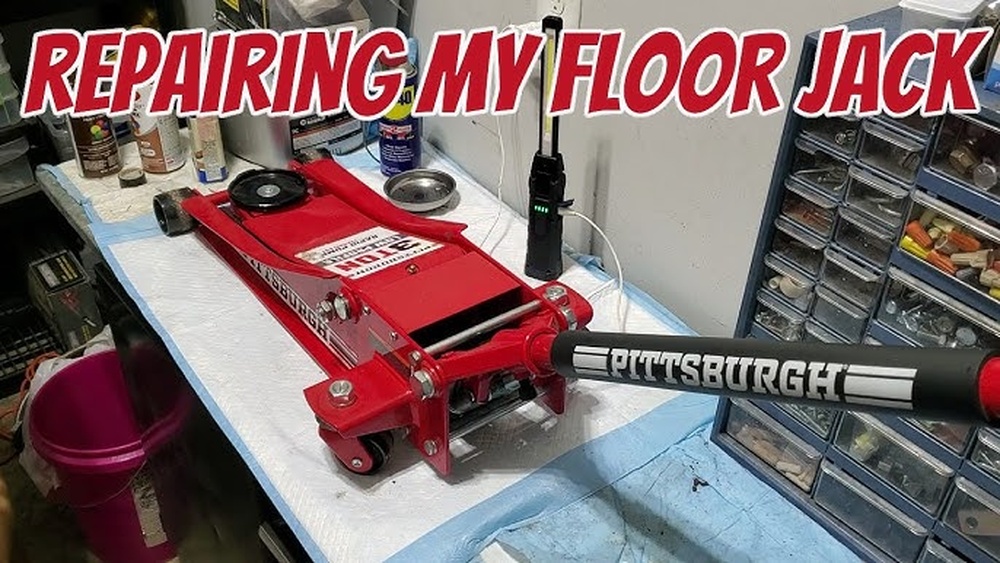
Your Harbor Freight floor jack is a handy tool, but what happens when it stops working? You might feel stuck, unsure if you need to buy a new one or fix the old.
The good news is, you can often repair your floor jack yourself. Imagine saving money and getting back to work quickly. This guide will walk you through simple steps to bring your floor jack back to life. Keep reading, and you’ll gain the confidence to handle the repair on your own.
Common Issues With Harbor Freight Floor Jacks
Harbor Freight floor jacks are popular for lifting vehicles safely and easily. Despite their usefulness, these jacks can face some common problems. Knowing these issues helps you fix the jack quickly and avoid delays during your work. Below are the most frequent problems users report with Harbor Freight floor jacks.
Hydraulic Fluid Leaks
Hydraulic fluid leaks reduce the jack’s lifting power. Leaks often happen near seals or hoses. Dirt and wear cause seals to break down over time. Check for wet spots or drips under the jack. Fix leaks by replacing damaged seals or hoses. Keep fluid levels correct to avoid damage.
Jack Not Lifting Properly
The jack might fail to lift or lift slowly. Air trapped inside the hydraulic system causes this. Release air by opening the release valve and pumping the handle. Worn or damaged parts inside the jack also lower its lifting ability. Regular maintenance helps keep lifting smooth and strong.
Handle Problems
Handle issues include loose or stuck handles. A loose handle makes it hard to pump the jack. Tighten bolts or replace worn parts to fix this. Stuck handles often result from dirt or rust. Clean and lubricate the handle joint to restore movement. Proper handle function is key for safe lifting.
Release Valve Malfunctions
The release valve controls lowering the jack. If it sticks, the jack won’t lower properly or may drop suddenly. Dirt or rust can block the valve. Clean the valve and use lubrication to improve movement. Replace the valve if it does not work after cleaning. Proper valve function ensures safe and controlled lowering.

Credit: www.hcrcnow.com
Tools Needed For Repairs
Repairing a Harbor Freight floor jack needs the right tools. Proper tools make the job easier and safer. Having these tools ready saves time and prevents frustration. Below are the main tools required for a smooth repair process.
Basic Hand Tools
Start with common hand tools. A set of wrenches and sockets is essential. Use screwdrivers with both flat and Phillips heads. Pliers help grip and twist small parts. A hammer may be needed for light taps. These tools fit most repair tasks on the jack.
Replacement Parts
Old parts often wear out or break. Keep spare seals, O-rings, and washers handy. A new hydraulic fluid refill is important. Some jacks may need a new release valve or pump piston. Using correct parts ensures the jack works well again.
Safety Equipment
Safety must come first. Wear gloves to protect your hands from sharp edges. Safety glasses keep dirt and fluid out of your eyes. Use a sturdy work mat to avoid slipping. Proper safety gear keeps the repair process safe and smooth.
Fixing Hydraulic Fluid Leaks
Fixing hydraulic fluid leaks is key to keeping your Harbor Freight floor jack working well. Leaks cause low fluid levels and weak lifting power. You can fix leaks by finding the problem spots, replacing worn parts, and refilling the fluid. This process saves money and extends the jack’s life.
Locating The Leak
Start by cleaning the jack to see where fluid comes out. Check around the cylinder, pump, and seals. Look for wet or oily spots. Use a flashlight to see hard-to-reach areas. Mark the exact leak points with a cloth or tape. This helps focus the repair on the right place.
Replacing Seals And O-rings
Worn seals and O-rings cause most hydraulic leaks. Remove the leaking parts carefully. Match new seals or O-rings by size and type. Use a small tool to avoid damaging the new parts. Lubricate the new seals lightly before installing. Tighten all connections firmly but do not over-tighten.
Refilling Hydraulic Fluid
After fixing leaks, refill the jack with clean hydraulic fluid. Use the fluid type recommended in the manual. Open the fill plug and pour slowly. Check the fluid level often to avoid overfilling. Close the plug tightly once done. Pump the jack a few times to remove air bubbles and test the lift.

Credit: www.youtube.com
Restoring Lifting Performance
Restoring the lifting performance of your Harbor Freight floor jack is essential for safe and efficient use. Over time, the jack may lose power due to trapped air, faulty valves, or lack of lubrication. Fixing these issues helps the jack lift smoothly and hold weight properly. Follow these steps to bring back its full strength.
Bleeding Air From The System
Air trapped inside the jack’s hydraulic system reduces lifting power. To remove air, open the release valve fully. Pump the handle several times to push air out. Close the valve tightly and test the jack’s lift. Repeat if the jack still feels weak. Removing air restores smooth lifting action.
Checking And Adjusting The Release Valve
The release valve controls pressure inside the jack. If it is loose or stuck, the jack cannot lift properly. Use a wrench to gently tighten the valve. Turn it slowly to find the right position. Avoid over-tightening, which can cause damage. Proper valve adjustment ensures the jack holds weight safely.
Lubricating Moving Parts
Moving parts need lubrication to work without friction. Apply lightweight oil to the handle pivot, wheels, and lifting arm joints. Wipe off any excess oil to prevent dirt buildup. Lubrication keeps parts moving smoothly and extends jack life. Regular oiling improves lifting performance and reduces wear.
Repairing Handle Issues
Repairing handle issues on a Harbor Freight floor jack is a common task. Handles can become loose or break due to regular use. Fixing these problems helps keep your jack safe and working well. This guide shows simple ways to repair handle issues quickly.
Tightening Loose Handles
Loose handles make it hard to control the jack. First, check the bolts and nuts around the handle. Use a wrench to tighten them firmly. Avoid overtightening, which can cause damage. Test the handle by moving it up and down. If it still feels loose, inspect the handle mount for wear. Replace any worn parts to keep the handle stable.
Replacing Broken Handles
Broken handles need full replacement for safety. Start by removing the old handle. Take off any bolts or pins holding it in place. Buy a new handle that matches your floor jack model. Insert the new handle into the mount. Secure it with bolts or pins tightly. Check that the handle moves smoothly and feels strong. Proper replacement ensures safe operation of your jack.

Credit: www.hcrcnow.com
Maintaining Your Floor Jack
Maintaining your Harbor Freight floor jack helps keep it safe and working well. Regular care stops small problems from becoming big repairs. It also makes your jack last longer. Follow simple steps to keep your floor jack ready for every use.
Regular Inspection Tips
Check your floor jack before each use. Look for oil leaks around the pump and hydraulic cylinder. Test the jack’s lifting and lowering action. Listen for unusual noises. Inspect the wheels and handle for damage. Tighten loose bolts and screws. Clean dirt and debris from moving parts. These checks prevent accidents and costly repairs.
Proper Storage Practices
Store your floor jack in a dry place to stop rust. Keep it on a flat surface away from heavy objects. Lower the jack fully before storing to reduce pressure on seals. Cover it with a cloth or tarp to avoid dust buildup. Avoid storing near chemicals or extreme heat. Good storage keeps your jack in good shape.
When To Seek Professional Help
Call a professional if the jack does not lift or hold weight. Seek help for hydraulic fluid leaks that you cannot fix. If the jack feels unstable or parts are broken, do not use it. Professionals can safely repair complex problems. Avoid risking injury by using a faulty jack.
Frequently Asked Questions
How Do I Fix A Leaking Harbor Freight Floor Jack?
To fix leaks, first identify the oil leak source. Replace worn seals and refill hydraulic fluid. Regular maintenance prevents leaks and ensures smooth operation.
Why Won’t My Harbor Freight Floor Jack Lift Properly?
Low hydraulic fluid or air in the system often causes lifting issues. Bleed the jack and refill fluid. Check for damaged seals or worn parts needing replacement.
How Can I Bleed Air From A Floor Jack?
Open the release valve and pump the handle several times. Close the valve and test lifting. This removes trapped air and restores proper hydraulic pressure.
What Maintenance Keeps A Harbor Freight Floor Jack Working?
Regularly check hydraulic fluid levels, clean moving parts, and inspect seals. Lubricate pivot points and store the jack in a dry place to prevent rust.
Conclusion
Repairing your Harbor Freight floor jack keeps it working well and safe. Regular checks help find small issues before they grow. Follow simple steps to fix leaks, replace parts, or pump air. Taking care of your jack saves money and time.
You gain confidence using tools that work properly. Keep your workspace safe and your projects smooth. A well-maintained jack makes lifting easier and safer. Stay patient and careful during repairs for best results. Your Harbor Freight floor jack will last longer with proper care.