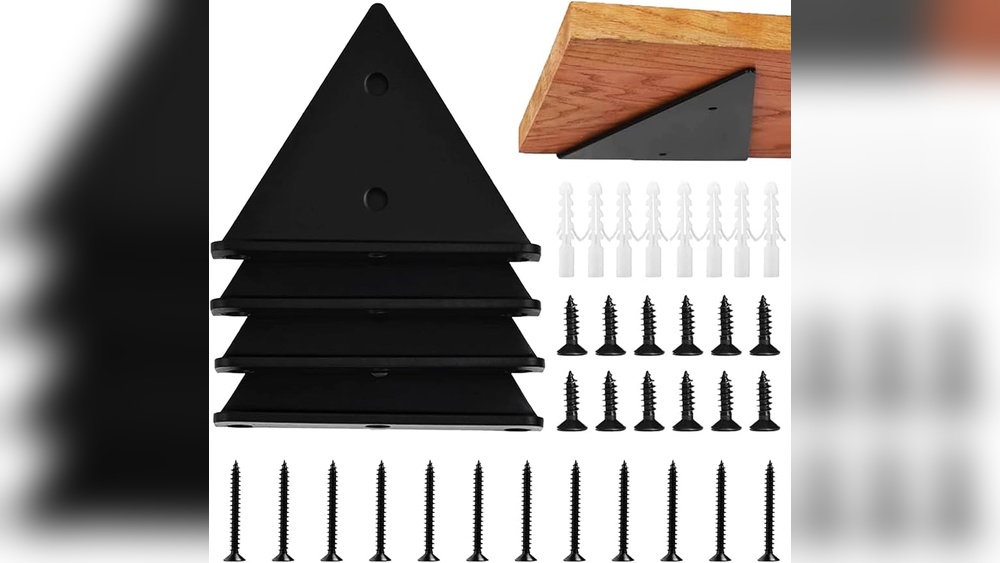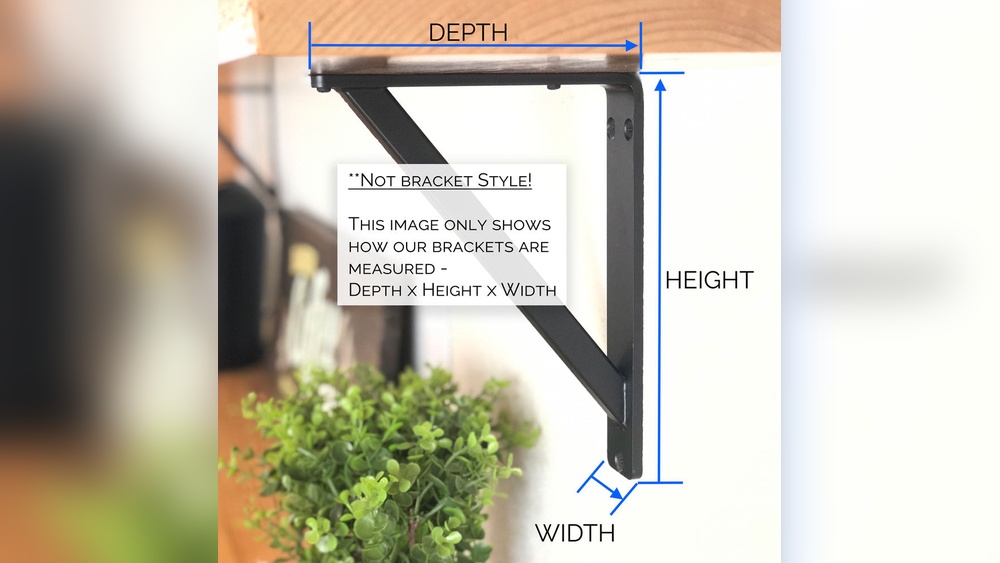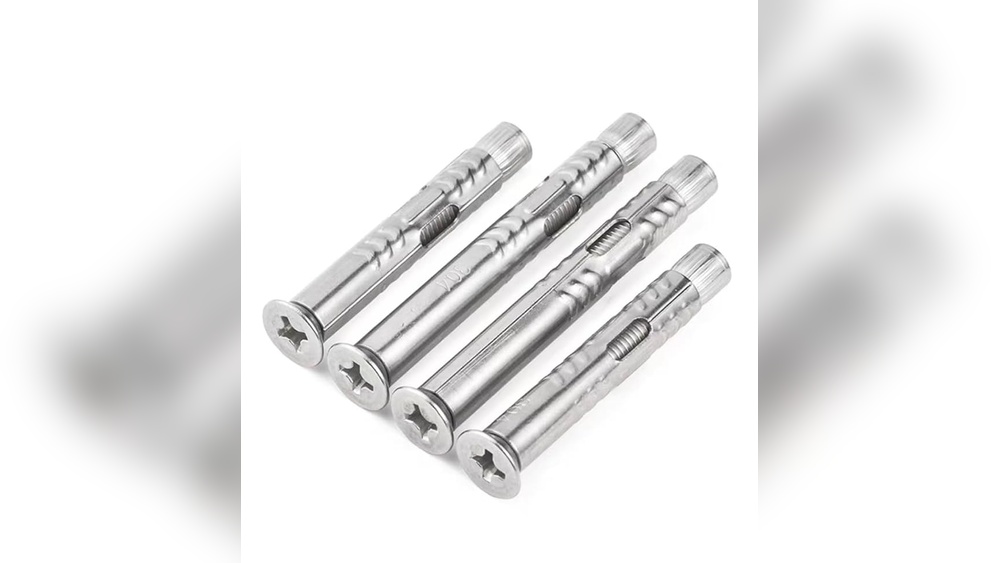
Are you struggling to find the right screw head size for your shelf bracket? Choosing the correct screw head is more important than you might think.
It affects how secure your shelf will be and how easy it is to install. You’ll discover the perfect screw head sizes that fit various shelf brackets. By the end, you’ll feel confident picking the right screws, making your shelf sturdy and safe.
Keep reading to avoid common mistakes and get your project done right the first time.
Choosing Screw Head Types
Choosing the right screw head type is important for shelf brackets. It affects how strong and neat the installation looks. Different screw heads fit different surfaces and tools. Picking the correct type helps the shelf stay stable and safe.
Flat Head Screws
Flat head screws sit flush with the surface. They have a cone shape that fits into countersunk holes. This makes the bracket look smooth and clean. Flat heads work well for wood shelves and hidden screws.
Pan Head Screws
Pan head screws have a slightly rounded top and flat bottom. They sit above the surface but not too high. These screws are easy to install and remove. They work well on metal or plastic brackets.
Round Head Screws
Round head screws have a domed top and wide surface area. They stand out from the surface more than pan heads. These screws provide good grip for manual screwing. They are good for thicker materials or rough surfaces.
Oval Head Screws
Oval head screws combine flat and rounded shapes. Their shape allows partial countersinking. They give a neat look with some height above the surface. Oval heads are useful for decorative brackets and light loads.
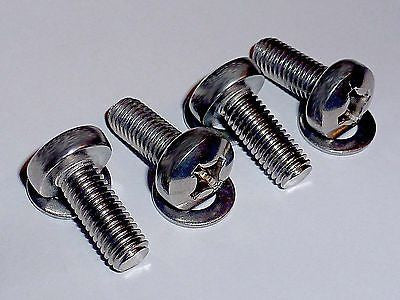
Credit: rtbolts.myshopify.com
Matching Screw Size To Bracket
Choosing the right screw size for your shelf bracket is important for strong support. The screw must fit the bracket holes and hold the weight safely. Matching screw size to bracket ensures stability and prevents damage.
Different brackets need different screw sizes. It is not just about the length but also the diameter and thread type. Each factor affects how well the bracket stays fixed to the wall or shelf.
Common Screw Diameters
Screw diameter is the thickness of the screw. Most shelf brackets use screws between 3mm and 6mm in diameter. Smaller brackets need thinner screws, while heavy-duty brackets require thicker screws. Using the right diameter prevents the screw from slipping or breaking.
Length Considerations
The screw length must match the wall type and bracket thickness. Too short screws won’t hold well. Too long screws may damage the wall or go through wires. Measure the bracket’s hole depth and wall material before choosing the length.
Thread Types For Wood And Metal
Screws have different threads for wood and metal. Wood screws have coarse threads to grip soft wood. Metal screws have fine threads to fit metal holes tightly. Pick the thread type based on the surface behind the bracket.
Material And Load Factors
Choosing the right screw head size depends on material and load factors. These factors affect the shelf’s safety and durability. Understanding them helps pick the best screws for your shelf brackets.
Shelf Weight Capacity
The weight your shelf holds matters most. Heavier shelves need larger screw heads for better grip. Small screws may bend or pull out under heavy loads. Always check the shelf’s maximum weight before selecting screws.
Bracket Material Compatibility
Bracket materials vary from metal to plastic. Metal brackets often require screws with wider, stronger heads. Plastic brackets may need smaller heads to avoid cracking. Match screw head size to the bracket’s material for a secure fit.
Wall Type Impact
Wall material affects screw choice too. Drywall needs anchors and larger screw heads for stability. Wood walls allow smaller heads but require deep threading. Concrete or brick walls demand special screws with wide heads for support.

Credit: www.lowes.com
Tools For Accurate Installation
Accurate installation of shelf brackets depends on using the right tools. Choosing proper tools helps ensure screws fit well and the shelf holds steady. It also prevents damage to walls and brackets during setup.
Screwdrivers And Drill Bits
Select screwdrivers that match the screw head size perfectly. Using the right size reduces slipping and strip marks on screws. For faster work, use drill bits that fit the screw diameter. Drill bits help create pilot holes to guide screws smoothly.
Measuring Devices
Measuring tools help place brackets evenly and at correct heights. A tape measure or ruler shows exact distances between brackets. A level ensures brackets are straight, preventing tilted shelves. Precise measurements lead to neat and balanced shelves.
Anchors And Wall Plugs
Anchors and wall plugs support screws in drywall or masonry. Choose anchors that fit the screw size and wall type. They hold screws tightly and prevent shelves from falling. Using the right anchors keeps the installation strong and safe.
Tips For Perfect Screw Fit
Getting the right screw fit for shelf brackets is key to a strong and safe shelf. A perfect fit means the screws hold the bracket tightly without damaging the wall or the bracket itself. This section offers useful tips to help you choose and use screws correctly.
Following these tips helps avoid common mistakes. It also ensures your shelf stays steady and secure over time. Learn how to prepare, install, and check screws for the best results.
Pre-drilling Techniques
Pre-drilling holes helps guide screws into the wall or wood. It stops the wood from splitting or cracking. Use a drill bit slightly smaller than the screw’s diameter. Drill straight holes to keep screws aligned. This step makes screwing easier and more precise.
Avoiding Over-tightening
Over-tightening screws can strip the hole or bend the bracket. Tighten screws just enough to hold the bracket firmly. Use a screwdriver or drill with torque control to avoid too much force. Stop when the bracket feels secure but not forced.
Ensuring Stability And Safety
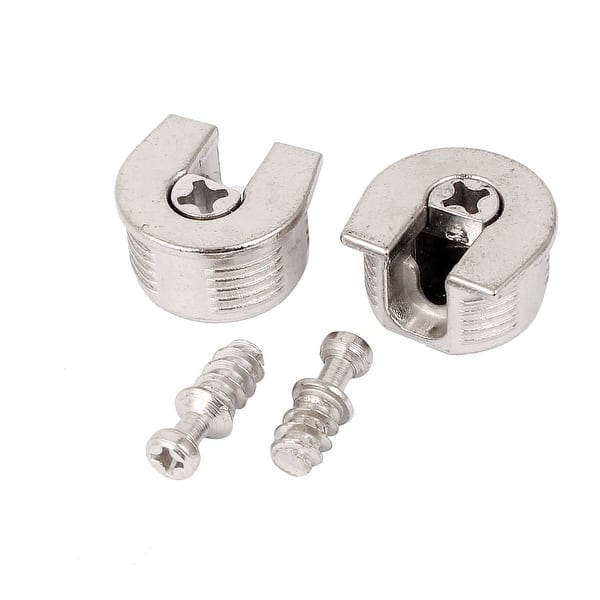
Check that screws fit flush with the bracket head. Screw heads too large or too small reduce strength. Choose screw heads that fit bracket holes snugly. Test the shelf by applying light pressure before full use. Proper screw fit keeps shelves stable and safe.
Credit: www.bedbathandbeyond.com
Frequently Asked Questions
What Size Screw Heads Fit Most Shelf Brackets?
Most shelf brackets use screw heads sized between 8 and 10. These sizes provide strong support and easy installation for typical wall materials.
How Do Screw Head Sizes Affect Shelf Bracket Stability?
Larger screw heads offer better grip and prevent pull-through. Choosing the right size ensures your shelf bracket stays firmly attached and supports weight safely.
Can I Use Different Screw Head Sizes For One Bracket?
Mixing screw head sizes is not recommended. Consistent screw size ensures even load distribution and maximizes bracket strength and shelf stability.
What Screw Head Type Works Best For Drywall Shelf Brackets?
Phillips or square drive screw heads sized 8 to 10 work best. These provide strong engagement and reduce slippage during installation on drywall.
Conclusion
Choosing the right screw head size keeps your shelf strong and safe. Small heads may slip or strip. Large heads fit better and hold tight. Match screw heads to bracket holes for best results. Proper screws stop wobbling and damage.
Remember, a secure shelf means peace of mind. Simple steps lead to sturdy shelves every time. Take care with screw sizes for lasting support.