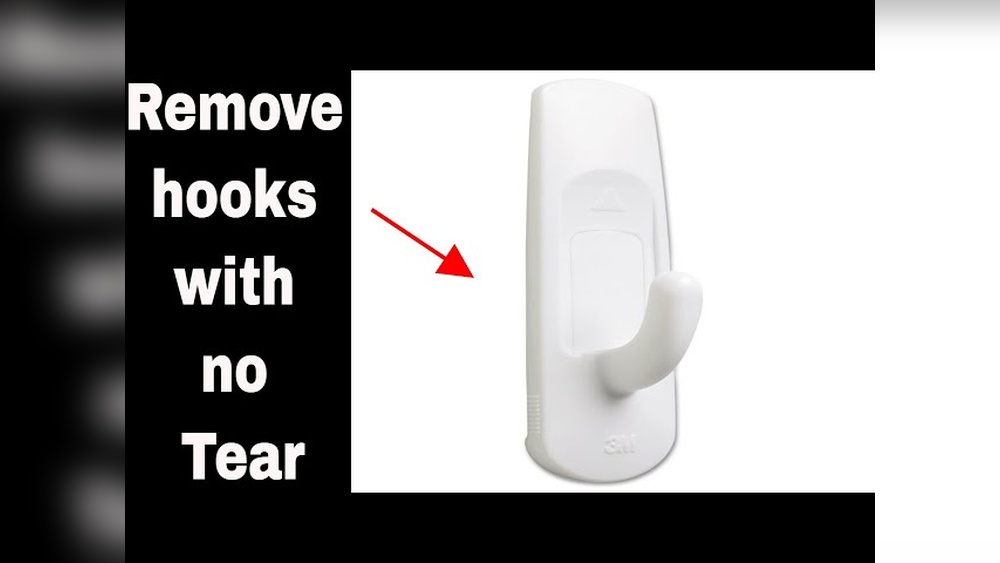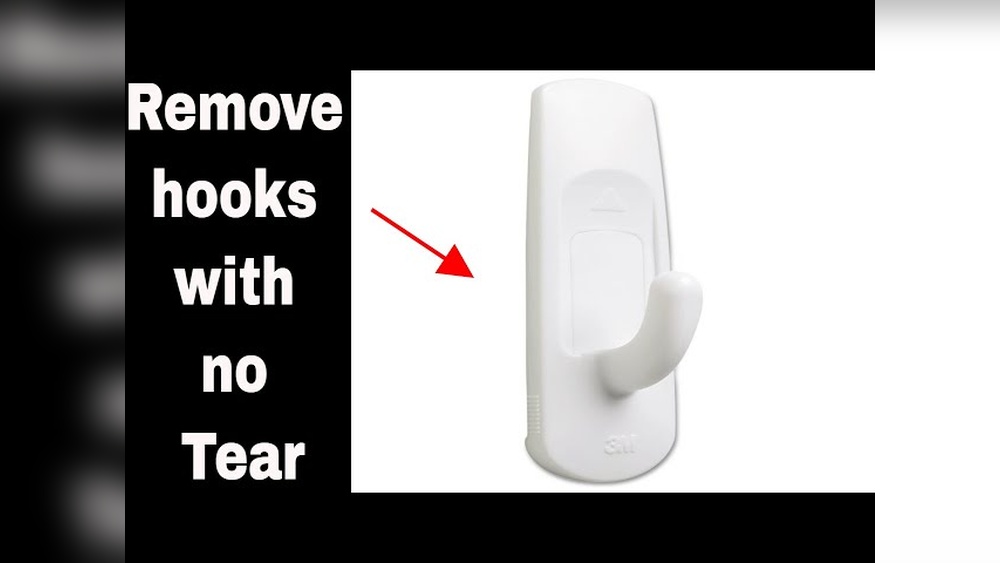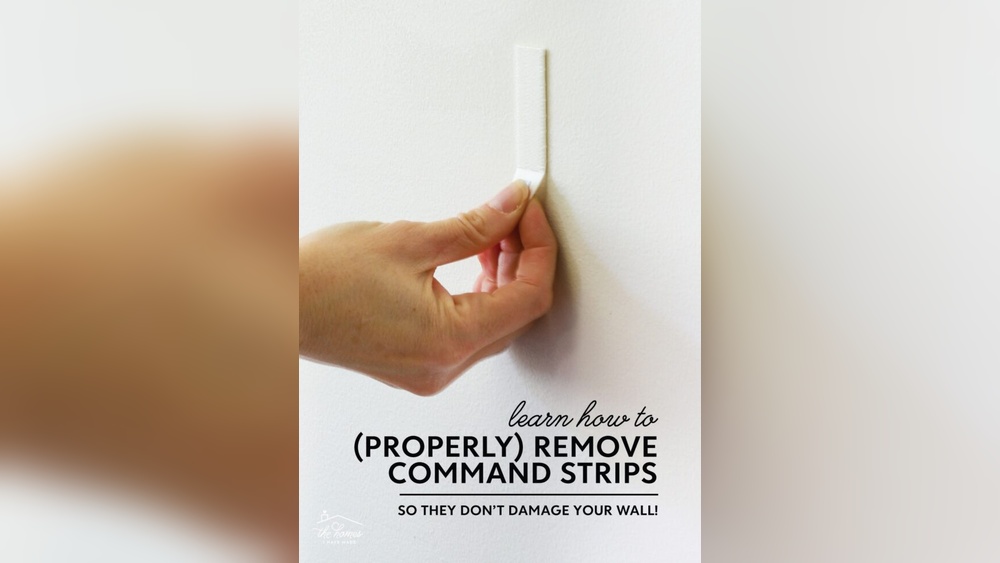
You’ve got those handy Command Hooks on your wall, but now it’s time to take them down without leaving a mark. It might seem tricky, but you don’t have to worry about damaging your paint or drywall.
If you want a simple, stress-free way to remove Command Hooks and keep your walls looking perfect, you’re in the right place. Keep reading, and you’ll learn the exact steps to get those hooks off cleanly and quickly.
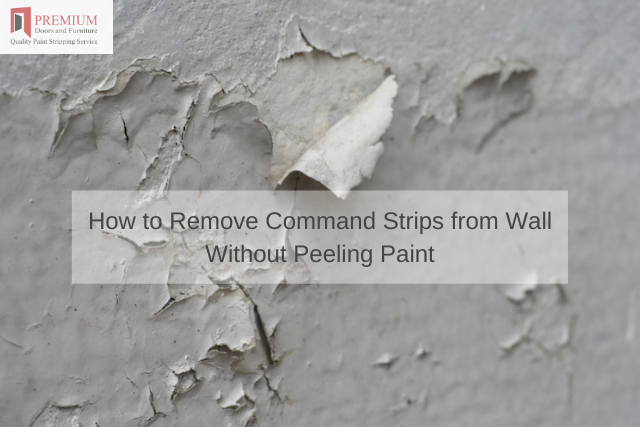
Credit: premiumdoorstripping.co.uk
Tools Needed
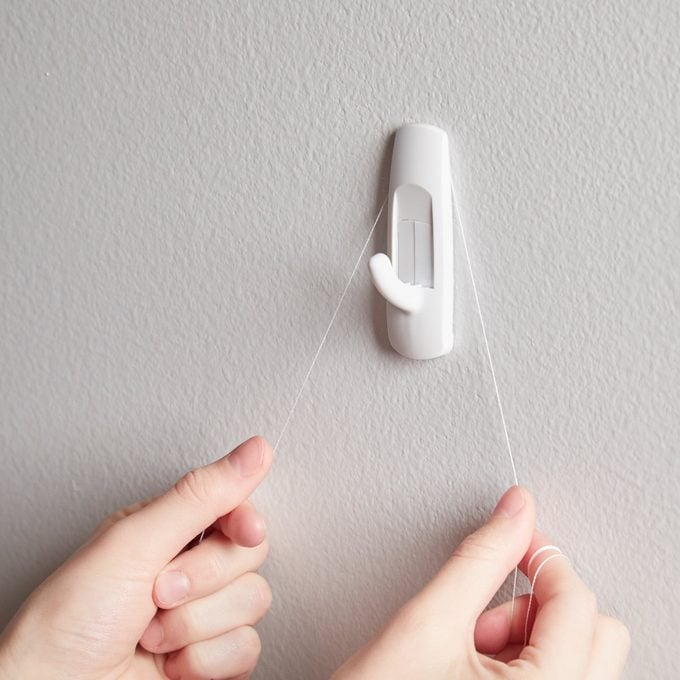
Removing a Command Hook from the wall needs a few simple tools. A hairdryer helps soften the adhesive. Use dental floss or fishing line to gently slide behind the hook. A clean cloth is handy for wiping any leftover residue.
Introduction To Tools Needed
Removing a Command Hook from the wall is simple with the right tools. Having the correct items makes the job easier and protects your wall from damage. Gather everything before you start.
Stretching The Command Strip
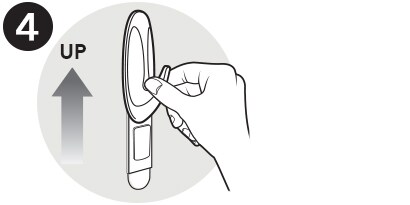
Stretching the adhesive strip slowly helps release it. Use your hands to pull the strip straight down, not outward. This tool-free method works best and avoids marks.
Hair Dryer
A hair dryer softens the adhesive. Warm air makes the strip easier to stretch and remove. Set it on low heat and hold it close to the strip for a few seconds.
Plastic Card
A plastic card like a credit card helps to lift edges gently. Slide it under the hook base without scratching the wall. It loosens the hook before pulling the strip.
Soft Cloth
A soft cloth cleans the wall after removal. Wipe off any leftover sticky residue or dirt. Use a damp cloth and mild soap for best results.
Preparing The Area
Clear the wall surface by removing dust and dirt. Dry the area fully to help the hook come off easily. Prepare a soft cloth nearby for cleaning after removal.
Clear The Surrounding Wall Space
Start by removing any items near the Command Hook. Clear pictures, decorations, or furniture close to the hook. This gives you room to work and prevents damage to nearby objects.
Clean The Wall Surface
Wipe the area around the hook with a damp cloth. Remove dust, dirt, and grease. A clean surface helps the adhesive release more easily and avoids wall stains.
Gather Necessary Tools
Prepare simple tools like a hairdryer, dental floss, and a plastic card. These items help loosen the adhesive and safely remove the hook. Having tools ready speeds up the process.
Protect The Floor And Furniture
Place a soft cloth or towel below the hook. This catches any falling debris or small parts. It also protects your floor and furniture from scratches during removal.
Removing Command Hooks Safely
Removing Command hooks safely protects your walls from damage. These hooks use special adhesive strips. Pulling them off wrong can peel paint or leave marks. Follow simple steps to avoid wall damage and keep your space neat.
Pulling The Adhesive Strip
Hold the hook gently. Pull the adhesive strip straight down. Do not pull toward you or sideways. Stretch the strip slowly. Keep pulling until the strip releases from the wall. This method avoids damage and removes the hook cleanly.
Using Heat For Stubborn Hooks
Use a hairdryer to warm the adhesive. Heat softens the glue. Hold the dryer a few inches away. Warm the strip for about 30 seconds. Then try pulling the strip again. This helps remove hooks stuck tightly without hurting the wall.
Credit: www.commandbrand.com.au
Dealing With Residue
Removing Command Hooks often leaves sticky residue on your wall. This sticky layer can attract dust and dirt, making your wall look messy. Cleaning this residue properly keeps your wall smooth and clean. Use gentle methods to avoid damage to paint or wallpaper. The goal is to remove all adhesive bits without leaving marks or stains behind.
Cleaning Adhesive Remnants
Start by rubbing the residue gently with your fingers. Use a soft cloth to avoid scratching the surface. Warm soapy water can help soften the sticky glue. Dab the area with a cloth dipped in soapy water. Wipe gently until the residue loosens. Avoid scrubbing hard to protect your wall’s finish. Repeat the process if needed for tough spots.
Safe Products To Use
Try using mild household items like rubbing alcohol or vinegar. Apply a small amount on a cloth and test it on a hidden spot first. This ensures no damage or discoloration occurs. Commercial adhesive removers can work but choose those labeled safe for walls. Avoid harsh chemicals and abrasive cleaners. They can harm paint or wallpaper. Use products sparingly and always follow instructions carefully.
Repairing Wall Marks
Removing Command hooks can leave marks or small holes on your wall. These imperfections make the wall look less clean and neat. Repairing these marks quickly helps keep your wall smooth and fresh.
Small repairs do not need many tools or skills. With simple steps, you can fix the wall and make it look like new again.
Touch-up Tips
Start by cleaning the area around the mark with a soft cloth. Use a mild soap and water solution to remove dirt.
Fill small holes with spackling paste using a putty knife. Let the paste dry completely before sanding it smooth.
Use fine-grit sandpaper to gently smooth the surface. Wipe away dust with a dry cloth.
Match the wall paint color and apply a thin layer over the repaired spot. Use a small brush or sponge for even coverage.
Allow the paint to dry fully and apply a second coat if needed. This helps blend the repair with the rest of the wall.
Preventing Future Damage
Choose the right Command hook size for the item’s weight. Hooks that are too small can cause more wall damage.
Clean the wall surface before applying a new hook. Dust and oils reduce the hook’s hold.
Press firmly on the hook for the recommended time to ensure strong adhesion.
Remove hooks slowly and gently by pulling the tab straight down. Avoid pulling at an angle to prevent wall damage.
Consider using wall-friendly hooks designed for delicate surfaces. These reduce the chance of marks and holes.
Alternatives To Command Hooks
Command hooks are popular for hanging items without nails. But sometimes, you need other options. Some walls don’t work well with Command hooks. Others might need stronger support. Knowing alternatives helps you protect your walls and keep things tidy.
Damage-free Hanging Options
Try adhesive strips made for different surfaces. They hold lightweight items and peel off cleanly. Magnetic hooks work on metal surfaces without marks. Suction cup hooks stick to smooth, non-porous walls. They hold small items but lose grip if wet. Putty or removable glue works for posters and light decor. These options keep walls safe and look neat.
Choosing The Right Hook For Your Wall
Know your wall type before picking hooks. Drywall needs gentle options like adhesive strips. Brick or concrete walls require heavy-duty hooks or anchors. Painted walls need hooks that won’t peel paint. Glass and tile work best with suction cups. Match hook strength to the item’s weight. This stops damage and keeps things secure.
Credit: www.familyhandyman.com
Frequently Asked Questions
How Do I Remove A Command Hook Without Damaging The Wall?
Slowly pull the Command hook’s tab straight down, not outward. This stretches the adhesive and releases it cleanly. Avoid pulling too fast to prevent wall damage.
Can I Reuse A Command Hook After Removal?
No, Command hooks are designed for one-time use. The adhesive loses strength after removal, so reuse is not recommended for secure hanging.
What Tools Help Remove Command Hooks Easily?
Usually, no tools are needed. Use your hands to pull the adhesive tab. For stubborn hooks, gently use a hairdryer to warm the adhesive for easier removal.
How To Remove Sticky Residue Left By Command Hooks?
Use rubbing alcohol or adhesive remover on a soft cloth. Gently rub the residue until it dissolves. Avoid harsh scrubbing to prevent wall damage.
Conclusion
Removing Command Hooks from walls is easy with the right steps. Pull the tab slowly straight down to avoid damage. Take your time and be gentle with the wall. This method keeps your paint and surface safe. Now you can reuse your hooks or move them elsewhere.
Simple and quick—no mess or fuss. Try this approach next time you want to cleanly remove a Command Hook. You’ll save time and keep your walls looking good.