
If you own a 3 ton floor jack, keeping it in top shape is essential for your safety and efficiency. Servicing your floor jack might sound tricky, but it’s easier than you think.
In this guide, you’ll learn simple steps to maintain and service your jack so it works smoothly every time you need it. Don’t wait for problems to stop your work—take control and extend the life of your floor jack with these easy tips.
Ready to make your floor jack last longer and perform better? Let’s dive in.
Choosing The Right Tools
Choosing the right tools is key to servicing a 3 ton floor jack properly. Using the correct equipment makes the task easier and safer. The right tools help you avoid damage and complete the job faster. Below are the main tools and safety gear you need.
Essential Equipment
A good set of wrenches is necessary. You will also need screwdrivers, pliers, and a clean cloth. Hydraulic fluid specific for your jack model is important. A small funnel helps in pouring the fluid without spills. A pressure gauge can check the jack’s lifting power. Have a container ready to catch old hydraulic fluid during changes.
Safety Gear
Wear safety glasses to protect your eyes from fluid splashes. Gloves keep your hands clean and safe from sharp edges. Use sturdy shoes to protect your feet. Work in a well-lit area to see all parts clearly. Keep a fire extinguisher nearby in case of emergencies. Safety first avoids accidents and injuries.

Credit: www.walmart.com
Preparing The Floor Jack
Preparing your 3 ton floor jack is the first step to effective servicing. Proper preparation ensures the jack works safely and lasts longer. Start by making the jack clean and checking it carefully for any damage. These steps help you spot problems early and keep your jack in good shape.
Cleaning The Jack
Use a clean cloth to wipe off dust and dirt from the jack. Remove grease buildup and grime from all surfaces. Pay close attention to the wheels and lifting arm. Dirt can cause the jack to work poorly or break. Avoid using water directly on the jack to stop rust. Use a mild cleaner if needed and dry the jack well.
Inspecting For Damage
Look over the jack for cracks, bends, or rust spots. Check the hydraulic cylinder for leaks or dents. Test the wheels for smooth movement and no cracks. Inspect the handle and release valve for smooth operation. Any damage can make the jack unsafe. Replace or repair parts before using the jack again.
Checking Hydraulic Fluid
Checking the hydraulic fluid is key to keeping a 3 ton floor jack working well. This fluid helps the jack lift heavy loads smoothly and safely. Without enough fluid, the jack may not rise or hold weight properly. Clean and full hydraulic fluid means better performance and longer jack life.
Regularly checking the fluid prevents damage and costly repairs. The process is simple and takes little time. Follow these steps to check and refill the hydraulic fluid correctly.
Locating The Fluid Reservoir
The fluid reservoir holds the hydraulic fluid inside the jack. Find it before starting the check. Usually, it sits near the base or side of the jack. Look for a small plug or cap on the reservoir.
Clean around the cap to avoid dirt entering the system. Use a cloth to wipe off dust. Unscrew the cap carefully to open the reservoir. Be ready to check the fluid level once open.
Refilling And Replacing Fluid
Check the fluid level inside the reservoir. It should be near the top but not overflowing. If the fluid looks low or dirty, it needs replacing. Use a hydraulic jack oil or the fluid recommended in the manual.
Pour the fluid slowly to avoid spills. Fill to the correct level and replace the cap tightly. Test the jack by pumping it a few times. Watch for smooth lifting and no leaks. Proper fluid keeps the jack safe and strong.
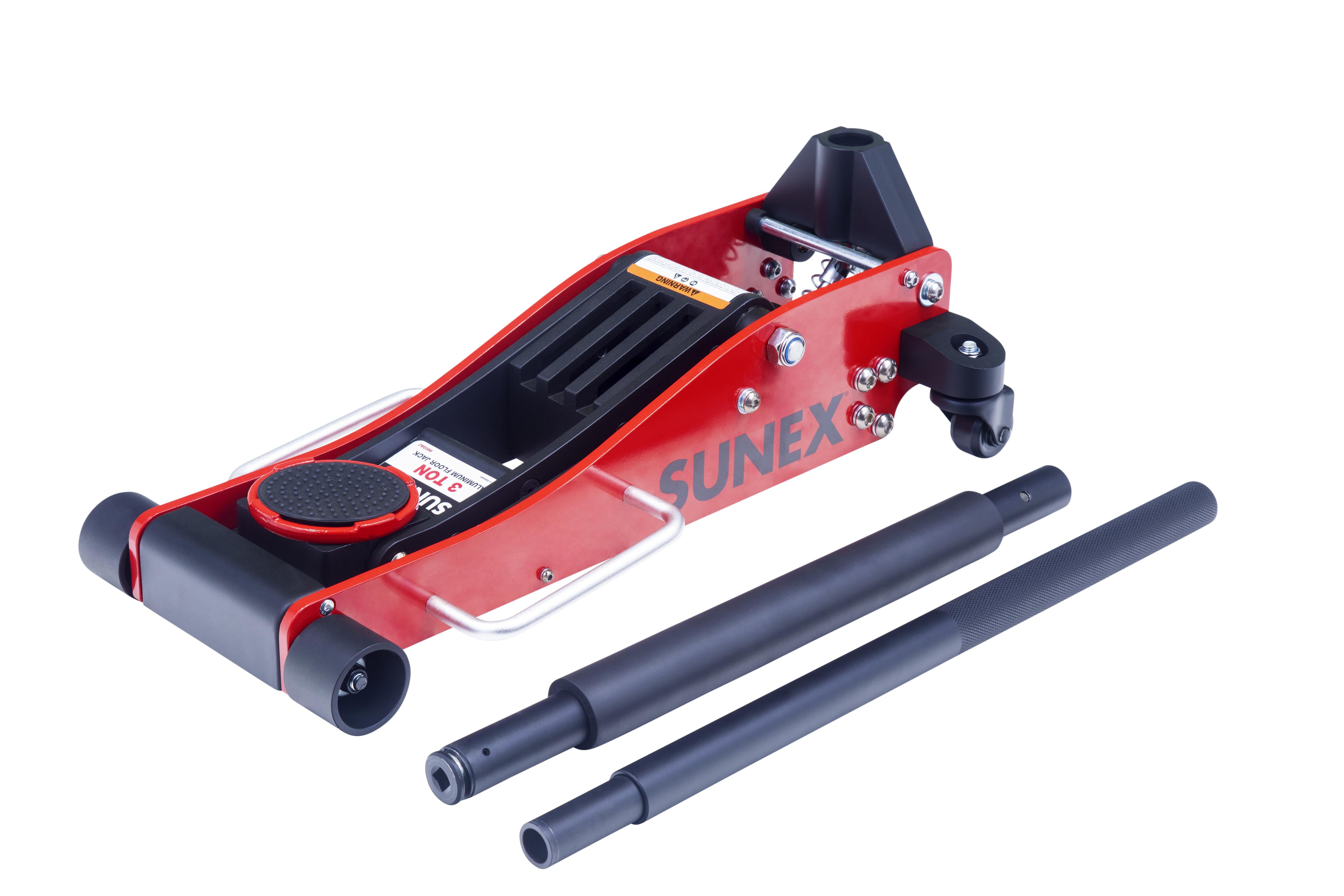
Credit: sunextools.com
Lubricating Moving Parts
Lubricating moving parts keeps your 3 ton floor jack working smoothly. It reduces friction and stops parts from wearing out quickly. Proper lubrication helps the jack lift heavy loads safely and last longer.
Identifying Key Components
Focus on parts that move or rub against each other. These include the lifting arm, wheels, and pivot points. The release valve and pump piston also need lubrication. Clean these areas before applying any lubricant.
Best Lubricants To Use
Use grease or light machine oil for most parts. Grease stays in place and protects well. Oil works best for small moving joints. Avoid thick or sticky substances that attract dirt. Choose lubricants that resist water and prevent rust.
Testing The Jack
Testing the jack is a crucial step after servicing your 3 ton floor jack. It ensures the jack works safely and properly. This step helps avoid accidents and equipment damage. Follow these simple checks and tests before using the jack again.
Safety Checks
Start by inspecting the jack for any visible damage. Look for cracks, leaks, or bent parts. Check the hydraulic fluid level and refill if low. Make sure the release valve is tight and works smoothly. Test the wheels and handle for firm movement. Confirm the jack stands steady on a flat surface. Wear gloves and safety glasses to protect yourself.
Load Testing Procedures
Place the jack under a secure, heavy object close to its 3 ton limit. Pump the handle slowly and lift the load a few inches. Listen for unusual noises or signs of strain. Hold the load lifted for a minute to check stability. Slowly lower the load and watch for smooth movement. Repeat this test twice to ensure consistent performance. Never overload the jack beyond its capacity during testing.

Credit: bona-store.com
Common Issues And Fixes
Servicing a 3 ton floor jack helps keep it safe and working well. Some common problems can slow down your work or stop the jack from lifting. Knowing these issues and how to fix them saves time and money. Below are two frequent problems with easy solutions.
Hydraulic Leaks
Hydraulic leaks are a major issue with floor jacks. Oil can drip from seals or hoses. This causes the jack to lose pressure and fail to lift heavy loads.
Check all seals and hoses for cracks or damage. Replace any worn parts immediately. Clean the area around leaks to spot new ones fast. Refill the hydraulic oil to the right level after repairs.
Slow Lifting Or Dropping
Slow lifting or dropping means the jack is not moving smoothly. Dirt or old oil inside the hydraulic system often causes this. Air trapped in the system can also slow the jack.
Bleed the jack to remove trapped air. Use clean hydraulic oil to flush the system. Lubricate all moving parts and check for blockages. Regular maintenance keeps lifting and dropping smooth and fast.
Storage And Maintenance Tips
Proper storage and regular maintenance keep a 3 ton floor jack working well. These tips help avoid damage and extend the jack’s life. A well-kept jack is safer and more reliable for lifting tasks.
Proper Storage Practices
Store the floor jack in a dry place to stop rust. Avoid damp areas or places with extreme temperatures. Keep the jack lowered to release pressure from its parts.
Clean the jack before storing. Wipe off dirt, grease, and moisture. Use a cloth and mild cleaner. Cover the jack with a cloth or plastic sheet to keep dust away.
Regular Maintenance Schedule
Check the jack’s oil level every month. Use the type of oil the manufacturer suggests. Fill oil if it runs low to avoid damage.
Inspect for leaks, cracks, or worn parts. Replace or fix damaged pieces fast. Lubricate moving parts with light oil to reduce friction.
Test the jack’s lifting and lowering action regularly. Make sure it moves smoothly without sticking. Tighten loose bolts and nuts to keep it safe.
Frequently Asked Questions
How Often Should I Service A 3 Ton Floor Jack?
You should service your 3 ton floor jack every 6 months. Regular maintenance ensures safety and optimal performance. Check for leaks, clean parts, and lubricate moving components during each service.
What Tools Are Needed To Service A Floor Jack?
Basic tools include a wrench set, screwdrivers, hydraulic fluid, and cleaning cloths. These tools help you open, clean, and lubricate the jack properly to maintain functionality and safety.
How Do I Check Hydraulic Fluid In A 3 Ton Floor Jack?
Locate the fluid reservoir and remove the fill plug. Check the fluid level and top off if low. Use the manufacturer-recommended hydraulic fluid for best results.
Can I Service My Floor Jack Without Professional Help?
Yes, servicing a floor jack is possible with proper tools and instructions. Follow safety guidelines and the manufacturer’s manual to avoid damage or injury during maintenance.
Conclusion
Servicing a 3 ton floor jack keeps it working safely and smoothly. Regular checks stop problems before they start. Clean and oil parts often for best results. Tighten bolts and check the hydraulic fluid level. This simple care helps your jack last longer.
Stay safe by following these easy steps. Your floor jack will lift with confidence every time. Trust the process. Keep your tools ready for the job.


