Are you planning to hang a shelf but unsure what size bracket to use? Choosing the right bracket size is key to keeping your shelf secure and looking great.
If you pick brackets that are too small, your shelf might sag or even fall. Too large, and they could look awkward or take up too much space. In this post, you’ll discover exactly how to pick the perfect bracket size for your shelf, ensuring it holds your items safely and fits perfectly in your room.
Keep reading to get the simple tips that will save you time, money, and frustration.
Choosing The Right Bracket Size
Choosing the right bracket size is key for a strong and safe shelf. The bracket supports the weight and keeps the shelf steady. Picking the wrong size can cause the shelf to tilt or fall. Understanding how to select the proper bracket size helps you avoid damage and accidents. Let’s explore the main points to consider.
Factors Influencing Bracket Size
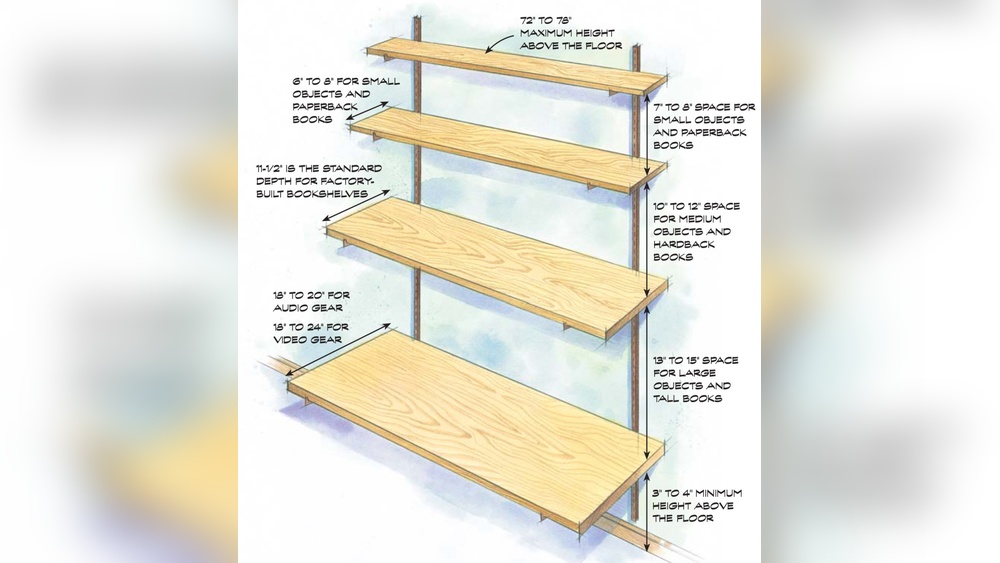
The shelf length is a major factor. Longer shelves need bigger brackets for better support. Shelf weight also matters. Heavier items require brackets with a higher weight limit. Wall type affects bracket choice too. Drywall may need special anchors or brackets with extra strength. The shelf’s depth influences bracket size as well. Deep shelves need longer brackets to hold the load safely. Consider the design style. Some brackets add a decorative touch while serving their purpose.
Common Bracket Sizes Explained
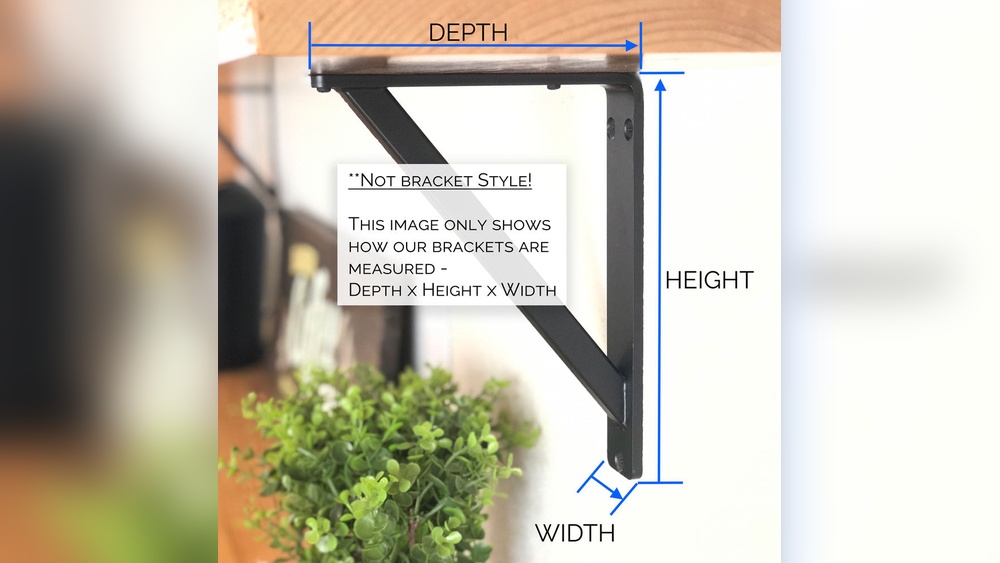
Standard bracket sizes range from 6 to 14 inches in length. Small shelves often use 6 or 8-inch brackets. Medium shelves work well with 10 to 12-inch brackets. Large or heavy shelves need 14-inch or longer brackets. The bracket length should be about two-thirds the depth of the shelf. Bracket width and thickness vary too. Thicker brackets hold more weight and last longer. Choose brackets with a weight rating that matches your shelf load.

Credit: www.ultrashelf.com
Shelf Weight And Load Capacity
Choosing the right bracket size depends on how much weight your shelf will hold. Every shelf has a weight limit based on its material and size. The brackets must support this load safely. Understanding shelf weight and load capacity helps prevent accidents and damage.
Calculating Shelf Weight
Start by weighing the shelf material. Wood, glass, or metal each has a different weight. Next, add the estimated weight of items you plan to place on the shelf. Books, decorations, and tools all add to the total load. Use a scale or check product details for weight. Write down the combined weight for accuracy. This total is the shelf weight you need to support.
Matching Bracket Strength To Load
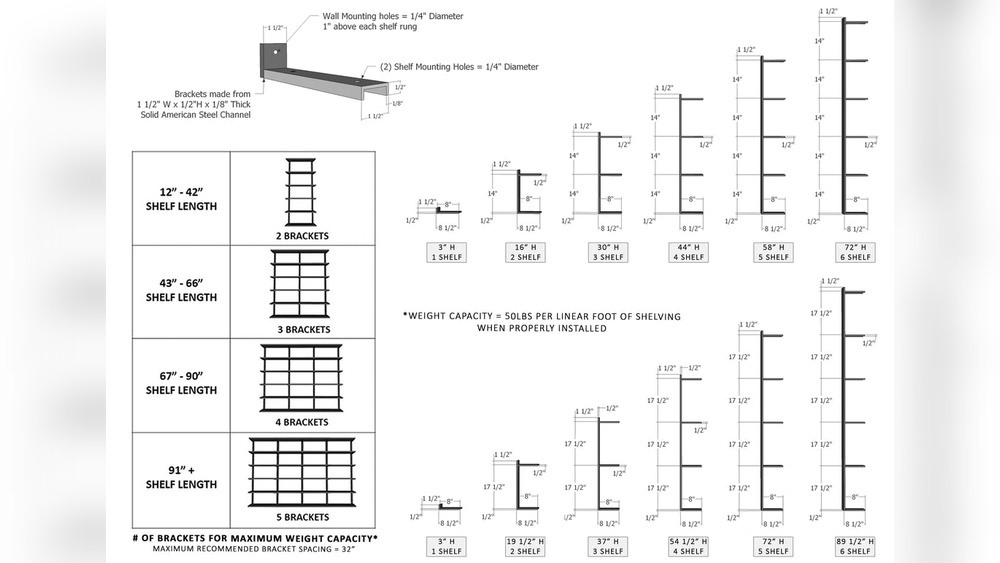
Check the load capacity of the brackets before buying. Brackets come with weight limits listed in product details. Choose brackets rated higher than your total shelf weight. A safety margin prevents bracket failure over time. Larger brackets usually hold more weight and offer better support. Ensure the wall type can hold the bracket load too. Secure installation with proper anchors is key for safety.
Material Types And Bracket Compatibility
Choosing the right bracket size depends on the shelf material. Different materials need different types of support. The bracket must hold the shelf firmly and safely. Using the wrong bracket can cause damage or accidents.
Consider the weight and strength of the shelf material. Brackets must match the shelf type for best results. Let’s look at how to pick brackets for wood, glass, and metal shelves.
Wood Shelves
Wood shelves are strong and heavy. Use sturdy brackets made from metal or thick steel. The bracket size should be at least two-thirds the depth of the shelf. This support prevents bending and keeps the shelf steady. Wood screws work well to attach brackets securely.
Glass Shelves
Glass shelves are fragile and need gentle support. Use brackets with rubber padding or soft grips. Small metal or chrome brackets work best. The bracket should be smaller than the shelf depth to avoid stress points. Avoid heavy or large brackets that can crack the glass.
Metal Shelves
Metal shelves are durable but can be heavy. Use strong steel brackets with wide surfaces. The bracket size should match the shelf depth for balance. Metal brackets with multiple screw holes add extra strength. Make sure the screws fit well into the shelf frame.
Bracket Styles And Their Uses
Choosing the right bracket style is key for a strong, stable shelf. Different brackets suit different needs. Some offer simple support, while others hide the hardware. Knowing each style helps you pick the best one for your shelf.
L-brackets
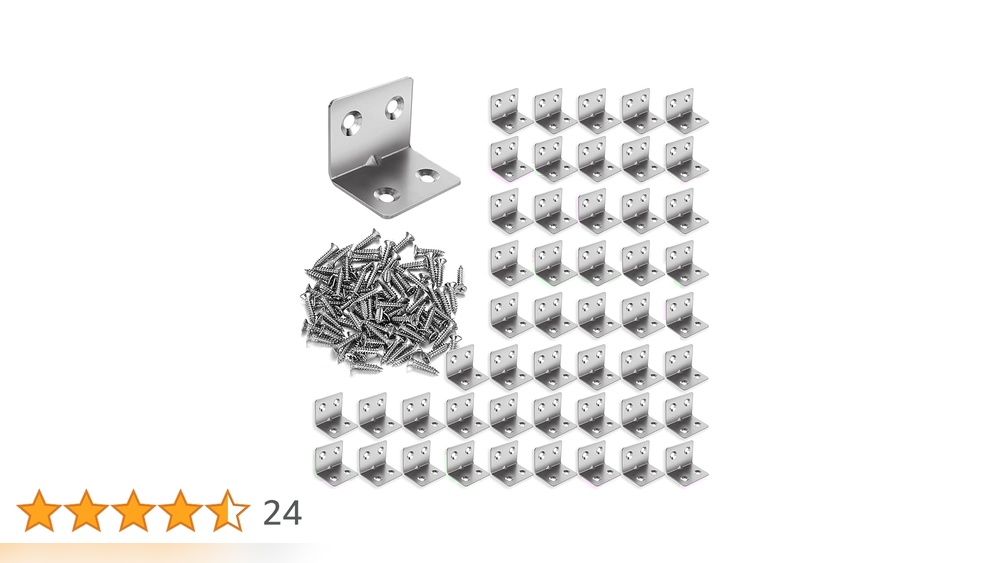
L-brackets are the most common type. They have a simple right-angle shape. These brackets provide strong support for light to medium shelves. Easy to install on walls and shelves. They work well for books, decor, and small plants.
Floating Brackets
Floating brackets hide under the shelf for a clean look. They attach inside the shelf and to the wall. This style creates a modern, sleek appearance. Floating brackets support medium-weight shelves well. Ideal for minimalist rooms or small spaces.
Heavy-duty Brackets
Heavy-duty brackets are thick and strong. Made from steel or heavy metal. They hold heavy shelves loaded with tools or large items. Perfect for garages, workshops, or kitchens. These brackets ensure safety and stability for heavy loads.
Installation Tips For Secure Shelving
Installing shelves is easy when you know the right steps. Secure shelves hold weight and last longer. Choosing the correct bracket size matters a lot. Proper installation keeps your shelf safe and stable. Follow these tips for strong and steady shelving.
Wall Type Considerations
Different walls need different mounting methods. Drywall alone cannot hold heavy shelves. Use studs in wooden walls for best support. Concrete or brick walls require special anchors. Check your wall type before picking brackets.
Proper Anchoring Techniques
Anchors make brackets hold tightly to walls. Use toggle bolts for drywall without studs. Masonry anchors work well for brick or concrete. Always drill pilot holes to avoid wall damage. Tighten screws firmly but do not overdo it. Proper anchoring keeps your shelf from falling.

Credit: www.amazon.com
Common Mistakes To Avoid
Choosing the right size bracket is key for a strong and safe shelf. Many people make simple mistakes that lead to weak shelves or wall damage. Avoiding these errors saves time and money. Here are common mistakes to watch out for.
Using Undersized Brackets
Small brackets may look neat but often cannot hold heavy shelves. They bend or break under weight, risking your items and wall. Pick brackets that fit the shelf size and weight. Always check the weight rating before buying.
Brackets too small for the shelf cause uneven support. This leads to wobbling and damage. Use brackets that cover enough shelf length to spread the load evenly.
Ignoring Wall Strength
Not all walls hold shelves the same way. Drywall alone is weak and needs anchors or studs for support. Hanging heavy shelves on weak walls causes them to fall.
Find studs or use strong wall anchors to secure brackets firmly. Ignoring wall strength risks injury and repair costs. Test the wall before installation to ensure safety.

Credit: www.amazon.com
Frequently Asked Questions
What Size Bracket Is Best For Heavy Shelves?
For heavy shelves, use brackets at least 8 to 12 inches long. Longer brackets provide more support and prevent sagging. Choose brackets made of strong materials like steel to handle the weight safely.
How To Measure Bracket Size For Shelf Depth?
Measure your shelf’s depth first. Choose a bracket length that matches or slightly exceeds this depth for proper support. This ensures the bracket fully supports the shelf and evenly distributes weight.
Can Small Brackets Hold Large Shelves Safely?
Small brackets can hold light shelves but risk bending with larger loads. For large shelves, use longer, sturdier brackets to ensure safety and prevent shelf damage or accidents.
What Bracket Size Suits Floating Shelves?
Floating shelves usually require brackets 6 to 10 inches long. This length provides enough hidden support to keep the shelf secure and stable without visible hardware.
Conclusion
Choosing the right bracket size keeps your shelf steady and safe. Match the bracket length to the shelf depth for best support. Strong brackets hold heavier items without bending or falling. Use sturdy materials like metal for lasting strength. Properly sized brackets make your shelf look neat and balanced.
Small mistakes can cause shelves to wobble or break. Take time to measure before buying brackets. A well-hung shelf adds style and function to any room. Simple steps lead to a strong, reliable shelf setup.