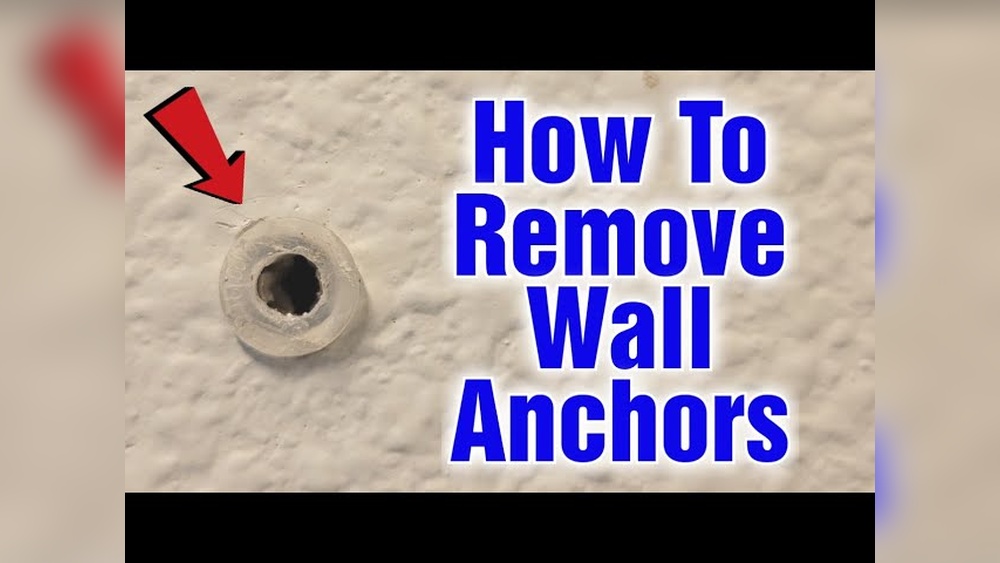
Have you ever tried to remove a plastic screw anchor from your wall and ended up frustrated? Those little anchors can be tricky to get out, leaving holes or even damaging your wall if you’re not careful.
But don’t worry—removing them doesn’t have to be a struggle. You’ll discover simple, effective methods to get plastic screw anchors out cleanly and safely. Keep reading, and you’ll save time, avoid unnecessary damage, and feel confident tackling this common home repair challenge yourself.
Reasons To Remove Plastic Anchors
Plastic screw anchors help hold items on walls firmly. Sometimes, removing these anchors is necessary. Knowing why to remove them helps avoid bigger problems. Removing anchors can protect your wall, allow repairs, or prepare for new anchors. Each reason matters for keeping walls strong and safe.
Damage Prevention
Old or loose anchors can harm your wall. They may crack or crumble the drywall. Removing them stops further damage. It also prevents holes from getting bigger. Taking anchors out carefully saves your wall’s surface. It keeps your room looking neat and clean.
Wall Repairs
Removing anchors is key before fixing walls. Patching holes is easier without anchors inside. Clean walls help paint and plaster stick better. Removing anchors ensures a smooth, even surface. This step leads to a stronger, better repair. It makes your wall look new again.
Anchor Replacement
Sometimes, old anchors fail to hold weight. Removing them allows new, stronger anchors to go in. New anchors fit tighter and hold items safely. This prevents shelves or pictures from falling. Removing anchors properly prepares your wall for new support. It keeps your belongings secure and stable.
Credit: diy.stackexchange.com
Tools Needed For Removal
Removing plastic screw anchors from walls requires the right tools. Using proper tools makes the job easier and prevents wall damage. Some tools are common in many homes. Others are specialized for this task. Choosing the right tools depends on how firmly the anchor is fixed and the wall type.
Common Household Tools
Many plastic anchors can be removed with tools found at home. A flathead screwdriver helps pry the anchor out carefully. Needle-nose pliers grip and pull the anchor gently. A hammer can tap the screwdriver to loosen stuck anchors. A utility knife cuts around the anchor if it is flush with the wall. These tools are simple and often enough for easy removal jobs.
Specialized Equipment
Sometimes, plastic anchors need stronger tools. A power drill with a small bit can drill into the anchor to break it apart. An anchor removal tool is made specifically to pull anchors from walls. A rotary tool with a sanding or grinding attachment helps smooth the wall after removal. These tools work best for stubborn anchors or when many anchors need removal. They require careful handling to avoid wall damage.
Methods To Remove Plastic Anchors
Removing plastic screw anchors from walls can seem tricky. Several methods work well depending on the anchor type and wall material. Some methods cause little wall damage. Others may need a bit of repair after removal. Choose the best method to save time and effort.
Pulling Out With Pliers
Grip the anchor firmly with pliers. Pull straight out with steady force. Wiggle gently if it resists. This method works best for anchors sticking out. Avoid twisting to prevent wall damage. Stop if the anchor feels stuck.
Pushing Through The Wall
Push the anchor into the wall cavity. Use a screwdriver or similar tool. This method leaves a small hole. It works well if the anchor is flush with the wall. Repair the hole with spackle afterward.
Using A Screw To Extract
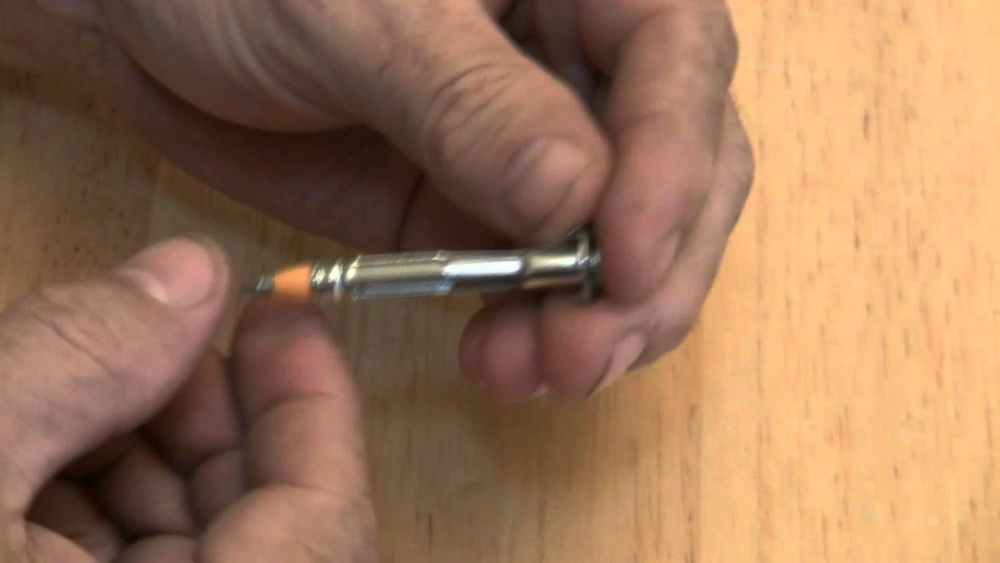
Screw a larger screw into the anchor. Leave some of the screw exposed. Pull the screw and anchor out together. This works if the anchor is tight inside the wall. Use pliers to help pull if needed.
Drilling Out The Anchor
Use a drill bit slightly smaller than the anchor. Drill slowly into the anchor center. This breaks the anchor inside the wall. Remove any pieces left behind. Patch the hole after drilling.

Credit: www.youtube.com
Tips For Minimizing Wall Damage
Removing plastic screw anchors from walls can cause damage if not done carefully. Simple steps help keep the wall smooth and neat. These tips reduce cracks, holes, and paint peeling during removal. Protect your wall’s look with gentle handling and smart patching.
Gentle Handling Techniques
Start by loosening the anchor slowly. Use a screwdriver or pliers with light pressure. Avoid pulling hard to stop wall cracks. Twist the anchor gently to ease it out. If it resists, try pushing it inward slightly. This reduces stress on the wall surface. Take your time to avoid sudden jerks. Soft movements keep the wall intact.
Filling And Patching Holes
After removal, small holes remain in the wall. Fill holes with spackle or wall filler. Use a putty knife to spread filler evenly. Let it dry completely before sanding it smooth. Sand lightly to blend the patch with the wall. For best results, paint over the patched area. This restores the wall’s clean appearance. Patching hides the damage and improves wall strength.
When To Call A Professional
Removing plastic screw anchors from walls can be tricky. Some situations need more skill and tools. Knowing when to call a professional saves time and prevents damage. Here are key signs that it’s best to get expert help.
Complicated Anchor Types
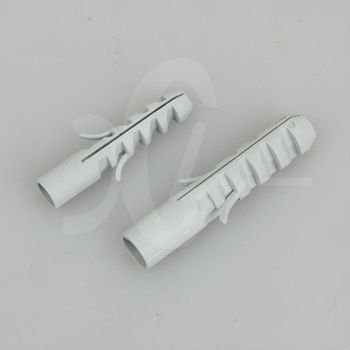
Some anchors are hard to remove. Metal or heavy-duty anchors need special tools. Plastic anchors that expand inside the wall are tough to pull out. DIY methods may break the wall or leave big holes. Professionals have the right tools and experience. They remove anchors cleanly without extra damage.
Extensive Wall Damage
Sometimes walls have cracks or weak spots near anchors. Pulling anchors can make damage worse. Large holes or crumbling drywall need careful repair. Experts assess the damage and fix it properly. They restore the wall’s strength and look. Calling a pro prevents costly repairs later.

Credit: www.fmwfasteners.com
Frequently Asked Questions
How Can I Remove Plastic Screw Anchors Safely?
To remove plastic screw anchors, first unscrew the attached screw. Then, gently pull the anchor out using pliers. If it resists, push it inward and patch the hole afterward. This prevents wall damage and keeps the surface clean.
What Tools Help Pull Plastic Anchors From Walls?
Pliers, screwdrivers, and utility knives are useful tools. Pliers grip and pull anchors, while screwdrivers remove screws. Utility knives help cut flush anchors. Using these tools carefully ensures smooth removal without harming the wall surface.
Can I Reuse Plastic Screw Anchors After Removal?
Plastic screw anchors usually lose grip once removed. They are not designed for reuse because they deform during extraction. For secure mounting, it’s best to use new anchors each time you reinstall screws in walls.
How Do I Fix Holes After Anchor Removal?
Fill the hole with spackle or wall filler. Use a putty knife to smooth the surface evenly. After drying, sand lightly and repaint. This restores the wall’s appearance and prepares it for new fixtures if needed.
Conclusion
Removing plastic screw anchors from walls can be simple with the right steps. Use gentle tools like pliers or a screwdriver to avoid wall damage. Take your time and work carefully to keep the surface smooth. Small holes can be filled and painted for a clean look.
This process saves you effort and keeps your walls neat. Practice these tips to handle anchors easily next time. You will feel confident repairing walls without stress or mess.