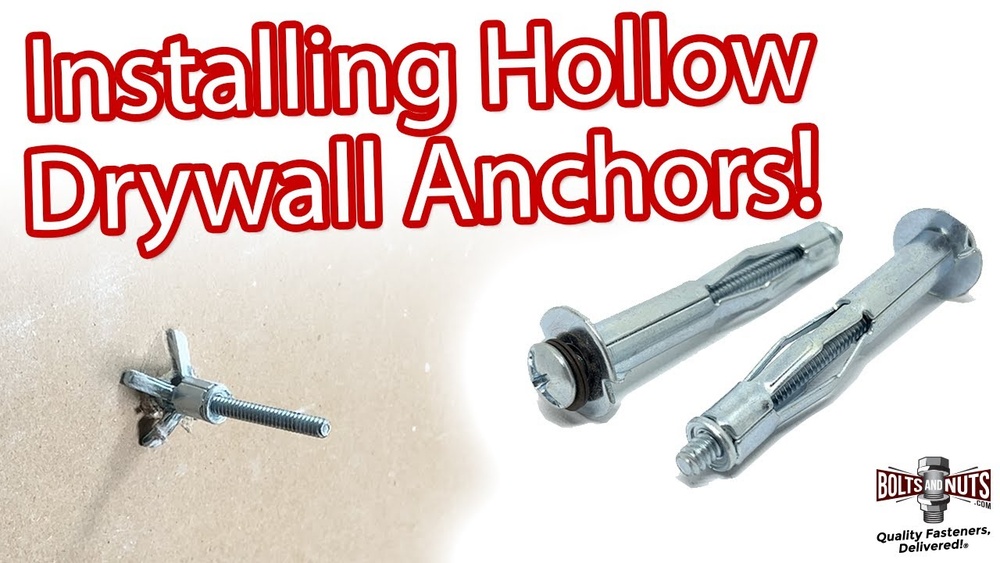
Are you struggling to hang something sturdy on your wall but worried about it falling down? Plastic anchors might be the simple solution you need.
They hold screws firmly in drywall or other hollow walls, giving your shelves, pictures, or hooks the support they deserve. But how do you get plastic anchors into the wall the right way, without damaging it or wasting time? You’ll discover easy, step-by-step tips that make the whole process quick and stress-free.
Keep reading, and you’ll gain the confidence to tackle your next wall project like a pro.
Types Of Plastic Anchors
Plastic anchors come in various types for different wall needs. Each type holds screws in place by expanding or gripping inside the wall. Choosing the right plastic anchor helps keep items secure and prevents damage. Here are the common types of plastic anchors used in walls.
Expansion Anchors
Expansion anchors work by expanding inside the wall hole. Insert the anchor, then screw into it. The screw pushes the anchor to widen and grip tightly. These anchors suit drywall and plaster walls well. They hold light to medium-weight items firmly.
Self-drilling Anchors
Self-drilling anchors do not need pre-drilled holes. Twist them directly into drywall using a screwdriver. Their sharp edges cut into the wall as you turn. These anchors are quick and easy to install. They work best for medium-weight objects.
Toggle Anchors
Toggle anchors have wings that open inside a hollow wall. Insert them folded, then tighten the screw. The wings spread and press against the wall’s inside surface. These anchors hold heavy items securely. Use them for hollow walls or ceilings.
:max_bytes(150000):strip_icc()/how-to-use-and-discard-anchor-screws-1822671-Final-ec8091ccf65241b1b1f888549f25003a.jpg)
Credit: www.thespruce.com
Tools Needed
Getting plastic anchors into the wall needs some simple tools. These tools help you make a strong and safe hold. Preparing the right tools saves time and effort. Here are the main tools you will need.
Drill And Drill Bits
A drill is key to make a perfect hole for the anchor. Choose a drill bit that matches the size of the anchor. Use a drill with adjustable speed for better control. A sharp drill bit makes clean holes without cracking the wall.
Screwdriver
A screwdriver helps to push in or tighten the screw in the anchor. Use the right type, either flathead or Phillips, based on the screw head. A good screwdriver fits well in the screw to avoid damage. It also gives you better grip and control.
Hammer
A hammer is useful for tapping the plastic anchor into the hole. Tap lightly to avoid breaking the anchor or wall. Use a small hammer or a mallet for gentle taps. This tool helps the anchor sit tight inside the wall.
Measuring Tools
Measuring tools ensure you place the anchor at the right spot. A tape measure or ruler helps check distances accurately. A pencil marks the exact point on the wall. These tools prevent errors and keep your work neat and even.
Choosing The Right Anchor
Choosing the right plastic anchor is key to a secure hold. Not every anchor works for every wall or load. Picking the correct one helps your item stay safe and stable. Consider the wall type, the weight of the object, and the size of the anchor. These factors guide you to the best choice.
Assessing Wall Material
First, know what your wall is made of. Drywall, plaster, brick, or concrete each need different anchors. Plastic anchors work well in drywall but may fail in brick. Check your wall carefully before buying anchors. The right anchor grips the wall material firmly.
Weight Capacity
Think about how heavy your item is. Light objects need small anchors. Heavy items need anchors that hold more weight. Every anchor has a weight limit. Choose one that supports your object safely. This prevents damage and accidents.
Anchor Size Selection
Anchor size matters for strength and fit. Match the anchor size to your screw size. Bigger screws need bigger anchors. Also, check the wall thickness. Too long anchors may not fit well. Pick the size that fits both screw and wall perfectly.

Credit: www.reddit.com
Preparing The Wall
Preparing the wall is the first step to install plastic anchors correctly. This step ensures the anchor fits well and holds strong. Proper preparation prevents damage and makes the anchor more secure.
Marking The Spot
Start by deciding where the anchor should go. Use a pencil to mark the exact spot on the wall. Double-check the mark to avoid mistakes. A clear mark guides the drilling process.
Drilling The Hole
Choose a drill bit that matches the size of the anchor. Drill straight into the marked spot. Drill slowly to avoid cracking the wall. The hole should be deep enough for the anchor to fit fully.
Cleaning The Hole
Remove dust and debris from the hole. Use a small brush or blow air inside. A clean hole helps the anchor grip better. Check that the hole is clear before inserting the anchor.
Installing Plastic Anchors
Installing plastic anchors is a simple way to hang items securely on walls. These anchors help hold screws tightly in drywall or plaster. They stop screws from slipping or pulling out. Follow clear steps to insert and secure anchors correctly. Avoid mistakes that weaken the hold or damage the wall.
Inserting The Anchor
Start by drilling a hole in the wall. Use a drill bit that matches the anchor size. Push the plastic anchor into the hole. Tap lightly with a hammer if needed. The anchor should fit snugly and sit flush with the wall surface.
Securing The Anchor
Insert the screw into the anchor carefully. Turn the screw slowly using a screwdriver. The anchor will expand inside the wall. This expansion locks the anchor in place. Stop tightening when the screw feels firm and secure.
Avoiding Common Mistakes
Do not drill a hole too large or too small. Avoid forcing the anchor in with too much force. Do not overtighten screws, as this can break the anchor. Use the right anchor type for your wall material. These steps keep your wall safe and your item secure.
Attaching Fixtures
Attaching fixtures to walls using plastic anchors makes the job secure and stable. Proper steps ensure the fixture stays in place without damaging the wall. Follow simple tips to fix your fixtures correctly and safely.
Aligning Screws
Start by placing the fixture against the wall. Match the holes in the fixture with the plastic anchors inside the wall. Insert screws straight into the anchors. Make sure the screws line up well with the fixture holes. Proper alignment prevents wobbling and uneven fitting.
Tightening Properly
Use a screwdriver or drill to tighten the screws. Turn the screws slowly and evenly. Stop once the fixture feels firm. Avoid over-tightening, which can damage the anchors or wall. Tighten just enough to hold the fixture steady.
Testing Stability
Gently shake the fixture to check its hold. It should not move or wiggle. If loose, tighten screws a bit more. A stable fixture stays safe and lasts longer. Proper testing gives peace of mind and prevents accidents.
Tips For Different Wall Types
Plastic anchors work differently depending on the wall type. Walls vary in material and strength. Each type needs a specific approach to hold anchors firmly. Knowing the right tips helps avoid damage and ensures a secure hold.
Drywall
Drywall is soft and hollow. Use a drill to make a small pilot hole first. Choose plastic anchors designed for drywall. Push the anchor gently into the hole. Tap lightly with a hammer if needed. Screw in the screw slowly to avoid breaking the drywall.
Concrete
Concrete is hard and dense. Use a hammer drill with a masonry bit to drill the hole. Make the hole slightly smaller than the plastic anchor. Clean out dust using a brush or air blower. Insert the plastic anchor fully into the hole. Screw carefully to avoid cracking the concrete.
Brick
Brick walls are tough but can crumble. Drill the hole into the brick, not the mortar. Use a masonry drill bit for best results. Clear dust from the hole before inserting the anchor. Push the anchor in until flush with the wall. Tighten screws slowly to prevent damage.

Credit: www.picturehangsolutions.com
Frequently Asked Questions
What Tools Do I Need To Install Plastic Anchors?
You need a drill, drill bit, hammer, and screwdriver. Choose a drill bit matching the anchor size. These tools help create the hole and secure the anchor firmly in the wall.
How Do I Choose The Right Plastic Anchor Size?
Select an anchor size based on the screw and load weight. Check the anchor packaging for weight limits. Using the correct size ensures strong support and prevents wall damage.
Can I Install Plastic Anchors In Drywall Or Plaster?
Yes, plastic anchors work well in drywall and plaster. Drill a pilot hole, insert the anchor, then screw in securely. Avoid using in hollow walls without proper support.
How Deep Should I Drill For Plastic Anchors?
Drill a hole slightly deeper than the anchor length. This ensures the anchor fits fully and holds tightly. Measure the anchor before drilling for accuracy.
Conclusion
Getting plastic anchors in the wall is easier than it seems. Start by choosing the right size anchor for your task. Drill a hole carefully and push the anchor in until it fits snugly. Then, insert the screw to hold your item firmly.
With practice, this process becomes quick and simple. Remember, using anchors helps keep your wall strong and prevents damage. Try these steps next time you hang something on the wall. You will feel more confident and get better results every time.