
Have you ever hung a picture or shelf, only to have it fall down because the wall anchor didn’t hold? It’s frustrating and can leave your walls damaged.
But don’t worry—fixing a wall anchor is easier than you think. You’ll learn simple, step-by-step tips to repair your wall anchor quickly and get your items hanging securely again. Keep reading, and say goodbye to loose anchors and shaky walls for good!

Credit: diy.stackexchange.com
Types Of Wall Anchors
Wall anchors hold screws tightly in drywall, plaster, or hollow walls. Different anchors suit different wall types and weights. Choosing the right anchor prevents damage and keeps items secure.
Plastic Expansion Anchors
Plastic expansion anchors are common and easy to use. Drill a hole, push the anchor inside, then insert the screw. The anchor expands, gripping the wall firmly. Ideal for lightweight items like picture frames.
Toggle Bolts
Toggle bolts have a spring-loaded wing that opens inside the wall. Insert the bolt through the anchor and push it in. The wings spread wide behind the wall for strong support. Use for heavy objects on hollow walls.
Molly Bolts
Molly bolts are metal anchors that expand behind the wall. Drill a hole and insert the bolt. Tighten the screw to open the anchor’s legs inside the wall. Best for medium-weight fixtures needing strong hold.
Self-drilling Anchors
Self-drilling anchors screw directly into drywall without pre-drilling. They have sharp threads that cut into the wall. Insert the screw into the anchor for a firm grip. Suitable for light to medium loads.
Signs Of A Failed Wall Anchor
Wall anchors help hold objects securely on walls. Sometimes, they fail and cause problems. Knowing the signs of a failed wall anchor can save you time and damage.
These signs show that the anchor is no longer holding tightly. Spotting them early helps fix the issue before it worsens.
Loose Fixtures
Fixtures like shelves or hooks may wobble or feel loose. They move even if you don’t touch them hard. This happens because the anchor no longer grips the wall firmly. Check for any shifting or tilting of attached items.
Cracked Wall Surface
Look for cracks around the anchor hole. The wall may show small or large cracks spreading out. This means the anchor has put pressure on the wall and caused damage. Cracks weaken the hold and risk bigger wall problems.
Anchor Pulling Out
Sometimes the anchor itself sticks out from the wall. It may look loose or partially come out. This means it has lost its grip inside the wall material. Pulling anchors cannot hold weight and must be replaced quickly.
Tools And Materials Needed
Fixing a wall anchor requires the right tools and materials. Having everything ready saves time and reduces frustration. You can complete the repair smoothly with simple hand tools and a few supplies. This section lists the essential items for the job.
Basic Hand Tools
Start with common hand tools. A screwdriver is needed to remove or tighten screws. A drill helps make new holes if necessary. A hammer can tap anchors into place. A utility knife trims any rough edges. A tape measure checks hole size and depth.
Replacement Anchors
Choose the right anchor for your wall type. Plastic anchors work well for drywall. Metal anchors offer stronger support for heavier items. Toggle bolts hold large loads in hollow walls. Keep extra anchors on hand for quick swaps. Match the anchor size to the screw and weight.
Wall Repair Supplies
Wall repair supplies fix holes left by old anchors. Spackle or joint compound fills small holes. Sandpaper smooths the surface after drying. Primer seals the patch before painting. Paint touches up the area to match the wall. Use a putty knife to apply spackle neatly.
Removing A Damaged Wall Anchor
Removing a damaged wall anchor is important before fixing or replacing it. A broken anchor can weaken the hold on your wall. It may cause holes or damage if not taken out carefully. Each type of wall anchor needs a different way to remove it. Understanding how to remove anchors will help you repair your wall smoothly and safely.
Extracting Plastic Anchors
Plastic anchors are common and easy to remove. First, try to pull the anchor out with pliers. If it does not come out, push it deeper into the wall. Then, fill the hole with spackle or putty. Let it dry before sanding and painting. This method avoids extra damage to your wall.
Taking Out Toggle Bolts
Toggle bolts have wings that open behind the wall. To remove them, unscrew the bolt completely. The wings will drop inside the wall cavity. You cannot pull the wings out. After removing the bolt, fill the hole with wall filler. Sand the area smooth after it dries.
Removing Molly Bolts
Molly bolts expand inside the wall for a strong hold. Unscrew the bolt until it comes out. Then, use pliers to pull the metal sleeve out. If the sleeve stays in, tap it gently into the wall. Fill the hole with spackle. Let it dry, then sand and paint the spot.
Repairing The Wall Hole
Repairing the wall hole is a key step after removing a wall anchor. It helps restore the wall’s smooth surface. This process prepares the wall for painting or new fixtures. Proper repair prevents further damage and improves the room’s look.
Cleaning The Hole
Start by removing any loose debris from the hole. Use a small brush or vacuum to clear dust and dirt. Clean edges help the filler stick better. A clean hole creates a stronger, longer-lasting repair.
Filling With Spackle Or Putty
Apply spackle or putty inside the hole using a putty knife. Press the filler firmly to fill all gaps. Smooth the surface with the knife to avoid bumps. Let the filler dry fully before moving to the next step.
Sanding For Smoothness
Use fine-grit sandpaper to smooth the dried filler. Sand gently until the wall feels even. Remove dust with a dry cloth after sanding. A smooth finish makes the wall ready for painting or decorating.
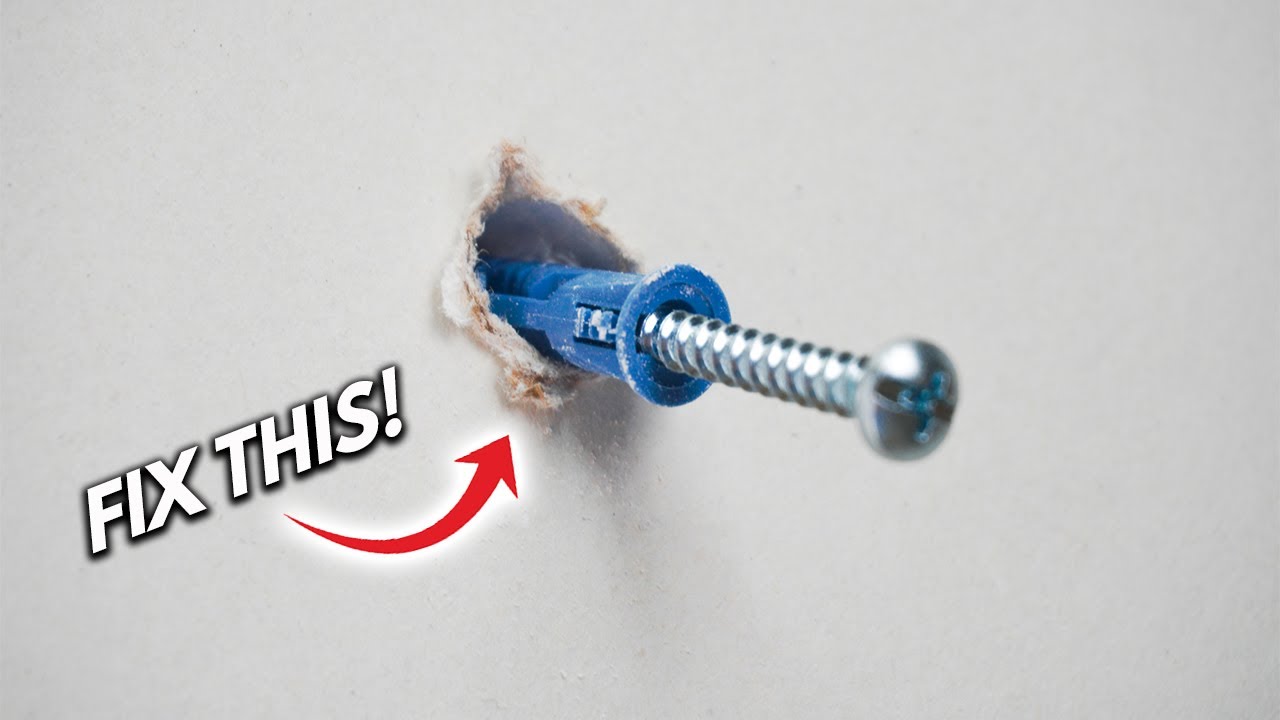
Credit: www.youtube.com
Installing A New Wall Anchor
Installing a new wall anchor is a simple way to fix holes or secure items to the wall. It makes sure the anchor holds tight and the item stays safe. Follow these steps to install a new wall anchor correctly.
Choosing The Right Anchor
Pick an anchor that fits your wall type. Drywall, plaster, and concrete need different anchors. Use plastic anchors for light items and metal anchors for heavy loads. Check the weight limit on the package to avoid mistakes.
Drilling Properly Sized Holes
Use a drill bit that matches the anchor size. The hole should be just big enough for the anchor to fit snugly. Too large a hole makes the anchor loose. Drill straight and clean holes to keep the anchor secure.
Securing The Anchor Firmly
Push the anchor gently into the hole. Tap it lightly with a hammer if needed. The anchor must sit flush with the wall surface. Screw the fastener into the anchor slowly and evenly. This locks the anchor in place tightly.
Tips For Stronger Wall Fixings
Strong wall fixings keep your items safe and secure. Using the right methods makes a big difference. These tips help you fix wall anchors better and avoid damage.
Follow these simple steps for stronger, lasting wall fixings.
Using Studs When Possible
Studs are the wooden frames inside walls. They hold more weight than drywall alone. Find studs with a stud finder or by tapping the wall. Fix your anchor directly into a stud. This makes the hold much stronger and safer.
Distributing Weight Evenly
Spread the weight across multiple anchors. Use more than one fixing for heavy items. This reduces stress on each anchor point. Even weight stops the wall from cracking or breaking.
Avoiding Over-tightening
Tighten screws just enough to hold the item. Over-tightening can damage the wall or anchor. It also weakens the fixing. Stop tightening once the item feels secure and stable.

Credit: www.youtube.com
Frequently Asked Questions
What Tools Do I Need To Fix A Wall Anchor?
You need a screwdriver, pliers, a drill, wall anchors, and a hammer. These tools help remove and replace damaged anchors efficiently.
How Do I Remove A Broken Wall Anchor Safely?
Use pliers to grip the anchor and pull it out gently. If stuck, drill around it to loosen before removal.
Can I Reuse A Wall Anchor After Fixing It?
No, reusing old anchors can weaken support. Always replace with new anchors for secure and lasting wall mounting.
What Causes Wall Anchors To Fail Or Become Loose?
Overloading, improper installation, or using wrong anchors cause failure. Choose the right size and type for your wall material.
Conclusion
Fixing a wall anchor is simple with the right steps. Always choose the correct anchor for your wall type. Remove damaged anchors carefully to avoid extra holes. Use basic tools and take your time for best results. A secure anchor keeps your items safe and steady.
Practice these tips to gain confidence in small repairs. Keep your walls strong and your home looking neat. Small fixes like this save money and stress later. Try it yourself and see how easy it can be.


